Attractions and Places To See around Saint-Quentin-La-Motte-Croix-Au-Bailly - Top 20
Best attractions and places to see around Saint-Quentin-La-Motte-Croix-Au-Bailly. This village is situated within the Baie de Somme Picardie Maritime Regional Nature Park, offering a mix of historical landmarks and natural beauty. The area features 17th-century churches, historical châteaux, and proximity to the coast. Visitors can explore diverse natural habitats and impressive geological formations like chalk cliffs.
Best attractions and places to see around Saint-Quentin-La-Motte-Croix-Au-Bailly
- The most popular attractions is La Cise Cliff, a natural monument composed of chalk from…
Last updated: July 6, 2026
Belle Époque Houses of Mers-les-Bains
Highlight • Historical Site
Showing Translation
Tip by

Ault Chalk Cliffs
Highlight • Natural Monument
Translated by Google •
Tip by

Sign up now to discover places like this
Get recommendations on the best single tracks, peaks, & plenty of other exciting outdoor places.
Sign up for free
Saint Martin's Church
Highlight • Other
Translated by Google •
Tip by
La Cise Cliff
Highlight • Natural Monument
Translated by Google •
Tip by

Le Tréport Funicular
Highlight • Rest Area
Translated by Google •
Tip by

Sign up for free to discover even more attractions around Saint-Quentin-La-Motte-Croix-Au-Bailly.
Sign up for free
Already have an account?
Start today with a free account
Your next adventure awaits.
Login or Signup
Popular around Saint-Quentin-La-Motte-Croix-Au-Bailly
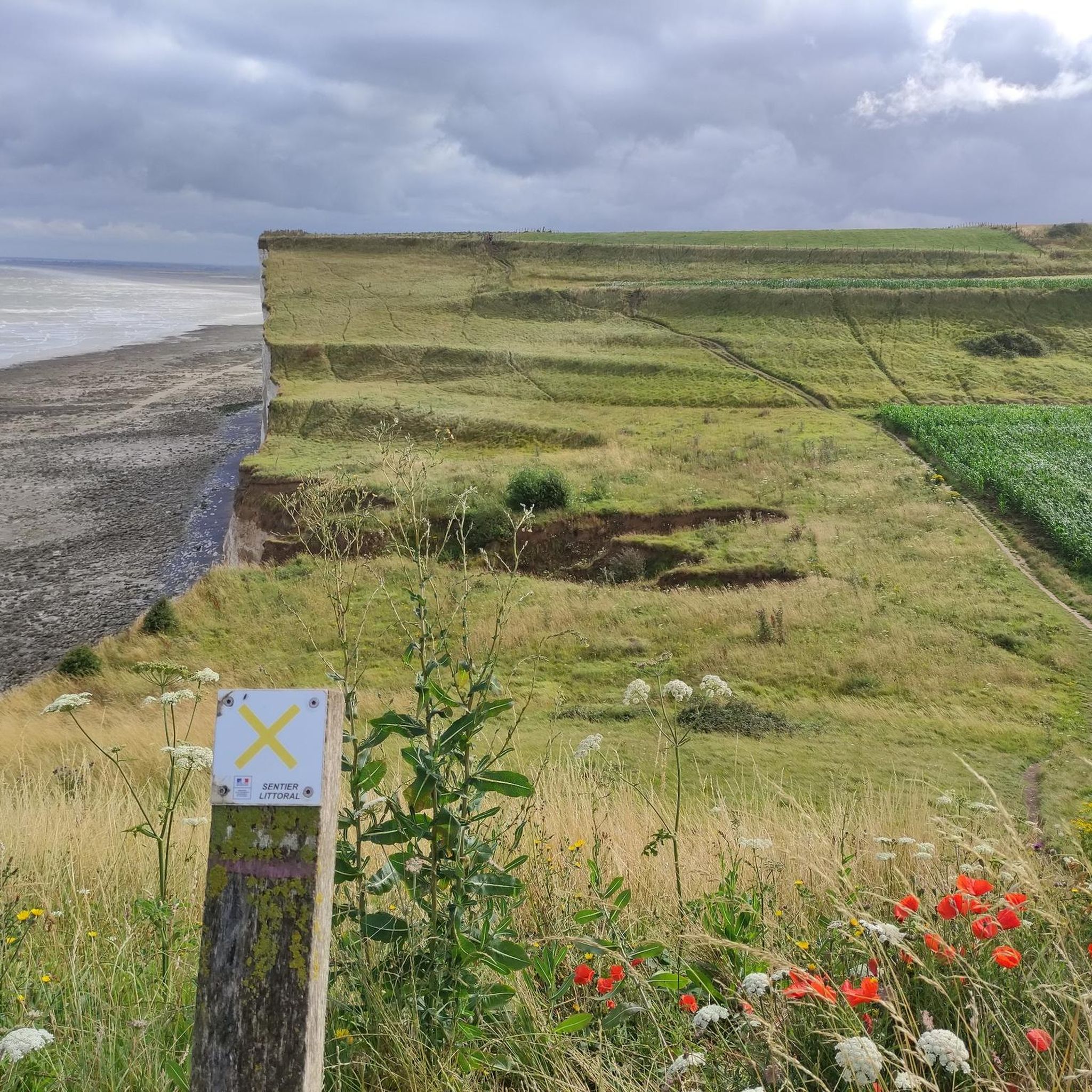
Cycling around Saint-Quentin-La-Motte-Croix-Au-Bailly
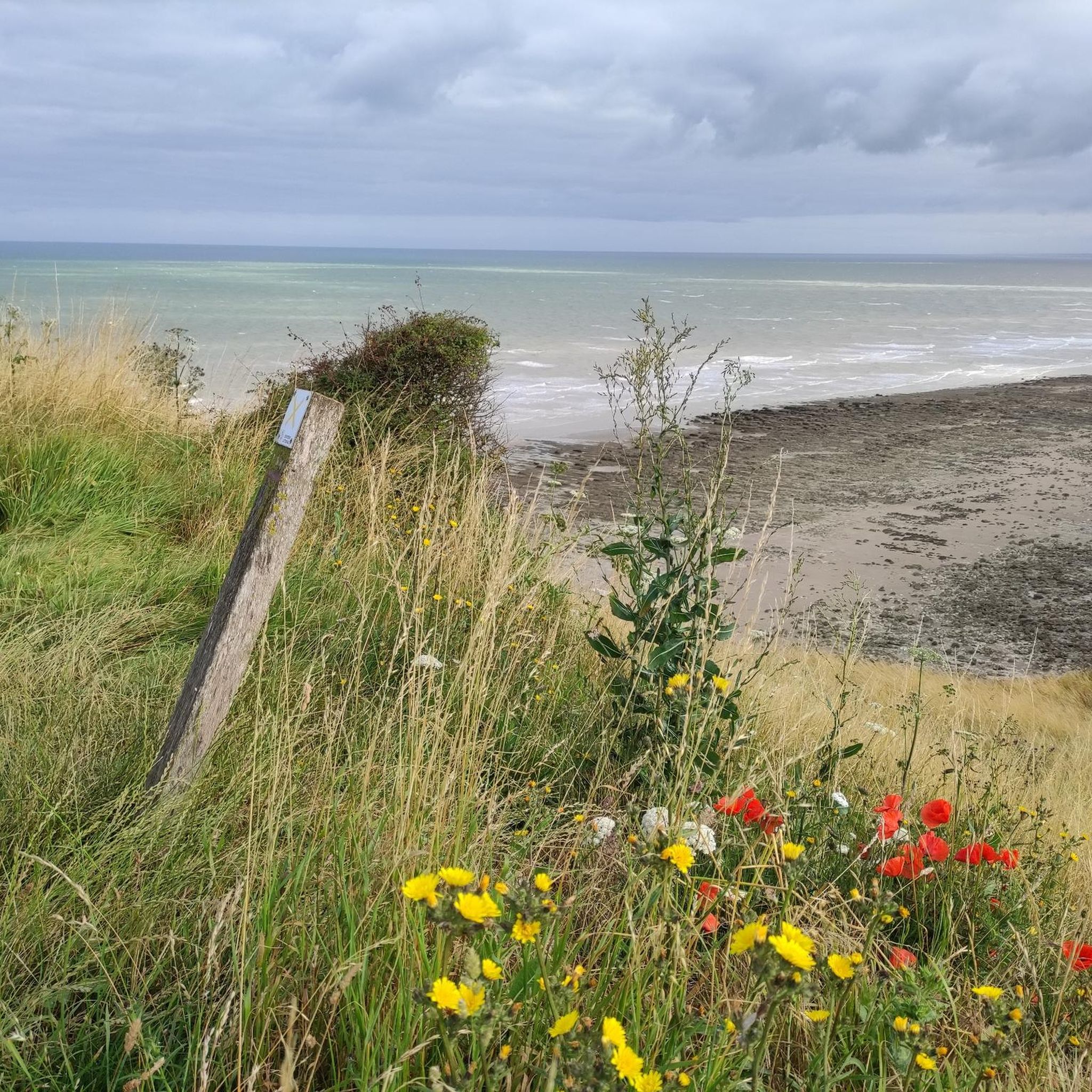
Hiking around Saint-Quentin-La-Motte-Croix-Au-Bailly
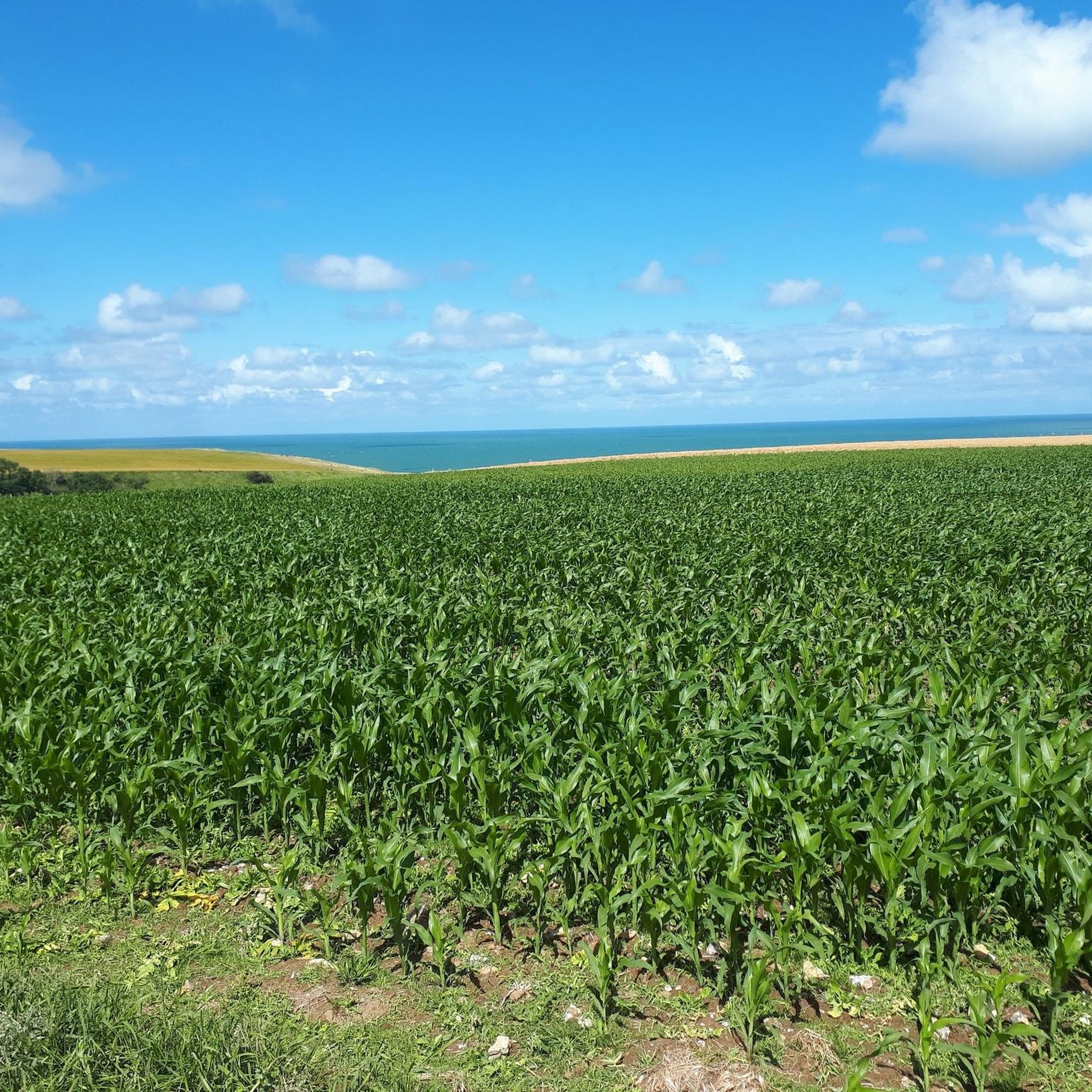
Road Cycling Routes around Saint-Quentin-La-Motte-Croix-Au-Bailly
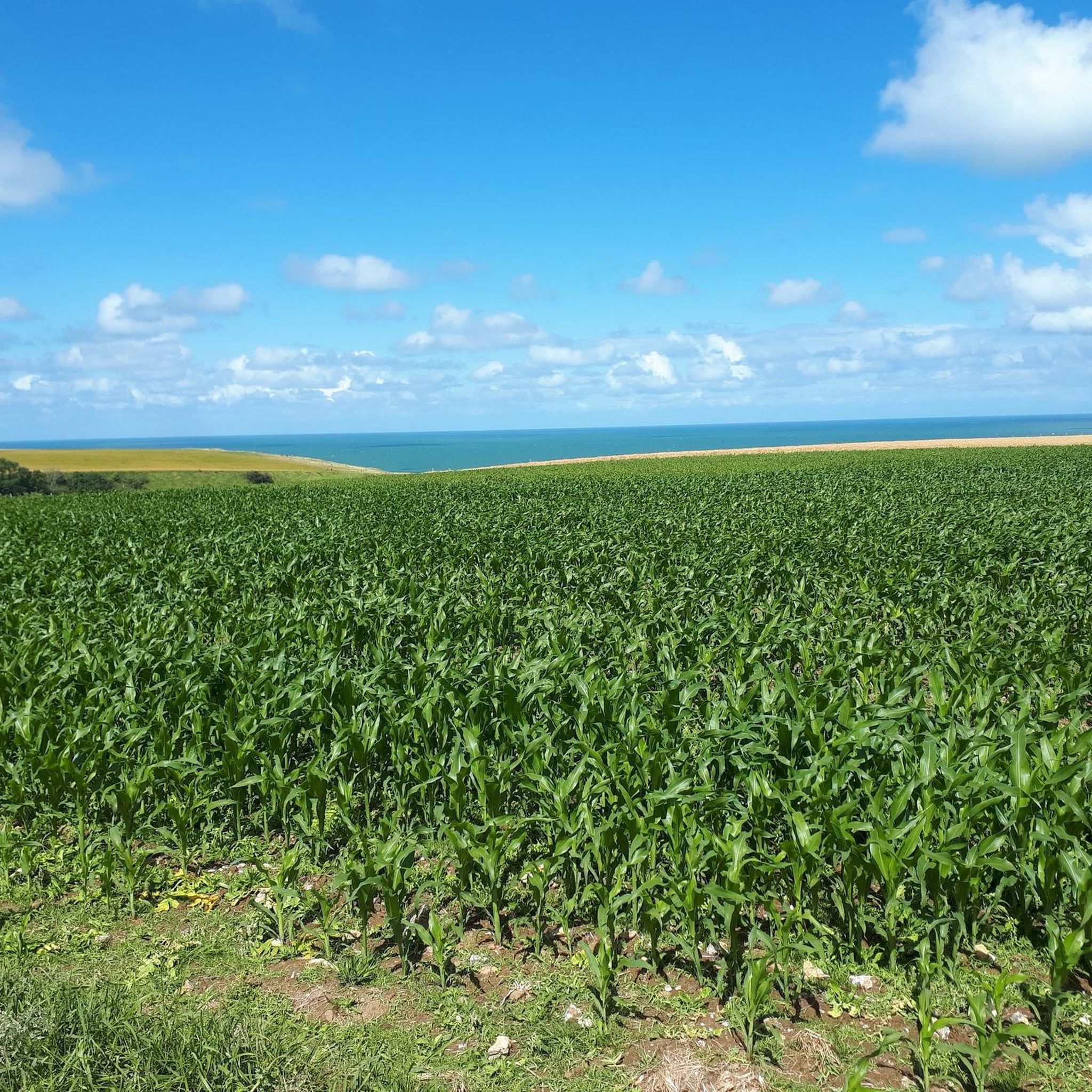
MTB Trails around Saint-Quentin-La-Motte-Croix-Au-Bailly
Running Trails around Saint-Quentin-La-Motte-Croix-Au-Bailly

Gravel biking around Saint-Quentin-La-Motte-Croix-Au-Bailly
Tips from the Community


The current church, built in 1928 in the Romanesque-Byzantine style, is located in the oldest quarter of the city. It has a Latin cross plan, oriented northwest and southwest. The roof is slate, and the nave is covered with long sides and open gables. It features flamboyant stained-glass windows, a listed 17th-century altarpiece, and a Saint Martin's effigy.
0
0

The first funicular railway in Le Tréport was inaugurated on July 1, 1908, in the presence of Gaston d'Orléans and his wife Isabelle, Count and Countess of Eu. Thanks to its popularity, more than 2,000 travelers purchased their round-trip tickets in the first month of operation. This amazing idea was born after the extension of the Eu-Le Tréport electric tram line to serve the "Les Terrasses" district proved impossible due to the significant elevation difference on Rue de la Commune de Paris.
3
0

Take the funicular up to the cliffs/chalk cliffs. Four cabins travel up and down in an inclined elevator, free of charge.
4
0
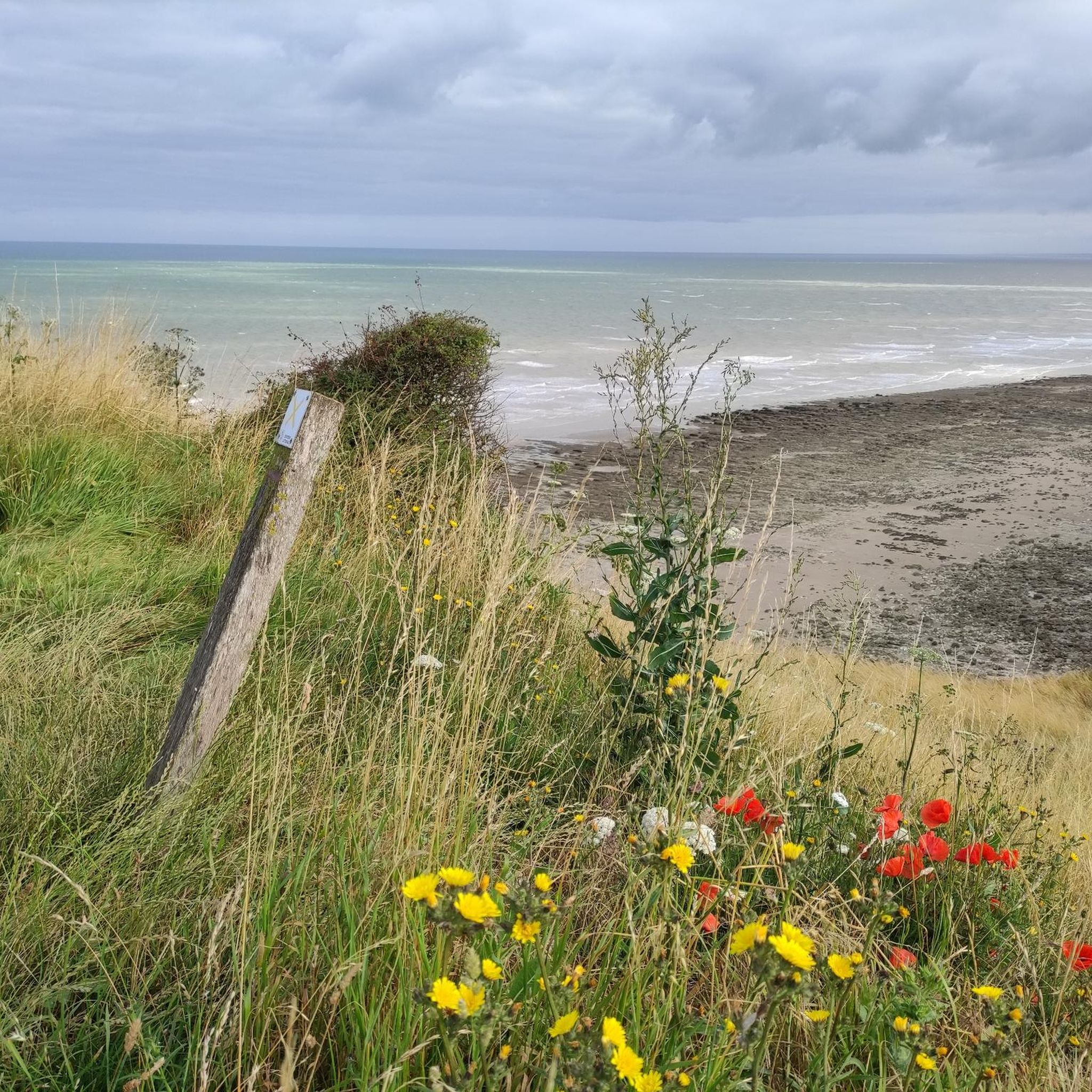
The cliffs are made of chalk and are impressive to look at.
3
0
The church is located in the oldest part of the city. From here, you can enjoy a magnificent view of the city.
4
0


The cliffs around the beach of Ault are composed of chalk from the Upper Cretaceous, more precisely from the Turonian and Coniacian (around 83 million years ago to 90 million years ago). They are strewn with flint nodules which highlight the subhorizontal stratification planes (the formation of flint has already been discussed in Discovery of the geology of the cliffs of Étretat, presentation of an excursion from the beach of Tilleul (Antifer) to the Porte d'Amont (Étretat Nord)). The relative proportion of chalk and flint is around 90-95% chalk to 5-10% flint. Flint horizons are stratigraphic markers. On the cliffs of Ault, the regular flint band called Seven Sisters is recognizable and characterizes the boundary between the Middle Coniacian and the Upper Coniacian (around 87 million years ago). The boundary between the lower and middle Coniacian is marked by the Shoreham 2 marl level, which is more difficult to identify. These lithostratigraphic markings allow in particular the correlation of distant deposits, such as between the Normandy and Picardy coasts, or between the French and English coasts.
2
0
Frequently Asked Questions
What natural attractions can I explore near Saint-Quentin-La-Motte-Croix-Au-Bailly?
The area is rich in natural beauty. You can visit La Cise Cliff, a stunning natural monument composed of Upper Cretaceous chalk with flint nodules. Another impressive site is the Ault Chalk Cliffs, which mark the beginning of the Côte d'Opale and offer views of the English Channel. The village is also within the Baie de Somme Picardie Maritime Regional Nature Park, known for diverse natural habitats and opportunities to observe seals.
Are there historical or cultural sites to visit in the area?
Yes, the region offers several historical and cultural sites. Don't miss the Belle Époque houses of Mers-les-Bains, a district featuring around 300 villas with colorful facades and ornate balconies. Within Saint-Quentin-La-Motte-Croix-Au-Bailly itself, you can find the 17th-century Saint-Quentin Church, the 16th-century Bailly Cross, and the historical Château de la Motte.
What kind of outdoor activities are available around Saint-Quentin-La-Motte-Croix-Au-Bailly?
The region is ideal for outdoor enthusiasts. You can enjoy various cycling routes, including road cycling, touring, and gravel biking. For detailed routes, explore the Road Cycling Routes, Cycling Routes, and Gravel Biking Routes guides. The Baie de Somme Picardie Maritime Regional Nature Park also offers ample opportunities for hiking and exploring natural environments.
Are there any family-friendly attractions in the vicinity?
Many attractions in the area can be enjoyed by families. The Belle Époque houses of Mers-les-Bains offer a fascinating walk through architectural history. Exploring the natural beauty of the La Cise Cliff and Ault Chalk Cliffs can also be an engaging experience for all ages, with opportunities for scenic views and beach access at low tide.
What do visitors enjoy most about the attractions in this area?
Visitors particularly appreciate the stunning natural landscapes, especially the impressive chalk cliffs like La Cise Cliff and Ault Chalk Cliffs. The unique architecture of the Belle Époque houses of Mers-les-Bains is also a highlight, offering a glimpse into the region's past. The komoot community has shared over 130 photos and given more than 290 upvotes, indicating a high level of satisfaction with the diverse offerings.
Can I observe wildlife, such as seals, in the Baie de Somme area?
Yes, the wider Somme Bay area, part of the Baie de Somme Picardie Maritime Regional Nature Park, is well-known for its diverse natural habitats and is an excellent location for observing seals. You can often spot them in a canoe or from designated viewing points along the coast.
Is there a funicular or unique transport option to access viewpoints?
Yes, in nearby Le Tréport, you can take the Le Tréport Funicular. This free funicular takes you to the heights of the city, offering panoramic views of Le Tréport, the sea, and the Normandy coast cliffs. It operates daily with extended hours during peak season.
Where can I find local markets near Saint-Quentin-La-Motte-Croix-Au-Bailly?
For a taste of local life and produce, you can visit markets in nearby towns. Markets are held in Eu on Fridays, Mers-les-Bains on Thursdays and Mondays, and Le Tréport on Tuesdays and Saturdays.
What is the significance of the Saint-Quentin Church in the village?
The Saint-Quentin Church is a significant architectural highlight in the village. Built in the 17th century on the site of an older 12th-century chapel, it features a north transept from the first half of the 17th century and an interior with a nave, two transepts, and ogival windows, constructed from sandstone, flint, and white stone.
Are there any challenging hiking trails near the cliffs?
The cliffs, such as La Cise Cliff, offer scenic and exhilarating hikes. Some passages along the cliff edges can be steep, and the limestone rock is subject to erosion, making certain sections challenging. Always exercise caution and check local conditions before embarking on a hike.
What is the historical background of Saint-Quentin-La-Motte-Croix-Au-Bailly?
The village itself has a rich history, formed from the merger of three hamlets: La Croix, La Motte, and Saint-Quentin. Beyond its unique name, it features historical landmarks like the 16th-century Bailly Cross, the Château de la Motte, and a war memorial commemorating events including the Second World War.
Can I find examples of Art Nouveau architecture in the region?
Absolutely. The Belle Époque houses of Mers-les-Bains are a prime example. Many of these approximately 300 villas were built in an Art Nouveau style, characterized by colorful facades, ornate balconies, metal or wood details, and round-shaped bay windows. This district was largely designated as a remarkable heritage site in 1986.
Most popular routes around Saint-Quentin-La-Motte-Croix-Au-Bailly
Most popular attractions around Saint-Quentin-La-Motte-Croix-Au-Bailly

Get inspired with the komoot mobile app


Explore more
Still not found the Highlight you’re looking for? See guides of the top attractions in other regions:
