Attractions and Places To See around Yvias - Top 20
Best attractions and places to see around Yvias include a blend of historical architecture, cultural heritage, and access to natural sites. The village serves as a base for exploring regional points of interest in the Côtes-d'Armor department of Brittany, France. The area features ancient structures, coastal landscapes, and cultural landmarks.
Best attractions and places to see around Yvias
- The most popular attractions is Paimpol, a settlement known for its historic fishing port and 16th-century houses. It is located on…
Last updated: June 22, 2026
Paimpol
Highlight • Settlement
Translated by Google •
Tip by

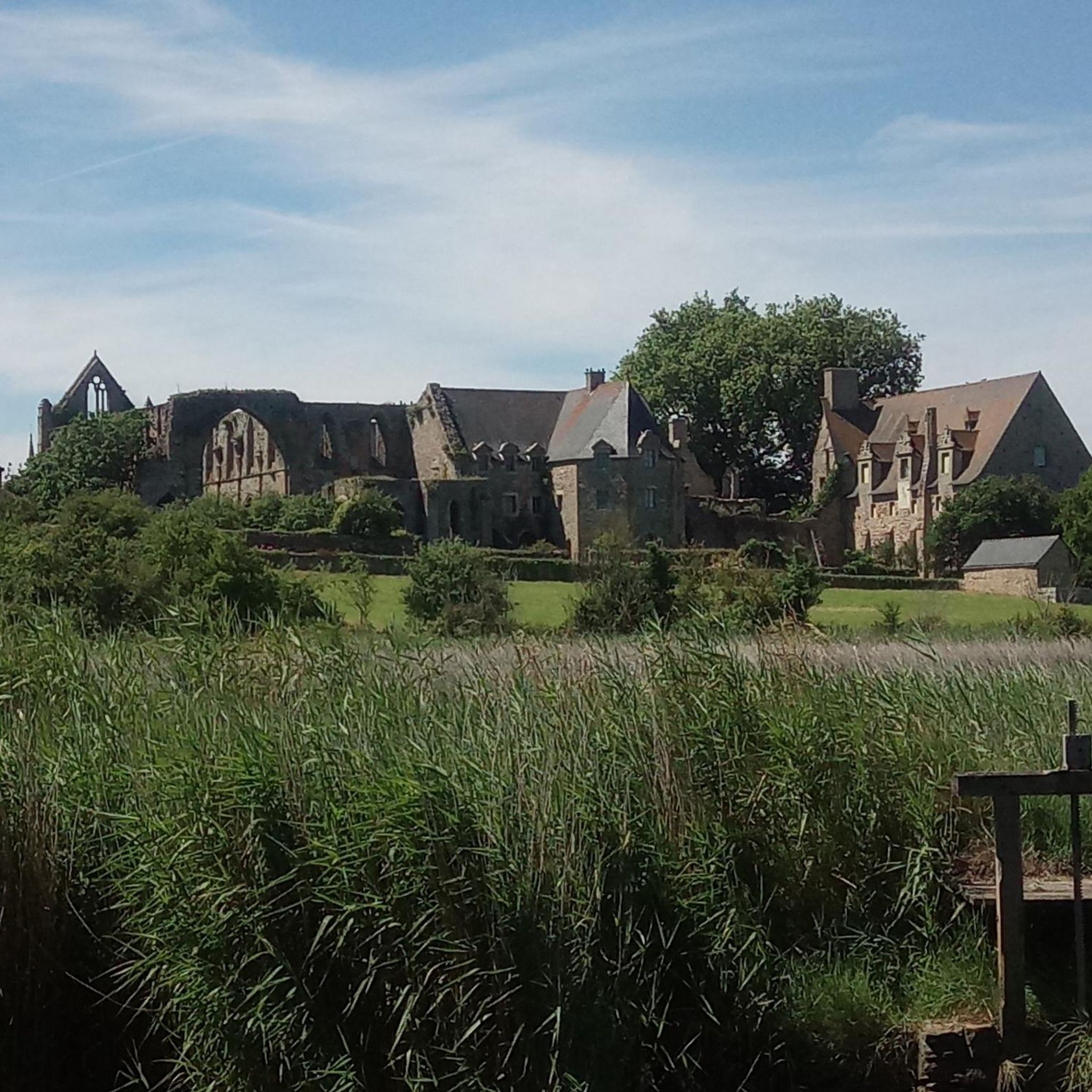
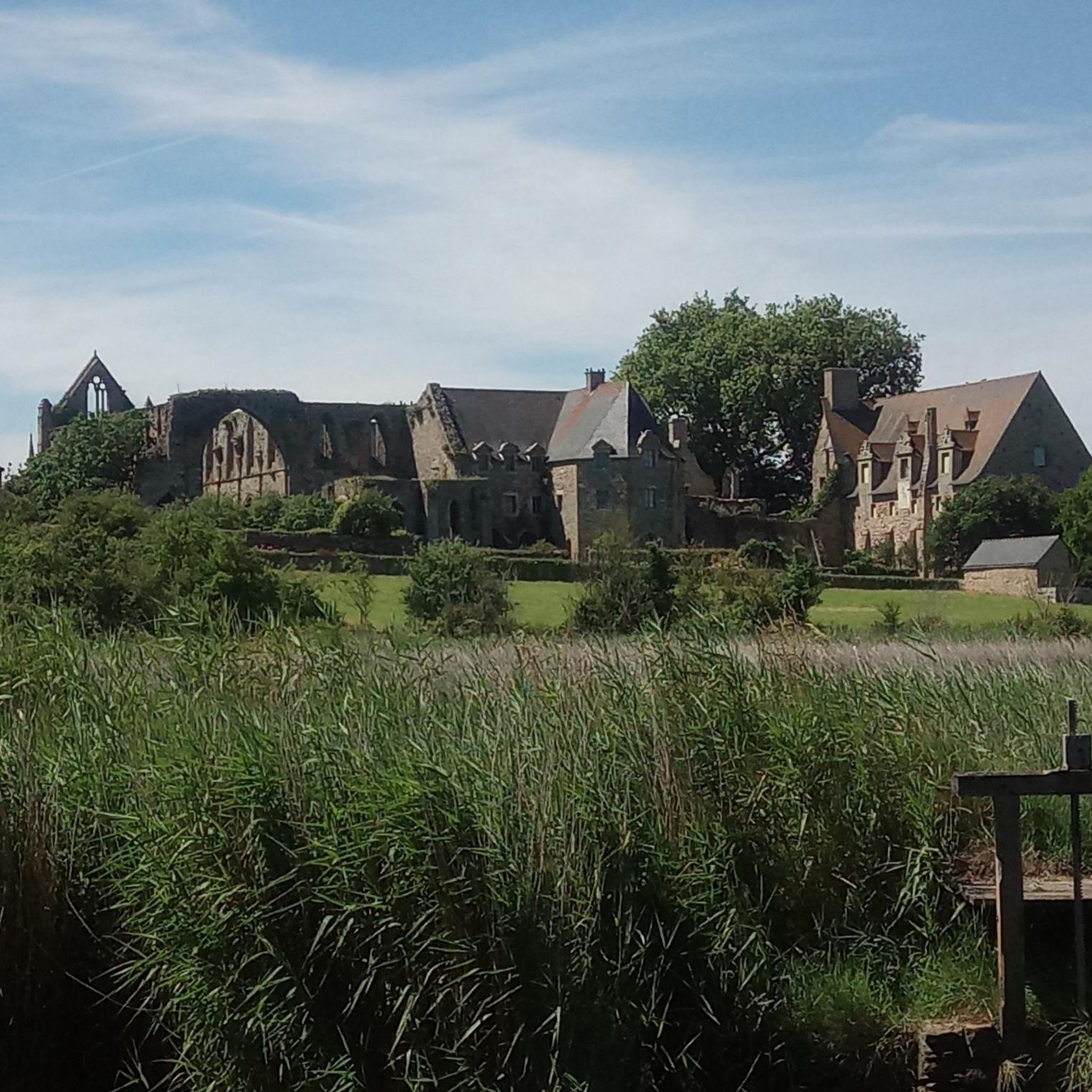
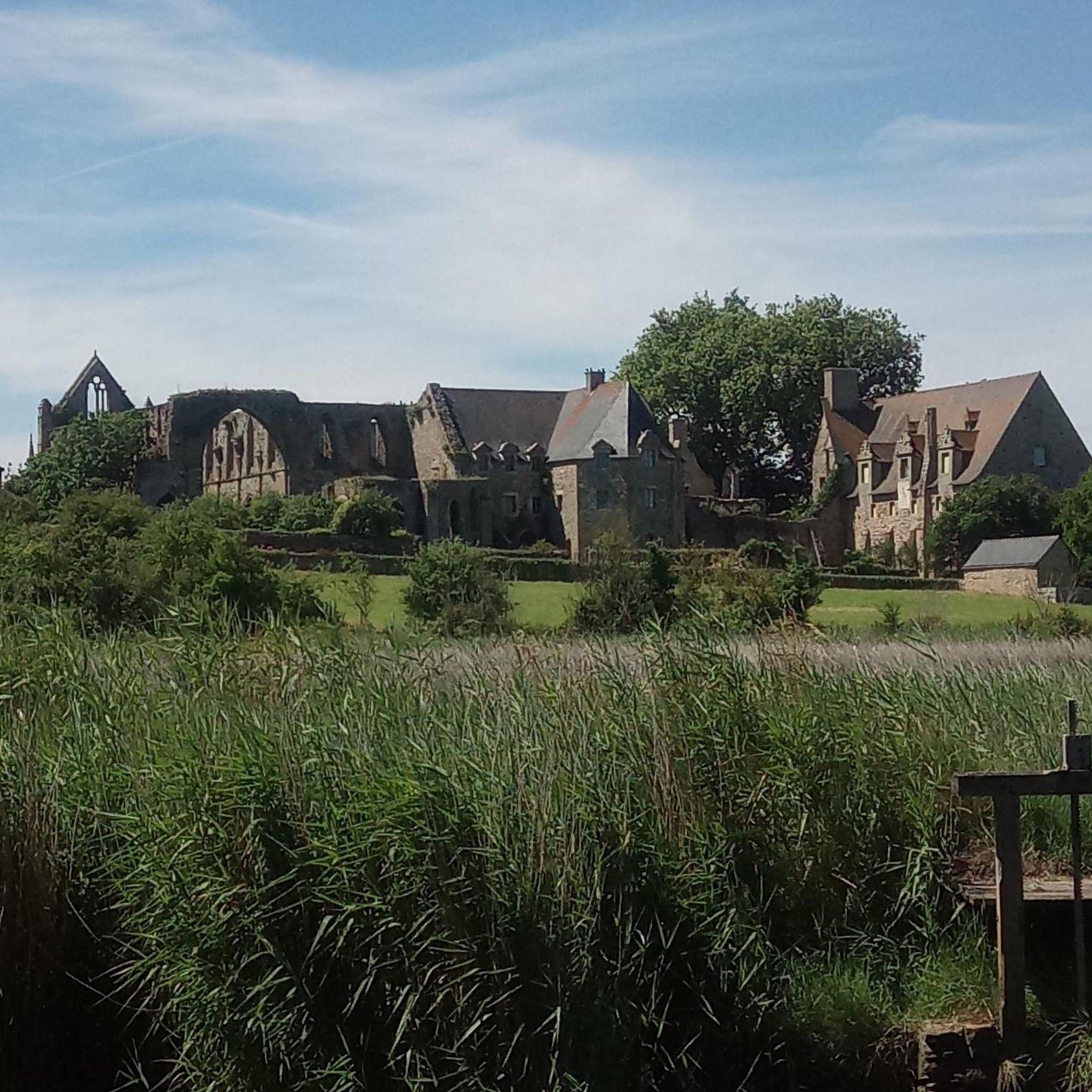
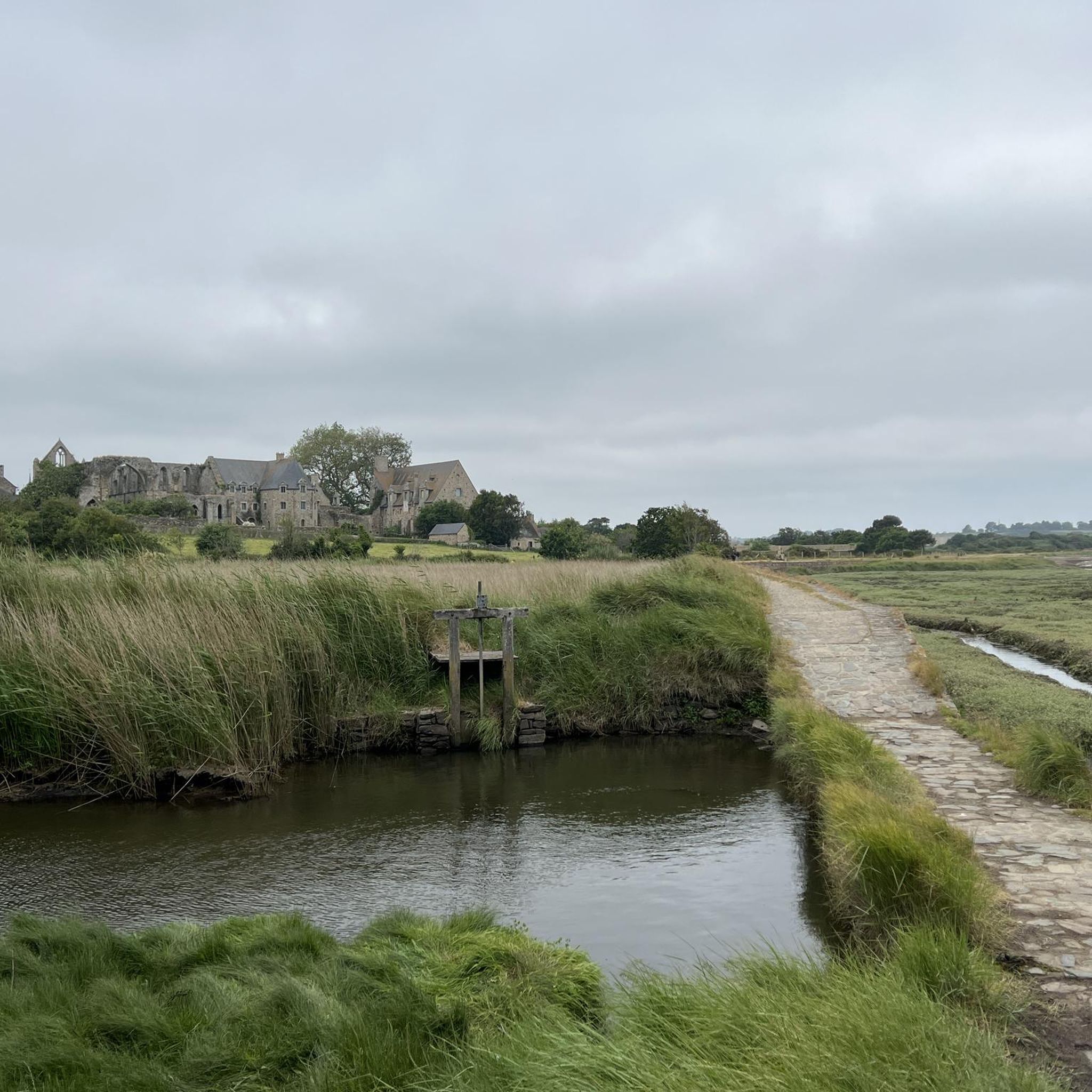
Beauport Abbey
Highlight • Monument
Translated by Google •
Tip by

Sign up now to discover places like this
Get recommendations on the best single tracks, peaks, & plenty of other exciting outdoor places.
Sign up for free
Bonaparte Beach
Highlight • Beach
Translated by Google •
Tip by

Saint Barbara Chapel
Highlight • Viewpoint
Translated by Google •
Tip by

Church of Lanloup
Highlight • Religious Site
Translated by Google •
Tip by

Sign up for free to discover even more attractions around Yvias.
Sign up for free
Already have an account?
Start today with a free account
Your next adventure awaits.
Login or Signup
Tips from the Community

In this case, you'd first drive there, then return via the GR34, which offers great views, and then cycle back to the car. This is at least convenient for the climb from the parking lot.
0
0

A very beautiful monastery ruin. All descriptions of the individual sights are multilingual, so you can get by very well even without sufficient knowledge of French.
1
0

Bonaparte Beach, named after the code name given to this historic site during World War II, is also known as Anse Cochat. It has the unique feature of being accessible via a tunnel carved into the rock. From this stretch of beach, now known as "Plage Bonaparte," members of the French Resistance smuggled 135 English and Canadian pilots—including Jane Birkin's father—whose planes were shot down to England during World War II, past the Nazis. Commemorative plaques in the tunnel still bear witness to these events.
3
0

We were very surprised when we drove down the mountain and suddenly saw this architecturally very remarkable church in front of us. The entrance area is particularly beautifully decorated with the statutes of the apostles and a Madonna from the 14th century. The altarpiece shows a scene that is not often shown: Jesus and the children that he calls to him, even though his disciples try to stop them.
0
1


Made famous by the writings of Pierre Lotti (Icelandic Fisherman published in 1886), Paimpol is a vast fishing port mixed with the idleness of a pretty marina. In the center of the town, houses dating from the 16th century remain and bring a beautiful character to the town. Ideally located on the customs path (GR 34), the town has numerous shops and services capable of satisfying all budgets. A railway station is served daily by trains from Guingamp.
1
0

In the bay of Paimpol, Beauport Abbey is a remarkable monastic complex, a major witness to religious architecture in Brittany. It is also an exemplary place of conservation, where the interests of the monument combine with those of an exceptional natural site. At the dawn of the 13th century, Count Alain de Goëlo founded the Beauport Abbey and installed canons of the Premonstratensian order there. For 500 years, the religious community shaped the place and implemented important developments, while respecting their monastic rules and the needs of their community life. Closed during the French Revolution, then sold as national property, the abbey buildings were in turn transformed into a stable, town hall, bourgeois apartments, school and cider house.
0
0
Frequently Asked Questions
What historical sites can I visit directly in Yvias?
Within Yvias itself, you can explore the Chapel of the Calvaire, known for its 17th-18th century altarpiece (keys available from town hall). The Church of Saint-Judoce, consecrated in 1881, houses ancient statues. You can also find the Oratory of Saint Judoce, the historical Colombier du Manoir de Pann Braz, and the Neolithic Dolmen du Bois de la Roche, which is a classified historical monument.
Are there significant historical or cultural sites near Yvias?
Yes, several notable sites are a short distance away. The 13th-century Beauport Abbey, approximately 6 km from Yvias, is a major example of ecclesiastical architecture. The historic fishing port of Paimpol, about 7 km away, features traditional houses and is on the GR 34 customs path. Other sites include the Château de la Roche-Jagu (8 km), known for its gardens, and Pontrieux (8 km), famous for its canals and washhouses.
Where can I find natural coastal features or beaches near Yvias?
The Leff Riverbanks offer opportunities for walks, kayaking, and birdwatching directly from Yvias. For coastal beauty, Bonaparte Beach is accessible via a tunnel carved into the rock and is known for its historical significance. Further afield, the Île de Bréhat (14 km) is nicknamed the 'flower island,' and the Sillon de Talbert (18 km) is a unique natural sand and pebble spit extending into the sea.
Are there natural areas or viewpoints to explore inland from Yvias?
Yes, you can visit Menez Bré, approximately 24 km from Yvias, which offers panoramic views of the surrounding landscape. Additionally, the Réserve naturelle nationale des Sept-Îles (37 km) is a national nature reserve renowned for its birdlife and islands, providing a significant natural escape.
Are there hiking trails available near Yvias's attractions?
Absolutely. You can find various hiking opportunities, such as the easy 'Beauport seawalls and quay – Beauport Abbey loop' (5.9 km) or the 'Lanleff Temple – Moulin du Traou loop' (6.8 km). For more options, explore the dedicated Hiking around Yvias guide, which includes routes like the 'Lanleff Temple loop from Yvias' (12.1 km).
What kind of cycling routes can I find near Yvias?
The area around Yvias offers several mountain biking routes. You could try the 'Port of Paimpol – Paimpol loop' (42.3 km) or the 'La Roche-Jagu Castle – Pontrieux Viaduct loop' (54.5 km). For a comprehensive list of trails, check the MTB Trails around Yvias guide.
Are there family-friendly attractions around Yvias?
Many attractions are suitable for families. Paimpol, with its historic port, and Beauport Abbey are both listed as family-friendly. Bonaparte Beach is also a great option for families, offering a unique access tunnel and sandy shores.
What is the best time of year to visit Yvias attractions?
Brittany generally enjoys pleasant weather from late spring to early autumn (May to September). This period is ideal for exploring coastal paths, historical sites, and enjoying outdoor activities. Summer (July-August) is popular for beaches and events, but can be busier. Spring and early autumn offer milder temperatures and fewer crowds.
Are there any dog-friendly places or trails near Yvias?
Yes, Bonaparte Beach is dog-friendly, with specific hours for dogs during peak season (before 10 am and after 7 pm from June 15th to September 15th, and all day outside these dates). Many natural walking paths and trails in the region are also suitable for dogs, though it's always best to check local signage for specific restrictions.
What do visitors enjoy most about the attractions around Yvias?
Visitors appreciate the blend of historical depth and natural beauty. The historic fishing port of Paimpol is loved for its 16th-century houses and position on the GR 34. Beauport Abbey is highly regarded for its impressive architecture and beautiful coastal setting. The unique access and historical significance of Bonaparte Beach also receive high praise.
What are some lesser-known historical gems around Yvias?
Beyond the main attractions, consider visiting the Manoir de Kerros, a 17th-century seigneurial residence showcasing typical regional architecture. The small 18th-century baroque Chapel Notre-Dame-de-la-Pitié is also a hidden gem, known for its ex-votos from sailors.
What can I do in Yvias and the surrounding area if the weather is bad?
On rainy days, you can explore the interiors of historical buildings like Beauport Abbey, which often hosts exhibitions. The churches in Yvias, such as the Church of Saint-Judoce, offer shelter and cultural insight. Nearby towns like Paimpol and Tréguier (15 km) have museums, shops, and cafes where you can spend time indoors.
Are there running trails near Yvias?
Yes, there are several running trails in the vicinity. You can find routes like the 'Beauport Abbey loop from Kerfot' (11.1 km, moderate difficulty) or the 'Étang de Kerlouet loop from Le Faouët' (7.4 km, moderate difficulty). More options are detailed in the Running Trails around Yvias guide.
Most popular attractions around Yvias

Get inspired with the komoot mobile app


Explore more
Still not found the Highlight you’re looking for? See guides of the top attractions in other regions:
