The best road cycling routes around Saint-Sève
4.2
(15)
675
riders
119
rides
Road cycling routes around Saint-Sève traverse the picturesque vineyard landscapes of the Gironde department in France. The terrain is generally flat, featuring mostly paved surfaces that are accessible for various cycling abilities. This region offers a network of routes winding through rows of grapevines and alongside the Canal de Garonne. Saint-Sève serves as a base for exploring the broader Gironde cycling network, which includes extensive regional paths.
Best road cycling routes around Saint-Sève
- The most popular road cycling route is…
Last updated: June 30, 2026
11
riders
Moderate road ride. Good fitness required. Mostly well-paved surfaces and easy to ride.
5.0
(1)
9
riders
42.9km
01:55
410m
410m
Moderate road ride. Good fitness required. Mostly well-paved surfaces and easy to ride.

Sign up for free
11
riders
48.1km
02:05
360m
360m
Moderate road ride. Good fitness required. Mostly well-paved surfaces and easy to ride.
5.0
(1)
4
riders
58.3km
02:43
700m
700m
Moderate road ride. Good fitness required. Mostly well-paved surfaces and easy to ride.
14
riders
73.1km
03:03
240m
240m
Moderate road ride. Good fitness required. Mostly well-paved surfaces and easy to ride.
Get access to more routes and recommendations from other explorers.
Sign up for free
Already have an account?
Our route recommendations are based on thousands of hikes, rides, and runs completed by other people on komoot.
Start today with a free account
Your next adventure awaits.
Login or Signup

Tips from the Community

Majestic in its size and appearance, the Loubens mill is one of the most remarkable in the Entre-deux-Mers region. Its installation seems to date back to the 11th century. A square, medieval tower, built on an island, bears similarities to the Bagas mill located 2 km downstream. It includes three sets of millstones still in place. However, it is not a fortified building; it is a weir mill. To the north construction, a bridge with a double row of arches was added in the 18th century, containing two more pairs of millstones and a fulling mill (a machine used not for grinding grain, but for fulling textiles. These mills were often called "beating mills"). This southern part of the mill earned it the name "little Chenonceau". The mill has been classified as a Historic Monument since 2000.
0
0

Super The d avoir précisé. So it is passable on foot or by bike WITHOUT CARS! GENIAL
0
1

Beautiful view of the ivy-covered mill.
1
0

La Sauvetat-du-Dropt is a picturesque village crossed by the River Dropt. Its medieval bridge has 23 arches, blending Romanesque and Gothic styles. The quiet streets and the Saint-Germain church complete the charm of this small village typical of Lot-et-Garonne. Enjoy a beautiful picnic area by the water, an ideal stop between two pedal strokes!
0
0
Eymet is a medieval fortified town founded in 1270 by Alphonse de Poitiers. Crossed by the River Dropt, it offers a picturesque setting with its central square surrounded by arcades, its half-timbered houses, and its 13th-century castle. Enjoy its narrow streets steeped in history and its friendly atmosphere, especially on Thursday mornings during the market!
1
0
Duras Castle, located in Lot-et-Garonne, is a restored medieval fortress boasting remarkable architecture and magnificent views. It is a major historical monument in the region.
0
0

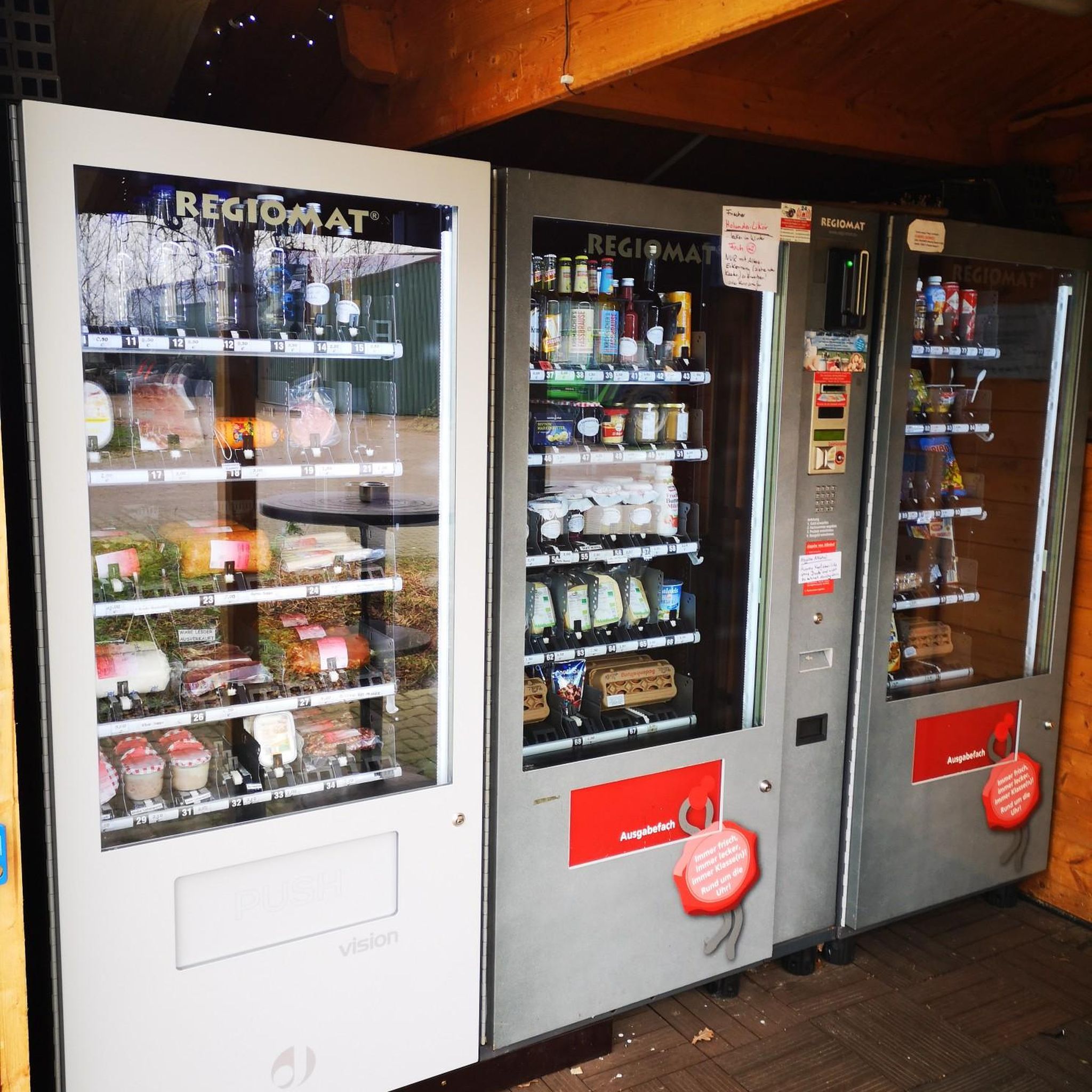
Water source, good supply point.
0
0

Using the power of moving water to drive a mill wheel is an ancient invention that dates back to pre-Christian times. Thanks to such a construction, human or animal muscle power could be easily replaced by a watercourse - natural or artificially created - in order to grind grain into corn, for example. There are essentially two different ways of driving watermills: Either the water simply hits the blades of the water wheel from below to set it in motion; or the water is guided above the wheel and falls onto the blades; this type of construction is more efficient due to natural gravity.
2
1
Frequently Asked Questions
How many road cycling routes are available around Saint-Sève?
There are over 100 road cycling routes around Saint-Sève, offering a wide range of options for different skill levels. You'll find 21 easy routes, 82 moderate routes, and 5 more challenging options.
What kind of terrain can I expect when road cycling near Saint-Sève?
The terrain around Saint-Sève is generally flat, characterized by picturesque vineyard landscapes and mostly paved surfaces. Many routes follow the historic Canal de Garonne, providing smooth and accessible rides through the French countryside.
Are there any easy road cycling routes suitable for beginners or families?
Yes, Saint-Sève offers several easy, family-friendly routes. A great option is the Castets Lock, no. 53 – Canal latéral à la Garonne loop from Gare de La Réole, an easy 16.1-mile trail that follows the Canal de Garonne, passing by its locks.
What are the best times of year to go road cycling in Saint-Sève?
The region is enjoyable for road cycling for much of the year. Spring and autumn offer pleasant temperatures and beautiful scenery, especially through the vineyards. Summer can be warm, but early mornings or late afternoons are often ideal for rides.
What can I see along the road cycling routes around Saint-Sève?
Many routes offer scenic views of the Bordeaux and Bergerac vineyards. You can also explore historical sites and natural features. For example, the Château de Duras and Garden – Bastide of Monségur loop from La Réole leads past historic sites. The Garonne Lateral Canal is a prominent feature, with highlights like the Bassanne Lock along its path.
Are there any circular road cycling routes in the Saint-Sève area?
Yes, many routes are designed as loops, allowing you to start and finish in the same location. For instance, the The Canal Latéral à la Garonne – Ship birth on the canal loop from Saint-Hilaire-de-la-Noaille is a moderate 50.6-mile circular path offering extensive riding along the canal.
What do other road cyclists enjoy most about road cycling in Saint-Sève?
The area is highly rated by the komoot community, with an average score of 4.3 stars from over 22 reviews. Cyclists often praise the beautiful vineyard landscapes, the generally flat and well-paved surfaces, and the peaceful rides along the Canal de Garonne.
Can I access longer, regional cycling routes from Saint-Sève?
Absolutely. Saint-Sève's location provides excellent access to the extensive cycling network of the Gironde department. You can connect to routes like the Tour de Gironde by Bike, which offers diverse cycling experiences through vineyards, heathlands, and even towards the Atlantic coastline. For more information, you can visit francevelotourisme.com.
Are there any challenging road cycling routes near Saint-Sève?
While the region is generally flat, there are routes that offer more distance and some elevation gain for a moderate challenge. For example, the Duras Castle loop from Bagas is a moderate 48.1-mile route with over 350 meters of elevation gain, providing a good workout through varied landscapes.
Are there places to stop for coffee or refreshments along the routes?
Given the region's focus on wine and tourism, you'll find villages and towns along many routes where you can stop for refreshments. The wider Bordeaux area also offers specific cycling loops that allow riders to visit châteaux and participate in wine tastings, providing cultural and gastronomic stops. You can find more details on vineyard cycling at bordeaux-tourism.co.uk.
What are the main natural features to look out for while cycling?
The primary natural features are the extensive vineyards of Bordeaux and Bergerac, which dominate the landscape. Additionally, the Garonne Lateral Canal is a significant feature, offering tranquil waterside cycling. The region also has a designated Nature Reserve, hinting at diverse local flora and fauna.
Most popular attractions around Saint-Sève

Get inspired with the komoot mobile app


Explore more
Browse the best Road cycling routes in other regions.
