Attractions and Places To See around Fontenai-Sur-Orne - Top 19
Best attractions and places to see around Fontenai-Sur-Orne, a village in the Orne department of Normandy, France, offers historical points of interest and serves as a base for exploring the surrounding region. The village, now part of Écouché-les-Vallées, is historically linked to numerous springs along the Orne River. The area provides access to diverse landscapes, including the Orne Valley and the Normandy-Maine Regional Nature Park.
Best attractions and places to see around Fontenai-Sur-Orne
- The most popular attractions is Château de…
Last updated: July 6, 2026
Château de Sassy
Highlight • Castle
Still inhabited, it houses the rich library of Chancellor Pasquier which contains 25,000 volumes and …
Translated by Google •
Tip by

Saint-Roch Chapel
Highlight • Religious Site
Translated by Google •
Tip by

Sign up now to discover places like this
Get recommendations on the best single tracks, peaks, & plenty of other exciting outdoor places.
Sign up for free
Saint-Germain Church
Highlight • Other
Translated by Google •
Tip by

Château des Ducs
Highlight • Castle
Translated by Google •
Tip by
Cuy Castle
Highlight • Castle
Translated by Google •
Tip by
Sign up for free to discover even more attractions around Fontenai-Sur-Orne.
Sign up for free
Already have an account?
Start today with a free account
Your next adventure awaits.
Login or Signup
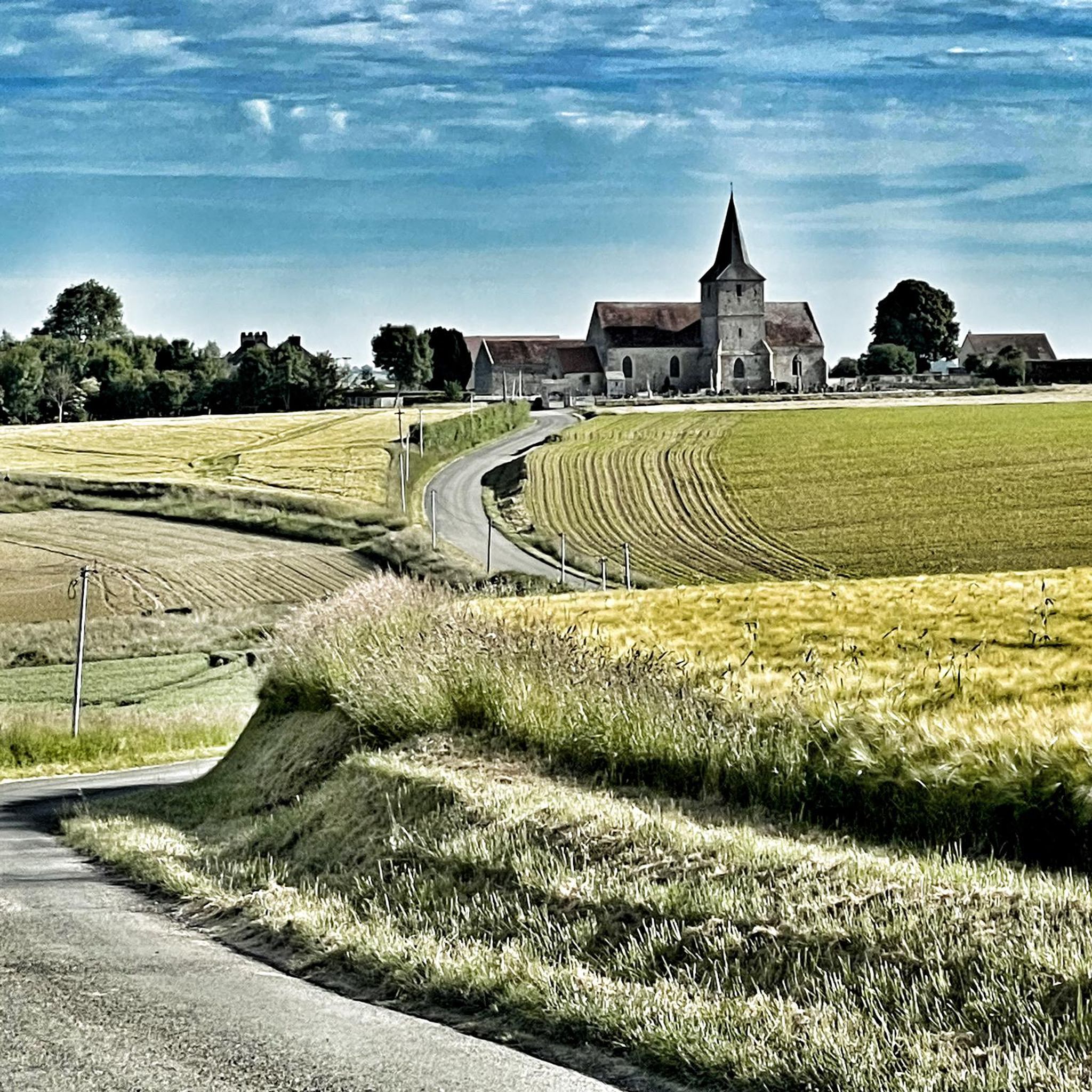




Tips from the Community

Magnificent site, especially with morning lighting, unfortunately closed to visitors and the tree-lined avenue is closed to the public.
2
0

The Church of Saint-Germain is an impressive church that was built from the 14th to the 17th century and features a mix of Gothic, Renaissance and classical architecture. You can admire the majestic north porch, the lantern tower, the large bell tower and the 15 chapels inside. The church also houses the remains of Blessed Marguerite de Lorraine-Vaudémont, a benefactress of Argentan. The church is open to the public all year round and hosts many concerts, including organ concerts during the International Organ Festival in summer.
3
0
The Château des Ducs is a 14th century castle that was once the residence of Pierre II de Valois, a descendant of Saint Louis. The castle is today the seat of the court of justice, but you can still admire its architecture and its chapel, which houses a magnificent altarpiece from the 18th century.
2
0
The Château de Cuy in Occagnes is a 17th century castle with classic architecture. Its elegant facades, roofs and entrance doors are classified as historic monuments. You can admire the castle from the outside, but the interior is not open to the public as it is private property.
3
0

Saint Roch (Saint-ROCH), to whom this chapel is dedicated as patron, was born in Montpellier, France, in the middle of the 14th century. He is popularly considered – along with Saint Sebastian – to be the “plague saint”. What is characteristic of the depiction of Rochus in paintings and as statues is that he usually points to a plague boil on his leg; A dog can often be seen at his feet, because according to legend, when he was caring for plague patients, he himself fell ill with it and retreated into solitude, providing him with bread every day. Saint-ROCH's memorial day in the calendar of saints is August 16th.
0
0

Centrally located, right next to the Office de Tourisme.
0
0
The Château de Sassy you see today was built in the 18th century. It belonged to a chancellor of France in 1850, but by far the most important person to have visited this castle was Queen Elizabeth II, in 1967, during a private visit to France. The castle has an astonishing French garden built in 1920.
1
0
Frequently Asked Questions
What historical sites can I visit in Fontenai-Sur-Orne and the surrounding area?
Within Fontenai-Sur-Orne, you can explore the classical-style Saint-Martin Church with its 16th-century west entrance and an intriguing Underground Vaulted Cave near the presbytery. Nearby, Argentan offers the 14th-century Château des Ducs and the impressive Saint-Germain Church. Don't miss the prestigious Château de Sassy, an 18th-century castle with extensive gardens and a significant private library.
Are there any notable churches or religious buildings to see?
Yes, the region is rich in religious heritage. In Fontenai-Sur-Orne, the Saint-Martin Church features 18th-century statues. In Argentan, the Saint-Germain Church is a magnificent structure showcasing Gothic, Renaissance, and classical architecture, known for its concerts. You can also visit the Saint-Roch Chapel, dedicated to the patron saint of plague victims, and the rebuilt Notre-Dame d'Écouché church in Écouché.
What natural attractions are there around Fontenai-Sur-Orne?
The area boasts diverse natural landscapes. The Orne Valley is a significant natural feature, part of the Natura 2000 network, offering valleys, wet meadows, and alluvial forests. You can also explore the Normandy-Maine Regional Nature Park with its forests and hedged farmland. For dramatic scenery, visit La Roche d'Oëtre in the 'Suisse Normande,' known for its gorges carved by the Orne River.
Are there opportunities for hiking or walking near Fontenai-Sur-Orne?
Absolutely. The region offers numerous trails for hiking and walking. You can find routes like the Sassy Loop Trail, the Foret loop from Argentan, and the L'Orne waterfall loop from Argentan. For more options, explore the hiking guide around Fontenai-Sur-Orne, which includes trails of varying difficulties.
Can I find trails for running or cycling (gravel biking) in the area?
Yes, there are dedicated routes for both running and gravel biking. Runners can enjoy trails such as the Château des Ducs loop from Sarceaux or a shorter running loop from Argentan. For gravel biking, options include the challenging Montormel Memorial loop or the moderate Château de Sassy loop from Argentan. Discover more routes in the running trails guide and the gravel biking guide around Fontenai-Sur-Orne.
Are there any family-friendly attractions near Fontenai-Sur-Orne?
Families can enjoy several attractions in the vicinity. The Château des Ducs in Argentan is listed as family-friendly and offers a glimpse into history. The Haras du Pin, often called the 'Versailles of the Horse,' provides equestrian shows and guided tours that can be engaging for all ages. Exploring the natural trails in the Orne Valley or the Normandy-Maine Regional Nature Park also offers great outdoor family activities.
When is the best time to visit Fontenai-Sur-Orne and its surroundings?
The summer months are ideal for enjoying outdoor activities in the Orne Valley and the Normandy-Maine Regional Nature Park. Additionally, the Saint-Germain Church in Argentan hosts an International Organ Festival during the summer, offering cultural events. Spring and autumn also provide pleasant weather for exploring historical sites and natural landscapes without the peak summer crowds.
What do visitors particularly enjoy about the attractions around Fontenai-Sur-Orne?
Visitors appreciate the blend of historical grandeur and natural beauty. The Château de Sassy is admired for its imposing architecture and terraced gardens, with many noting its beauty, especially in morning light. The historical significance of sites like the Château des Ducs and the architectural details of the Saint-Germain Church are also highly valued. The region's diverse landscapes, from river valleys to nature parks, offer a refreshing escape for outdoor enthusiasts.
Are there any unique or 'hidden gem' attractions in Fontenai-Sur-Orne?
Beyond the main highlights, Fontenai-Sur-Orne itself holds a unique 'hidden gem': the Underground Vaulted Cave located in the presbytery near the Saint-Martin Church. This old stone cave, built underground with a curved ceiling, offers a glimpse into the village's past. The Saint-Roch Chapel also provides a quiet, historically rich stop.
What is the historical significance of Fontenai-Sur-Orne?
The village's name, 'Fontenai,' originates from the Latin 'fontanetum,' meaning fountain or source, reflecting the numerous springs along the Orne River. Historically, Fontenai-Sur-Orne was strategically located on an important route connecting northern Brittany with Paris, contributing to its historical relevance in the region. It became part of the larger commune of Écouché-les-Vallées in 2018.
Can I visit the Haras du Pin, the 'Versailles of the Horse'?
Yes, the Haras du Pin, located about 16 km from Fontenai-Sur-Orne, is open to visitors. This prestigious equestrian establishment, founded under Louis XIV, is renowned for its majestic architecture, impeccable gardens, and excellence in equestrian training. It offers shows, guided tours, and equestrian demonstrations, making it a significant cultural and historical attraction.
What kind of architecture can I expect to see in the castles and churches?
The architecture in the region is diverse, reflecting centuries of history. You'll find 18th-century classical styles at Château de Sassy and 17th-century classicism at Cuy Castle. The Château des Ducs in Argentan is a 14th-century castle. Religious buildings like the Saint-Germain Church in Argentan showcase a blend of Gothic, Renaissance, and classical elements from the 14th to 17th centuries.
Most popular routes around Fontenai-Sur-Orne
Most popular attractions around Fontenai-Sur-Orne

Get inspired with the komoot mobile app


Explore more
Still not found the Highlight you’re looking for? See guides of the top attractions in other regions:
