Attractions and Places To See around Thonnance-Lès-Joinville - Top 14
Best attractions and places to see around Thonnance-Lès-Joinville include a mix of natural features, historic sites, and cultural points of interest. This commune in the Haute-Marne department of north-eastern France is situated in a region known for its tranquil rural setting and forested areas. The area offers opportunities to explore canal paths, historic villages, and scenic viewpoints.
Best attractions and places to see around Thonnance-Lès-Joinville
- The most popular attractions is The Champagne-Bourgogne Canal at Rachecourt, a canal path that is well-developed and easy to cycle on. It offers small highlights along its route.
- Another must-see spot is Montier-sur-Saulx, a French commune featuring several historical sights. Visitors can expect to see the Saint-Pierre-ès-Liens church, a 14th-century castle tower, and various chapels.
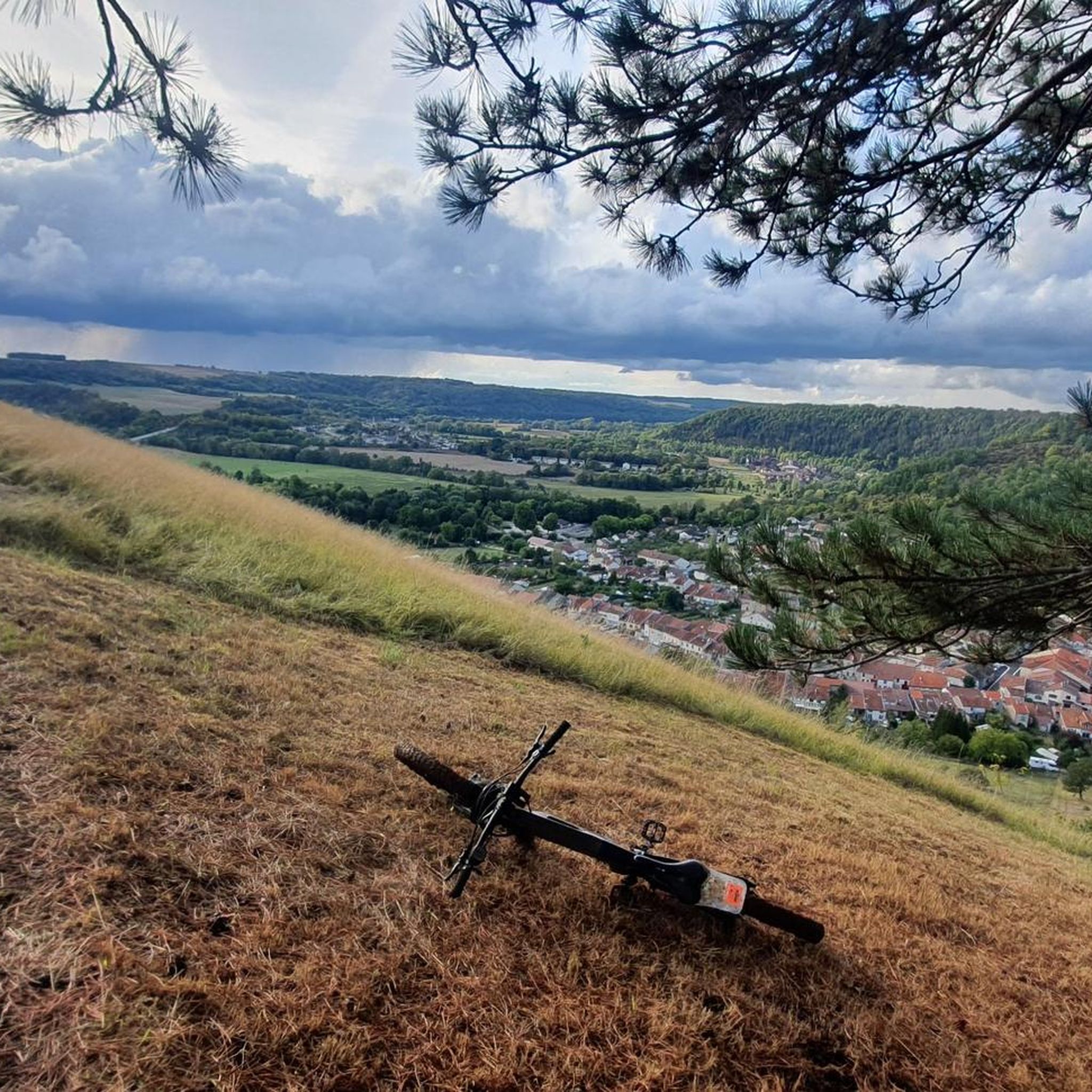
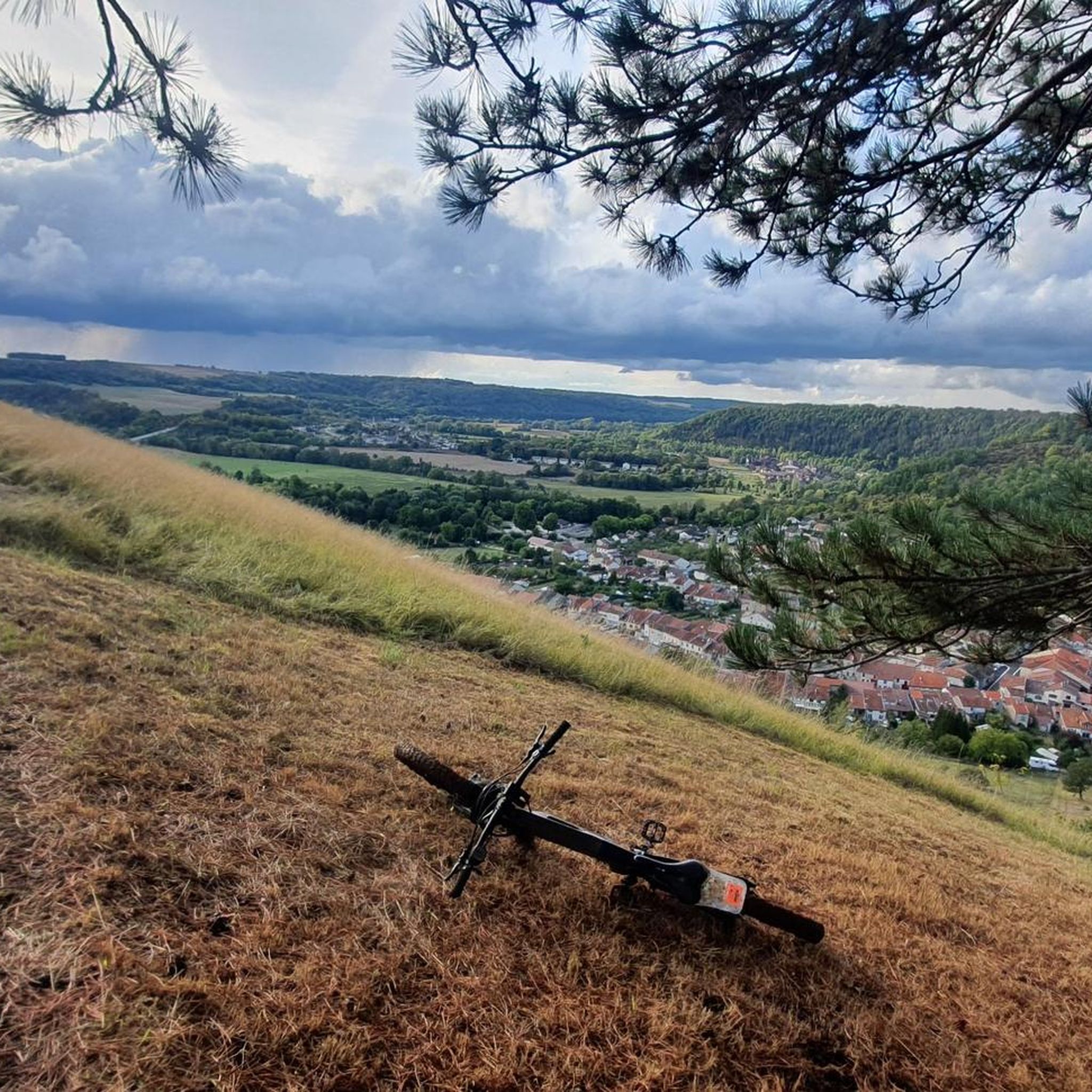
- Visitors also love Lacets de Mélaire., a climb with an average gradient of 6.5%. At the top, there is a picnic area and a view.
- Thonnance-Lès-Joinville is known for its canal paths, historic villages, and scenic climbs. The region offers a variety of attractions to see and explore, from natural landscapes to historical landmarks.
- The attractions around Thonnance-Lès-Joinville are appreciated by the komoot community, with 14 hidden gems to explore and 25 upvotes and 2 photos from visitors.
Last updated: May 11, 2026
The Champagne-Bourgogne Canal at Rachecourt
Highlight • Other
Translated by Google •
Tip by

Montier-sur-Saulx
Highlight • Other
With a few sights,
-Saint-Pierre-ès-Liens church, 1841
-Tower of the earlier castle, built in 1302
-Lahaye Chapel from the 15th century
-Saint-Nicaise chapel from 1900
-Saint-Sébastien chapel from 1632
- And of course the town hall.
Small nice village...😎
Translated by Google •
Tip by

Sign up now to discover places like this
Get recommendations on the best single tracks, peaks, & plenty of other exciting outdoor places.
Sign up for free
Commonwealth War Graves
Highlight • Historical Site
Today, the CWGC looks after the graves of 1.7 million Commonwealth forces in 2,500 cemeteries in more than 170 countries. The Commission has six member countries: the United Kingdom, Canada, Australia, New Zealand, India and South Africa.
The British Empire chose to bury its dead on the battlefields of the First World War close to where they had fallen, rather than repatriating them to their home countries as many politicians and grieving families had called for. While thousands of bodies had been buried in makeshift graves during the fighting, military units, first assisted by the Red Cross and later by official grave registrars, had worked to record the locations of temporary graves for future reburials. After the fighting, special burial detachments worked to recover the unburied dead for proper burial and to exhume the remains from temporary graves for proper reburial elsewhere. After the Armistice, the greatly expanded Imperial War Graves Commission carried out this task carefully, transporting the remains to newly established military cemeteries. The process involved tens of thousands of graves and took many years. It continues, on a smaller scale, as agricultural or construction work on the sites of former battlefields regularly leads to the exhumation of other human remains.
Translated by Google •
Tip by
Lacets de Mélaire.
Highlight • Other
At the top there is already a picnic area and a view.
Translated by Google •
Tip by
ENTRANCE BUILDING OF THE STUDIOS
Highlight • Other
Translated by Google •
Tip by
Sign up for free to discover even more attractions around Thonnance-Lès-Joinville.
Sign up for free
Already have an account?
Start today with a free account
Your next adventure awaits.
Login or Signup



Tips from the Community

The funniest thing is that if you give me a thumbs up or a thumbs down, it counts as one point. Instead of leaving a comment to explain what bothers him.
0
0

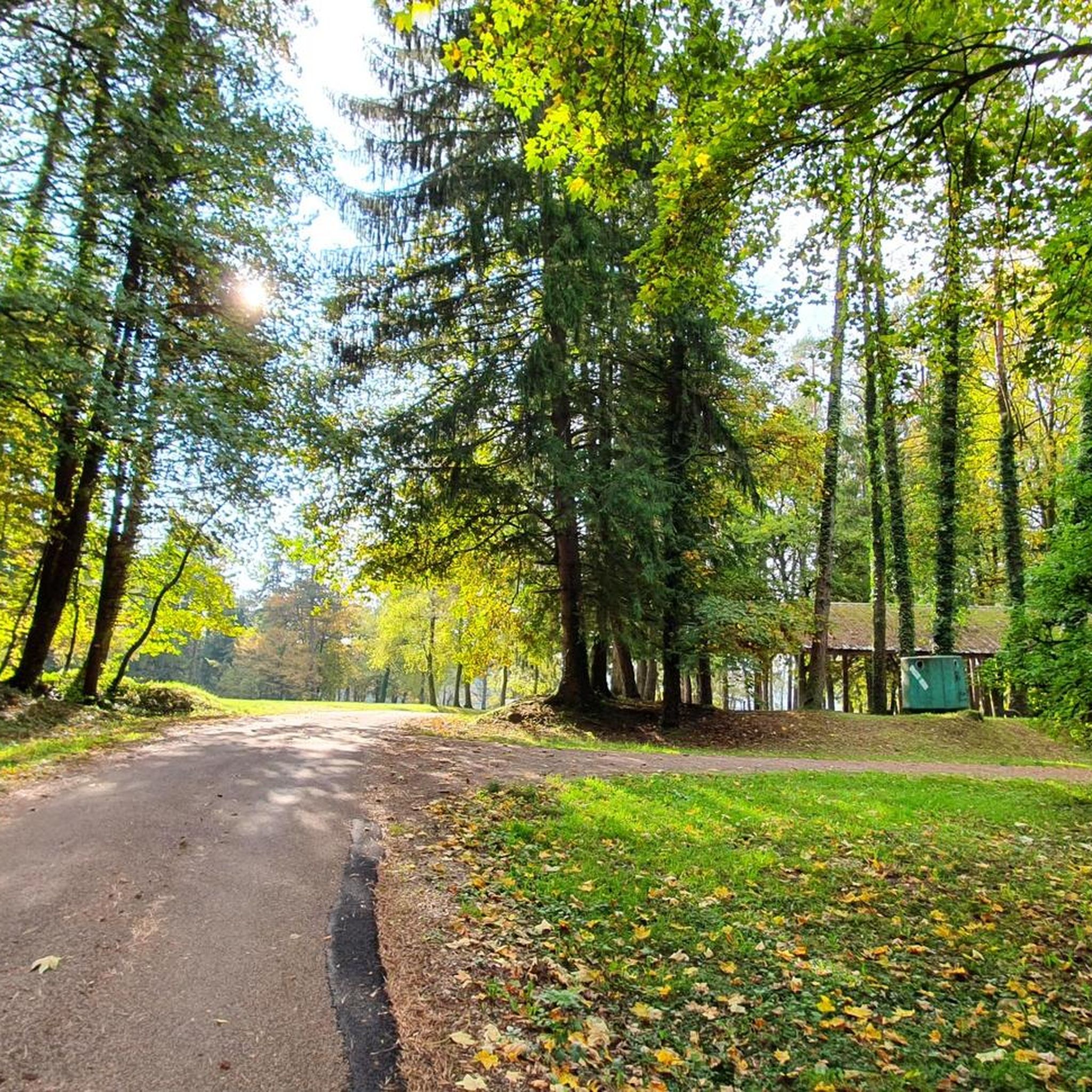
The path along the canal is well-developed and easy to cycle on, offering small highlights here and there.
1
0

I'd like to know why a fake hides behind his screen, but as soon as he gets negative, he should tell me what the problem is? Insincere attitudes. It's a shame that some people prefer to hide rather than express themselves openly.
3
0
I'd like to know why a fake hides behind his screen, but as soon as he gets negative, he should tell me what the problem is? Insincere attitudes. It's a shame that some people prefer to hide rather than express themselves openly.
2
0
I'd like to know why a fake hides behind his screen, but as soon as he gets negative, he should tell me what the problem is? Insincere attitudes. It's a shame that some people prefer to hide rather than express themselves openly.
4
1
The British government established the Imperial War Graves Commission in 1917 to look after the graves of the Empire’s soldiers who died overseas. This new organisation, which grew out of the British Empire’s Graves Registration Commission, established in 1915, was renamed the Commonwealth War Graves Commission (CWGC) in 1960. Today, the CWGC looks after the graves of 1.7 million Commonwealth forces in 2,500 cemeteries in more than 170 countries. The Commission has six member countries: the United Kingdom, Canada, Australia, New Zealand, India and South Africa. The British Empire chose to bury its dead on the battlefields of the First World War close to where they had fallen, rather than repatriating them to their home countries as many politicians and grieving families had called for. While thousands of bodies had been buried in makeshift graves during the fighting, military units, first assisted by the Red Cross and later by official grave registrars, had worked to record the locations of temporary graves for future reburials. After the fighting, special burial detachments worked to recover the unburied dead for proper burial and to exhume the remains from temporary graves for proper reburial elsewhere. After the Armistice, the greatly expanded Imperial War Graves Commission carried out this task carefully, transporting the remains to newly established military cemeteries. The process involved tens of thousands of graves and took many years. It continues, on a smaller scale, as agricultural or construction work on the sites of former battlefields regularly leads to the exhumation of other human remains.
3
0
Entrance Building to the Forge and Foundry Workshops (1516-1888)
4
1
Montiers-sur-Saulx is a French commune in the Meuse department in the Grand Est region. is located in the south of the Meuse department, about 27 kilometers south-southeast of Bar-le-Duc. With a few sights, -Saint-Pierre-ès-Liens church, 1841 -Tower of the earlier castle, built in 1302 -Lahaye Chapel from the 15th century -Saint-Nicaise chapel from 1900 -Saint-Sébastien chapel from 1632 - And of course the town hall. Small nice village...😎
5
1
Frequently Asked Questions
What natural attractions can I explore around Thonnance-lès-Joinville?
The region offers beautiful natural settings, including the tranquil Clairefontaine stream within Les Jardins de mon Moulin. You can also find forested areas like Le Petit Bois for leisurely strolls. For a unique experience, explore the well-developed path along The Champagne-Bourgogne Canal at Rachecourt, which is easy to cycle and offers small highlights along its route.
Are there any notable historical sites or landmarks in the area?
Yes, the area is rich in history. You can visit Montier-sur-Saulx, a French commune featuring the Saint-Pierre-ès-Liens church, a 14th-century castle tower, and various chapels. Nearby Joinville also boasts the historic 16th-century Renaissance Château du Grand Jardin, known for its French-style gardens. Additionally, you can find the Commonwealth War Graves, a significant historical site commemorating soldiers from the First World War.
What kind of outdoor activities are available near Thonnance-lès-Joinville?
The region is excellent for outdoor enthusiasts. You can enjoy running, road cycling, and gravel biking. There are numerous routes, such as the 'Joinville and its canals loop' for running, or the 'Pont-canal du Rongeant – La Marne loop' for road cycling. For gravel biking, consider 'The canals of Joinville – Lacets de Mélaire. loop'. You can find more details on these activities and routes in the dedicated guides for running, road cycling, and gravel biking around Thonnance-lès-Joinville.
Are there any unique gardens to visit in the region?
Absolutely. Les Jardins de mon Moulin, located directly in Thonnance-lès-Joinville, is a highly recommended attraction. It's known for its extensive collection of approximately 700 varieties of peonies, blooming from mid-May to mid-June, and features various thematic areas like a white garden, aquatic garden, and rose garden. The Château du Grand Jardin in nearby Joinville also boasts renowned French-style gardens.
What do visitors particularly enjoy about the attractions around Thonnance-lès-Joinville?
Visitors appreciate the mix of natural beauty and historical significance. Many enjoy the well-developed canal paths for cycling, the charm of historic villages like Montier-sur-Saulx, and scenic climbs such as Lacets de Mélaire., which offers a picnic area and a view at the top. The tranquil rural setting and the unique gardens are also frequently highlighted.
When is the best time to visit Thonnance-lès-Joinville?
The best time to visit depends on your interests. If you wish to see the extensive peony collection at Les Jardins de mon Moulin, plan your visit from mid-May to mid-June. The region's outdoor activities, such as cycling and walking, are generally pleasant during spring, summer, and early autumn when the weather is mild.
Are there any family-friendly attractions or activities?
While specific family-friendly categories are not listed, the well-developed canal paths, such as The Champagne-Bourgogne Canal at Rachecourt, are easy to cycle and suitable for families. Les Jardins de mon Moulin, with its swans and ducks on the Clairefontaine stream, can also be an enjoyable and relaxing experience for all ages.
What is the significance of the region's industrial past?
Historically, Thonnance-lès-Joinville had significant metallurgy and viticulture activities. While most structures are gone, a bocard (ore crushing mill) still remains visible on Rue du Bocard, serving as a last vestige of the area's industrial past. The region's history also includes the use of lavoirs (washhouses) and patouillets (ore washing facilities) on the Mont stream for cleaning ore.
Can I find any Roman remains or archaeological sites?
Archaeological findings suggest a Roman past for the village, with medals from the empire and an inscription discovered. This indicates that the village was once called 'Vélicitas'. While specific sites for public viewing are not detailed, the historical context adds another layer to the region's rich heritage.
Are there any cultural events or festivals held in the area?
Les Jardins de mon Moulin hosts thematic events throughout the year, such as a Gourd Festival in early October and a musical nocturne in mid-July. The Château du Grand Jardin in Joinville also hosts art exhibitions and music concerts, offering cultural experiences for visitors.
Where can I find a scenic viewpoint for photography or relaxation?
At the top of Lacets de Mélaire., a climb with an average gradient of 6.5%, there is a picnic area and a view, making it an ideal spot for relaxation and enjoying the scenery.
What is Le Moulin aux Ecrevisses?
Le Moulin aux Ecrevisses (The Crayfish Mill) in Thonnance-lès-Joinville is a site associated with the breeding of red-clawed crayfish, which are highly sought after by gourmets. It highlights a unique aspect of the local culinary and natural heritage.
Most popular routes around Thonnance-Lès-Joinville

Get inspired with the komoot mobile app


Explore more
Still not found the Highlight you’re looking for? See guides of the top attractions in other regions:
