Attractions and Places To See around Ploumilliau - Top 20
Best attractions and places to see around Ploumilliau include a blend of historical, cultural, and natural sites. This traditional town in Brittany's Côtes-d'Armor department offers diverse landscapes, from its coastline to river walks. Visitors can explore ancient churches, megalithic sites, and scenic viewpoints. The area provides opportunities to engage with local heritage and natural beauty.
Best attractions and places to see around Ploumilliau
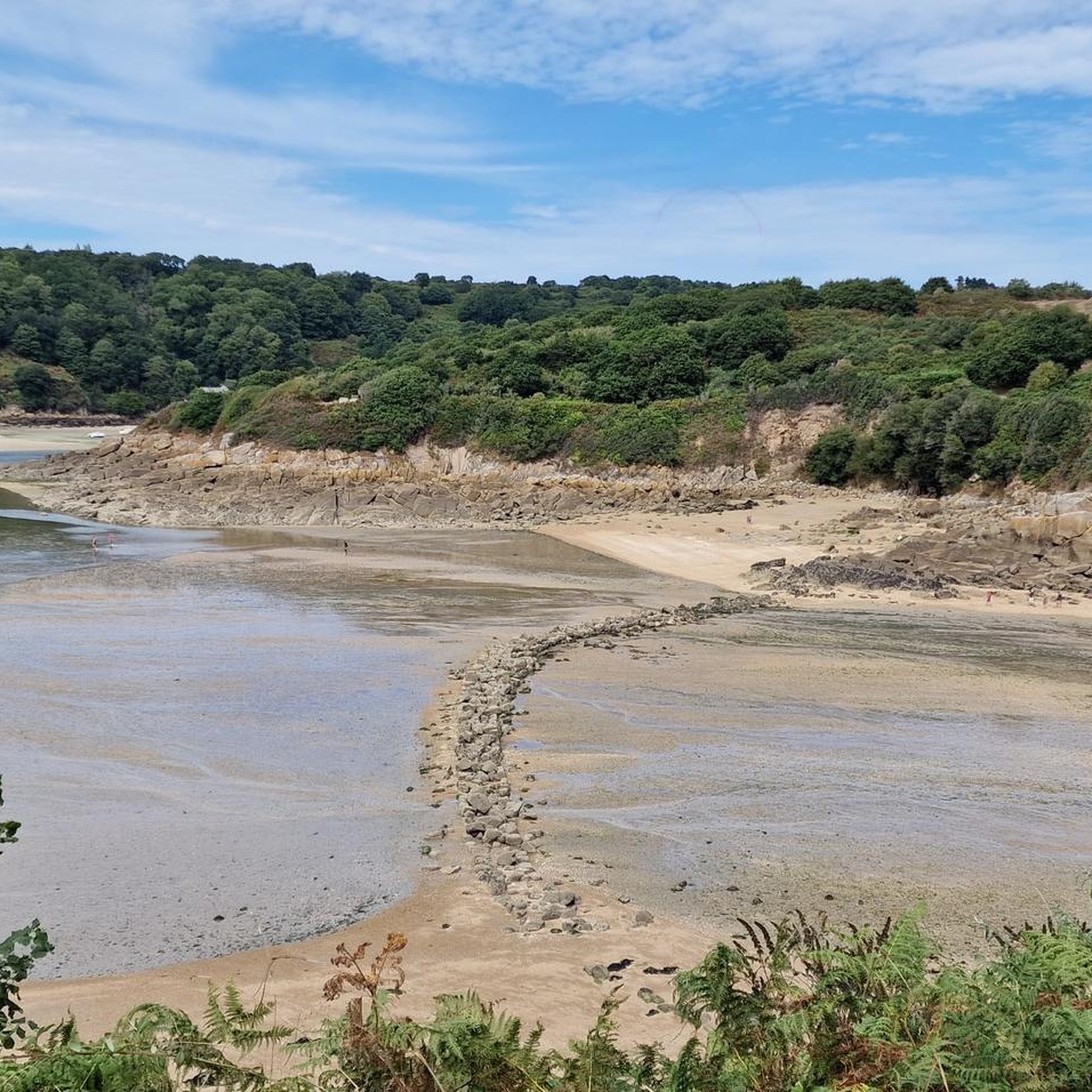
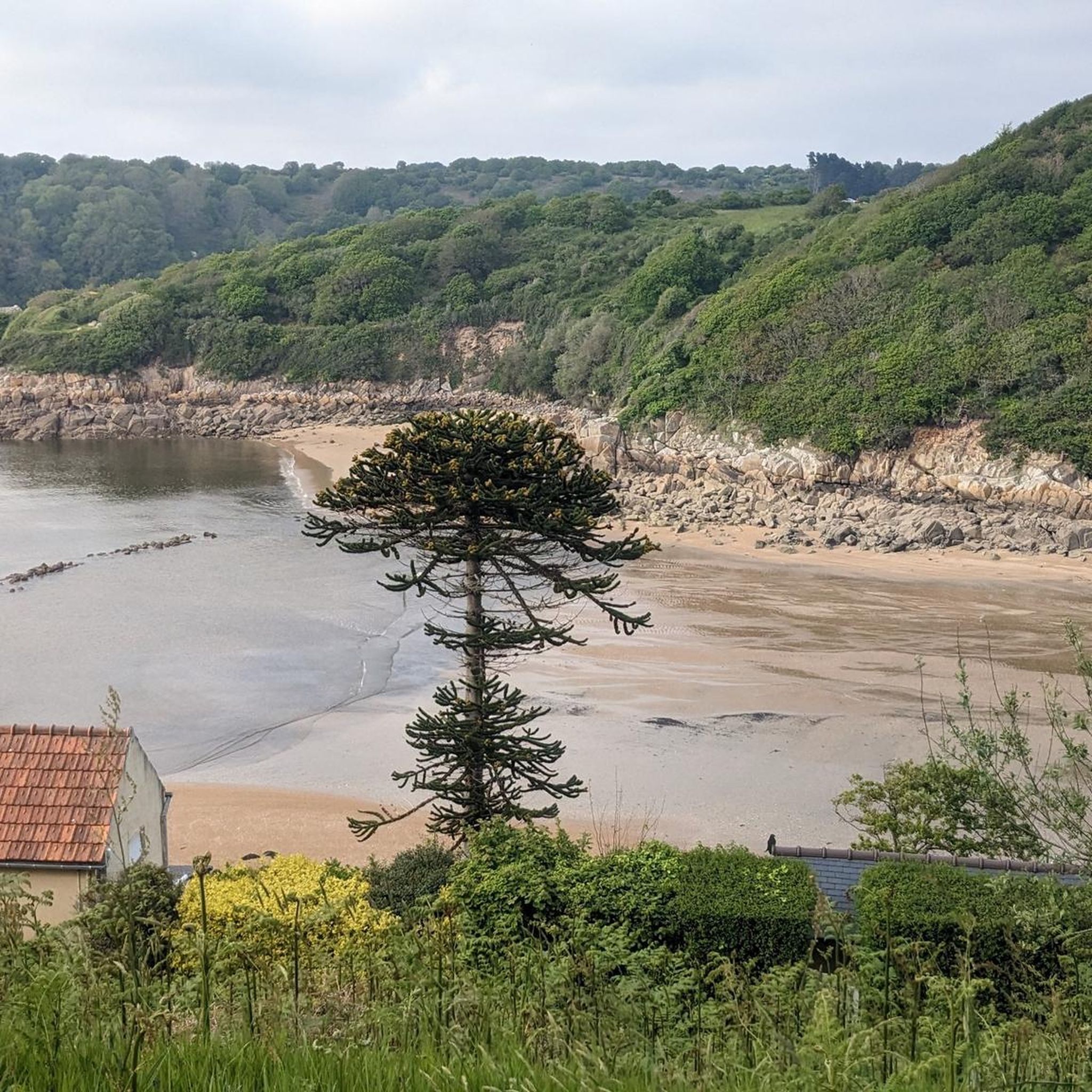
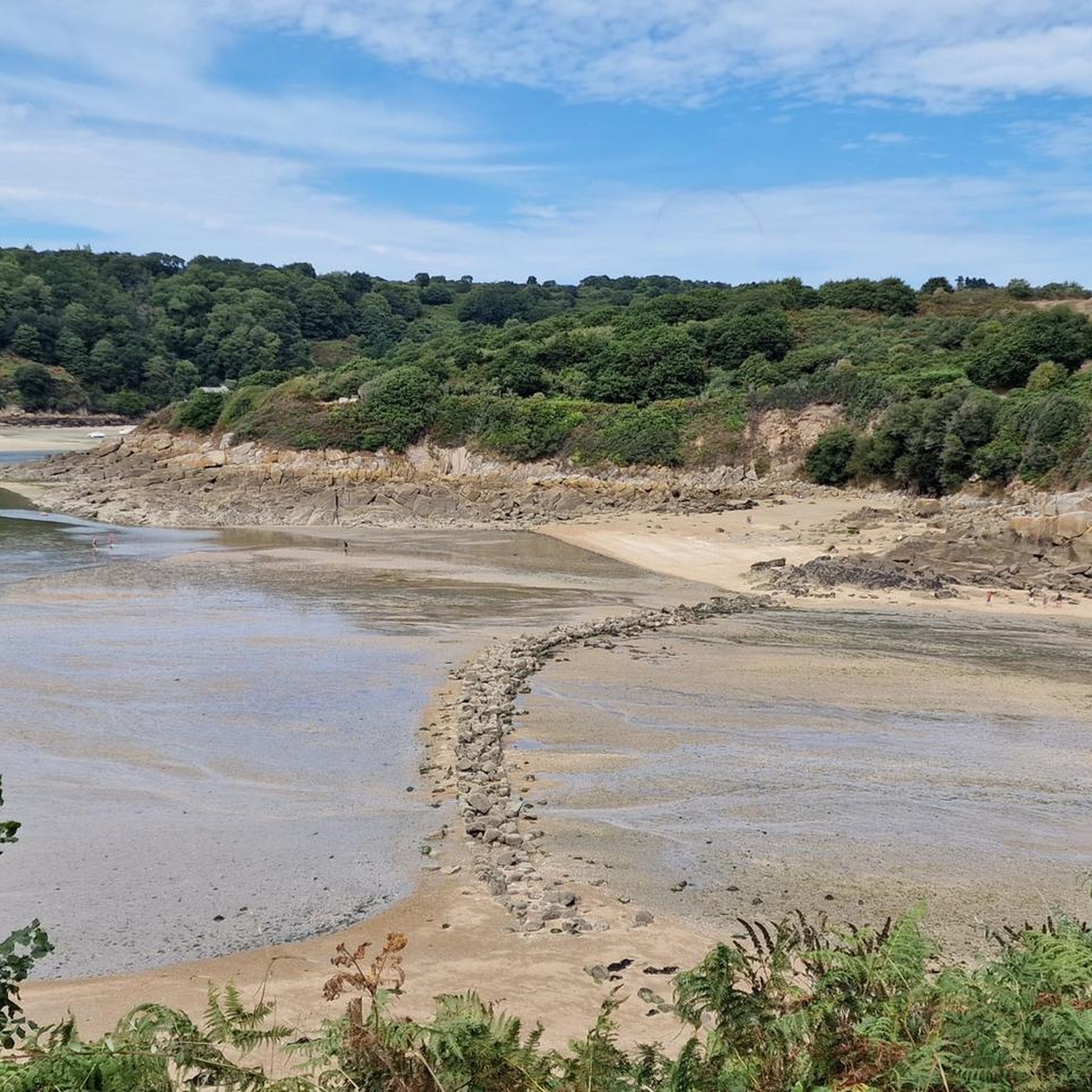
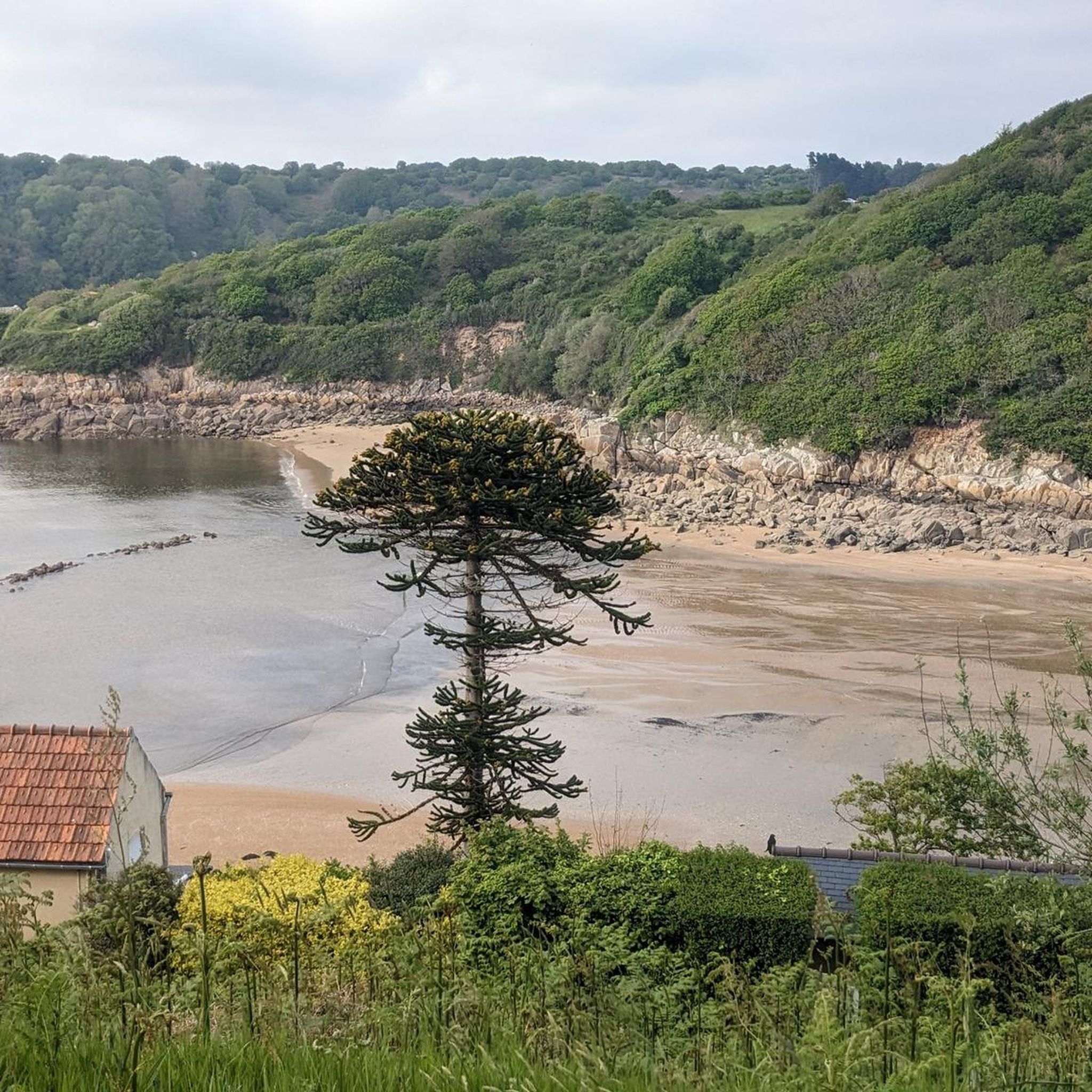
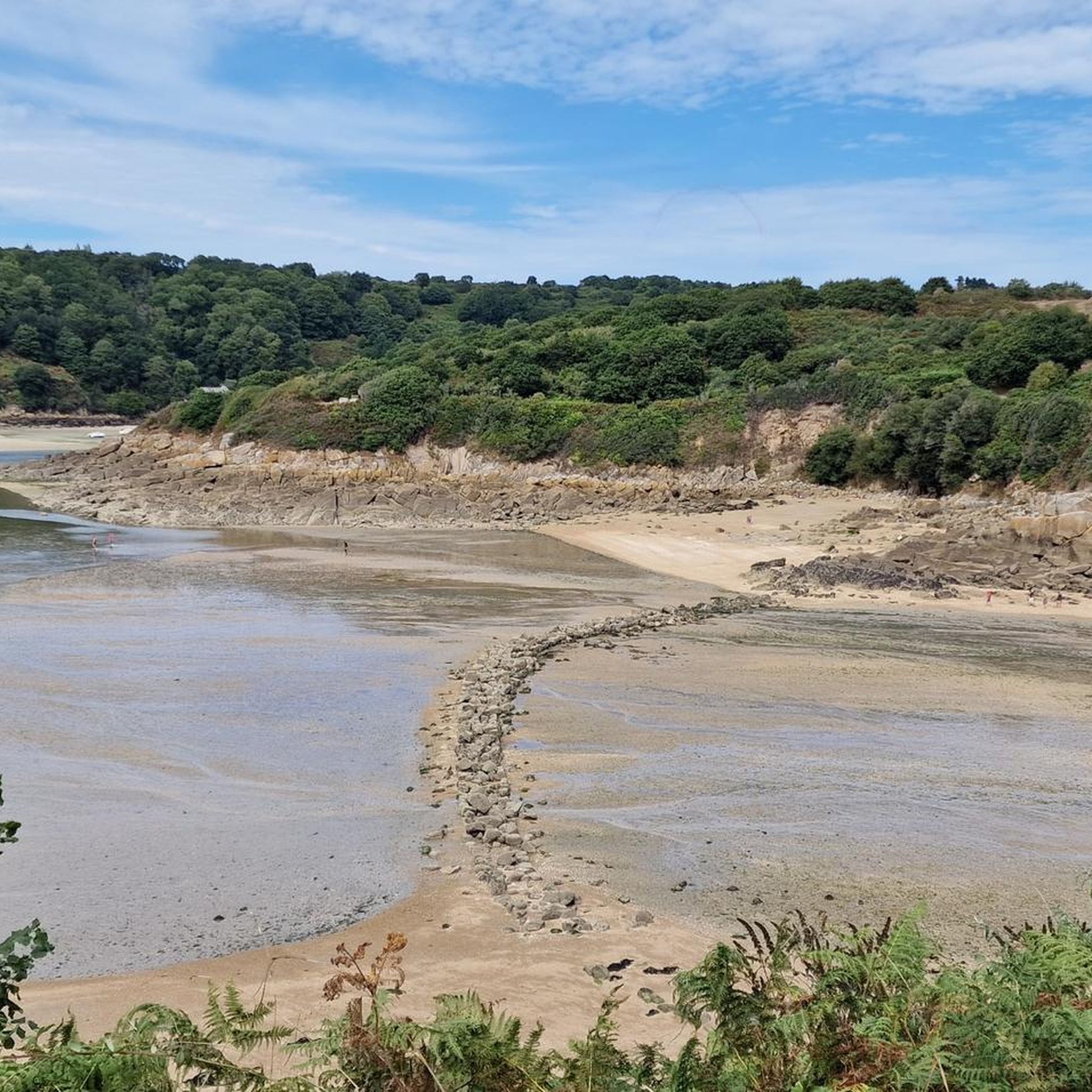
- The most popular attractions is Baie de Locquirec, a beach that offers views of the bay and campsite. This white sand beach is one of the longest in the region, with its appearance changing significantly between high and low tide.
- Another must-see spot is Lannion, a settlement rich in history with half-timbered and slate-clad houses. This town features historical buildings dating to the 16th century and offers panoramic views from the top of the Brélévenez stairs.
- Visitors also love Sainte-Barbe Chapel, a religious building dating from the 16th century. This chapel, restored in 1732, features a steeple from 1609 and has served various historical roles, including as a coastguard chapel.
- Ploumilliau is known for its historical sites, natural features, and beaches. The area offers a variety of attractions to see and explore, from ancient megaliths to scenic coastal views.
- The attractions around Ploumilliau are appreciated by the komoot community, with more than 270 upvotes and 70 photos.
Last updated: May 10, 2026
Saint-Uzec Menhir
Highlight • Historical Site
Translated by Google •
Tip by

Baie de Locquirec
Highlight • Beach
At high tide, you can admire the sand and the sea; at low tide the sea is so far away that you can barely see it, instead you can marvel at the stretch of sand with beached boats.
Translated by Google •
Tip by

Sign up now to discover places like this
Get recommendations on the best single tracks, peaks, & plenty of other exciting outdoor places.
Sign up for free
Lannion
Highlight • Settlement
Translated by Google •
Tip by
Kerguntuil Megaliths
Highlight • Historical Site
Here is the translation of the information panel:
The stone monuments of Kerguntuil are remains from the late Neolithic period (around 2000 BC). The passage grave, consisting of several stone slabs, and the dolmen are two very fine examples of megaliths (assemblies of large stones) erected in Western Europe during this period.
Did you know that these passages were rediscovered in the 1930s thanks to the dedication of local volunteers who excavated and restored the monument? It is very likely that our ancestors used these monuments as collective burial sites. Today, these remains bear witness to the architectural genius of these prehistoric people, but also to their worldview. Look at the engravings inside, on the pillars of the mound foundation burial: These pairs of raised protrusions, engraved in relief, are said to represent breasts and the Great Mother Goddess of the Neolithic period.
Translated by Google •
Tip by

Sainte-Barbe Chapel
Highlight • Religious Site
Translated by Google •
Tip by

Sign up for free to discover even more attractions around Ploumilliau.
Sign up for free
Already have an account?
Start today with a free account
Your next adventure awaits.
Login or Signup

Tips from the Community

The roof table measures 5.75 m long, 3.55 m wide and 0.75 m thick. The orthostat on the north side measures 2 m high, 1.50 m wide and 0.20 m thick. It continues to the west with a dry stone wall which does not appear to be original. The orthostat on the west side is slightly domed. It measures 2.55 m wide by 2.305 m high with a thickness between 0.40 m at the base and 0.30 m at the top. The southern orthostat is backed by the slope. It measures 2.50 m wide, 2.40 m high and 0.35 m thick. The internal chamber measures 5 m long by 3 m wide with a height under the slab of 2 m
1
0

If you pass by it's quite nice, but it's not worth making the extra trip!
0
1


A large, a really large stone slab as a cover – I was really astonished. Here is the translation of the information panel: The stone monuments of Kerguntuil are remains from the late Neolithic period (around 2000 BC). The passage grave, consisting of several stone slabs, and the dolmen are two very fine examples of megaliths (assemblies of large stones) erected in Western Europe during this period. Did you know that these passages were rediscovered in the 1930s thanks to the dedication of local volunteers who excavated and restored the monument? It is very likely that our ancestors used these monuments as collective burial sites. Today, these remains bear witness to the architectural genius of these prehistoric people, but also to their worldview. Look at the engravings inside, on the pillars of the mound foundation burial: These pairs of raised protrusions, engraved in relief, are said to represent breasts and the Great Mother Goddess of the Neolithic period.
1
0


From this spot you have a fantastic view of the bay and the campsite 🏕️ located directly on the bike path
2
0

The Chapelle Sainte-Barbe, near Plestin-Les-Grèves, has a historical charm that you can appreciate through its simple yet picturesque architecture, which has been a local landmark for centuries.
2
0

A huge stone from pre-Christian times decorated with Christian symbols.
0
0
Frequently Asked Questions
What historical sites can I explore in and around Ploumilliau?
Ploumilliau and its surroundings are rich in history. You can visit the historic Église Saint-Millian, a 16th-century church rebuilt in Renaissance style, featuring ancient statues and a baroque altarpiece. Another significant site is the Église de Keraudy, a Flamboyant Gothic church from the early 16th century. Don't miss the unique Saint-Uzec Menhir, a megalith Christianized in the 17th century with a sculpted cross, or the Kerguntuil Megaliths, which are impressive Neolithic burial sites. The town of Lannion also offers historical buildings and half-timbered houses.
Are there any notable natural features or viewpoints near Ploumilliau?
Yes, Ploumilliau offers several beautiful natural spots. The Baie de Locquirec is a stunning white sand beach offering fantastic views of the bay, with its appearance changing dramatically between high and low tide. You can also enjoy serene walks along the scenic Guindy River or visit the Pont-Roux Yaudet Beach for sun and sea. The nearby Côte de Granit Rose (Pink Granite Coast) is famous for its unique pink rock formations and beautiful beaches.
What kind of outdoor activities can I do near Ploumilliau's attractions?
The area around Ploumilliau is excellent for various outdoor activities. You can find numerous hiking possibilities, including trails along an old railway line and coastal paths. For more structured routes, explore options like the 'Bihit Point – View of Trébeurden loop' or the 'Locquémeau Cliffs – Beg ar Forn loop'. If you enjoy running, consider routes such as the 'Plage de Saint-Quiriou – Plage de Notigou loop'. Cyclists can find road cycling routes like the 'St Michel on strike loop'. You can find more details and routes on the Hiking around Ploumilliau, Running Trails around Ploumilliau, and Road Cycling Routes around Ploumilliau guide pages.
Are there family-friendly attractions in the Ploumilliau area?
Absolutely! Many attractions around Ploumilliau are suitable for families. The Baie de Locquirec beach is perfect for a day out by the sea. Exploring the historical town of Lannion with its charming streets and panoramic views can be an engaging experience. The Kerguntuil Megaliths offer an intriguing glimpse into prehistoric times, which can spark children's imaginations. Additionally, the Parc du Castel-Meur provides sprawling greenery for picnics, and the Jardins de Kerdalo are a botanical haven for all ages.
What are some unique cultural experiences or events in Ploumilliau?
To experience local culture, visit the weekly market held every Saturday morning in the church square, offering fresh produce and local delicacies. During July and August, you can participate in the Circuit des Chapelles, which allows visitors to discover 12 chapels or churches in the Canton of Plestin-Les-Grèves, often featuring art exhibitions and concerts. The Église de Keraudy and the Chapel Christ in Ploumilliau are part of this circuit.
Where can I find megalithic sites near Ploumilliau?
Ploumilliau is close to several fascinating megalithic sites. The Kerguntuil Megaliths in Trégastel are a must-see, featuring a large passage grave and a dolmen from the late Neolithic period, believed to be collective burial sites. You can also visit the unique Saint-Uzec Menhir in Pleumeur-Bodou, which was Christianized in the 17th century and features a distinctive sculpted and painted cross.
What is the best time to visit Ploumilliau for outdoor activities?
The summer months, particularly July and August, are ideal for visiting Ploumilliau, as many cultural events like the Circuit des Chapelles take place. The weather is generally pleasant for exploring natural features, beaches, and engaging in outdoor activities like hiking and cycling. However, the region's coastal climate can be enjoyed throughout the warmer seasons for various outdoor pursuits.
Are there any specific chapels or religious buildings worth visiting?
Yes, Ploumilliau and its vicinity boast several historically significant religious buildings. The Église Saint-Millian is a prominent 16th-century church with Renaissance architecture. The Église de Keraudy is another historically classified monument from the early 16th century. Don't miss the Sainte-Barbe Chapel, a 16th-century chapel with a steeple dating back to 1609, which has served various historical roles, including as a coastguard chapel. The Chapelle de Saint-Kado, restored in 1758, also features an 18th-century altarpiece.
What are some lesser-known or 'hidden gems' to discover in Ploumilliau?
Beyond the main attractions, explore the Fountain of Tronkolaine, featuring a statue inspired by a traditional Breton tale. Take a stroll through the Parc du Castel-Meur for its historical charm and vibrant blooms, or immerse yourself in the unique flora at Les Arbres du Monde au Huelgoat, offering a 'trip around the world' through its diverse plant collections. These spots provide a quieter, yet equally enriching, experience.
Can I find coastal walks or trails near Ploumilliau?
Yes, Ploumilliau's coastline offers excellent opportunities for coastal walks. The town boasts 1.5 km of coastline, including the beach at Pont-Roux, which is ideal for enjoying the sea. You can also explore sections of the famous Sentier des Douaniers (GR 34) nearby, offering stunning views of the Pink Granite Coast. The Baie de Locquirec is also a great starting point for walks along the shore, with the Eurovelo 4 passing just behind it.
What is there to see in the nearby town of Lannion?
Lannion is a charming town rich in history, located along the River Léguer. It features historical buildings dating to the 16th century, including many half-timbered and slate-clad houses. You can climb the Brélévenez stairs for panoramic views of the town and surrounding area. Lannion also hosts cultural events, such as Breton dance evenings during the summer.
Most popular routes around Ploumilliau
Most popular attractions around Ploumilliau

Get inspired with the komoot mobile app


Explore more
Still not found the Highlight you’re looking for? See guides of the top attractions in other regions:
