Attractions and Places To See around Puygiron - Top 20
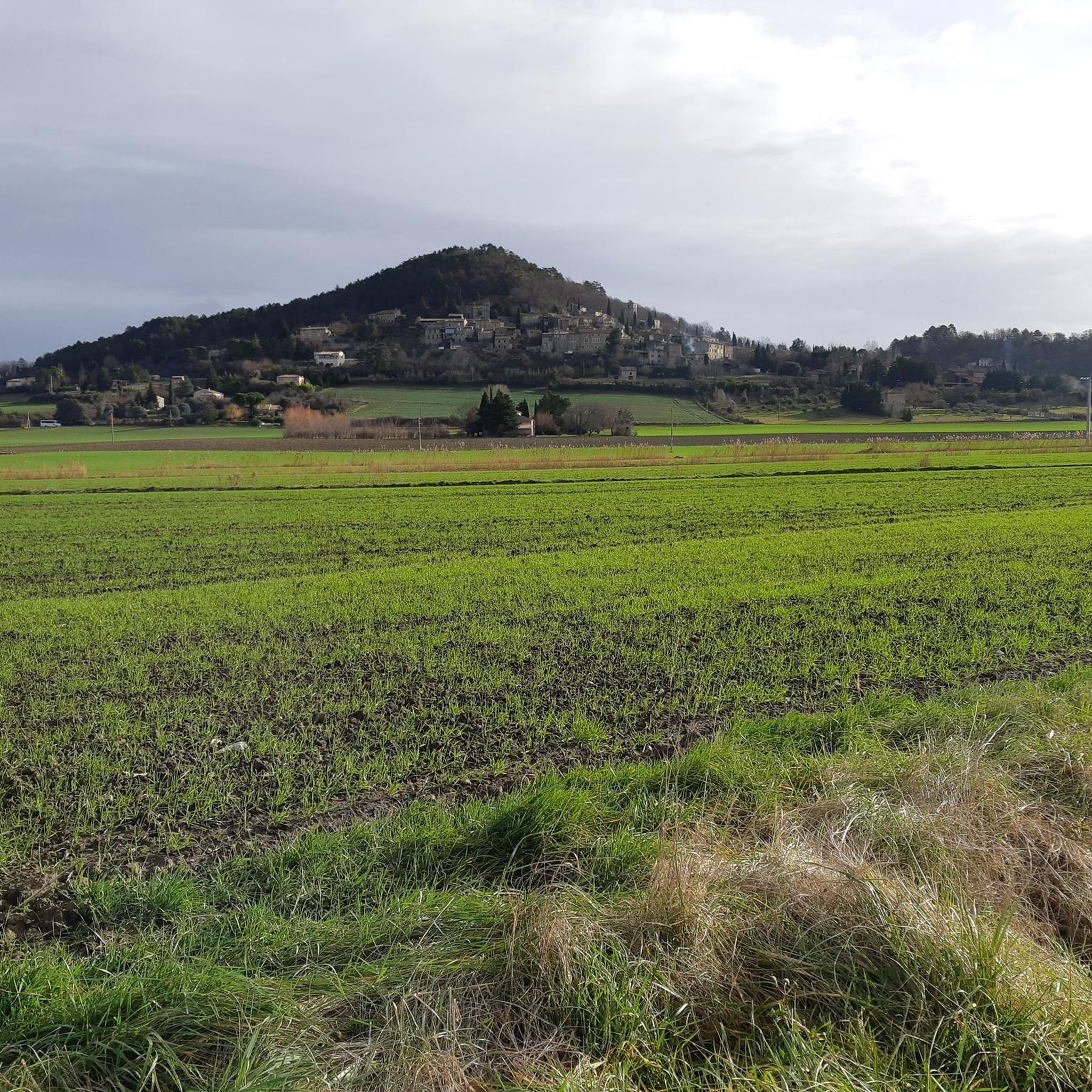
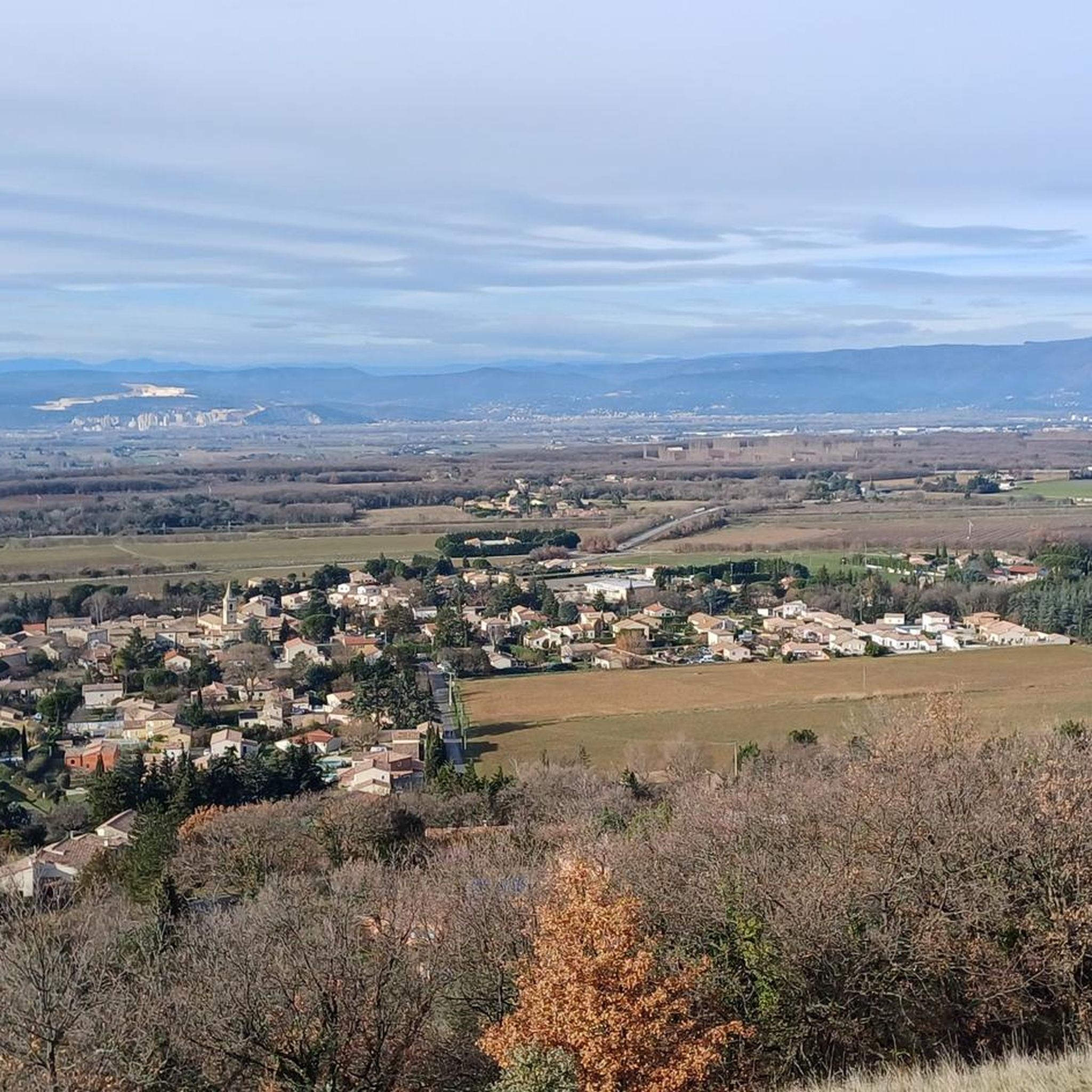
Attractions and places to see around Puygiron include a blend of historical landmarks, natural beauty, and cultural points of interest. This peaceful hilltop village in the Drôme Provençale region offers expansive views across the Valdaine plain, stretching from the Ardèche to the Pre-Alps and the Rhône Valley. Visitors can explore charming streets, ancient structures, and scenic viewpoints. The area provides opportunities to discover the region's heritage and natural landscape.
Best attractions and places to see around Puygiron
- The most popular attractions is Aleyrac Priory, a religious building and historical site where only the ruins of the Notre-Dame church remain. Its facade is almost intact, allowing visitors to recognize its original organization.
- Another must-see spot is Rochefort-en-Valdaine Castle and Saint-Blaise Chapel, a fortified castle and religious building with a keep and enclosure dating from the 12th century. From its ruins, visitors can enjoy views of the Rhône valleys.
- Visitors also love Adhémar Castle, a castle that is a significant landmark in the Drôme region. This medieval structure, originally built in the 11th century, offers insight into the region's history.
- Puygiron is known for its historical sites, natural viewpoints, and cultural points of interest. The area offers a variety of attractions to see and explore, from ancient castles to panoramic vistas.
- The attractions around Puygiron are appreciated by the komoot community, with 19 upvotes and 8 photos shared by visitors.
Last updated: July 2, 2026
Adhémar Castle
Highlight • Castle
Translated by Google •
Tip by

Château Loubet
Highlight • Castle
Info from:
de.m.wikipedia.org/wiki/La_B%C3%A9gude-de-Mazenc
Translated by Google •
Tip by

Sign up now to discover places like this
Get recommendations on the best single tracks, peaks, & plenty of other exciting outdoor places.
Sign up for free
Rochefort-en-Valdaine Castle and Saint-Blaise Chapel
Highlight • Castle
Translated by Google •
Tip by

Porte Saint-Martin
Highlight • Other
Its robust medieval architecture invites you to take a stroll through the old town.
From here, you can explore charming alleyways and historic houses.
The view of the gate and the old city walls offers particularly photo opportunities.
Translated by Google •
Tip by

Montélimar
Highlight • Other
Translated by Google •
Tip by
Sign up for free to discover even more attractions around Puygiron.
Sign up for free
Already have an account?
Start today with a free account
Your next adventure awaits.
Login or Signup

Tips from the Community

only 750 m
0
0

Montélimar, picturesquely situated on the Rhône Valley, is famous as the capital of nougat. The town grew in the Middle Ages around a 12th-century castle, which still dominates the cityscape today. Stroll through the charming old town with its arcades and cafés. A visit to the nougat factories offers sweet insights into this regional specialty. Culture, history, and culinary delights make Montélimar a worthwhile stopover in the South of France.
0
0
The Château des Adhémar in Montélimar is a stunning example of medieval architecture and a significant landmark in the Drôme region. Originally built in the 11th century by the Counts of Toulouse, it was expanded into a magnificent palace by the Adhémar family in the 12th century. Over the centuries, it has served as a fortress, citadel, and prison. Today, it is a publicly accessible monument historique and offers a fascinating insight into the region's history. Visitors can admire the well-preserved Romanesque architectural features and enjoy the breathtaking views from the battlements.
0
0
The Saint-Martin Gate in Montélimar is an impressive 14th-century relic that was once part of the city's fortifications. Its robust medieval architecture invites you to take a stroll through the old town. From here, you can explore charming alleyways and historic houses. The view of the gate and the old city walls offers particularly photo opportunities.
0
0

nice little walk visiting the town center of Montelimar with a stop at the restaurant Le Troquet next to the post office
0
0

The Porte Saint-Martin in Montélimar is a historic monument built between 1762 and 1763 according to plans by Mr. Paulmier de la Tour. It is the last vestige of the old city gates, at the time when Montélimar was still surrounded by ramparts.
0
1

City gate at the entrance to nice old town
0
1

This castle (private property) founded in the 14ᵉ century retains very few vestiges of this period. It was refurbished in the 17ᵉ century, with a south facade made in the 19ᵉ century in a neo-medieval style. Its current quadrangular plan is confined to the corners of four circular turrets; its four wings overlook an interior courtyard accessible from the east. The agricultural outbuilding (farm) which was attached to it and adjoining to the northeast, probably in the 19ᵉ century, adopts a U-shaped plan. It has an interior courtyard and includes a stable wing.
2
0
Frequently Asked Questions
What historical sites can I explore in and around Puygiron?
Puygiron is rich in history. Within the village, you can admire the 12th-century Puygiron Château, a private property with Renaissance restorations, and the 12th-century Chapel of Saint-Bonnet, often surrounded by lavender fields. Nearby, you can visit the ruins of Aleyrac Priory, where the facade of the Notre-Dame church remains largely intact. Further afield, explore Rochefort-en-Valdaine Castle and Saint-Blaise Chapel, a fortified castle with 12th-century origins offering beautiful views, and Adhémar Castle in Montélimar, a significant medieval landmark.
Where can I find the best panoramic views in Puygiron?
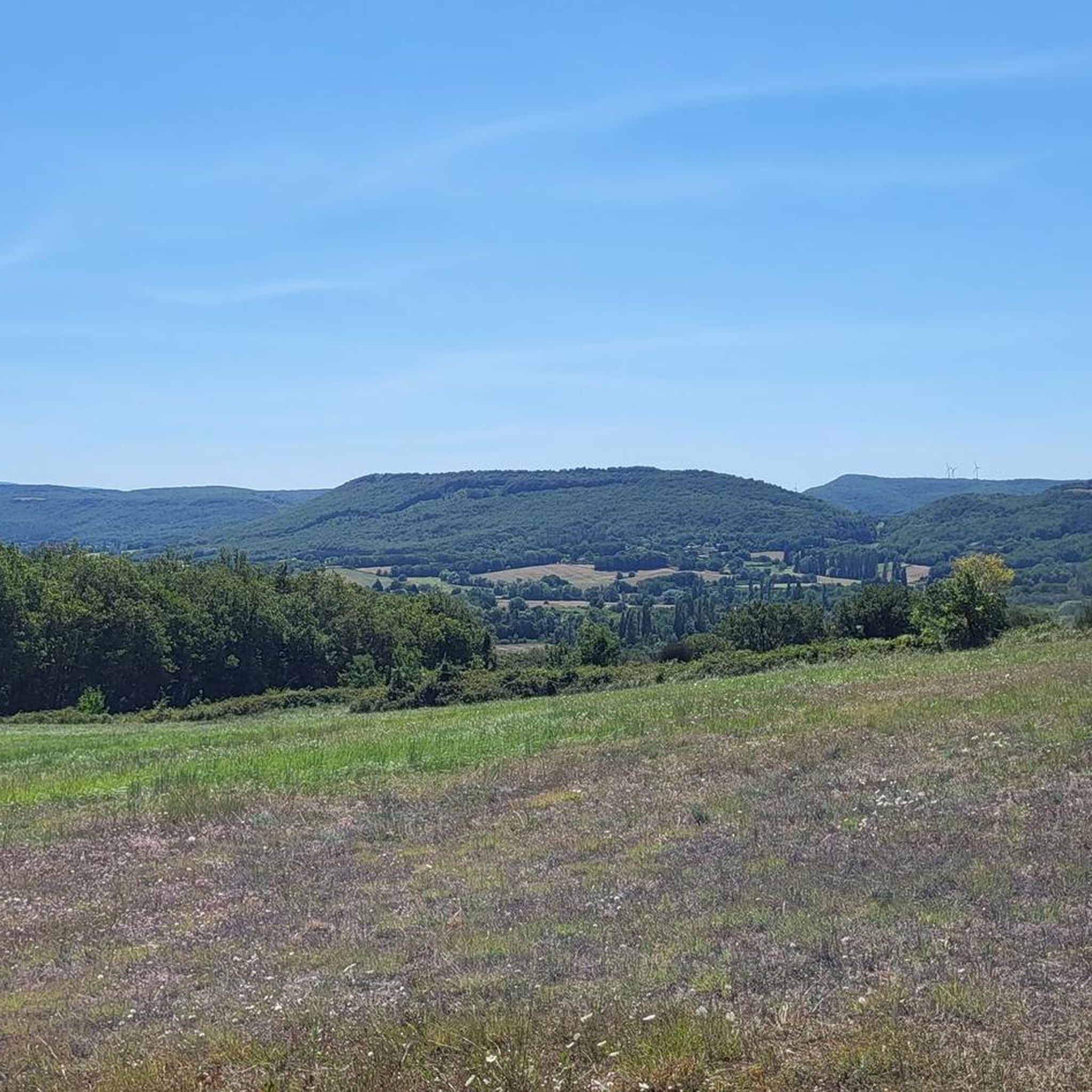
Puygiron is renowned for its panoramic views. From various points, especially the "Chemin de Ronde" (a path around the top of the village), you can enjoy vistas across the Valdaine plain, the Rhône Valley, the Drôme mountains, and even as far as the Ardèche and Pre-Alps. The ruins of Rochefort-en-Valdaine Castle also offer very beautiful views of the Rhône valleys.
Are there opportunities for cycling around Puygiron?
Yes, Puygiron is an excellent base for cycling. You can find various routes for different types of cycling. For touring bicycles, consider routes like "On the banks of the Jabron – Bridge over the Roubion loop from La Bâtie-Rolland" or "La Chapelle de Daurelle loop from Puygiron." Mountain bikers can explore trails such as "Lavender trail – The Day After the Party loop from Puygiron." For more options, check out the Cycling around Puygiron, MTB Trails around Puygiron, and Gravel biking around Puygiron guides.
What natural features can I discover in the Puygiron area?
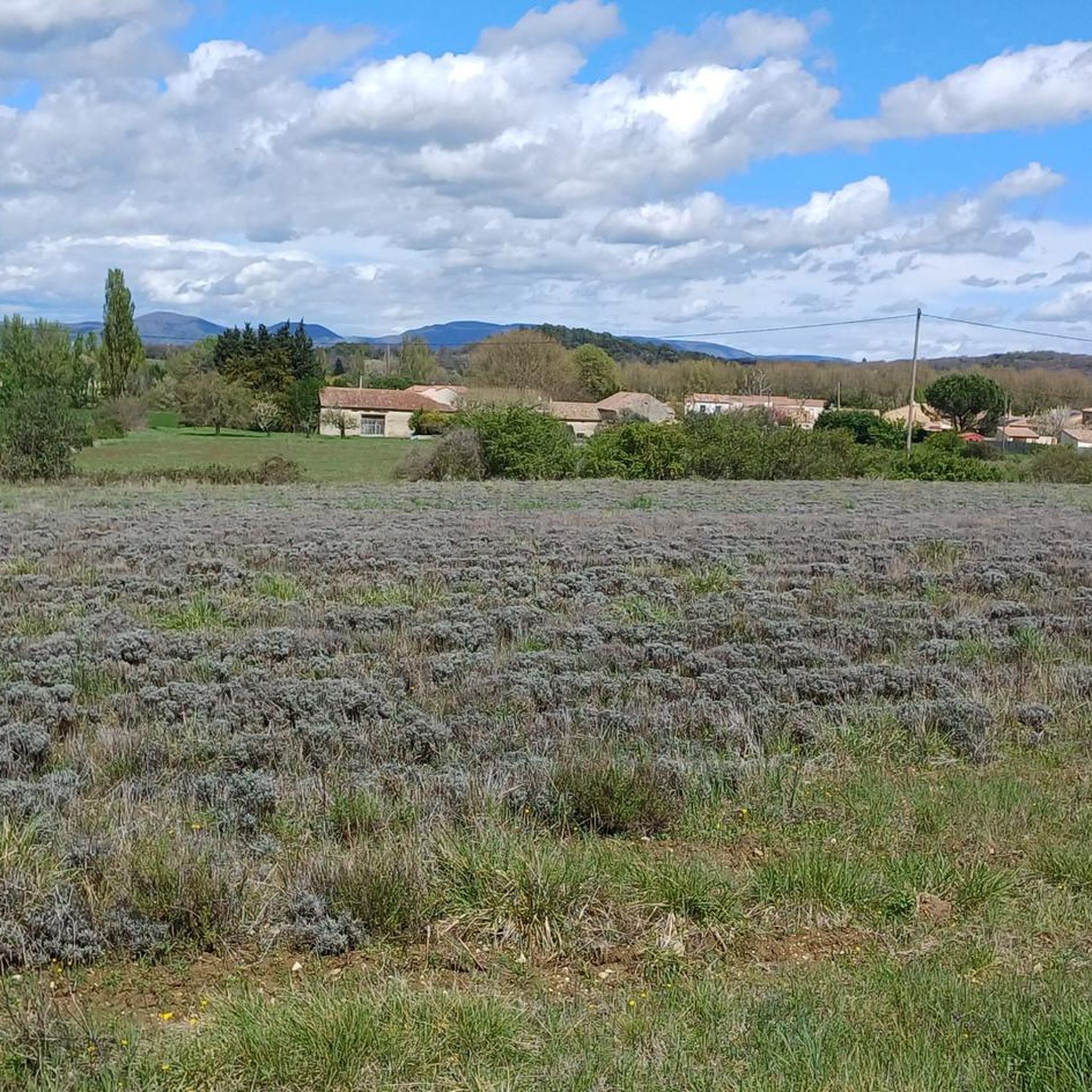
Beyond its stunning panoramic views, Puygiron features a notable 300-year-old White Mulberry Tree located in front of the Château on the Place du Château, providing substantial shade. The village also boasts a Botanical Garden, offering a serene space to explore local flora. The surrounding Drôme Provençale region is characterized by its natural beauty, including lavender fields, especially around the Chapel of Saint-Bonnet.
What cultural points of interest does Puygiron offer?
Puygiron offers several cultural points of interest. The village itself, with its charming streets and stone houses, provides a glimpse into traditional Provençal architecture. You can also visit the Village Church, dating from the 19th century. The Organdi Café serves as an art gallery, exhibition space, and cultural center, recommended by community members for its vibrant atmosphere.
Is Puygiron suitable for family activities?
Puygiron, with its peaceful village setting and natural surroundings, offers a relaxed environment for families. Exploring the charming streets, visiting the Botanical Garden, and enjoying the panoramic views can be pleasant activities. The area also provides easy walking trails suitable for families, allowing for gentle exploration of the local nature.
What is the best time to visit Puygiron, especially for its natural beauty?
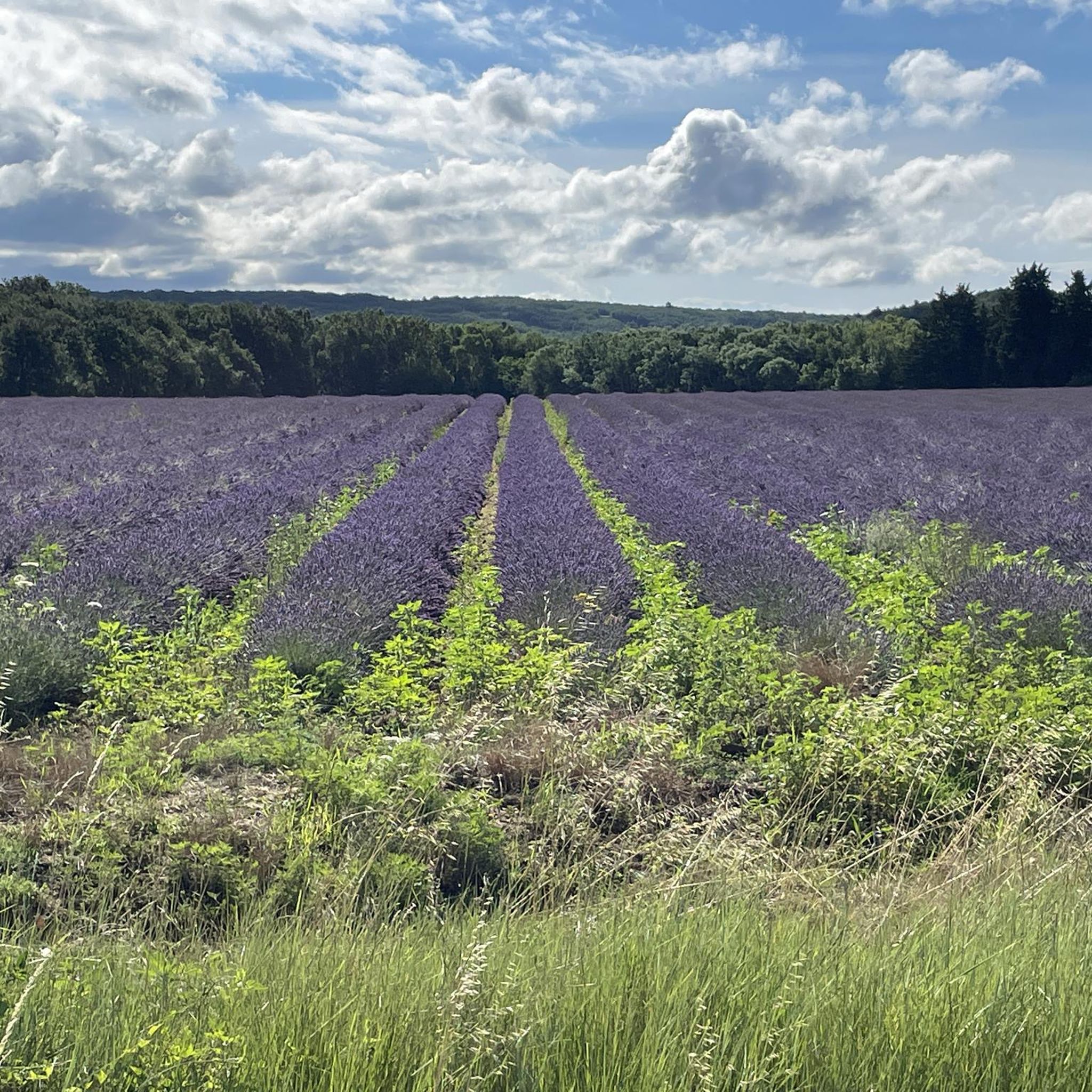
The best time to visit Puygiron to experience its natural beauty, particularly the lavender fields, is typically in late spring to early summer (June and July) when the lavender is in bloom. The pleasant weather during these months also makes it ideal for exploring the village, enjoying the panoramic views, and engaging in outdoor activities like hiking and cycling.
Are there any notable landmarks in Montélimar near Puygiron?
Yes, Montélimar, a short distance from Puygiron, features several significant landmarks. The most prominent is Adhémar Castle, an 11th-century medieval structure offering insights into the region's history. Another historical site is the 14th-century Porte Saint-Martin, an impressive relic of the city's old fortifications, perfect for a stroll through the historic center.
What do visitors enjoy most about the attractions around Puygiron?
Visitors particularly enjoy the blend of historical significance and natural beauty. The well-preserved architecture of sites like Rochefort-en-Valdaine Castle and the intact facade of Aleyrac Priory are highly appreciated. Many also highlight the breathtaking panoramic views from various points, especially those overlooking the Rhône valleys, and the peaceful atmosphere of the Drôme Provençale region.
Are there any easy walking trails near Puygiron?
Puygiron and its surroundings offer various walking opportunities. While specific easy walking trails are not detailed in the provided data, the village itself with its charming streets and the path around the top of the village ("Chemin de Ronde") provide gentle strolls. The general area is suitable for hiking, and you can find routes of varying difficulties in the nearby komoot guides for Cycling, MTB, and Gravel biking, which often include sections suitable for walking.
Can I find cafes or restaurants in Puygiron?
While the data doesn't list a wide array of cafes or restaurants directly within Puygiron, the Organdi Café serves as a cultural hub and is recommended by community members. For more dining options, you might explore nearby villages or the larger town of Montélimar, which offers a broader selection of eateries.
What is the significance of the Puygiron Château?
The Puygiron Château is a significant historical landmark dating back to the 12th and 13th centuries. Originally a fortified castle, parts of it were restored during the Renaissance. After Richelieu dismantled many fortified castles, it was transformed into a pleasure residence. It was classified as a historical monument in 1957 and, though private, its architecture, including a Renaissance hexagonal tower with an ogival door, can be admired.
Most popular routes around Puygiron

Get inspired with the komoot mobile app


Explore more
Still not found the Highlight you’re looking for? See guides of the top attractions in other regions:
