Top 5 Castles around Salettes
Castles around Salettes offer a glimpse into the region's rich history, set amidst diverse landscapes. The area features medieval keeps, fortified castles, and historic estates, often providing panoramic views of valleys and surrounding massifs. These sites are typically found in picturesque settings, from hilltop villages to areas overlooking the Rhône and Jabron valleys. The architecture spans centuries, reflecting various periods of construction and renovation.
Best castles around Salettes
- The most popular castles is Le Poët-Laval, a historical site that is a magnificent village nestled between the Vercors and Baronnies massifs. Dominated by an imposing medieval keep, it offers an exceptional panorama over the Jabron valley.
- Another must-see spot is Rochefort-en-Valdaine Castle and Saint-Blaise Chapel, a castle and historical site. This fortified castle features a 12th-century keep and enclosure, with the Saint-Blaise chapel also part of the site, offering views of the Rhône valleys.
- Visitors also love Marsanne Castle - Viewpoint, a castle site. This location provides a beautiful view of Montélimar and the village of Marsanne below.
- Salettes is known for its variety of medieval keeps, fortified castles, and historic estates. These sites offer a range of experiences, from exploring ancient ruins to admiring well-preserved structures.
- The castles around Salettes are appreciated by the komoot community. With more than 100 upvotes and over 80 photos, these historical sites are popular destinations for exploration.
Last updated: June 17, 2026
Le Poët-Laval
Highlight • Historical Site
Translated by Google •
Tip by

Château Loubet
Highlight • Castle
Info from:
de.m.wikipedia.org/wiki/La_B%C3%A9gude-de-Mazenc
Translated by Google •
Tip by

Sign up now to discover places like this
Get recommendations on the best single tracks, peaks, & plenty of other exciting outdoor places.
Sign up for free
Rochefort-en-Valdaine Castle and Saint-Blaise Chapel
Highlight • Castle
Translated by Google •
Tip by

Marsanne Castle - Viewpoint
Highlight • Castle
Translated by Google •
Tip by

Start today with a free account
Your next adventure awaits.
Login or Signup

Tips from the Community

only 750 m
0
0


A small, medieval village that immediately captivates you with its romantic and picturesque atmosphere. A visit is highly recommended.
0
0

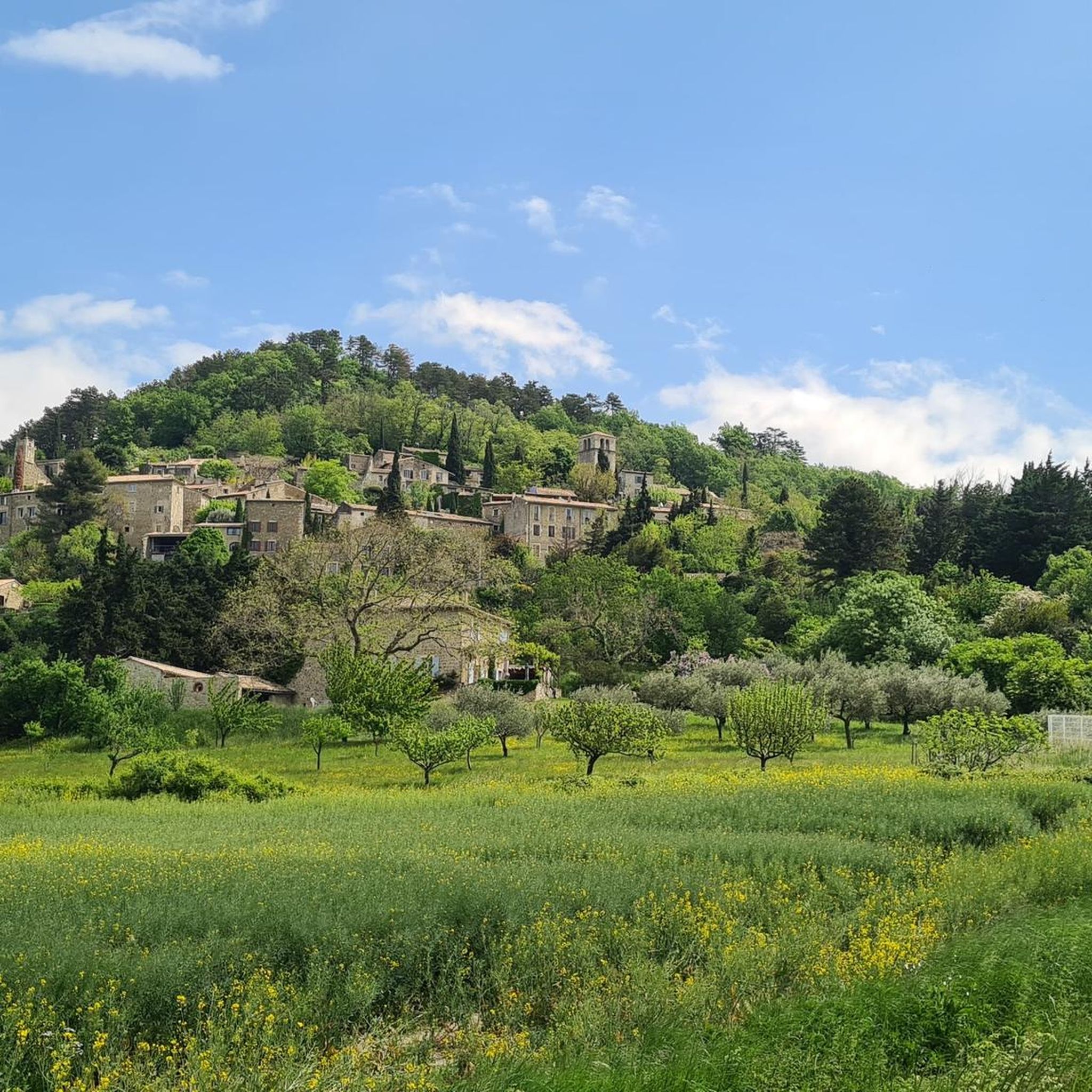
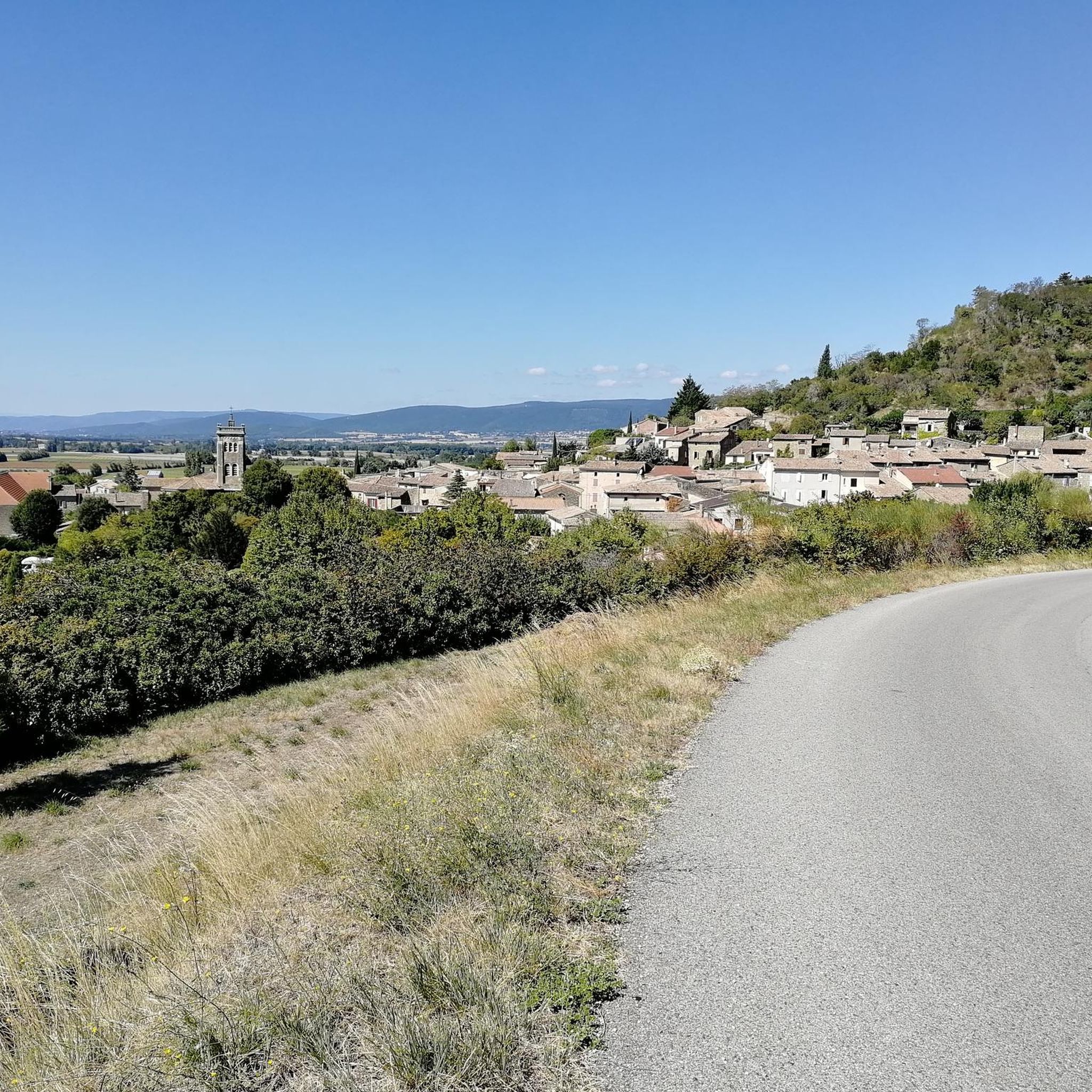
Perched on a hill overlooking the Jabron valley, this village, listed among the most beautiful villages in France, can be seen from afar from the road from Dieulefit to Montélimar. To get there, you will have to climb a small, very steep road on both sides, whether you come from the east or the west. In the 12th century, the order of the Hospitallers of Saint John of Jerusalem (which later became the Order of Malta) decided to establish a commandery on this hill and built a castle and its keep at the top of the village. In this era of crusades, the place served as a stopover and refuge for pilgrims heading to the Holy Land. Like any medieval village, its history is rich and the imprint of wars is very present. Marked by significant damage during the wars of religion, the village was gradually abandoned by the commanders who settled in Montélimar. This departure marked the decline of the site, which eventually transformed into a ghost village. It was from the 1920s that its rehabilitation began, and the restoration of the buildings brought a second life to this village which has managed to retain its former appearance. One of the buildings houses a museum of Dauphiné Protestantism, which has left a lasting mark on the region's history.
0
0

The village of Poët-Laval is a charming town known for its medieval history, its picturesque streets and its peaceful atmosphere. It provides a picturesque setting for visitors with its old stone houses and surrounding natural landscapes.
1
0

This castle (private property) founded in the 14ᵉ century retains very few vestiges of this period. It was refurbished in the 17ᵉ century, with a south facade made in the 19ᵉ century in a neo-medieval style. Its current quadrangular plan is confined to the corners of four circular turrets; its four wings overlook an interior courtyard accessible from the east. The agricultural outbuilding (farm) which was attached to it and adjoining to the northeast, probably in the 19ᵉ century, adopts a U-shaped plan. It has an interior courtyard and includes a stable wing.
2
0
Le Poët-Laval is ranked among the most beautiful villages in France. There is a museum of Protestantism.
1
0

Le Poët-Laval is a French municipality with 966 inhabitants. The residents are called Poët-Lavaliens or Poët-Lavalliennes. In September 2010, the village was awarded the distinction „Les plus beaux villages de France“ (The most beautiful villages in France). Villagescape: - The medieval Château des Hospitaliers of the Comtes de Poitiers, towering over the village. - Dating from the Romanesque period is the semi-ruined chapel Saint-Jean-des-Commandeurs with the tower rising above the semi-circular apse. The first structure was presumably built at the beginning of the 13th century, at the same time as the Château des Hospitaliers. It was heavily damaged during the Wars of Religion and rebuilt at the end of the 17th century. After the construction of the new church in the lower village, it lost its function in 1895; in the 1930s, the nave and sacristy collapsed. - The keep, whose facade is punctuated by Gothic pointed arch windows. - The Commanderie (Salon des Commandeurs) of the knighthood, flanked by towers, was built in the 15th century. Its facade is adorned with Gothic crosses – the eight-pointed white cross of the Knights of Malta symbolizes the eight beatitudes of the Sermon on the Mount.
1
0
Frequently Asked Questions
What are some of the most popular castles to visit around Salettes?
The region offers several notable castles. Among the most popular are Le Poët-Laval, a magnificent village with an imposing medieval keep offering exceptional panoramas, and Rochefort-en-Valdaine Castle and Saint-Blaise Chapel, a fortified castle with a 12th-century keep and beautiful views of the Rhône valleys. Visitors also appreciate Marsanne Castle - Viewpoint for its scenic outlook over Montélimar.
What kind of historical significance do the castles around Salettes hold?
The castles in this area reflect centuries of history. For instance, Le Poët-Laval is a former commanderie of the Hospitallers, with structures dating back to the 13th century. Rochefort-en-Valdaine Castle features a 12th-century keep. Further afield, the original Château de Salettes in Tarn dates to the 13th century and played a role in the construction of the Sainte-Cécile cathedral in Albi, while Château Les Oliviers de Salettes in Drôme is a 16th-century estate.
Are there castles with good viewpoints in the Salettes region?
Yes, many castles in the region offer excellent viewpoints. Le Poët-Laval provides an exceptional panorama over the Jabron valley. From the ruins of Rochefort-en-Valdaine Castle, you can enjoy beautiful views of the Rhône valleys. Additionally, Marsanne Castle - Viewpoint offers a scenic outlook over Montélimar and the village of Marsanne.
What outdoor activities can I do near the castles around Salettes?
The area around Salettes is excellent for outdoor activities. You can find numerous hiking trails, such as the 'Chateau des Hospitaliers – Roche Percée (Viewpoint) loop from Le Poët-Laval' or the 'The Hole of the Ferret - loop'. For cyclists, there are road cycling routes like the 'Pertuis Pass (632 m) – Winding road loop from Charols' and touring bicycle routes like the 'Eyzahut loop from Charols'. You can explore more options on the Hiking around Salettes, Road Cycling Routes around Salettes, and Cycling around Salettes guide pages.
Are there family-friendly castles or activities near Salettes?
While specific family-friendly designations for all castles are not always available, many offer grounds and historical exploration that can be engaging for families. For a more structured experience, Château Les Oliviers de Salettes in Charols offers activities like pétanque and cooking lessons, and its expansive park is ideal for leisurely strolls. Exploring the charming streets of Le Poët-Laval can also be a delightful family outing.
What is the best time of year to visit the castles around Salettes?
The best time to visit the castles around Salettes is generally during the spring (April to June) and early autumn (September to October). During these periods, the weather is pleasant for exploring, and the natural landscapes, such as the Gaillac vineyards or Drôme's lavender fields, are particularly beautiful. Summer can be warm, but also offers vibrant scenery and longer daylight hours.
Can I stay overnight in a castle in the Salettes region?
Yes, there are unique opportunities to stay in historic castles. Château de Salettes in Cahuzac-sur-Vère (Tarn) operates as a 4-star hotel, offering a blend of history and modern comfort amidst vineyards. Similarly, Château Les Oliviers de Salettes in Charols (Drôme) is a luxury boutique hotel set in a sprawling park, providing a serene escape with amenities like pools and a spa.
What kind of natural surroundings can I expect near these castles?
The castles around Salettes are nestled in diverse and picturesque natural settings. You'll find them overlooking valleys like the Jabron and Rhône, surrounded by vineyards (as with Château de Salettes in Tarn), or set within expansive parks with woodlands and lavender fields (like Château Les Oliviers de Salettes in Drôme). The region is characterized by rolling hills, massifs, and scenic countryside, offering beautiful backdrops for exploration.
Are there any hidden gem castles or lesser-known sites worth exploring?
While not as widely known as some others, Château Loubet, originally a fortified Provençal estate from the Middle Ages, offers a glimpse into the region's architectural evolution. Though it's private property, its exterior, with preserved medieval towers and a neo-medieval style south facade, is historically interesting. It was also once the country residence of former French President Émile Loubet.
What do visitors particularly enjoy about the castles in this area?
Visitors frequently highlight the stunning views and historical ambiance. For example, the exceptional panorama over the Jabron valley from Le Poët-Laval and the beautiful views of the Rhône valleys from Rochefort-en-Valdaine Castle are often praised. The charm of strolling through ancient streets and admiring well-preserved or renovated historic structures also contributes to a memorable experience.
Are there dog-friendly trails or areas near the castles around Salettes?
Many outdoor areas and trails around the castles are generally dog-friendly, especially for hiking. For instance, the trails mentioned near Le Poët-Laval and Rochefort-en-Valdaine Castle are suitable for walks with dogs, provided they are kept on a leash and you follow local regulations. Always check specific castle policies regarding pets before entering any enclosed historical sites.
Are the castles around Salettes accessible for wheelchair users or those with limited mobility?
Accessibility can vary significantly between sites. Historic castles, especially those with medieval origins like Le Poët-Laval or Rochefort-en-Valdaine Castle, often feature uneven terrain, stairs, and narrow passages, which can pose challenges. Modernized castle hotels like Château Les Oliviers de Salettes may offer better accessibility in certain areas, but it's always recommended to contact specific venues directly for detailed information on their accessibility features.
Most popular routes around Salettes
Most popular attractions around Salettes

Get inspired with the komoot mobile app


Explore more
Looking for the best castles somewhere else? Discover other guides around Salettes:
