Attractions and Places To See around Magenta - Top 20
Attractions and places to see around Magenta include a variety of historical sites and cultural points of interest. The town, located in the Metropolitan City of Milan, Lombardy, Italy, is historically significant as the site of the 1859 Battle of Magenta. Its landscape features natural parks, including a UNESCO Biosphere Reserve.
Best attractions and places to see around Magenta
- The most popular attractions is Avenue de Champagne, a historical site known for its prestigious Champagne houses. This avenue features…
Last updated: June 23, 2026
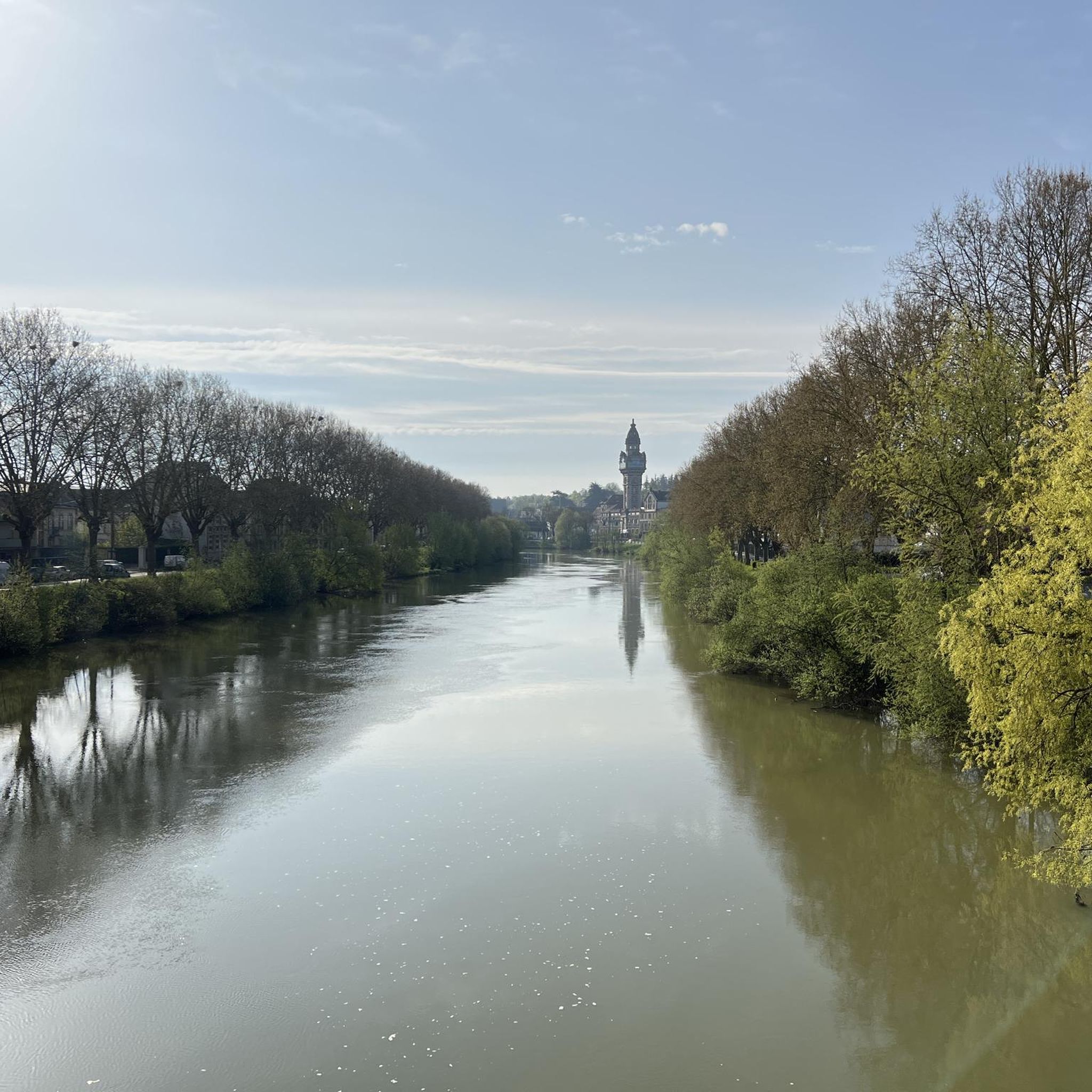
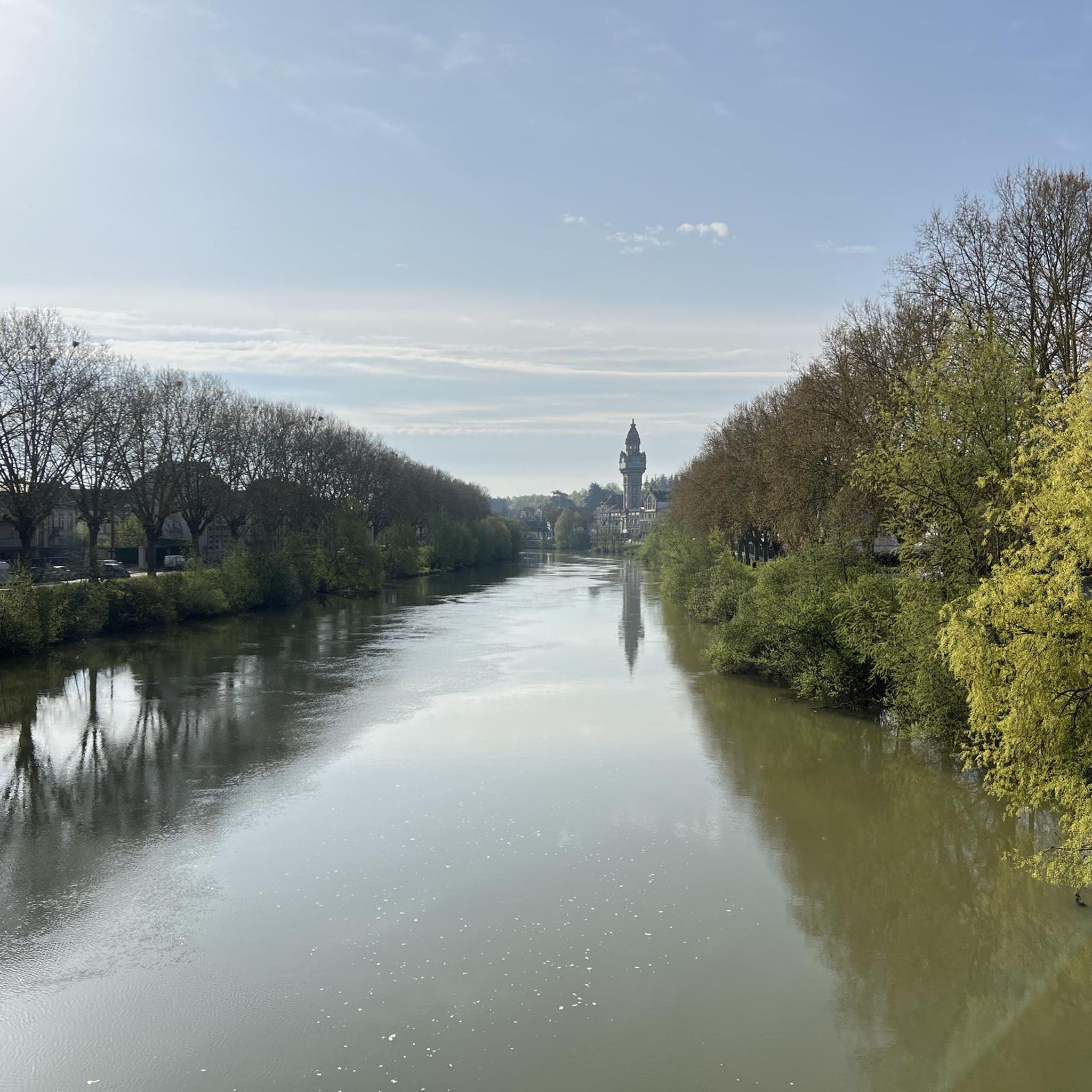
Blue Bridge and Saint-Hilaire Church, Mareuil-sur-Ay
Highlight • Bridge
Translated by Google •
Tip by

Abbaye de Hautvillers
Highlight • Historical Site
Translated by Google •
Tip by
Sign up now to discover places like this
Get recommendations on the best single tracks, peaks, & plenty of other exciting outdoor places.
Sign up for free
Avenue de Champagne
Highlight • Historical Site
Translated by Google •
Tip by
Town Hall
Highlight • Historical Site
Translated by Google •
Tip by

Champagne Wine and Regional Archaeology Museum (Château Perrier)
Highlight • Historical Site
Translated by Google •
Tip by
Sign up for free to discover even more attractions around Magenta.
Sign up for free
Already have an account?
Start today with a free account
Your next adventure awaits.
Login or Signup

Tips from the Community

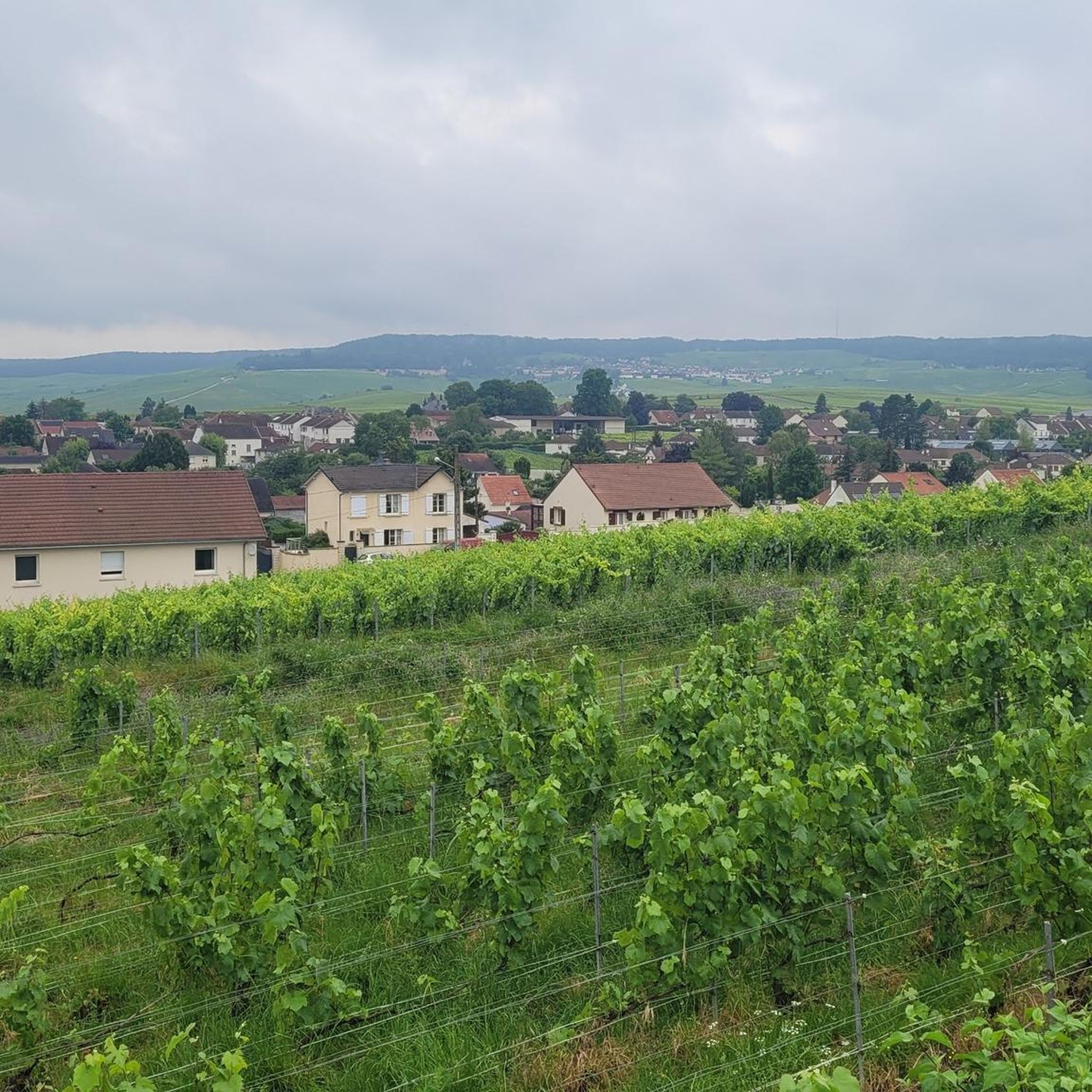
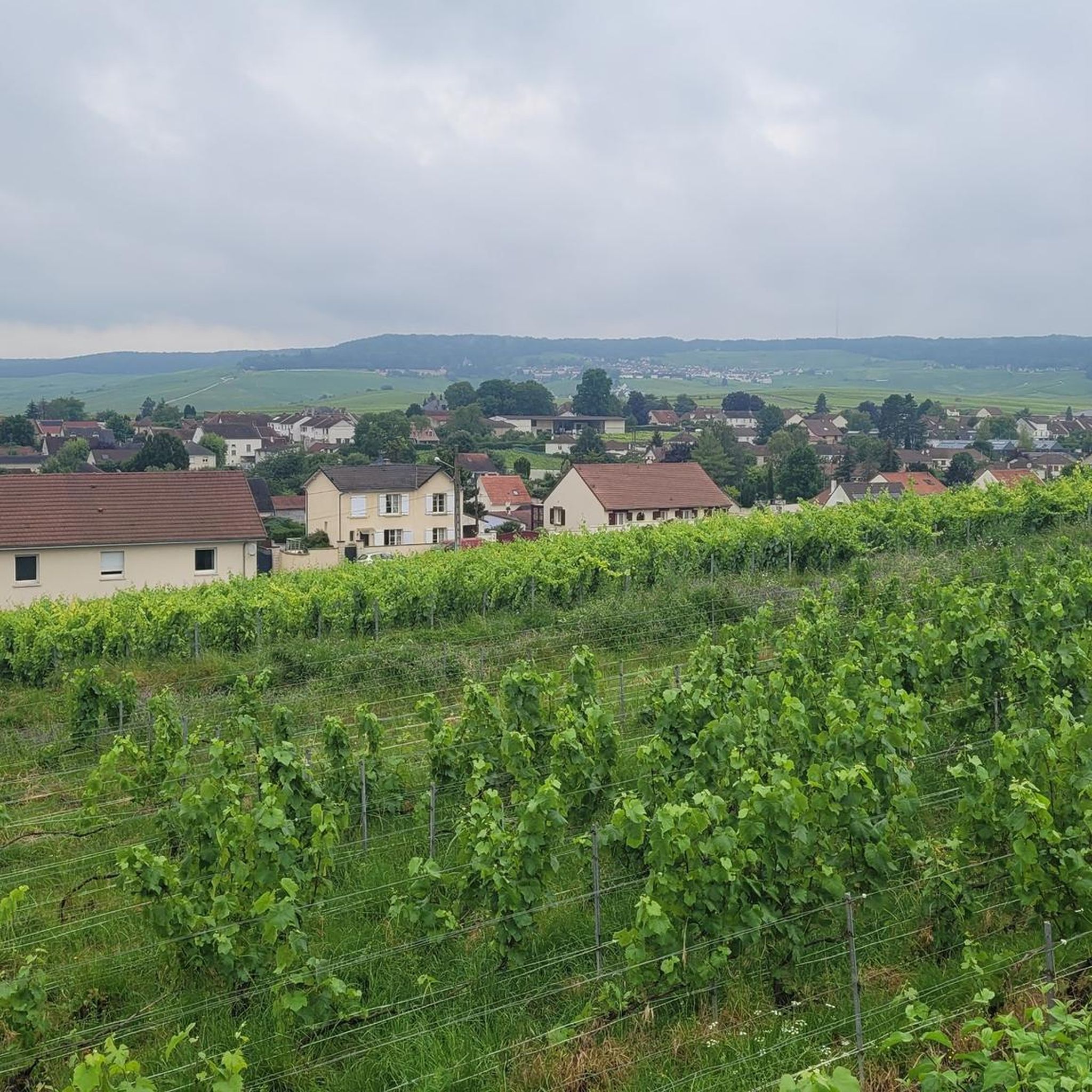
Some of the buildings are monumental and an expression of capital - but even the small winemakers have very good champagnes to offer that are in no way inferior to the big houses!
1
0

In 2011[9], the idea for the current Museum of Champagne and Regional Archaeology was born. The project was approved by the French Ministry of Culture in 2014, and in 2016 the renovation work was entrusted to the architectural firm Frenak + Jullien. Work began in 2018, under the supervision of the chief architect of historical monuments Lionel Dubois. Château Perrier has now been restored and contains one of the most important archaeological exhibits in France, with some 80,000 regional artefacts (dating from the Paleolithic to the Early Middle Period) and 4,000 artefacts relating to the history of Champagne wine (since 1960).[10]
4
0
The Château Perrier, at number 13, was built from 1852 to 1857[9] by the architect Pierre-Eugène Cordier, in an eclectic Louis XIII style. In 1854[10], the couple Pierre-Nicolas Perrier, a cork manufacturer, and Adèle Jouët (the founders of the Perrier-Jouët champagne house), who had married in 1811, commissioned the construction of this castle. The four facades are inspired by the architecture of the French Renaissance, to the Parisian image of the Palais du Luxembourg, the Palais des Tuileries or the Lescot of the Louvre. The facades are a play of colours with materials such as brick, natural stone, slate and glass.
4
0
Between 1872 and 1884, the concierge and the orangery were built on the outer edge of a vast park, according to plans by the architect Alphonse Gosset (1835-1914)[5]. In 1920, the park was acquired by the municipality with the Auban-Moët mansion and opened to the public. The part of the park around the town hall is laid out in the French style, to emphasise the classical and sober facade of the building. It consists of a grass path and two symmetrical access paths arranged in a horseshoe shape around a fountain. It is decorated with two bronze lions, cast iron statues of ancient gods and various other statues. The other part of the park is laid out in the English style: it is crossed by hilly paths, groves, two pools of water, an artificial island and a rocky grotto with a waterfall. On this side of the garden is a temple of love, built of limestone. This belvedere with Corinthian columns has a coffered ceiling. It is inspired by the Temple of Love in the Petit Trianon in Versailles. The City Hall Park has the label "Remarkable Garden".🪴 In
7
1
Épernay Town Hall is located at number 7bis in the former Auban-Moët mansion, built in 1858 by Victor Moët (1797–1881)[5] to a design by the architect Victor Le Noir, who also designed the Montparnasse railway station in Paris. In the early 19th century, Jean-Baptiste Isabey had the building redesigned in a classical style for Jean-Remy Moët, owner of the Hôtel Auban-Moët and mayor of Épernay. The current layout dates from 1857 and is the work of the brothers Denis and Eugène Bühler. It was donated to the city in 1919, which took it into use as a town hall in 1920. The building houses luxurious rooms, including the wedding hall and the council chamber. The building has been listed as a French Historical Monument since 26 June 2012.[5][6]
7
1

simply fantastic and enjoy at least 1 glass of champagne ;)
4
1
Simply how many systems here are brilliant
5
1
Simply climb up from the Marne and visit the abbey and the grave of Dom Pierre Perignon. But please do it calmly and respectfully, not like the group of proletarians this morning 🙏
2
1
Frequently Asked Questions
What historical sites can I visit in Magenta?
Magenta is rich in history, particularly known for the 1859 Battle of Magenta. You can explore sites like the Church of San Martino, built to commemorate battle casualties, and the Monastery of Santa Maria Assunta, which dates back to the 14th century and features works by il Bergognone. The Museo della Battaglia (Historical Museum of Magenta) offers insights into the battle, housed in a mansion with visible gunshot marks from the conflict. Other notable historical buildings include the Church of San Rocco and Casa Crivelli Boisio Beretta.
Are there any natural parks or reserves near Magenta?
Yes, Magenta is home to significant natural areas. You can visit La Fagiana Natural Park, which was once a hunting resort for King Victor Emmanuel II. Additionally, the municipality of Magenta is part of the Parco naturale lombardo della Valle del Ticino, a nature reserve recognized by UNESCO within its World Network of Biosphere Reserves, offering diverse landscapes and wildlife.
What cultural attractions are available in Magenta?
Beyond historical sites, Magenta offers cultural experiences such as the Museo Didattico (Educational Museum) located within the Abbey Monastery. This museum collects liturgical objects found in the area and provides interactive events for school groups and tourists.
What are some popular attractions around Magenta according to visitors?
While the guide focuses on the Magenta region, the komoot community has highlighted several popular spots in the broader area. For instance, the Avenue de Champagne is celebrated for its prestigious Champagne houses and beautiful architecture. The Town Hall, housed in the former Auban-Moët mansion, is appreciated for its luxurious rooms and adjacent French and English style gardens. Another favorite is the Champagne Wine and Regional Archaeology Museum (Château Perrier), known for its significant archaeological exhibits and Champagne wine history.
Are there any family-friendly attractions in Magenta?
Magenta's natural parks, such as La Fagiana Natural Park and the Parco naturale lombardo della Valle del Ticino, offer great opportunities for family outings and exploring nature. While specific family-friendly activities within the town's historical sites might vary, the Museo Didattico provides an engaging experience for younger visitors interested in local history and culture.
What outdoor activities can I do near Magenta?
The region around Magenta offers various outdoor activities. You can find numerous routes for hiking, mountain biking, and road cycling. For hiking, consider easy loops like the "Champagne House Boizel – Town Hall loop" or moderate options such as the "Church of Notre-Dame Epernay – Marie Hautviller loop." Mountain bikers can explore routes like the "Avenue de Champagne – View of Dormans loop," while road cyclists might enjoy the "Champagne Tourist Route – Verzenay Windmill loop." You can find more details on these and other routes in the Hiking around Magenta, MTB Trails around Magenta, and Road Cycling Routes around Magenta guides.
Are there any significant religious buildings to visit?
Yes, Magenta features several historically significant religious buildings. The Church of San Martino was built to commemorate the fallen of the Battle of Magenta. The Monastery of Santa Maria Assunta, with its Romanesque origins and Baroque interiors, houses important artworks. Additionally, the early 16th-century Church of San Rocco is another notable religious site.
What kind of views can I expect near Magenta?
The natural parks, particularly the Parco naturale lombardo della Valle del Ticino, offer scenic views of the Lombard landscape. For specific viewpoints, visitors have praised the vantage point from Abbaye de Hautvillers, which provides extraordinary views of the Marne valley and surrounding areas.
What is the significance of the Battle of Magenta?
The Battle of Magenta, fought in 1859, was a pivotal event in Italian history, leading to the unification of Italy. Magenta itself is named after this battle, and the color magenta was also named in its honor. The town preserves this history through sites like the Church of San Martino and the Museo della Battaglia, allowing visitors to connect with this important past.
Can I find easy hiking trails near Magenta?
Yes, there are easy hiking trails available. For example, the "Champagne House Boizel – Town Hall loop from Épernay" is an easy 2.2 km route, and the "Town Hall – Épernay Central Square loop from Épernay" is another easy option at 3.9 km. You can explore more easy routes in the Hiking around Magenta guide.
What is the <a href="https://www.komoot.com/highlight/3429675" target="_blank" rel="noopener">Abbaye de Hautvillers</a> known for?
The Abbaye de Hautvillers is considered the birthplace of the Champenoise method, where Dom Pérignon improved and popularized champagne. Visitors can explore the abbey church and find Dom Pérignon's tombstone. The village of Hautvillers also offers an extraordinary view of the Marne valley and the town of Epernay from its heights.
Are there any unique architectural landmarks in the area?
Beyond the historical churches, Magenta features examples of noble houses like Casa Crivelli Boisio Beretta from the 15th century and Casa Giacobbe. The Monument to General Patrice de MacMahon also stands as a significant landmark. In the broader region, the Blue Bridge and Saint-Hilaire Church in Mareuil-sur-Ay offer a charming architectural ensemble, with the church dating back to the 11th century.
Most popular routes around Magenta

Get inspired with the komoot mobile app


Explore more
Still not found the Highlight you’re looking for? See guides of the top attractions in other regions:
