The best road cycling routes around Plougoulm
4.5
(180)
3,768
riders
180
rides
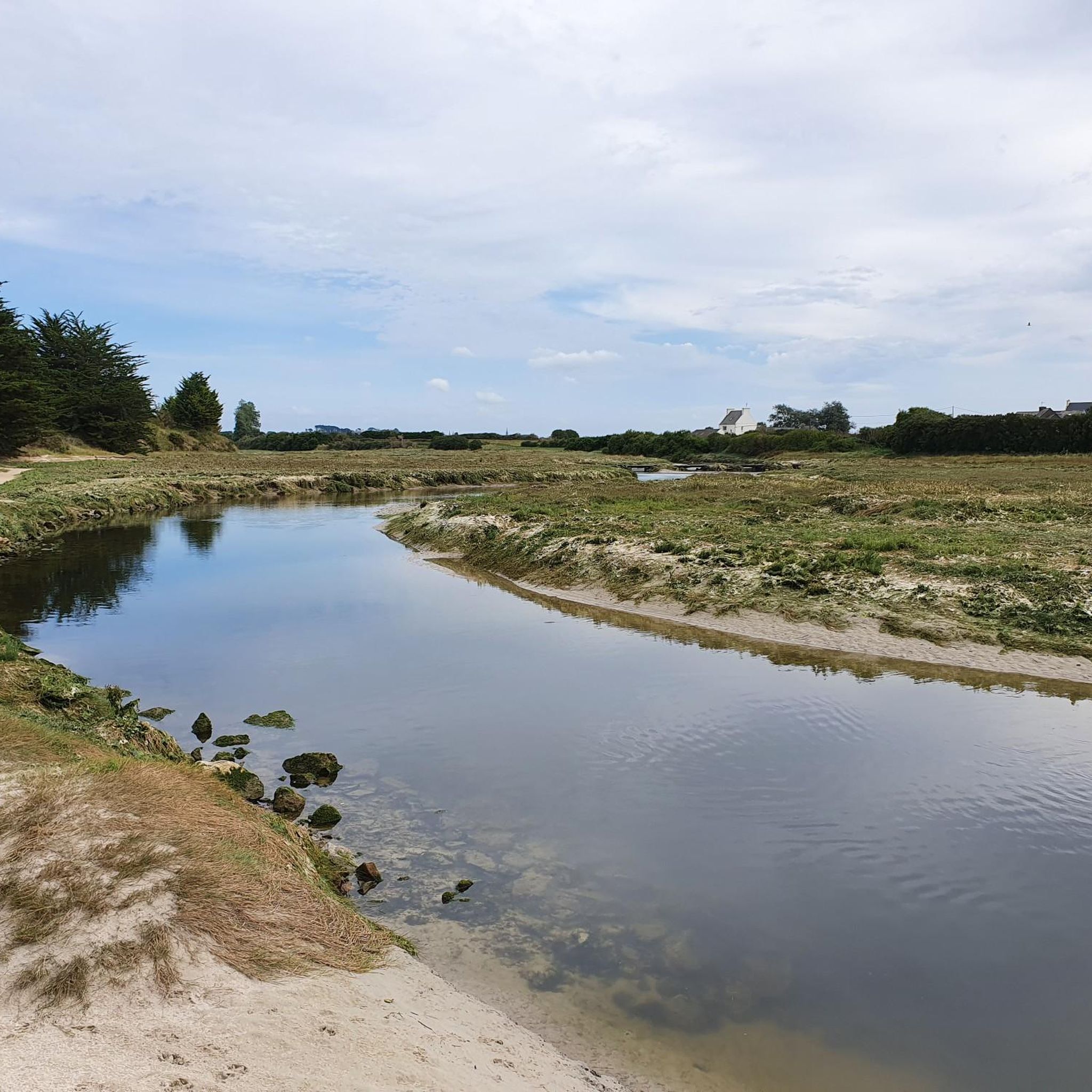
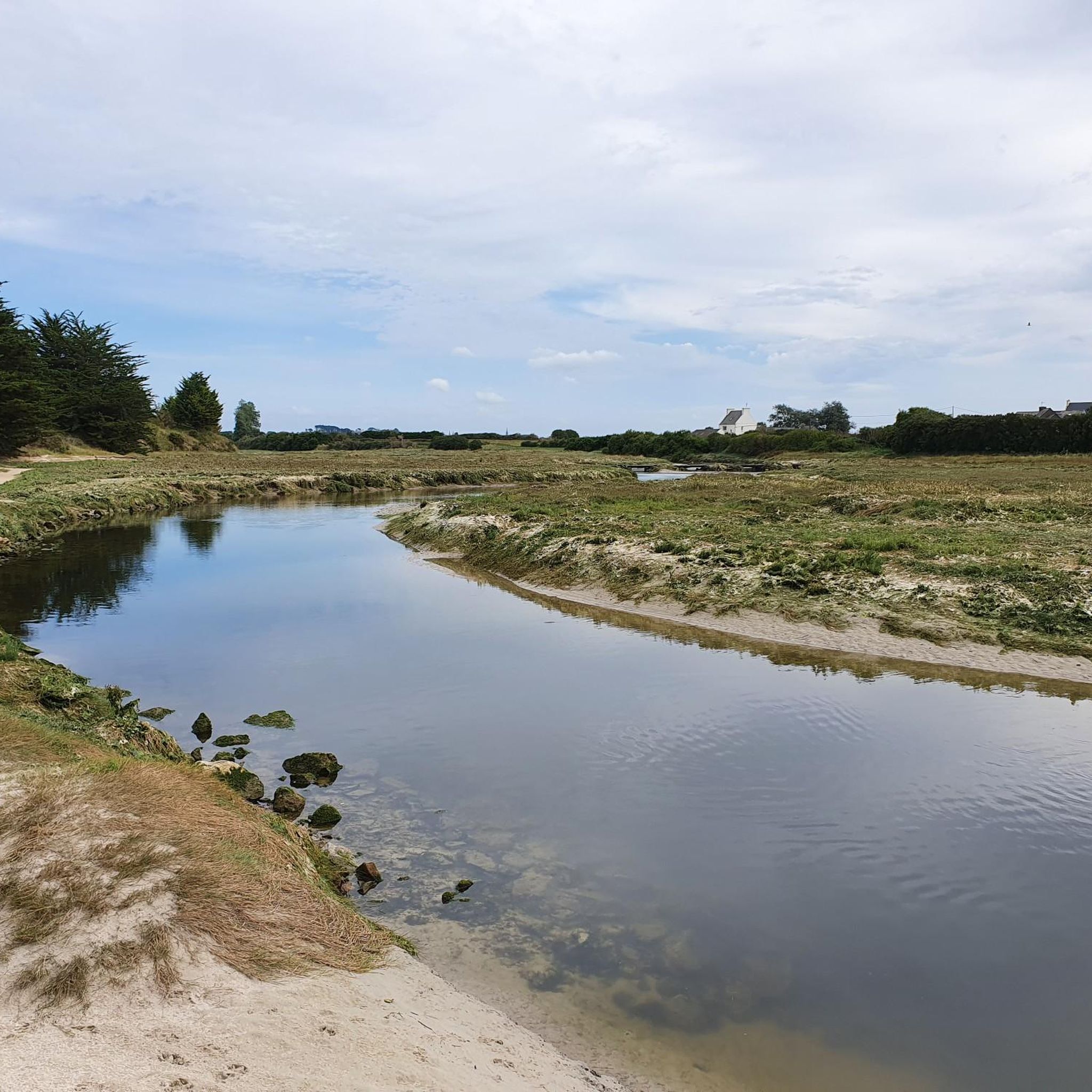
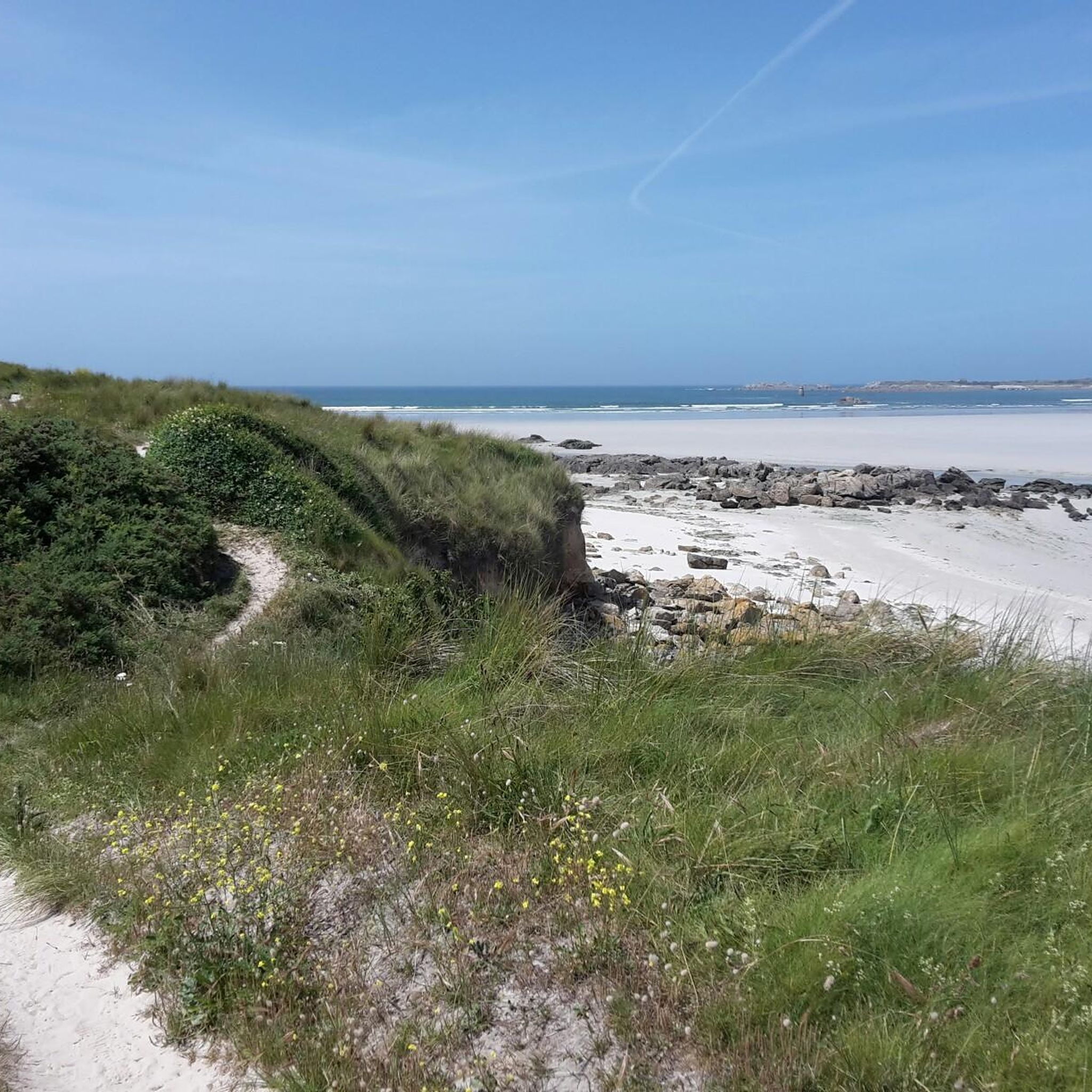
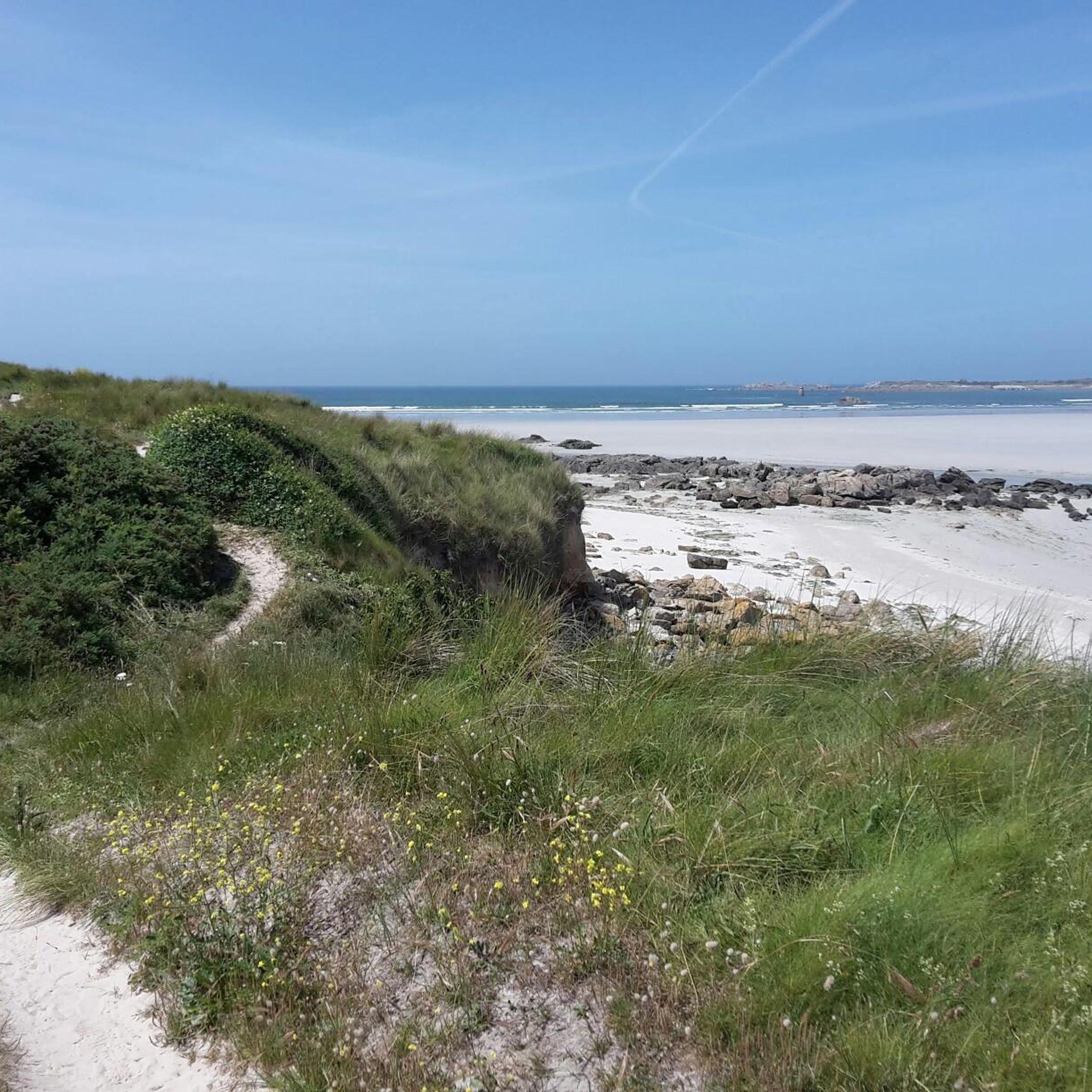
Road cycling around Plougoulm, situated in Finistère, France, features diverse landscapes with rugged coastlines, tidal islands, and views across the Bay of Morlaix. The region offers a mix of terrains, including low elevation routes and undulating sections, often utilizing quiet country roads known as "ribines." These routes provide varied experiences, from leisurely rides to more challenging coastal paths.
Best road cycling routes around Plougoulm
- The most popular road cycling route is Plage de Kerscouarnec – Covered Market of Plouescat loop…
Last updated: July 1, 2026
5.0
(1)
31
riders
42.9km
01:55
270m
270m
Easy road ride. Great for any fitness level. Mostly well-paved surfaces and easy to ride.
11
riders
36.9km
01:36
270m
270m
Easy road ride. Great for any fitness level. Mostly well-paved surfaces and easy to ride.

Sign up for free
9
riders
15.4km
00:39
80m
80m
Easy road ride. Great for any fitness level. Mostly well-paved surfaces and easy to ride.
5
riders
44.2km
01:55
300m
300m
Moderate road ride. Good fitness required. Mostly well-paved surfaces and easy to ride.
3.0
(1)
4
riders
29.5km
01:33
240m
240m
Moderate road ride. Great for any fitness level. Some segments of this route may be unpaved and difficult to ride.
Get access to more routes and recommendations from other explorers.
Sign up for free
Already have an account?
Our route recommendations are based on thousands of hikes, rides, and runs completed by other people on komoot.
Start today with a free account
Your next adventure awaits.
Login or Signup

Tips from the Community

It is possible to take the rope bridge by bike but it is very busy.
0
0

Built around 1830, the church features a Leonard-style bell tower with two galleries and a projecting spire (1697-1700), and a kersanton statue of Saint-Ké. https://www.roscoff-tourisme.com/fr/fiche/patrimoine-culturel/eglise-saint-pierre-cleder_TFOPCUBRE029V52PKG2/
0
0
The Plouescat Market Halls are a civil monument located in Plouescat, France. The market halls are located on Place du Général de Gaulle, in the center of Plouescat, in Finistère, in the Brittany region of France. These halls have the distinction of being the only half-timbered halls in Finistère. The halls date from the 16th century and were built under the orders of the Lord of Kerouzéré, a local nobleman. Over time, they housed various markets and fairs; upstairs, two chambers existed: the seigniorial justice was administered and a space, possibly for storage, was present. These chambers have now disappeared. The covered market halls were sold as national property during the Revolution, then purchased by a private individual, and then repurchased by the town hall in 1822. They were listed as historical monuments by decree of June 18, 1915, and were renovated in 2012. The building boasts impressive architecture: 40 oak posts support a slate-covered roof. The floor area is 300 square meters. A copper plaque dated 1758 lists Plouescat's fair and market rights. https://fr.wikipedia.org/wiki/Halles_de_Plouescat
0
0


Built on the remains of a Romanesque cathedral from the 11th century, the Gothic cathedral of Saint-Paul-Aurélien, a minor basilica known as the Annunciation, has a remarkable nave from the 12th century in Caen limestone, a complex almost unique in Brittany, and a choir in granite from the 15th century.
0
0
Raising its spire almost 80 metres high, the Kreisker chapel (14th/15th century) is the tallest bell tower in Brittany and the most beautiful example of openwork bell towers. Its dozens of openings do not provide any wind protection. Its reconstruction after the fire of 1375 is attributed to an English architect. The building was, until the 16th century, a municipal chapel, housing the deliberations of the city council and then, until the Revolution, which brought down the bells, the chapel of both the Grand Seminary and the Collège de Léon. In 1806, the Kreisker was attached again to the Coliège de Léon, which in the 20th century became the Institution Notre-Dame du Kreisker.
0
0

Chapel from the 14th and 15th centuries with a 78 m high tower, the highest in Brittany, and a window by Kim En Jong, a Korean Dominican brother.
0
0

Perfect for taking a break near the market halls in front of the church!
0
0
Frequently Asked Questions
How many road cycling routes are available around Plougoulm?
There are over 160 road cycling routes around Plougoulm listed on komoot, offering a wide variety of options for different preferences and skill levels.
What kind of terrain can I expect on road cycling routes around Plougoulm?
Road cycling around Plougoulm features diverse landscapes, including rugged coastlines, tidal islands, and views across the Bay of Morlaix. You'll find a mix of terrains, from routes with low elevation gains to more undulating sections, often utilizing quiet country roads known as "ribines" which offer an immersive experience.
Are there options for different skill levels, including challenging routes?
Yes, the region caters to all skill levels. You'll find easy, family-friendly paths, as well as more demanding sections, particularly along coastal routes like La Littorale (V45). Komoot lists 44 easy, 107 moderate, and 12 difficult road cycling routes in the area.
What scenic viewpoints or attractions can I see along the road cycling routes?
Many routes offer breathtaking views across the Bay of Morlaix and along picturesque beaches like Le Dossen and Plage des Amiets. You can also pass by unique natural features such as the tidal island of Île de Sieck, or explore highlights like the Menhir of Cam-Luis and the Carved Stone Face of Poulfoen. The GR 34 Coastal Path also offers stunning rock formations.
Are there any historical sites or charming villages to visit on a road cycling tour?
Absolutely. Cyclists can stop in charming villages like Penzé, which offers amenities and scenic views. The historic center of Roscoff is also within reach, as are cultural sites such as the Saint Paul Aurélien Cathedral in Saint-Pol-de-Léon and the Covered Market of Plouescat.
Can I find circular road bike routes in Plougoulm?
Yes, many road cycling routes around Plougoulm are designed as loops. Examples include the Plage de Kerscouarnec – Covered Market of Plouescat loop from Île de Sieck, or the Saint-Adrien Church, Santec – Carantec plouescat loop from Plougoulm, which offers varied scenery through local villages and coastal stretches.
What do other road cyclists enjoy the most about road cycling in Plougoulm?
The area is highly rated by the komoot community, with an average score of 4.3 stars from over 130 reviews. Road cyclists often praise the diverse landscapes, the mix of coastal and countryside routes, and the presence of quiet country roads, making for an enjoyable experience.
Are there long-distance cycling routes that pass through Plougoulm?
Yes, Plougoulm is integrated into major long-distance cycling networks. The Vélodyssée (EuroVelo 1) crosses Brittany with a section in Finistère, and the Vélomaritime (EuroVelo 4) stretches along Brittany's northern coast, offering extensive coastal riding.
What are 'ribines' and how do they affect road cycling in Plougoulm?
'Ribines' are asphalted roads with minimal car traffic, common in the local countryside around Plougoulm. They provide a peaceful and immersive cycling experience, allowing you to enjoy the scenery without significant vehicle interference.
Where can I find bike-friendly services or accommodations in the Plougoulm area?
North Finistère is increasingly bicycle-tourism friendly. You can find accommodations like campsites along routes, such as Ar Kleguer in Saint-Pol-de-Léon, which often offer services like bike repair and comfortable stays tailored for cyclists.
What is the best time of year for road biking in Plougoulm?
While specific conditions vary, the region's coastal climate generally makes spring through early autumn ideal for road cycling. These months typically offer milder weather and more stable conditions to enjoy the diverse landscapes and coastal paths.
Are there any routes that offer a significant climb or elevation challenge?
While many routes feature low elevation gains, there are options for those seeking more challenge. For instance, the Beautiful climb to Coasvout – Morlaix Viaduct loop from Santec includes over 600 meters of elevation gain, providing a more demanding ride with rewarding views.
Can I combine road cycling with exploring local landmarks like castles?
Yes, several routes allow you to combine cycling with visits to local landmarks. The Kerjean Castle – Nice climb loop from Ty Corn is an example of a route that passes by historical sites, offering a blend of physical activity and cultural exploration.
Most popular attractions around Plougoulm

Get inspired with the komoot mobile app


Explore more
Browse the best Road cycling routes in other regions.
