The best walks and hikes around Marthon
4.6
(208)
771
hikers
93
hikes
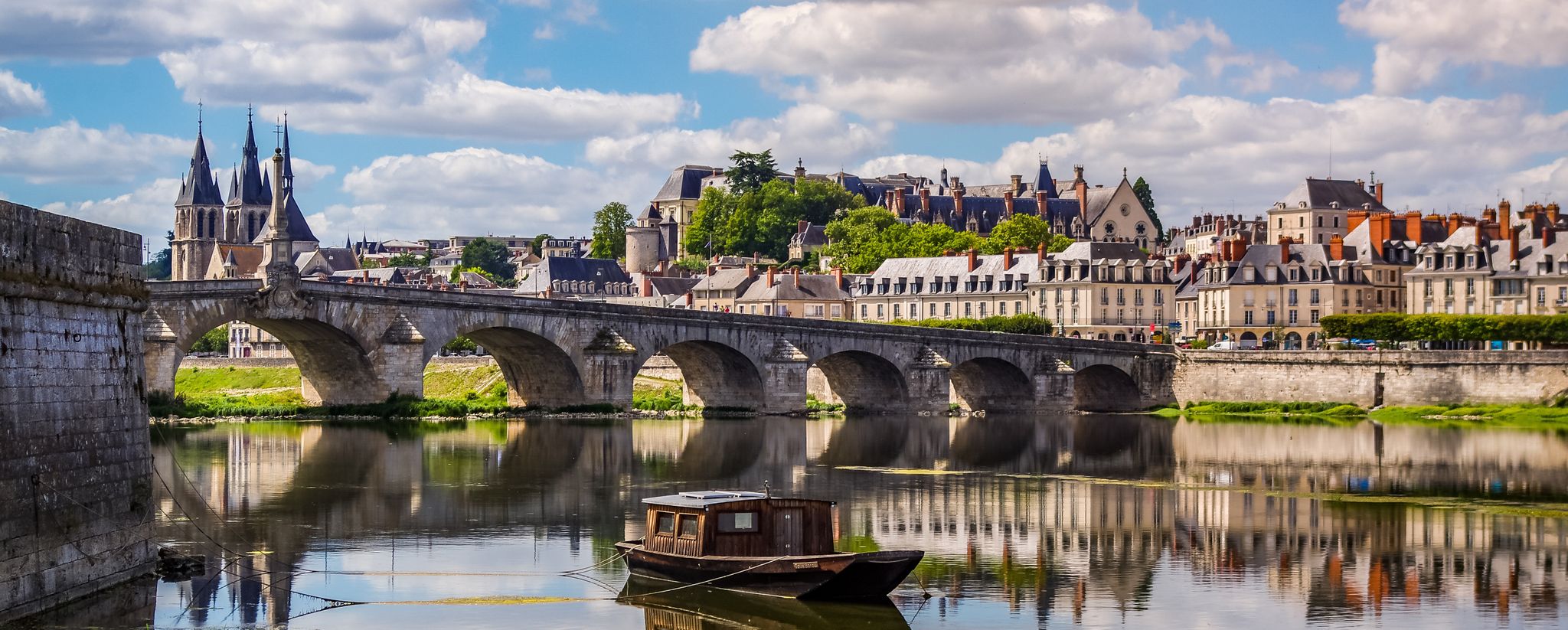
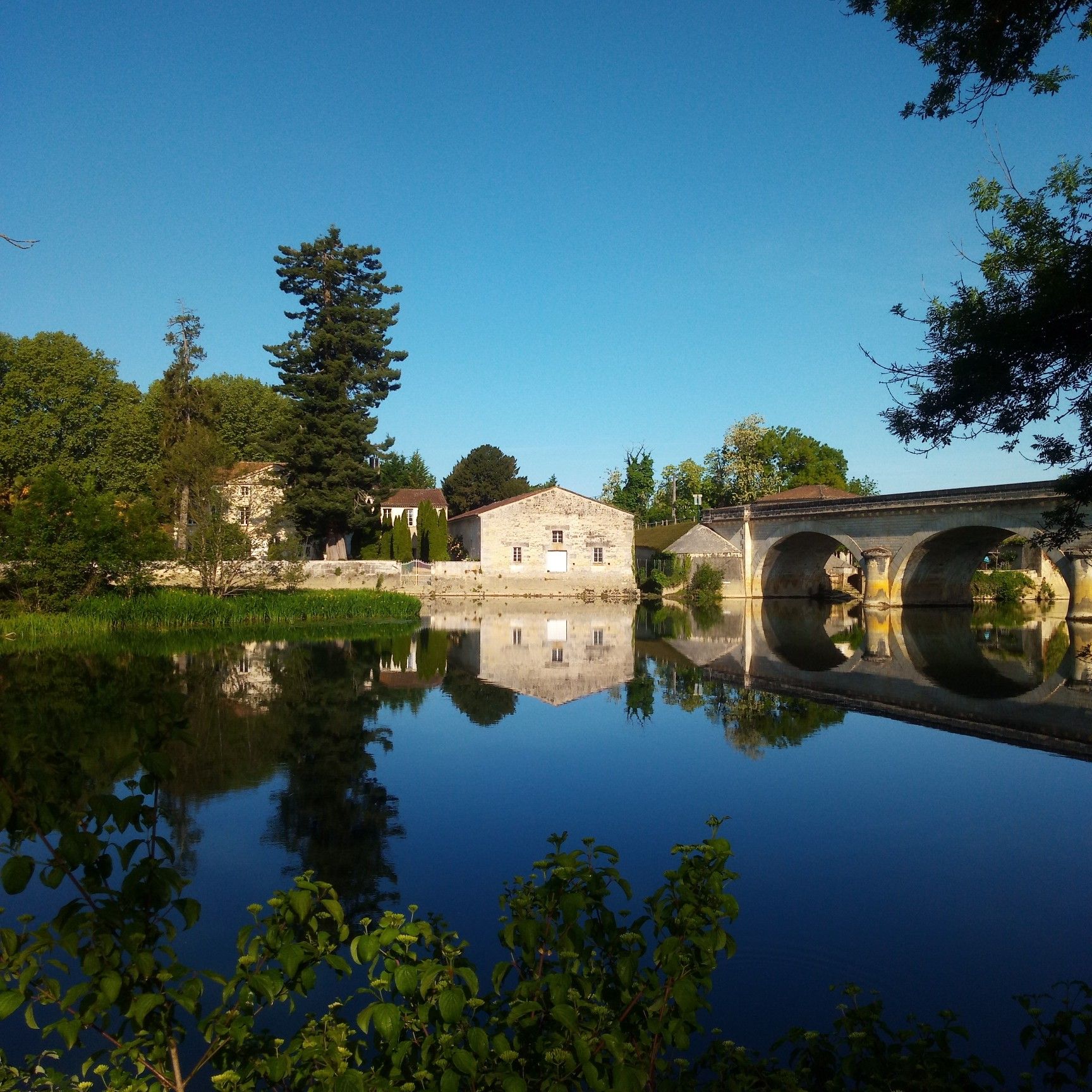
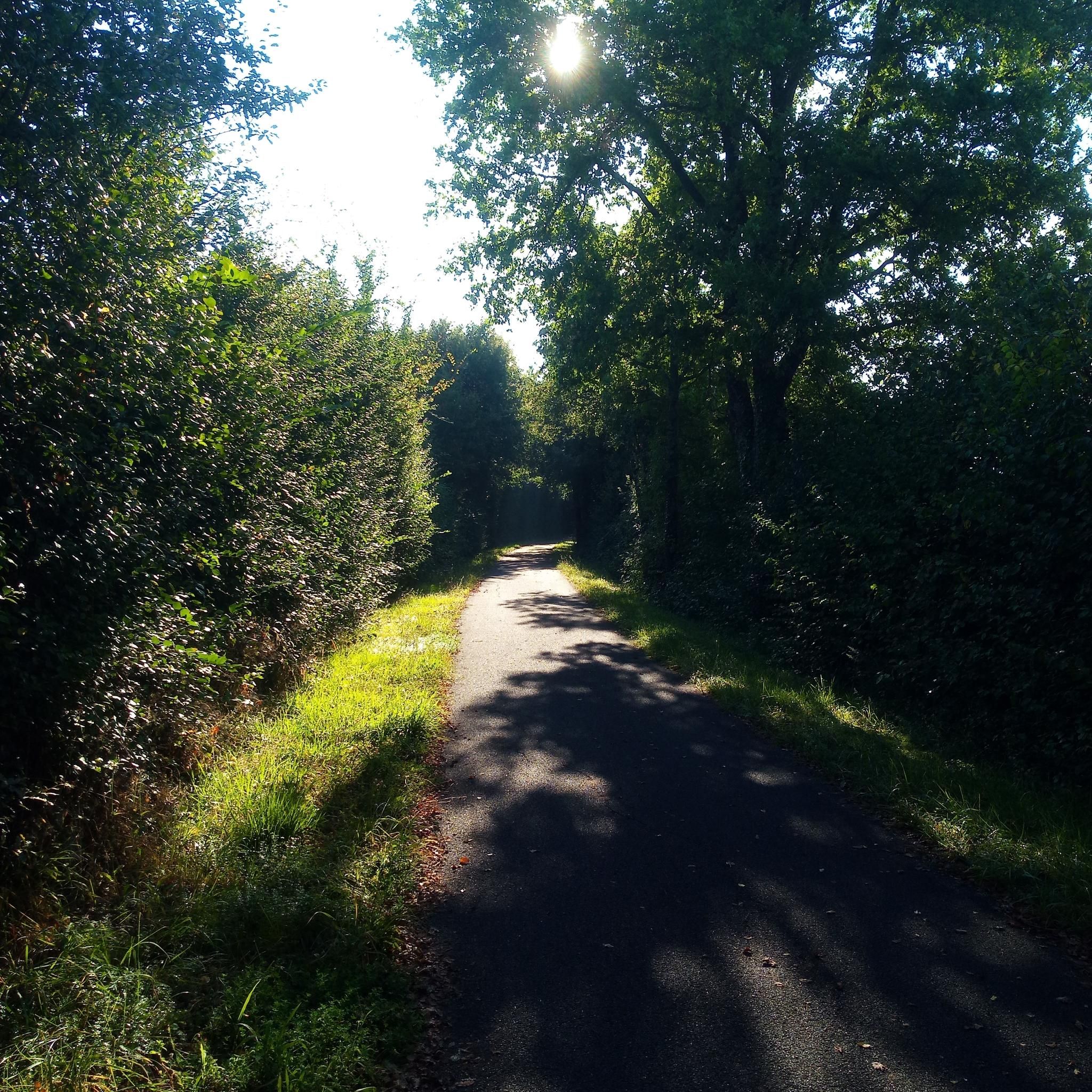
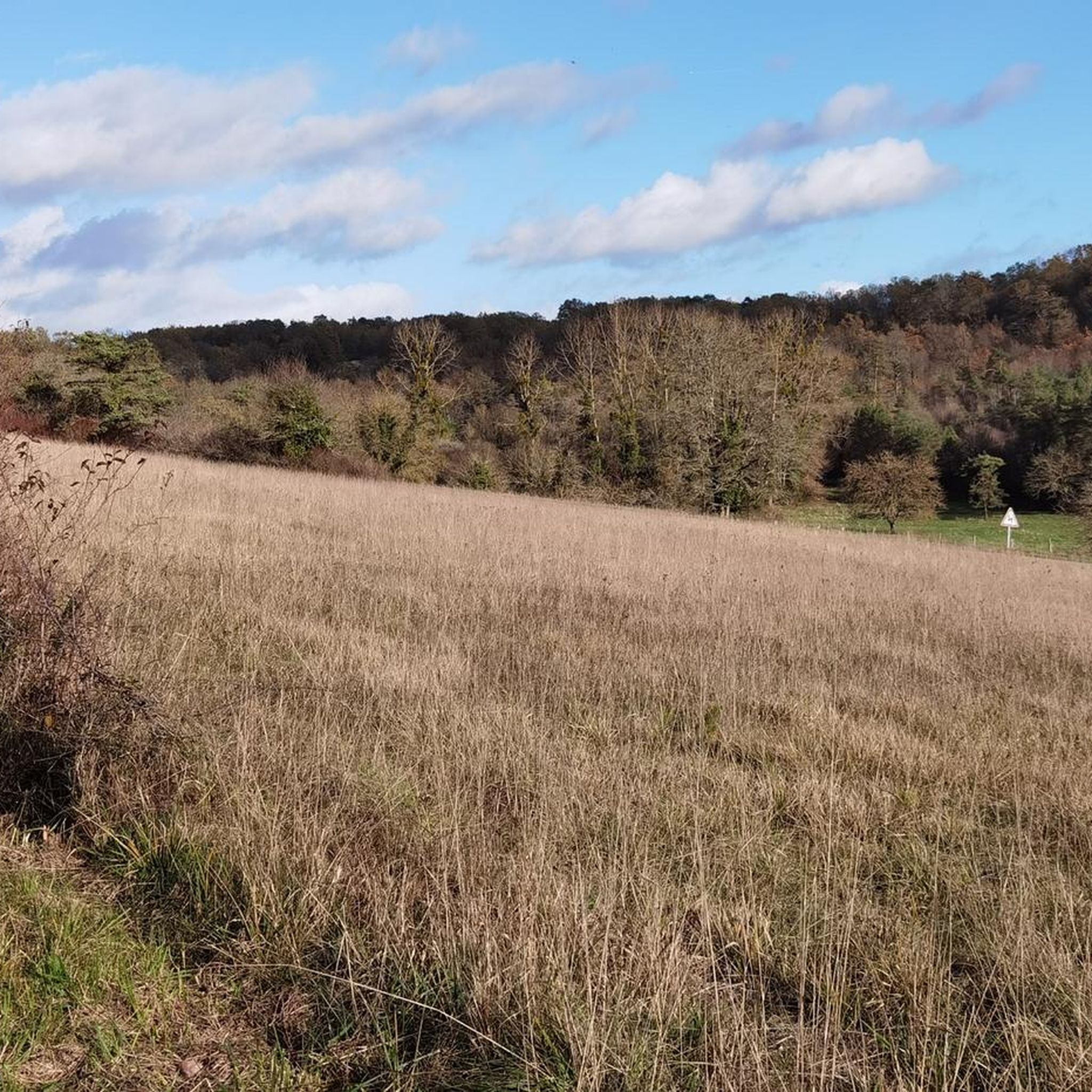
Hiking around Marthon offers a variety of routes through the Charente countryside, characterized by rolling hills, woodlands, and historical landmarks. The region features a mix of open fields and shaded paths, providing diverse scenery for hikers. Elevations are generally gentle, making many trails accessible. The landscape around Marthon is well-suited for exploring local heritage and natural beauty on foot.
Best hiking trails around Marthon
- The most popular hiking route is Hike of Grassac, an 8.4 miles (13.5 km) trail…
Last updated: October 26, 2026
13.5km
03:36
150m
150m
Moderate hike. Good fitness required. Easily walkable paths.
5.0
(2)
10
hikers
Easy hike. Easily walkable paths.

5.0
(2)
9
hikers
7.38km
01:55
40m
40m
Easy hike. Easily walkable paths.
4.5
(2)
7
hikers
Hard hike. Very good fitness required. Easily walkable paths.
4.8
(4)
5
hikers
9.70km
02:36
110m
110m
Moderate hike. Good fitness required. Easily walkable paths.
Get access to more routes and recommendations from other explorers.
Already have an account?
Our route recommendations are based on thousands of hikes, rides, and runs completed by other people on komoot.
Start today with a free account
Your next adventure awaits.



Tips from the Community


Don't hesitate to get off the Flow Vélo to discover the village of Marthon. The detour is worth it!
0
0

On leaving Marthon, this castle was commissioned by Hubert de La Rochefoucauld, around 1560, to replace an old fortress burned down during the Hundred Years War. However, it was not until the 20th century that this construction was restored and completed. It is private property but can be enjoyed from the outside.
0
0

The church of Saint-Pierre de Feuillade dates from the 12th century. It originally depended on the Abbey of Baignes. Unfinished, the building has, as a bell tower, a campanile and Romanesque capitals.
1
0
The Château-neuf is an imposing residence located along the road to Nontron, at the eastern exit of the town of Marthon. Originally, the construction of the castle was the work of Hubert de La Rochefoucauld, lord of Marthon. He built the "new castle" in the 1560s to replace the old Romanesque castle which had been burned and damaged by the English during the Hundred Years' War in 1347. This building of the second French Renaissance remained unfinished due to of the death of the sponsor in 1566. Thereafter, the successive owners carried out some maintenance work, however not commensurate with the restorations carried out in the years 1900-1910 by the deputy Maurice Étienne Raynaud (Marthon 1860 - Paris 1927). This native of Marthon was a Radical deputy for Charente from 1906 to 1924, but also Minister of Agriculture in 1910-1911, then in 1913-1914 and finally Minister of the Colonies for a few months in 1914. Before this intervention, the south facade was surmounted by a wooden gallery underlined by a stone entablature and gargoyles forming consoles. This facade ended to the left of the grand staircase. The Renaissance project, suspended at the death of Hubert de La Rochefoucauld, probably planned to place the staircase in the center of the facade to obtain perfect symmetry. It is precisely the extension of the facade, to the left of the main staircase, that the deputy Raynaud had made in the years 1900-1910. The multi-purpose loggia, topped by a couple with a lantern and located above the porch which houses the main staircase, is also an addition from the beginning of the 20th century, like the hipped roof. To light the attic, this roof was equipped with skylights placed in line with the openings of the facade. The south facade is punctuated by numerous mullioned and cross-piece bays, framed by Ionic columns. The grid of this facade, created by the superposition of bays, forming vertical lines, by the cornice separating the two levels and the entablature which underlines the roof while constituting horizontal lines, is one of the architectural particularities of the Renaissance style in the French. However, we speak rather of an eclectic style for the Château-neuf, as the alterations of the 20th century were numerous and decisive for the general appearance of the residence.
0
0
Grassac was the seat of an archpriest who had been given in 1097 by Bishop Adhémar to the Abbey of Bourgueuil which united it to its priory Notre-Dame de Beaulieu in Angoulême. The church was enlarged, after the damage of 1570, by a north aisle which was to be vaulted with ribs. The vault and various restoration works were undertaken in the 19th century. The plan of the building is that of an enlarged rectangle with a bay under a bell tower and an apse in the extension of the initial nave. This first nave supported by flat buttresses and a projecting buttress from the 17th century, is vaulted by a flat plaster cradle. The bay under the bell tower is vaulted with a stone dome on horns, pierced with a hole for the bell and decorated with a false sky.
0
0
The castle had an enclosure independent of the ramparts which protected the city. The keep includes a lower room communicating only with the first floor via a circular bay pierced in the top of the dome. The first floor had only a narrow entrance, without a masonry staircase. A spiral staircase communicated with the second floor, also vaulted. Nothing remains of the platform.
0
0
Frequently Asked Questions
How many hiking trails are available around Marthon?
There are nearly 100 hiking trails around Marthon, offering a wide range of options for different skill levels and preferences. The komoot community has recorded 97 routes in the area.
Are there easy hiking trails suitable for beginners or families?
Yes, Marthon offers many easy trails perfect for beginners or families. About a quarter of the routes are rated as easy. For example, the Old Tower of Marthon – Marthon Castle loop from Feuillade is an easy 4.7-mile (7.6 km) path that explores historical sites and local village scenery.
Can I find circular hiking routes in the Marthon area?
Many of the trails around Marthon are designed as circular routes, allowing you to start and end at the same point. The Old Tower of Marthon – Marthon Castle loop from Marthon is a popular 5.2-mile (8.4 km) circular trail that takes you through historical sites and gentle hills.
What kind of historical sites or landmarks can I see on hikes near Marthon?
The Marthon area is rich in history. You can explore various landmarks such as Javerlhac Castle, Montbron Castle, and the intriguing Le Moulin Martin. Many trails incorporate these historical points of interest into their routes.
Are there any challenging hikes for experienced trekkers?
While many trails are moderate, there are a few more challenging options for experienced hikers. For instance, the Old Tower of Marthon – Marthon Castle loop from Saint-Germain-de-Montbron is a difficult 12.5-mile (20.2 km) route with significant elevation changes, offering a more strenuous experience.
What is the best time of year to go hiking around Marthon?
Marthon's rolling hills and woodlands make it suitable for hiking throughout much of the year. Spring and autumn offer pleasant temperatures and vibrant scenery, with wildflowers in spring and colorful foliage in autumn. Summer is also popular, though it can be warmer, while winter offers quieter trails, often with crisp, clear air.
Are dogs allowed on the hiking trails in Marthon?
Generally, dogs are welcome on most public hiking trails around Marthon, especially if kept on a leash. The region's pastoral landscapes and woodlands provide ample space for walks with your canine companion. Always be mindful of local regulations, especially near agricultural areas or nature reserves.
Where can I park when hiking near Marthon?
Parking is typically available in or near the villages that serve as starting points for many trails, such as Marthon, Grassac, or Feuillade. Look for designated parking areas or roadside spots where permitted. It's advisable to check specific route descriptions for detailed parking information.
What kind of wildlife might I encounter on the trails?
The Charente countryside around Marthon is home to various wildlife. You might spot deer, wild boar, and a variety of bird species in the woodlands. Keep an eye out for smaller mammals like squirrels and badgers, and enjoy the diverse insect life, especially butterflies, during warmer months.
What do other hikers say about the trails around Marthon?
The trails around Marthon are highly rated by the komoot community, with an average score of 4.6 stars from over 150 reviews. Hikers often praise the peaceful atmosphere, the well-maintained paths, and the beautiful mix of woodlands and open fields, making for a very enjoyable outdoor experience.
Are there any trails that feature water elements like rivers or waterfalls?
While large waterfalls are not a prominent feature of the Marthon area, the region is crisscrossed by smaller rivers and streams, characteristic of the Charente landscape. Many trails will follow or cross these waterways, offering pleasant riverside sections and opportunities to enjoy the natural flow of water.
Are there any hidden gems or less-known trails worth exploring?
Beyond the most popular routes, Marthon's extensive network of trails means there are many quieter paths to discover. Exploring routes that connect smaller hamlets or delve deeper into the local woodlands can reveal peaceful, less-trafficked sections, offering a sense of discovery away from the main routes. The Saint John the Baptist Church loop from Grassac is a moderate 6-mile (9.7 km) trail that offers a lovely exploration of the local countryside.
Most popular attractions around Marthon

Get inspired with the komoot mobile app


Explore more
Browse the best Hikes in other regions.
