Top 9 Natural Monuments around Plounévez-Lochrist
Natural monuments around Plounévez-Lochrist, a commune in Brittany, France, feature a diverse coastal landscape. The region is characterized by its rugged coastlines, unique rock formations, and historical significance. Geological features, such as granite chaos formations, are prominent along the maritime façade. The area offers opportunities to explore natural features alongside historical remnants.
Best natural monuments around Plounévez-Lochrist
- The most popular natural monument is Menhir of Cam-Luis, a man-made monument and natural monument that measures almost 7 meters high. It…
Last updated: August 20, 2026
Face-Shaped Rock of Kerlouan
Highlight • Natural Monument
Translated by Google •
Tip by

Menhir of Men Marz
Highlight • Natural Monument
Translated by Google •
Tip by

Sign up now to discover places like this
Get recommendations on the best single tracks, peaks, & plenty of other exciting outdoor places.
Sign up for free
Ele Monument
Highlight • Monument
Translated by Google •
Tip by
Menhir of Cam-Luis
Highlight • Monument
Legend has it that it …
Translated by Google •
Tip by

Keremma Dunes
Highlight • Natural
Translated by Google •
Tip by

Sign up for free to discover even more natural monuments around Plounévez-Lochrist.
Sign up for free
Already have an account?
Start today with a free account
Your next adventure awaits.
Login or Signup
Tips from the Community

There are plenty of stones here. Some even have a stone in their garden. But there's something monumental about this height.
0
0

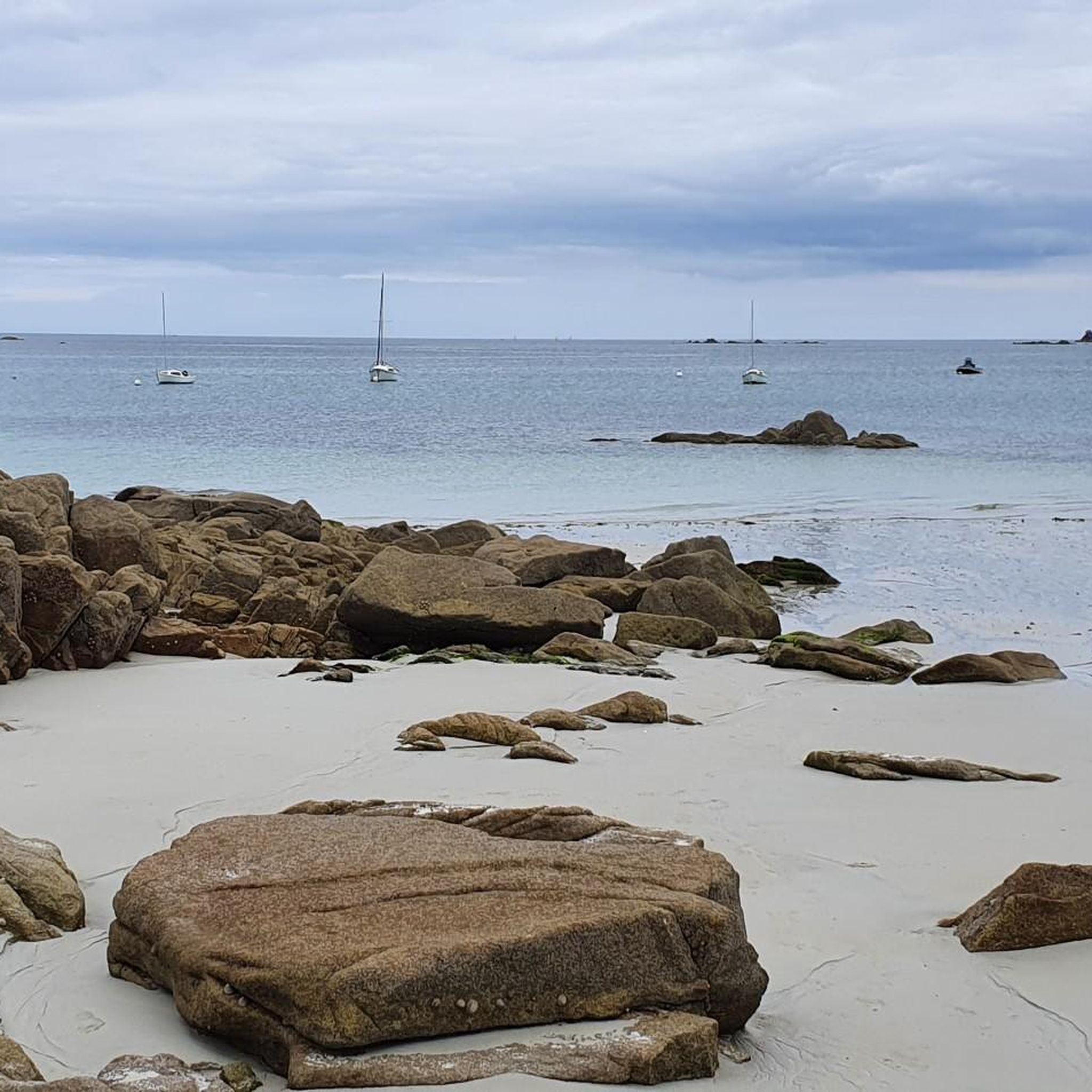
On the Kerlouan coast, right by the sea, there are rocks that have been shaped by their unique shapes and the power of nature. One particularly striking stone seems to have a face on it - a freak of nature that stimulates the imagination with its silent presence. If you keep your eyes open and pause for a moment, you may discover other figures or silhouettes hidden in the rocks. The constant change of tide and the play of light and shadow across the rugged landscape make the rocks seem almost alive. A place where you should take the time to explore the details - whether while walking along the coast or during a break to enjoy the view. This stretch of the Breton coast invites you to discover not only nature, but also the subtle stories that the stones carry hidden.
0
0

There are fairy tales everywhere, in which you can find poets and characters. Several elephants, a dog, faces, a dwarf, a rhinoceros, a guinea pig...
1
0
The whole of France is focused on the 2024 Olympic Games. Cups and other devotional items with the famous rings can be bought everywhere. The mascot is Phryge, a cheerful stylized Phrygian cap that was already appreciated by the ancient Persian god Mitras, later by the Doges of Venice, and which the Jacobins later made their symbol of freedom. Today it is often worn by statues of the Republic. But deserving athletes are also honored. Right by the sea there is a really lovingly designed monument made from an existing rock by adding an eye, which sports experts will easily recognize as an Ele monument. Here, too, the famous world champion in squats and star of international sports festivals enjoys great popularity. Locals say that Ele likes to use the meditation rock here before competitions to prepare himself mentally, which enthusiastic Ele fans like to imitate.
2
0
Very impressive, Christianized menhir, which was placed here by Obelix some time ago.
1
0

Very famous menhir in the region, which towers like a dragon's tooth. In the season and on weekends and holidays you are lucky if you can photograph it without tourists and walkers.
1
0

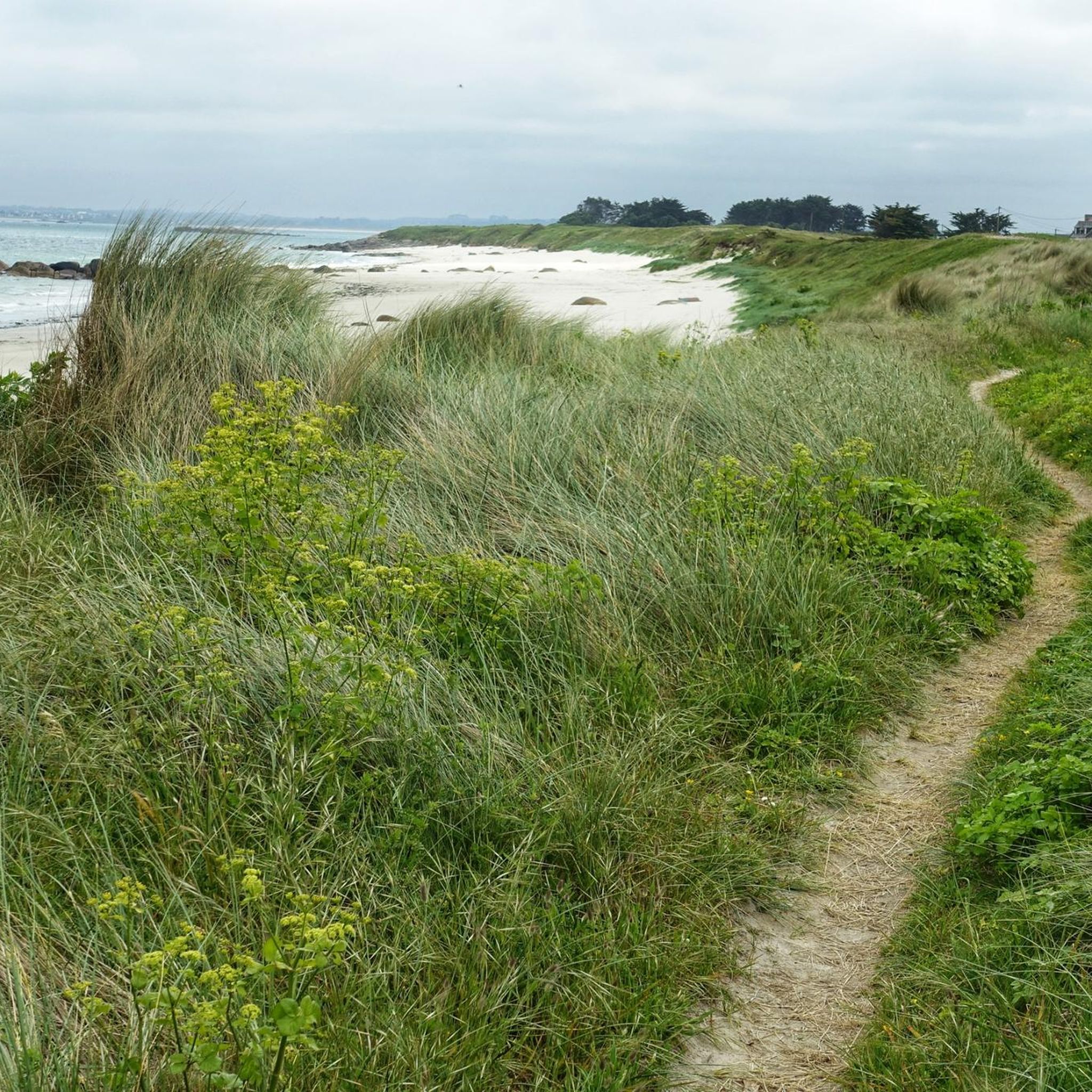
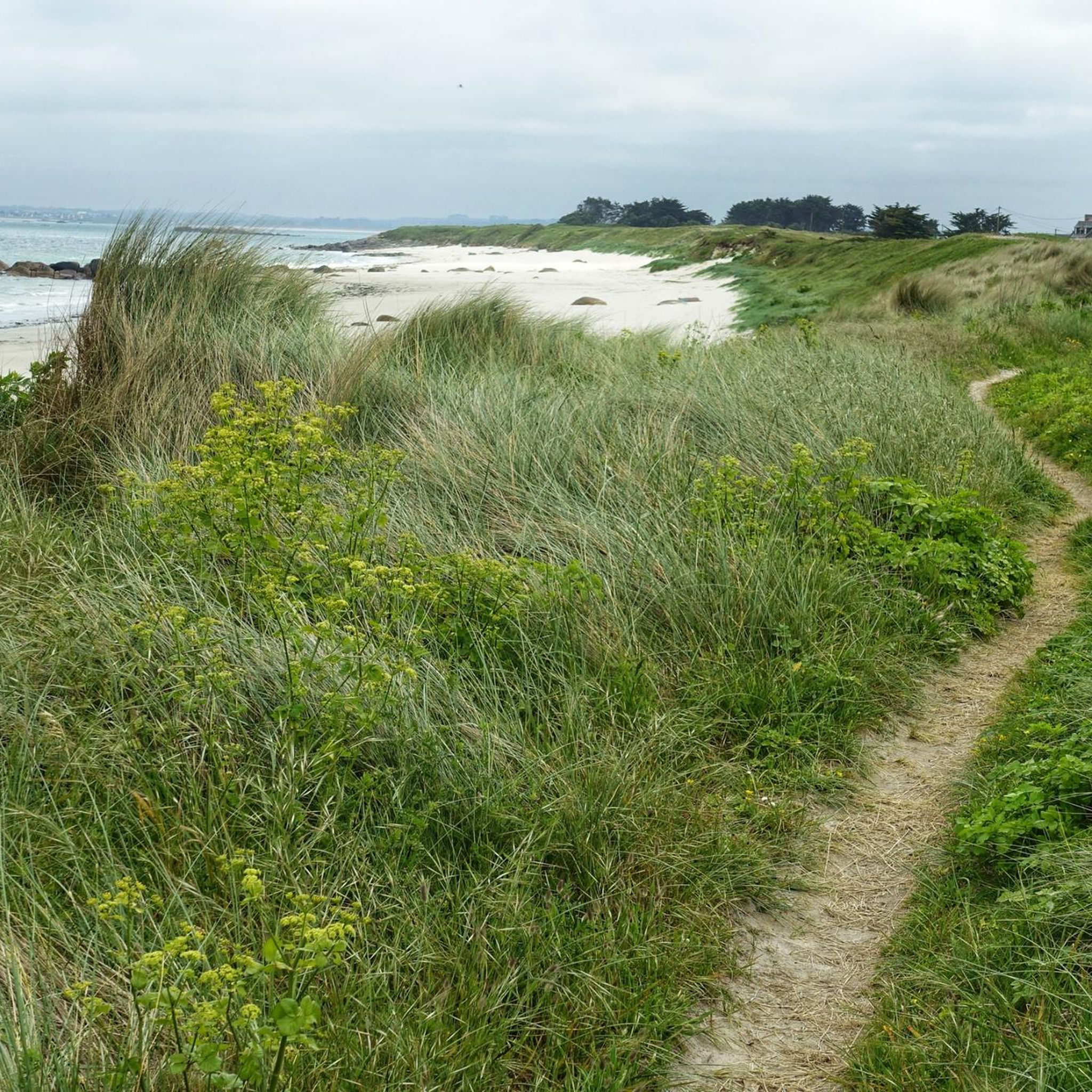
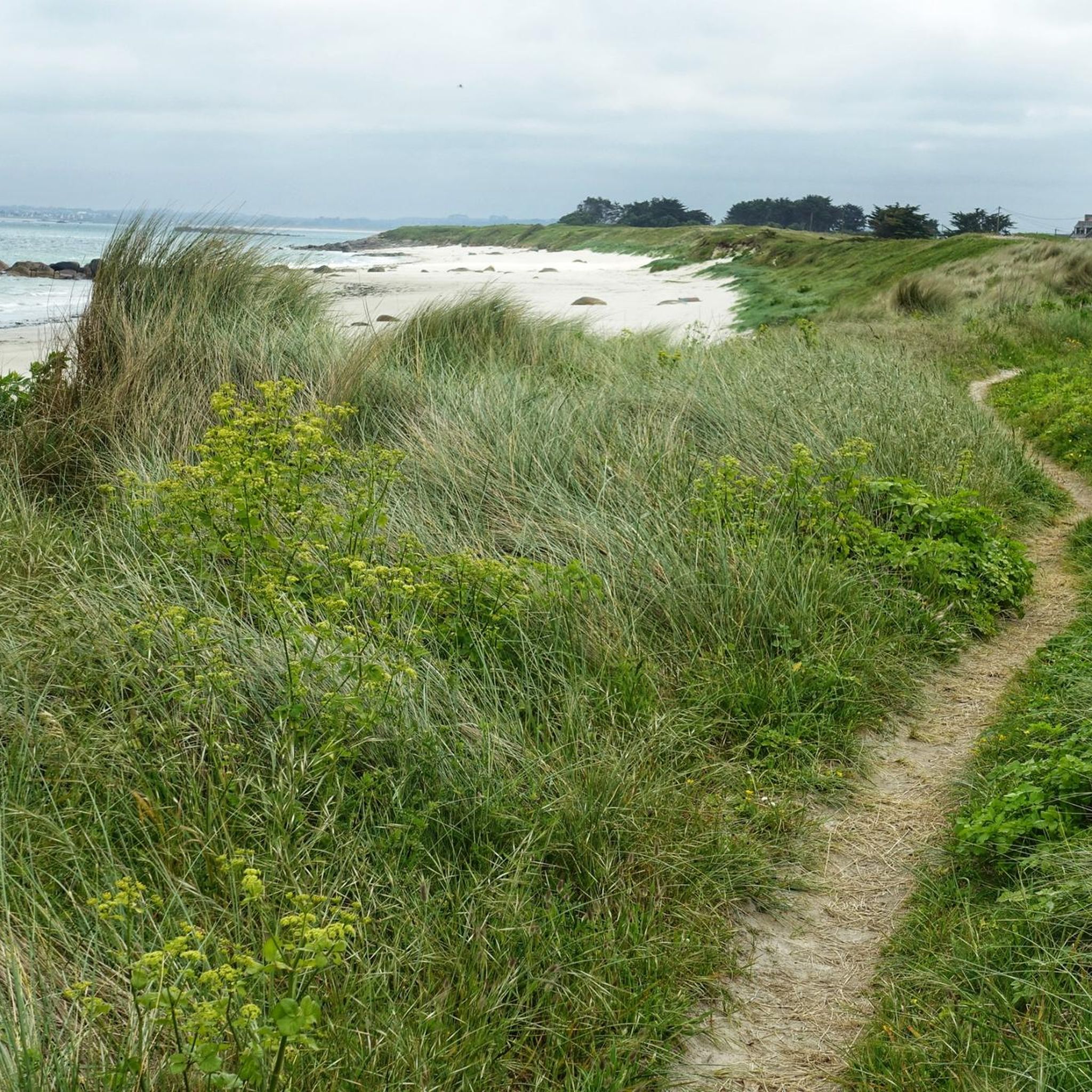
Over more than six kilometers, the Kerrema dunes constitute an exceptional space where dune flora exults. Dunes play a primary natural role: they protect land from sand blown by winds. Be vigilant and stay on marked trails.
0
0

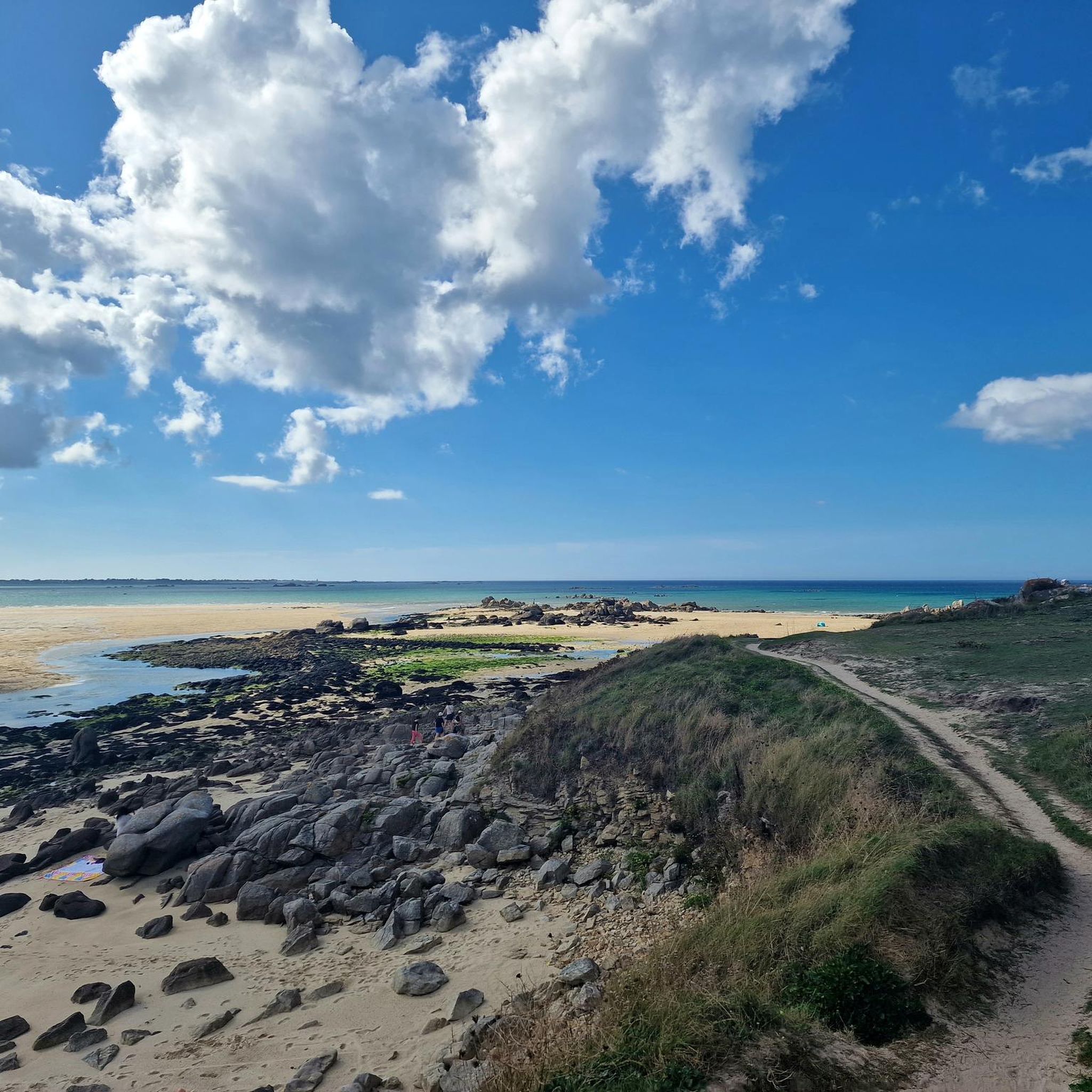
The Cam Louis menhir, one of the tallest in Brittany, measures almost 7 meters high. It has been classified as a Historic Monument since 1909. Legend has it that it is erected on a treasure, accessible only on Christmas Day, at the stroke of midnight! Bordering the shore on an uncultivated moor where rocks emerge, it serves as a landmark for coastal navigators.
4
0
Frequently Asked Questions
What unique natural features can I discover around Plounévez-Lochrist?
The region is renowned for its rugged coastlines and distinctive rock formations. You can explore impressive granite chaos formations, such as the Rocher du Kernic, which rises over 30 meters above sea level. Other notable sites include the Face-Shaped Rock of Kerlouan and the Dachshund Rock at Crémiou, both featuring fascinating natural sculptures along the coast.
Are there any historical natural monuments in the area?
Yes, Plounévez-Lochrist is rich in historical natural monuments. The Menhir of Cam-Luis, classified as a Historic Monument since 1909, stands almost 7 meters high and has served as a landmark for coastal navigators. Another significant site is the Menhir of Men Marz, an 8.5-meter-tall megalith dating from the Neolithic period. Additionally, the Rocher du Kernic features remnants of WWII bunkers, adding a layer of historical context to its natural grandeur.
What are some family-friendly natural monuments to visit?
Many natural monuments in the area are suitable for families. The Menhir of Men Marz and the Menhir of Cam-Luis offer an engaging glimpse into ancient history. Coastal sites like the Face-Shaped Rock of Kerlouan and the Dachshund Rock at Crémiou provide fun opportunities for children to spot unique rock formations and enjoy the beach.
Can I find good viewpoints among the natural monuments?
Absolutely. The Face-Shaped Rock of Kerlouan offers impressive coastal views alongside its unique rock formations. The Ele Monument, while a man-made addition to a natural rock, also serves as a viewpoint with scenic surroundings. The Rocher du Kernic provides panoramic views of the Bay of Kernic and the surrounding maritime landscape.
What outdoor activities can I do near these natural monuments?
The region offers a variety of outdoor activities. You can enjoy cycling on routes like the 'Porsguen Beach – Porsmeur Seahorse loop from Le Kernic' or explore MTB trails such as the 'Menhir of Cam-Luis – Plage des Amiets loop from Kerdélant'. For more options, you can check the cycling guide, MTB trails guide, and road cycling routes guide around Plounévez-Lochrist.
Are there hiking trails near these natural monuments?
While specific hiking guides are not listed, the coastal area around Plounévez-Lochrist, including the dunes of Keremma, provides ample opportunities for coastal walks and appreciating natural beauty. Many cycling and MTB routes, such as those mentioned in the MTB trails guide, can also be adapted for walking or offer scenic paths suitable for hikers.
What is the best time to visit the natural monuments in Plounévez-Lochrist?
The coastal natural monuments are generally enjoyable year-round, but the spring and summer months (April to September) offer the most pleasant weather for exploring the outdoors. During these periods, you can fully appreciate the rugged coastlines and engage in activities like coastal walks.
Are the natural monuments dog-friendly?
Many outdoor natural sites in Brittany are dog-friendly, especially for walks along coastal paths and beaches. However, it's always advisable to keep dogs on a leash, especially near protected natural areas like the dunes of Keremma, and to check specific regulations for each site upon arrival to ensure a pleasant visit for everyone.
How long should I plan to explore the natural monuments?
The time needed varies depending on the monument. For individual sites like the Menhir of Men Marz or the Menhir of Cam-Luis, a short visit of 30 minutes to an hour might suffice. Coastal areas with unique rock formations, such as the Face-Shaped Rock of Kerlouan, might encourage longer stays, especially if combined with a beach walk. To explore multiple sites and enjoy the surrounding landscapes, a half-day or full-day excursion is recommended.
What kind of wildlife can I spot near the natural monuments?
Given the coastal location, you might spot various seabirds along the rugged coastlines and tidal pools. The dunes of Keremma, contiguous with the Rocher du Kernic, are a protected natural site, suggesting a diverse ecosystem where you might encounter coastal flora and fauna. Keep an eye out for local bird species and marine life during low tide.
Are there any hidden natural gems around Plounévez-Lochrist?
Beyond the well-known sites, the broader coastal region of Brittany, including areas around Plounévez-Lochrist, is dotted with numerous smaller, less-frequented coves, beaches, and unique rock formations. Exploring the paths along the maritime façade can often lead to discovering your own hidden natural gems and serene landscapes away from the main attractions.
Most popular routes around Plounévez-Lochrist
Most popular attractions around Plounévez-Lochrist

Get inspired with the komoot mobile app


Explore more
Extend your search for the best caves by checking out these guides of the top ones around Plounévez-Lochrist:
