Attractions and Places To See around Bresles - Top 20
Best attractions and places to see around Bresles include a selection of historical landmarks, natural features, and cultural sites. Located in the Oise department of the Hauts-de-France region, Bresles offers a blend of architectural heritage and natural landscapes. Visitors can explore significant historical buildings and discover diverse natural environments. The area provides opportunities to engage with local history and enjoy outdoor activities.
Best attractions and places to see around Bresles
- The most popular attractions is Bresles Castle, a castle…
Last updated: May 11, 2026
Statue of Saint Louis
Highlight • Monument
Translated by Google •
Tip by

Château Saint Louis Pond
Highlight • Lake
Translated by Google •
Tip by
Sign up now to discover places like this
Get recommendations on the best single tracks, peaks, & plenty of other exciting outdoor places.
Sign up for free
Beauvais: Südportal
Highlight • Other
Translated by Google •
Tip by

Bresles Castle
Highlight • Other
Translated by Google •
Tip by

The Collegiate Church of Saint-Barthélemy
Highlight • Historical Site
Barthelemy, founded in 1037, was secularized during the French Revolution and converted into a residential building. After war damage and demolition, the preserved choir today reminds us of the former building.
Translated by Google •
Tip by
Sign up for free to discover even more attractions around Bresles.
Sign up for free
Already have an account?
Start today with a free account
Your next adventure awaits.
Login or Signup

Tips from the Community

A wall now traces its original layout onto the ground, offering visitors a glimpse into its religious and architectural past.
1
0


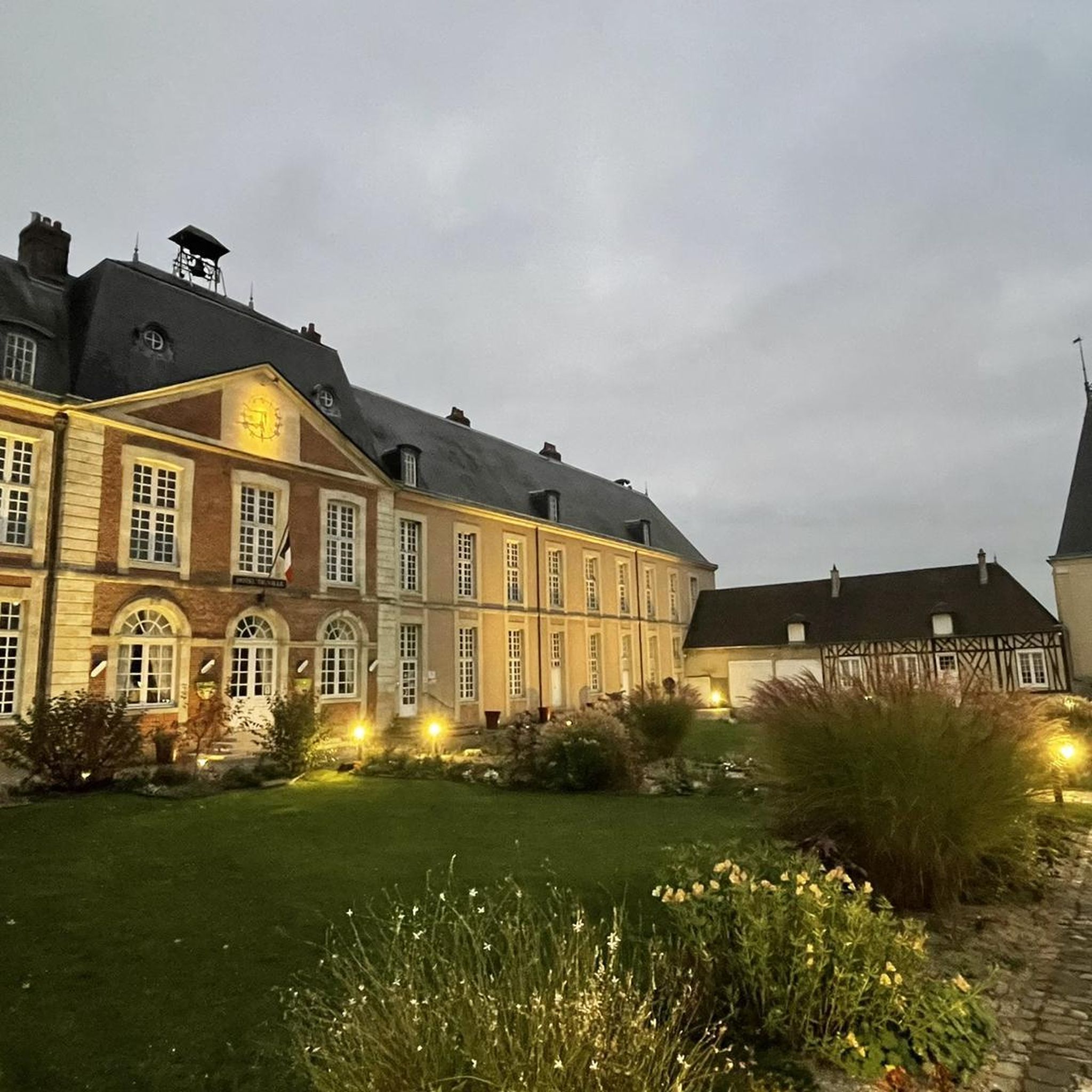
The garden of the Château de Bresles, which belonged to Odet de Coligny, was famous during the Renaissance for its beauty and its canals; Queen Catherine de Medici loved to stroll there.
1
0

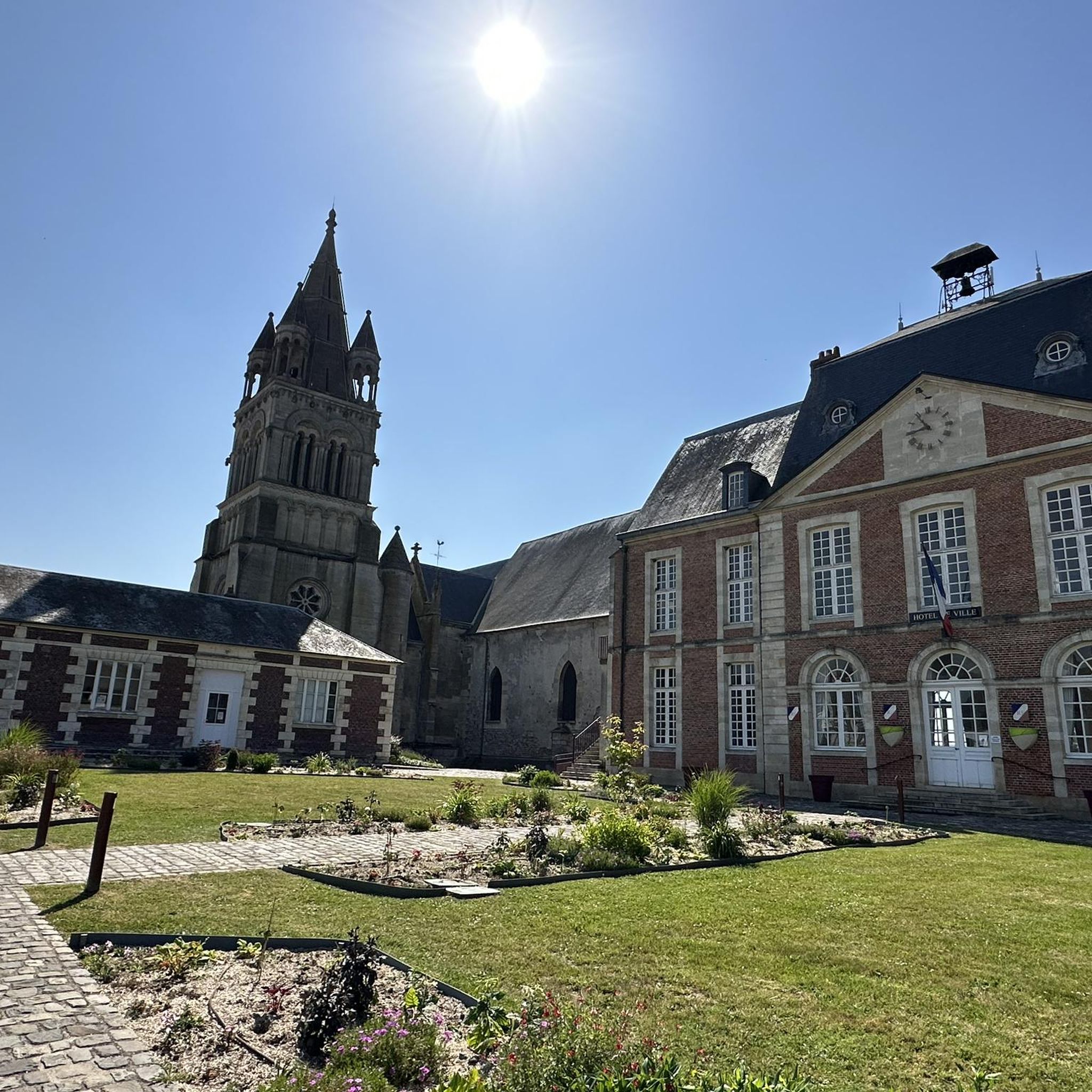
The castle of Bresles was the residence of the bishops of Beauvais, it is currently the town hall of Bresles which resides there. Only vestiges of the medieval fortress remain and the current castle was built at the beginning of the 18th century. It is composed of two wings at right angles with two floors surmounted by attics and a hipped roof. The entrance porch and the bastion surrounding the courtyard of the town hall are said to be the oldest parts.
0
0
This statue of Saint Louis (Louis IX) was erected in 1879 by the Duke of Aumale. Discussions as long as they are confusing have arisen about the birthplace of Saint Louis, which some place in Poissy while others place this holy king in La Neuville en Hez. For the curious, details here: http://laneuvilleenhez.com/d%C3%A9couvrir-le-village/histoire/saint-louis
1
0

The collegiate church of Saint Barthelemy, founded in 1037, was secularized during the French Revolution and converted into a residential building. After war damage and demolition, the preserved choir today reminds us of the former building.
2
0
Frequently Asked Questions
What historical sites can I visit in Bresles?
Bresles is rich in history. You can explore the impressive Bresles Castle, which now serves as the town hall and was once a summer residence for bishops. Don't miss the historic Église Saint-Gervais-et-Saint-Prothais, known for its 11th-century nave, or the 14th-century Chapelle Saint-Pierre-et-Saint-Paul. Another significant site is The Collegiate Church of Saint-Barthélemy, founded in 1037, with its preserved Gothic choir.
Where can I experience nature around Bresles?
For nature lovers, the Marais de Bresles (Bresles Marshes) offers diverse landscapes, including alkaline peat bogs and calcareous grasslands, home to unique plant and animal species. You can also visit Château Saint Louis Pond, a beautiful pond surrounded by forests and wetlands, perfect for enjoying the views and wildlife.
Are there family-friendly attractions or activities in Bresles?
Yes, several attractions are suitable for families. The Statue of Saint Louis is a historical monument that can be an interesting stop. The Château Saint Louis Pond offers a pleasant natural setting for walks. Additionally, The Collegiate Church of Saint-Barthélemy provides a glimpse into local history and architecture.
What cultural points of interest does Bresles offer?
Bresles has a few cultural highlights. The Musée Raymond Joly is dedicated to a master engraver and houses his collections, appealing to enthusiasts of engraving and numismatics. The town also hosts a lively weekly market every Thursday morning and a monthly 'market of flavors'. In November, Bresles is known for its Amateur Photography Festival.
Are there good places for walking or hiking near Bresles?
Yes, the area around Bresles offers various routes for outdoor activities. You can find numerous trails for walking and hiking, often passing by natural features like the Château Saint Louis Pond. For more structured routes, explore the nearby guides for cycling and mountain biking, which often include paths suitable for walking. You can find detailed routes in the MTB Trails around Bresles, Cycling around Bresles, and Road Cycling Routes around Bresles guides.
What outdoor activities can I do near these attractions?
Beyond exploring the attractions themselves, the region around Bresles is excellent for outdoor sports. You can find a variety of routes for mountain biking, road cycling, and general cycling. These routes often connect different points of interest and natural areas. Discover specific tours and their difficulties in the MTB Trails around Bresles, Cycling around Bresles, and Road Cycling Routes around Bresles guides.
Can I spot wildlife near Bresles?
Yes, the natural areas around Bresles are home to various wildlife. The Marais de Bresles is particularly noted for its remarkable plant and animal species. When visiting Château Saint Louis Pond, you can often observe local wildlife in its forest and wetland surroundings.
What is the significance of the Statue of Saint Louis?
The Statue of Saint Louis is a bronze monument representing King Louis IX of France. He was renowned for his piety and justice. The statue, erected in 1879, has historical ties to discussions about Saint Louis's birthplace and was moved to its current location outside the Château de Vincennes in 1971.
What do visitors enjoy most about Bresles?
Visitors appreciate Bresles for its blend of historical charm and natural beauty. The architectural heritage, such as Bresles Castle and ancient churches, offers a journey into the past. The serene landscapes around Château Saint Louis Pond and the Marais de Bresles provide opportunities for relaxation and outdoor activities. The komoot community has shared over 10 photos and given more than 40 upvotes to the attractions, highlighting their appeal.
Are there any viewpoints in the Bresles area?
While not a traditional panoramic viewpoint, the location of the Statue of Saint Louis is considered a viewpoint, offering a specific perspective on the surrounding area and its historical context.
Can I find any unique architectural details in Bresles' churches?
Yes, the Église Saint-Gervais-et-Saint-Prothais is particularly notable for its 11th-century nave, making it one of the oldest in the region. It also features elegant Gothic flamboyant style with Renaissance touches and a 19th-century neo-Romanesque bell tower, showcasing a blend of architectural periods. The Collegiate Church of Saint-Barthélemy, though largely altered, still preserves its Gothic choir.
What is the history of Bresles Castle?
The Bresles Castle, an 18th-century structure, stands on the foundations of an earlier 13th-century fortified castle. It served as a summer residence for the bishops of Beauvais and was known for its beautiful gardens, which were appreciated by nobility, including Catherine de Medici. Today, it functions as the town hall of Bresles.

Get inspired with the komoot mobile app


Explore more
Still not found the Highlight you’re looking for? See guides of the top attractions in other regions:
