The best cycling routes around Villebon-Sur-Yvette
4.3
(1589)
12,277
riders
497
rides
Touring cycling around Villebon-Sur-Yvette offers a network of routes that integrate with the broader Paris-Saclay agglomeration cycle path system. The area is characterized by the Yvette River and its promenade, diverse natural features like the Bois de Gelles, and protected wetlands. Dedicated cycling infrastructure connects urban areas with green corridors, providing varied terrain for cyclists.
Best touring cycling routes around Villebon-Sur-Yvette
- The most popular touring cycling route is Greenway – View of the Château de Sceaux loop from Palaiseau -…
Last updated: July 4, 2026
4.3
(74)
435
riders
32.8km
02:02
280m
280m
Moderate bike ride. Good fitness required. Mostly paved surfaces. Suitable for all skill levels.
4.7
(33)
155
riders
48.3km
02:55
350m
350m
Moderate bike ride. Good fitness required. Mostly paved surfaces. Suitable for all skill levels.

Sign up for free
4.6
(18)
148
riders
31.7km
01:57
190m
190m
Moderate bike ride. Good fitness required. Mostly paved surfaces. Suitable for all skill levels.
4.8
(23)
86
riders
15.8km
01:00
70m
70m
Easy bike ride. Great for any fitness level. Mostly paved surfaces. Suitable for all skill levels.
4.6
(12)
42
riders
39.7km
02:37
270m
270m
Hard bike ride. Good fitness required. You may need to push your bike for some segments of this route.
Get access to more routes and recommendations from other explorers.
Sign up for free
Already have an account?
Our route recommendations are based on thousands of hikes, rides, and runs completed by other people on komoot.
Start today with a free account
Your next adventure awaits.
Login or Signup
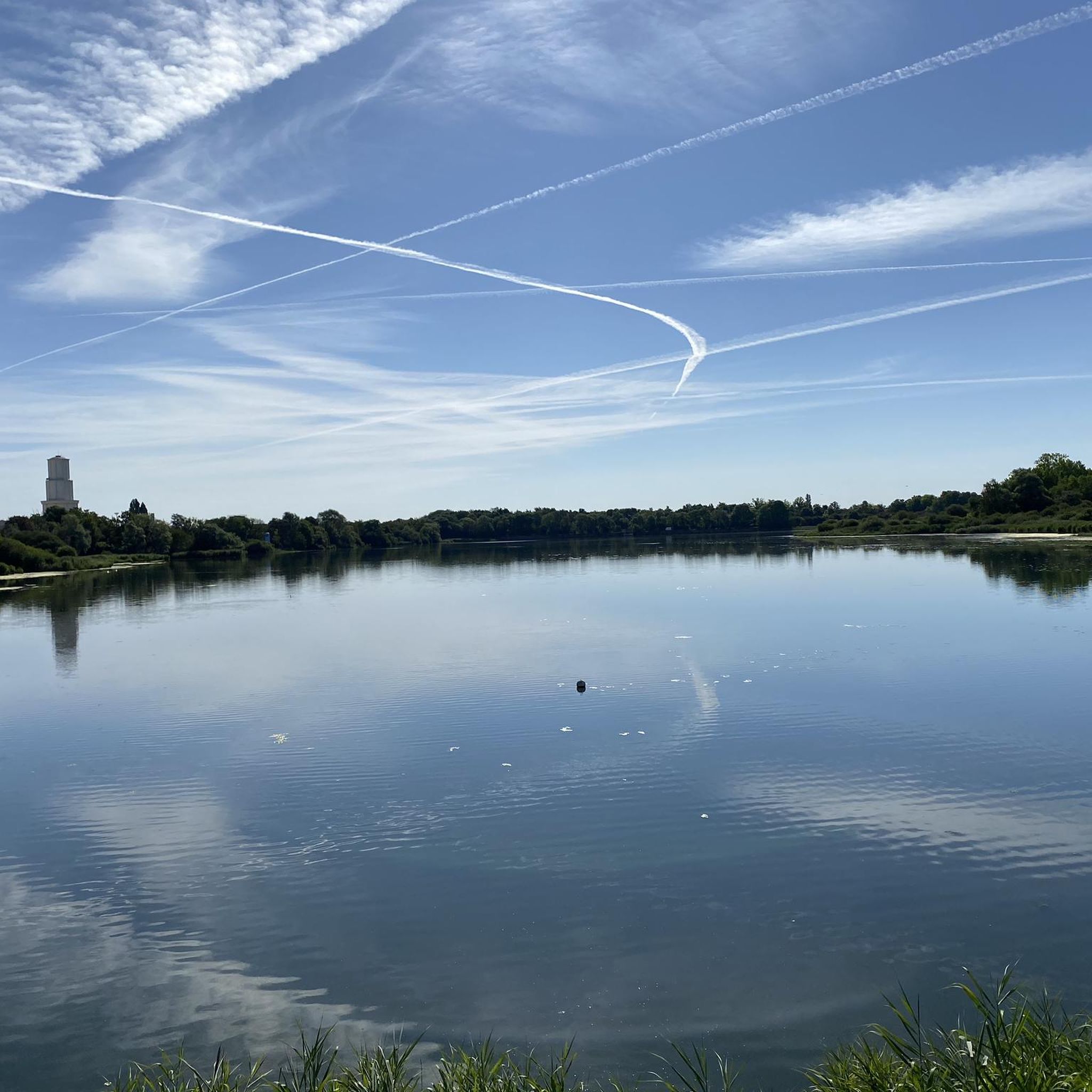
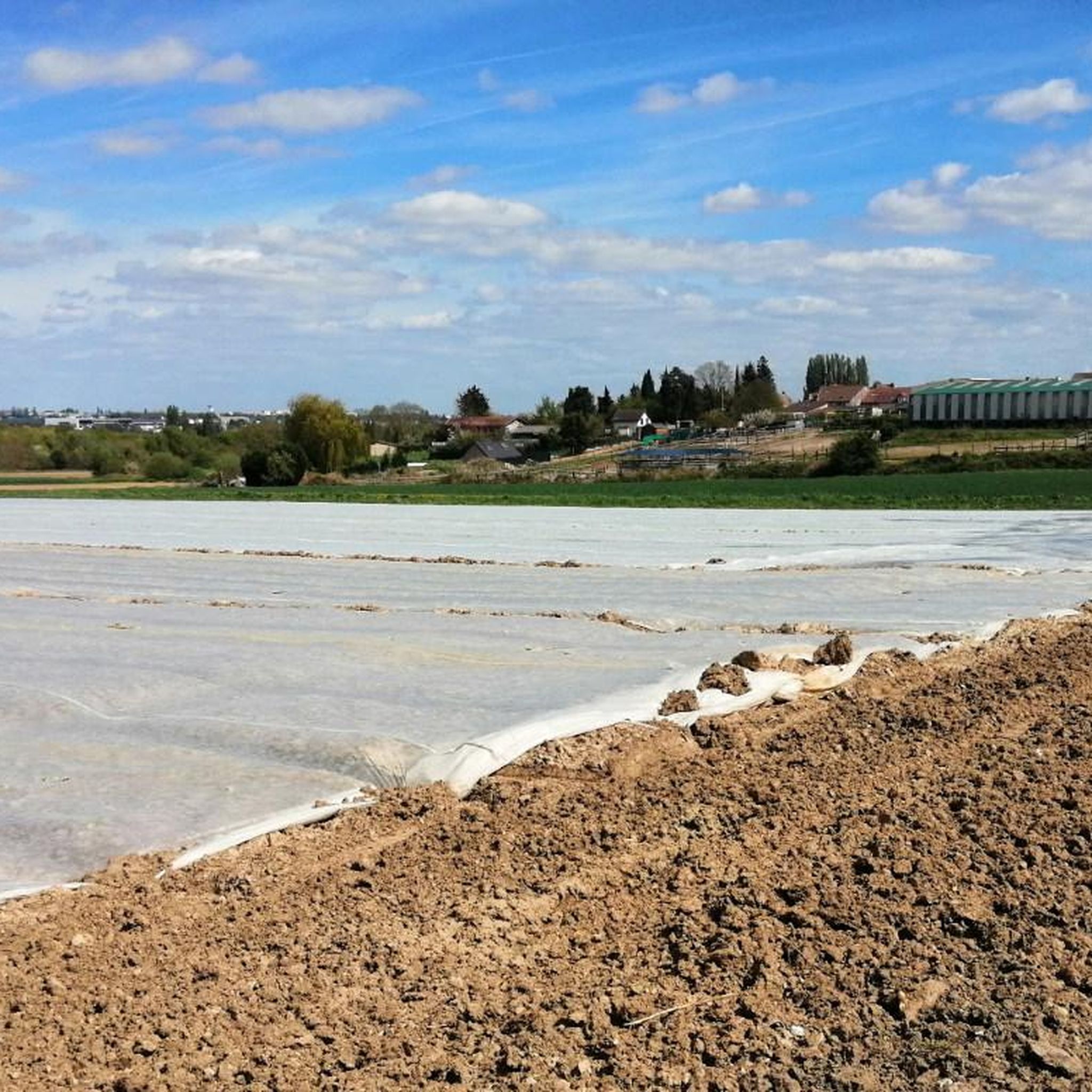
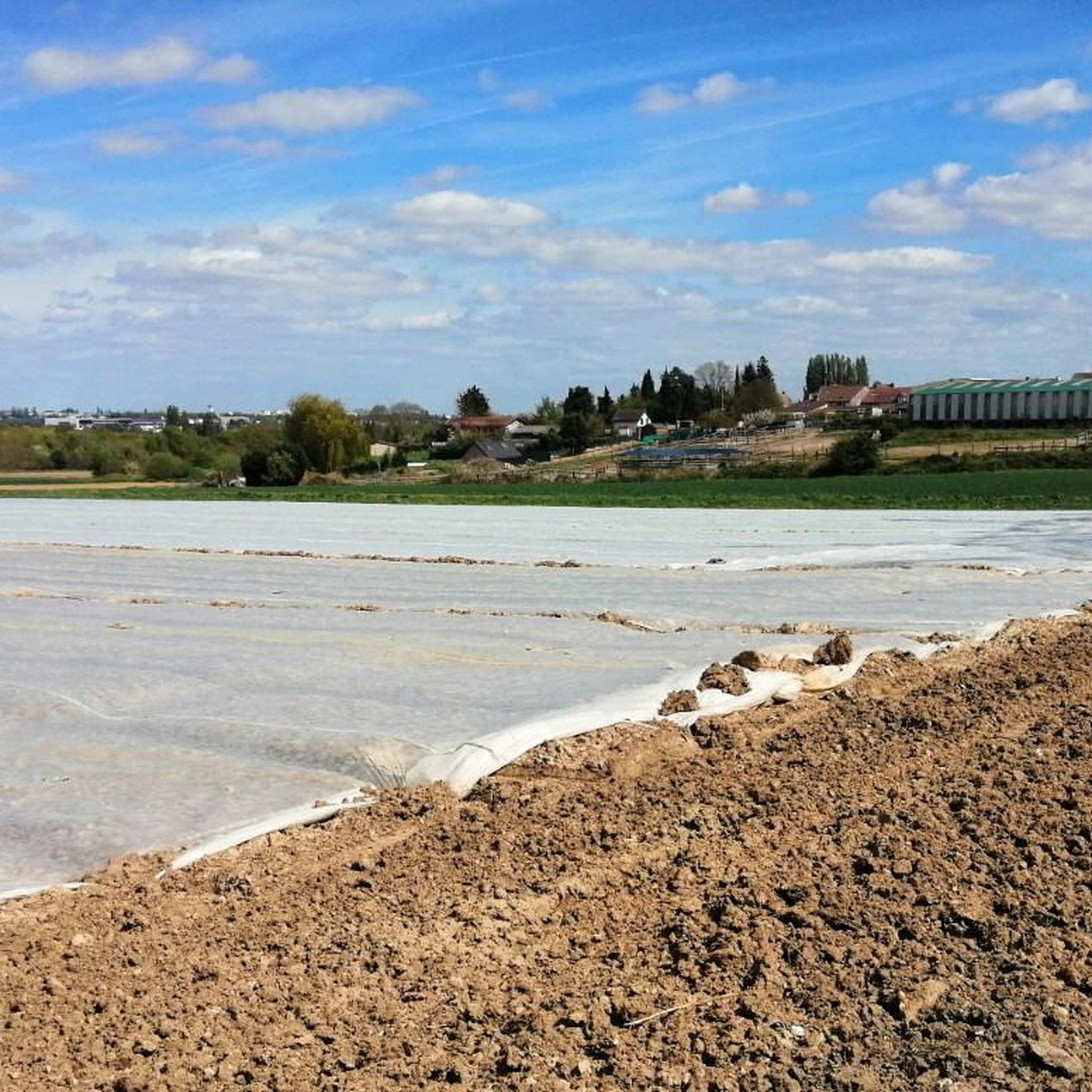
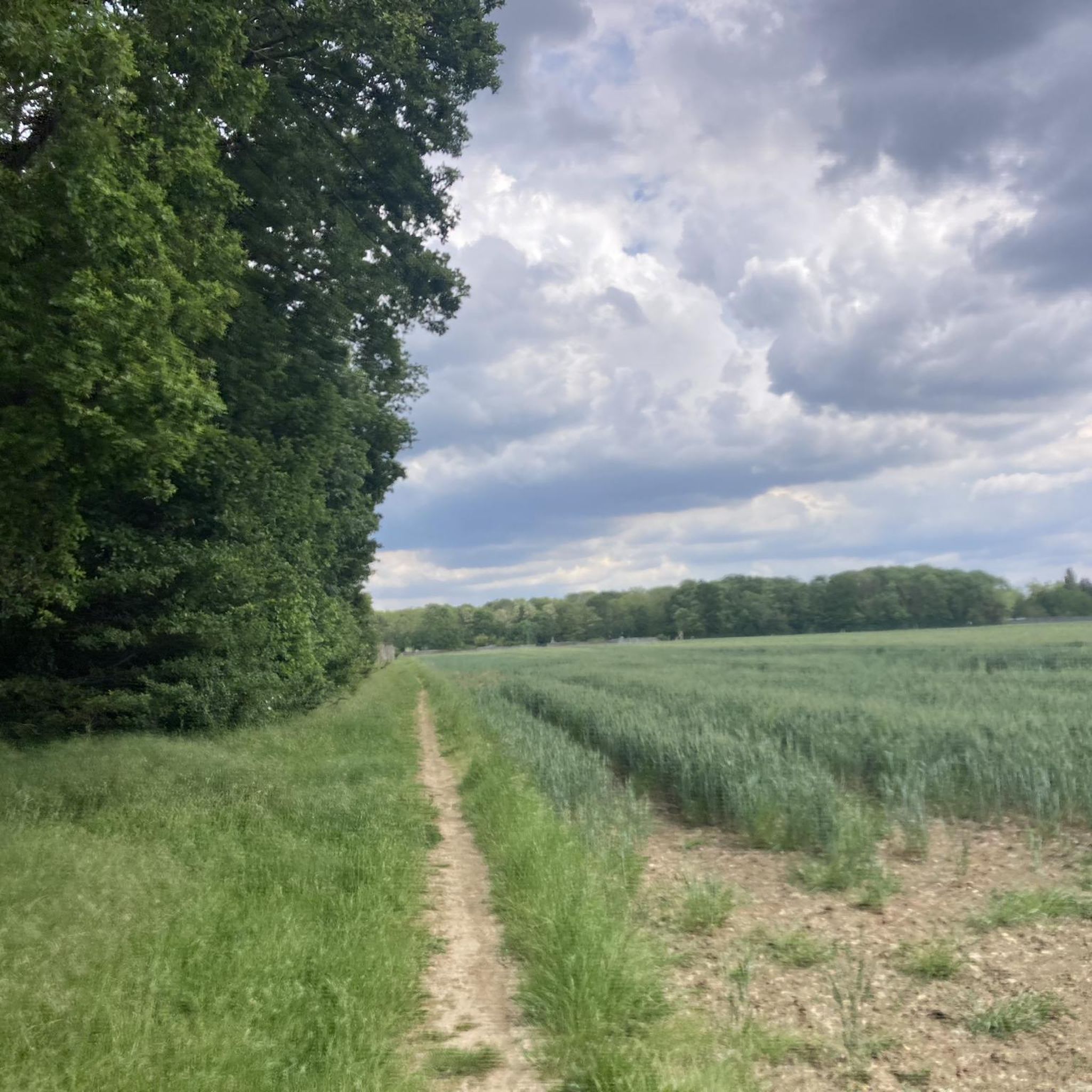
Tips from the Community

Difficult route if you are there to ride. I do not recommend it to cyclists other than touring cyclists.
0
0

The Luxor Obelisk on the Place de la Concorde is the oldest monument in Paris. It is well over 3,000 years old and originally came from Egypt. Here are the most important facts about its history and the monument: Origin and Age Location in Egypt: It originally stood with a second obelisk in front of the entrance to the Luxor Temple. Time: It was made during the reign of Pharaoh Ramses II (13th century BC). The Gift: The viceroy of Egypt, Muhammad Ali Pasha, gave the obelisk to France in 1829 as a sign of friendship. The second obelisk remained in Egypt and was only officially "returned" by France in the 1990s (so it is still in Luxor). Transport to Paris The Journey: The transport was a technical masterpiece. The over 220-ton monolith of granite had to be shipped across the Nile, the Mediterranean Sea, and the Atlantic Ocean to Paris. The journey took almost three years. Erection: It was finally erected in 1836 under King Louis-Philippe I in the center of the Place de la Concorde. This location was deliberately chosen as a "neutral" monument to cover up the bloody history of the square during the French Revolution. Special Features Hieroglyphs: The inscriptions praise the deeds of Ramses II. The Golden Tip: The original tip was missing (it was probably stolen in ancient times). In 1998, France placed a new pyramid tip covered with gold leaf on the obelisk, as it would have looked in ancient Egypt. The Base: Diagrams are engraved on the base, explaining with which lifting devices and machines the obelisk was erected in the 19th century. Dimensions It is about 23 meters high and consists of a single piece of yellow granite.
0
0

The Louvre Pyramid is the glass and metal structure located in the Cour Napoléon, the central courtyard of the Louvre Museum in Paris. It serves as the main entrance to the museum and is one of the most photographed contemporary architectural works in the world.
18
3

A very pleasant route for cycling.
0
0

Bonus tip: bring food for the ducks
0
0

On the top floor (3rd floor), Eiffel set up a small private apartment. There he received, among others, Thomas Edison. The apartment still exists today and can be viewed through a window.
26
0

Since the end of the 19th century, the tip of the Eiffel Tower has risen into the Parisian sky. Now an undisputed national symbol of France, its permanent presence was not originally planned. At the start of the project, the usage rights attached to the construction contract were set at only 20 years. After that, the tower was supposed to be dismantled. Well, it's still standing today. Can we really imagine Paris without the Eiffel Tower?
9
0

A lovely walk reminiscent of the old route of the Bievres Valley. Luckily, we avoided the extension of the A10 to the ring road! A fun route, but watch out for pedestrians and cross streets...
0
0
Frequently Asked Questions
How many touring cycling routes are available in Villebon-sur-Yvette?
There are over 470 touring cycling routes around Villebon-sur-Yvette, offering a wide variety of options for different skill levels and preferences.
What are the difficulty levels of touring cycling routes in Villebon-sur-Yvette?
The routes cater to all abilities. You'll find approximately 165 easy routes, 180 moderate routes, and 130 more challenging routes for experienced cyclists.
Are there family-friendly touring cycling routes in Villebon-sur-Yvette?
Yes, many of the easy routes are suitable for families. The area features dedicated cycling infrastructure and green corridors, such as the Promenade de l'Yvette, which are ideal for leisurely rides. The "Coulée verte du sud parisien" also offers a 14-kilometer path suitable for cycling with a focus on safety and natural beauty.
What kind of natural landscapes will I encounter on touring cycling routes in Villebon-sur-Yvette?
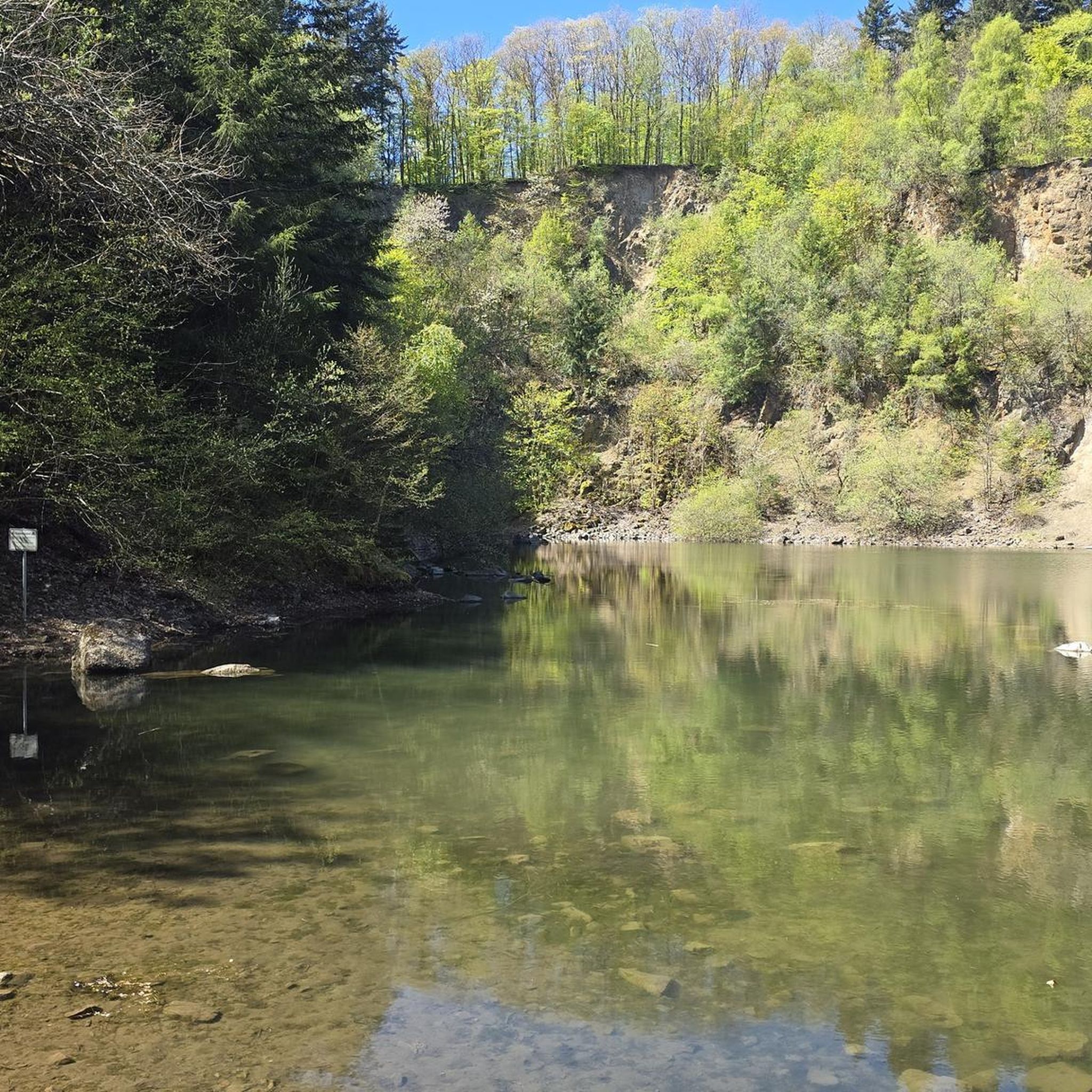
You can expect diverse scenery, including the tranquil Yvette River and its promenade, marshy areas with rich ecosystems, and wooded areas like the Bois de Gelles. The region is committed to preserving its natural environment, with nearly half of its territory designated as unbuildable, ensuring plenty of green spaces and biodiversity hotspots.
Are there any notable attractions or landmarks to see along the cycling routes?
Yes, several routes offer views of historical and natural points of interest. For instance, the Greenway – View of the Château de Sceaux loop from Palaiseau - Villebon provides glimpses of the 19th-century Château de Sceaux. You might also pass by the Saclay Pond, an ornithological reserve, or the town's own historic Château de Villebon-sur-Yvette.
Are there options for longer touring cycling routes near Villebon-sur-Yvette?
Absolutely. The local cycling itineraries integrate with the broader Paris-Saclay agglomeration cycle path network, allowing for longer rides. For example, the Eiffel Tower – Eiffel Tower and Quai d'Orsay loop from Palaiseau extends into Paris, offering a substantial 29.8-mile (48.0 km) urban cycling experience.
Can I access touring cycling routes using public transport in Villebon-sur-Yvette?
Yes, the region's cycling network is designed for accessibility. One itinerary specifically connects the Orsay entrance to Avenue du Général-de-Gaulle and Avenue du Général-Leclerc in Palaiseau, further linking Massy-Palaiseau station to Saint-Rémy-lès-Chevreuse, making it convenient to start your ride after arriving by public transport.
Are there circular touring cycling routes available?
Many of the touring cycling routes in Villebon-sur-Yvette are designed as loops, allowing you to start and end your journey at the same point. Examples include the Saulx Basin – Saulx-les-Chartreux Basin loop from Lozère and the Saulx-les-Chartreux Basin – Saulx Basin loop from Palaiseau.
What do other touring cyclists enjoy most about cycling in Villebon-sur-Yvette?
The area is highly rated by the komoot community, with an average score of 4.4 stars from over 1500 reviews. Cyclists often praise the blend of dedicated cycling paths, the picturesque natural landscapes along the Yvette River, and the accessibility to both urban and green spaces.
Are there bike rental services available in Villebon-sur-Yvette?
Yes, bike rental services are available in Villebon-sur-Yvette, including options for electric-assist bikes. This makes it easier to explore the town and its neighboring areas, especially if you don't have your own equipment.
What is the best time of year for touring cycling in Villebon-sur-Yvette?
While cycling is enjoyable year-round, spring and autumn offer particularly pleasant conditions with mild temperatures and vibrant natural scenery. The Yvette River promenade and various green corridors are beautiful during these seasons, though summer also provides long daylight hours for extended rides.
Are there any challenging touring cycling routes for advanced riders?
Yes, for more experienced cyclists seeking a challenge, there are approximately 130 difficult routes. An example is the La Vauve Farm – Vauboyen Estate loop from Palaiseau, which covers a distance of 24.5 miles (39.4 km) with significant elevation changes.
Most popular routes around Villebon-Sur-Yvette
Most popular attractions around Villebon-Sur-Yvette

Get inspired with the komoot mobile app


Explore more
Browse the best Cycling routes in other regions.
