Attractions and Places To See around Chenecey-Buillon - Top 20
Best attractions and places to see around Chenecey-Buillon include a blend of historical landmarks, natural features, and cultural sites within the Doubs department of France. The area is characterized by its position along the Loue river valley and features diverse landscapes such as dry grasslands, cliffs, and thickets. Visitors can explore ancient churches, historical bridges, and significant natural reserves. The region offers a variety of attractions for those interested in history, architecture, and the outdoors.
Best attractions and places to…
Last updated: October 23, 2026
Citadel of Besançon
Highlight • Viewpoint
Construction of the Citadelle began in 1668 under the direction of the …
Translated by Google •
Tip by

Thoraise Tunnel
Highlight • Historical Site
On the upstream side, pay attention to the curtain …
Translated by Google •
Tip by

Sign up now to discover places like this
Get recommendations on the best single tracks, peaks, & plenty of other exciting outdoor places.
Porte Noire (Black Gate)
Highlight • Monument
Translated by Google •
Tip by
Saint Peter's Church
Highlight • Religious Site
Translated by Google •
Tip by

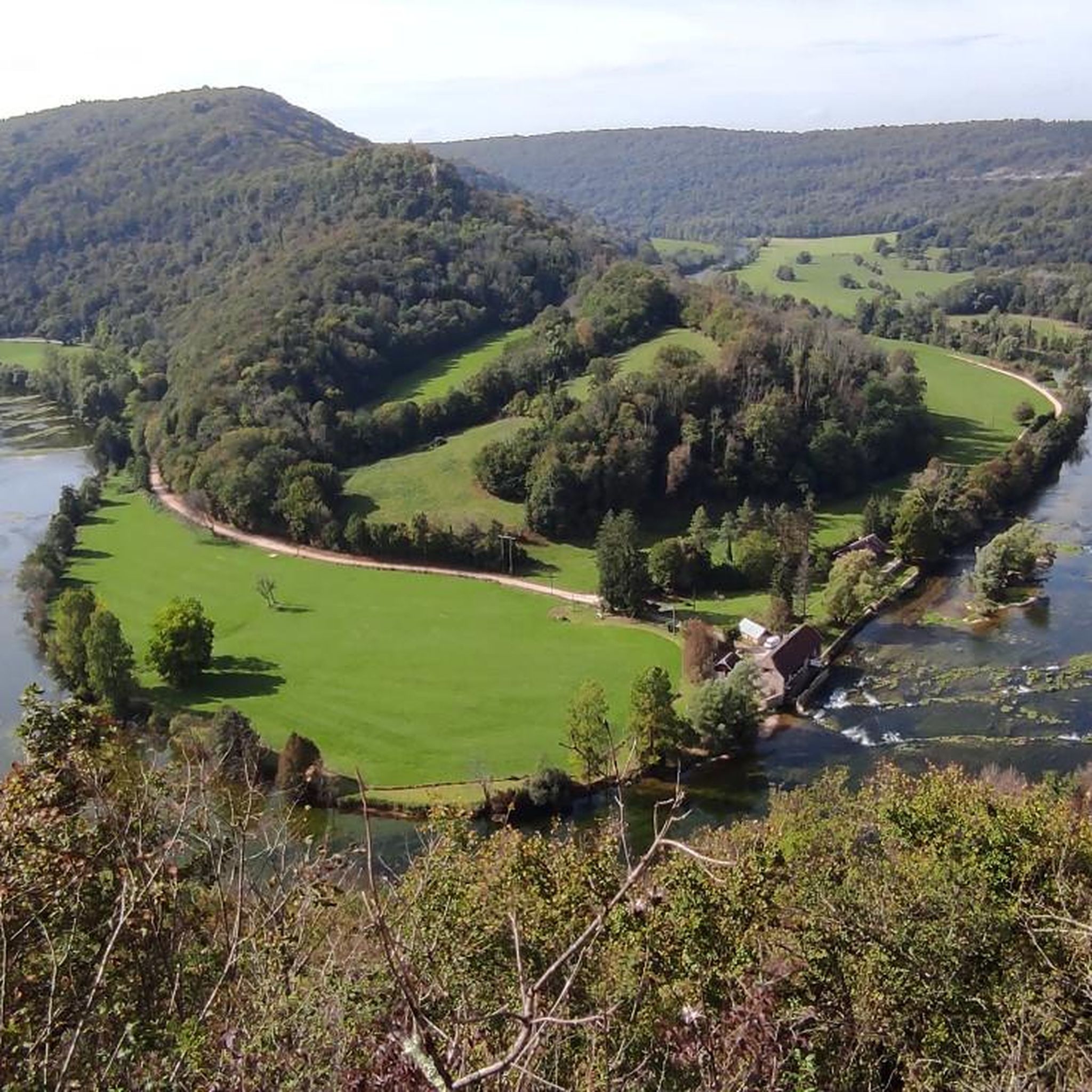
The Doubs
Highlight • River
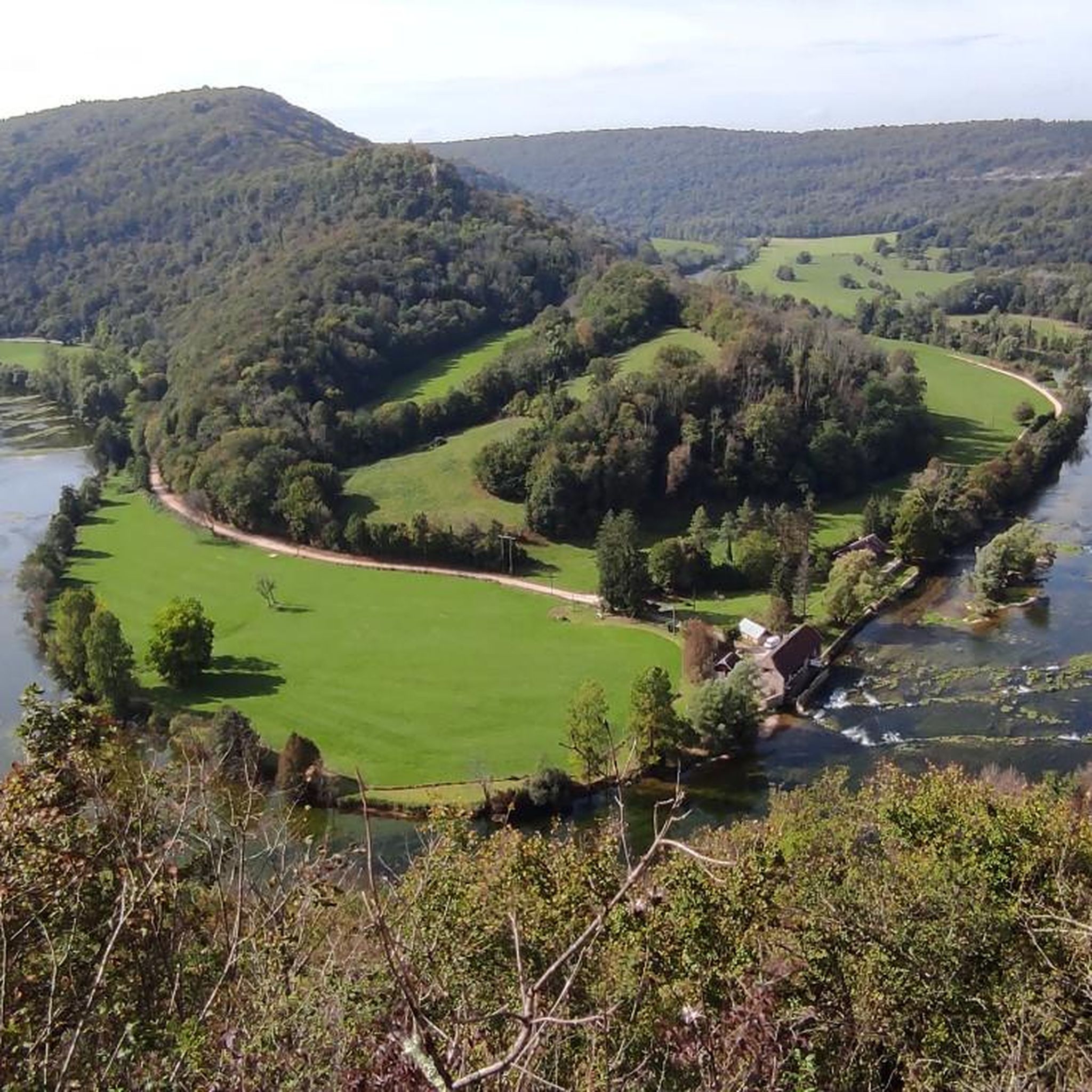
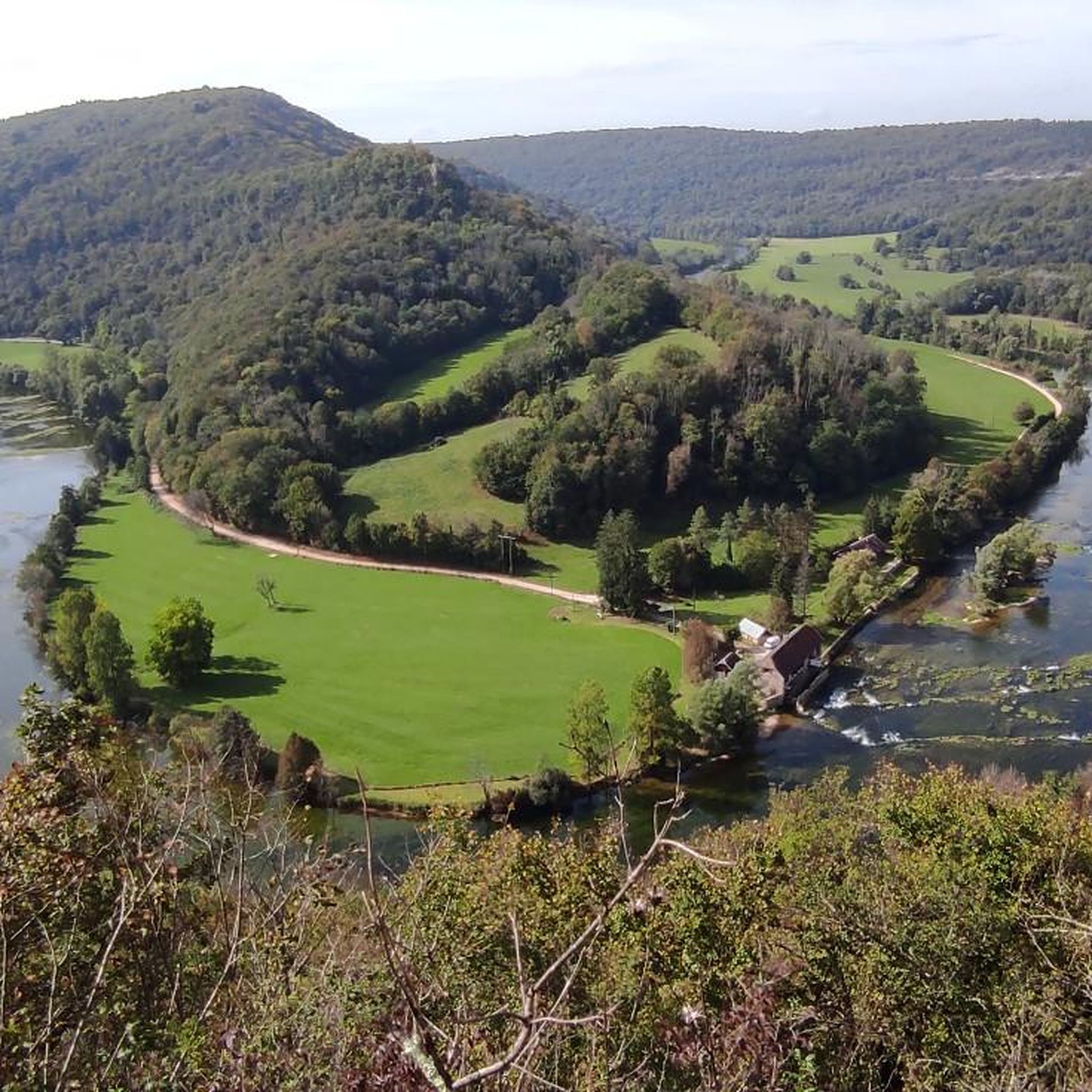
Indeed, the lock is a landmark for gray herons …
Translated by Google •
Tip by
Sign up for free to discover even more attractions around Chenecey-Buillon.
Already have an account?
Start today with a free account
Your next adventure awaits.
Tips from the Community

Imposing complex which is worth a visit.
0
0

Founded in the 4th century, the current church was built from 1782 to 1786 according to the plans of architect Claude-Joseph-Alexandre Bertrand. The significant height of the bell tower is explained by its role as the town hall's belfry, thus carrying the municipal bell high up, and as a watchman's lodge.
0
0

Located in an ideal place to see it from afar as well.
1
0


A ship tunnel (1810) that can be walked through from the side as a shortcut for the Le Doubs river canal. On the other side of the canal there is a lock about 3-4 m high. There is a water curtain at both portals and the interior is beautifully and decoratively lit. Worth seeing.
2
0

It is also possible to walk through the tunnel.
5
0

This Gallo-Roman triumphal arch was built around 175 AD in honor of the Emperor Marcus Aurelius after the victory over the Parthians in 166 and is characterized by a very rich sculpture. The columns are decorated with plant motifs, legendary scenes (mythology) and battle scenes.
3
0
On the square in front of the church, several restaurants have their outdoor areas under the trees. The church can be visited. A dark, mystical interior. Information about the church building here: https://fr.wikipedia.org/wiki/%C3%89glise_Saint-Pierre_de_Besan%C3%A7on
2
0
Frequently Asked Questions
What natural attractions can I explore around Chenecey-Buillon?
The region offers several natural points of interest. You can visit the Chênecey Cave Regional Nature Reserve, known for its diverse flora and significant bat colonies, though access to the cave is restricted. There's also a scenic View of the Besançon citadel from the greenway, offering picturesque perspectives of the Doubs river valley.
Are there historical landmarks to visit directly within Chenecey-Buillon?
Yes, Chenecey-Buillon itself boasts several historical landmarks. These include The Church, dating back to 1120, Notre Dame de la Salette, erected in remembrance of a cholera epidemic, the historic Chenecey Bridge from 1835, and the restored Old Village Fountain. You can also find Fontaine Mathieu, believed to be the center of the commune's first inhabited area.
What kind of outdoor activities are available near these attractions?
The area around Chenecey-Buillon is excellent for outdoor enthusiasts. You can find numerous routes for road cycling, general cycling, and running. For example, there are road cycling routes like the 'Thoraise Canal Tunnel – Thoraise Tunnel loop' and various cycling tours including the 'Citadel of Besançon – Citadel of Besançon loop'. Running trails, such as the 'Chemin des crêtes – View of Besançon loop', are also popular. You can find more details on these activities in the respective guides for Road Cycling Routes, Cycling, and Running Trails around Chenecey-Buillon.
Can I find family-friendly attractions in the area?
Absolutely. The Citadel of Besançon is a highly recommended family-friendly destination. It's a UNESCO World Heritage site featuring several museums, including the Comtois Museum and the Besançon Zoo, offering engaging experiences for all ages. The first access to the Citadel, including a beautiful green esplanade and views, is free.
Where can I experience unique views or perspectives?
For stunning views, head to the Citadel of Besançon, which offers breathtaking panoramas over the city and the surrounding valley. Another excellent spot is the View of the Besançon citadel from the greenway, providing a unique perspective of the UNESCO-listed fortress from along the Doubs river.
What is the Chênecey Cave Regional Nature Reserve, and can I visit it?
The Chênecey Cave Regional Nature Reserve is a protected area spanning approximately 8 hectares along the Montrond plateau and the Loue valley. It's classified for its dry grasslands, cliffs, and thickets, and is home to diverse flora, including a protected orchid species, and significant bat colonies. Access to the cave itself is restricted to protect the bats, but supervised visits can be arranged between April 1st and August 31st through the Departmental Speleology Committee of Doubs.
Are there any notable bridges or unique architectural features?
Yes, the Thoraise Tunnel is a unique architectural feature. It's a canal breakthrough that saves 4 km of navigation on the Doubs river, notable for its water curtain at the entrance on the upstream side. You can even walk through it on a special footbridge. Additionally, the historic Chenecey Bridge, built in 1835, is a significant local landmark.
What historical sites are located just outside Chenecey-Buillon?
Beyond Chenecey-Buillon, you can explore the impressive Citadel of Besançon, a UNESCO World Heritage site and a masterpiece of military architecture by Vauban. Another significant site is the Royal Saltworks of Arc-et-Senans, an 18th-century former salt factory and also a UNESCO World Heritage site, located about 17-18 km away.
What is the best time of year to visit Chenecey-Buillon for outdoor activities?
The spring and summer months (April to August) are generally ideal for outdoor activities around Chenecey-Buillon, offering pleasant weather for cycling, running, and exploring the natural reserves. Supervised visits to the Chênecey Cave Regional Nature Reserve are also available during this period.
Are there any ancient Roman structures nearby?
Yes, in nearby Besançon, you can find the Porte Noire (Black Gate). This Roman triumphal arch, built around 175 AD, is considered one of the best-preserved Roman triumphal arches in France and testifies to the Roman presence in ancient Vesontio (Besançon).
What do visitors particularly enjoy about the attractions around Chenecey-Buillon?
Visitors frequently praise the historical significance and architectural splendor of sites like the Citadel of Besançon, often highlighting its breathtaking views and diverse museums. The unique experience of the Thoraise Tunnel, with its water curtain, is also a popular talking point. The blend of historical sites and natural beauty, such as the greenway views, is highly appreciated.
Is there a historical castle in the immediate vicinity of Chenecey-Buillon?
Yes, the Château de Buillon, a 16th and 18th-century castle that was formerly an abbatial palace, is located in Buillon, upstream from Chenecey-Buillon on the Loue river. While it is private property and not open for visits, its gardens and park are recognized in the General Inventory of Cultural Heritage. For more information, you can refer to its Wikipedia page.
Most popular routes around Chenecey-Buillon
Most popular attractions around Chenecey-Buillon

Get inspired with the komoot mobile app


Explore more
Still not found the Highlight you’re looking for? See guides of the top attractions in other regions:
