Top 9 Castles around Montagny-En-Vexin
Best castles around Montagny-En-Vexin are found within the Vexin region, offering a range of historical and architectural sites. While Montagny-en-Vexin itself features castle ruins, the surrounding area provides numerous well-preserved examples. This region, known for its historical significance and varied landscapes, presents opportunities to explore medieval fortifications and classical châteaux. Visitors can discover structures that played strategic roles in French history, often set within extensive grounds or unique natural settings.
Best castles around Montagny-En-Vexin
- The most popular castles is Gisors…
Last updated: July 6, 2026
Gisors Castle
Highlight • Castle
Translated by Google •
Tip by

Moussy Castle
Highlight • Castle
Translated by Google •
Tip by

Sign up now to discover places like this
Get recommendations on the best single tracks, peaks, & plenty of other exciting outdoor places.
Sign up for free
Villarceaux Estate
Highlight • Castle
Built in the 17th century, the chateau has housed prominent …
Tip by

Guiry-en-Vexin Castle
Highlight • Castle
Translated by Google •
Tip by

Castle of Château-sur-Epte
Highlight • Castle
Translated by Google •
Tip by

Sign up for free to discover even more castles around Montagny-En-Vexin.
Sign up for free
Already have an account?
Start today with a free account
Your next adventure awaits.
Login or Signup



Tips from the Community

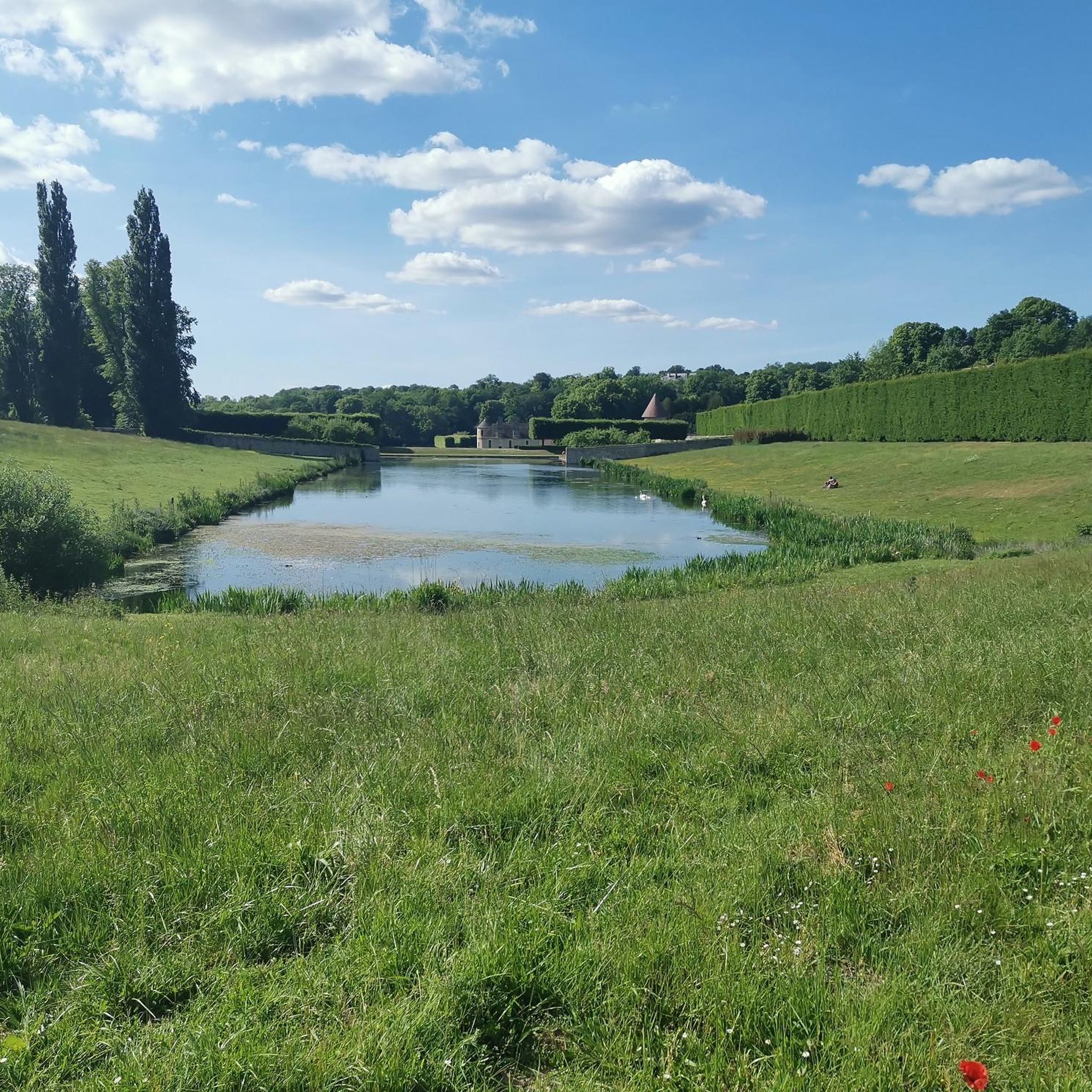
Simple and beautiful lines for this castle which is found there almost by surprise
0
0

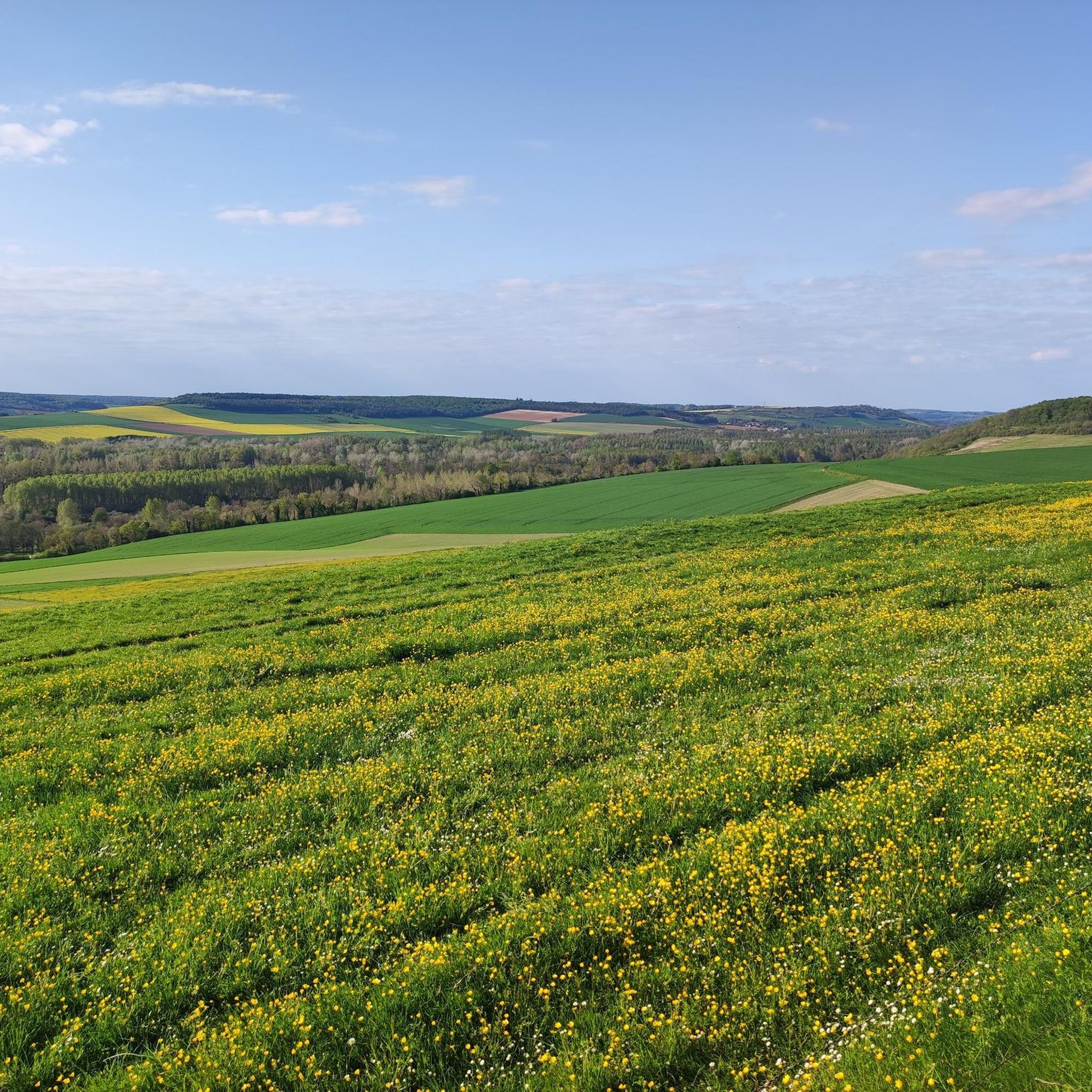
Lots of beautiful things to see in this part of Vexin
1
0


A military fortress with a defensive purpose, built in 1097, during the reign of William the Conqueror's second son, Gisors Castle marks a major page in the medieval history of Normandy. This fortification was intended to protect the Norman possessions of the King of England against the ambitions of the King of France. A true border place and eastern lock of Normandy, it was part of a vast campaign of fortifications in the Epte Valley, the natural boundary between the two kingdoms.
0
0

Nothing to add to the description from Wikipedia, except that it is a peaceful place that charms with its elegance.
0
0

Villarceaux constitutes a unique ensemble: its 70 hectare park and its two castles (16th century manor and 18th century castle). The estate has existed since the 11th century.
0
0
Châteauneuf-sur-Epte is an ancient castle on motte which was founded in 1097 by the Duke of Normandy and whose remains stand in the French commune of Château-sur-Epte in the Eure department, in the Normandy region. It was one of the ducal castles controlling Epte, the border with the Kingdom of France. Under Henry II of England, the castle was considerably fortified.
0
0

Old fortified castle, built between the end of the 11th and the 12th century, today in ruins.
0
0
Frequently Asked Questions
What are some of the most historically significant castles in the Vexin region?
The Vexin region is rich in history. The Château de Gisors is a prime example, having served as a crucial fortress for the Dukes of Normandy in the 11th and 12th centuries. Its strategic role in defending Norman territories against French ambitions makes it a key historical site. Another significant site is the Castle of Château-sur-Epte, a medieval ruin from the 11th century built by William II of England to defend Norman lands.
Which castles are particularly family-friendly?
Several castles in the area offer great experiences for families. The Château de Gisors is listed as family-friendly and offers exploration of its impressive motte and Prisoner's Tower. The Villarceaux Estate is also family-friendly, with its vast park and diverse gardens providing ample space for children to explore. The unique Moussy Castle, with its strong entrance and two round towers, can also spark imagination.
Are there any castles known for their beautiful gardens or natural surroundings?
Absolutely! The Villarceaux Estate is renowned for its magnificent and diverse gardens, including medieval, Renaissance, French, and English styles, earning it the 'Remarkable Gardens' label. It features intricate water features and lakes. The Château d'Ambleville is celebrated for its Italian-inspired terraced gardens, redesigned to emulate the Villa Gamberaia in Florence, making them one of the finest examples of Renaissance gardens in France.
Can I visit these castles with my dog?
Dog policies vary by location. While some castle grounds or parks might allow dogs on a leash, interiors are typically restricted. For example, the Domaine de Villarceaux has specific dog policies, and it's always best to check directly with each castle before your visit. For walks near castles, you might find dog-friendly trails in the surrounding Vexin Français Regional Natural Park.
What outdoor activities can I do near these castles?
The Vexin region offers various outdoor activities. You can find numerous hiking trails, such as the 'Discovering Magny' route, or longer loops like 'Pillars of the Porte de Paris' near Magny-en-Vexin. For cyclists, there are road cycling routes like the 'Moussy Castle – Wy-dit-Joli-Village loop' or the 'Château de Boury – The Epte River loop'. Gravel biking options are also available, including routes around the Villarceaux Estate. You can find more details on these activities in the Hiking around Montagny-En-Vexin, Road Cycling Routes around Montagny-En-Vexin, and Gravel biking around Montagny-En-Vexin guides.
Are there any castles with classical French architecture?
Yes, the Château de Boury is a notable example of classical French architecture, constructed between 1683 and 1691 with designs attributed to Jules Hardouin-Mansart. It features symmetrical facades, intricate stone ornaments, and a large central courtyard. The Guiry-en-Vexin Castle, built from 1665, also showcases classical design, with its plans originally drawn by François Mansart.
What is the best time of year to visit the castles and their gardens?
The spring and summer months, particularly July and August, are ideal for visiting the castles, especially those with extensive gardens like Château d'Ambleville and the Villarceaux Estate, when the flora is in full bloom. The weather is generally pleasant for exploring the grounds and enjoying outdoor activities. Autumn can also offer beautiful scenery with changing foliage.
Where can I find the best views of the castles or the Vexin landscape?
The Villarceaux Estate offers breathtaking panoramic views of the Vexin landscape from its extensive grounds. For a unique perspective, ascending to the medieval keep of the Château de La Roche-Guyon, which is partially sculpted into the limestone cliffs, provides spectacular views of the Seine River and the surrounding area.
Are there any unique or unusual castles to visit?
The Château de La Roche-Guyon stands out as a truly unique fortress. It's partially sculpted into the limestone cliffs, featuring a medieval keep perched atop a hill connected to a lower stronghold by a rock-carved tunnel. Its distinctive troglodytic (cave-dwelling) elements and seamless integration with the cliff face make it a captivating destination unlike any other.
What kind of historical artifacts or collections can I expect to see inside the castles?
Many castles offer insights into aristocratic life. The Château de Boury, for instance, features interiors furnished with 17th-century pieces, and guided tours often include salons, a chapel, and a period kitchen. The Château d'Ambleville boasts an 18th-century grand staircase, leather-lined rooms, a tapestry gallery, and ebony cabinets, providing a glimpse into its rich past.
Are there any castles with connections to famous historical figures?
Yes, several castles have notable historical associations. The Villarceaux Estate is historically significant for its role in defending against English forces and its associations with figures like Ninon de Lenclos and Madame de Maintenon. The Château de La Roche-Guyon notably served as Field Marshal Rommel's headquarters during World War II, adding a layer of modern history to its ancient roots.
Most popular routes around Montagny-En-Vexin
Most popular attractions around Montagny-En-Vexin

Get inspired with the komoot mobile app


Explore more
Looking for the best castles somewhere else? Discover other guides around Montagny-En-Vexin:
