Top 4 Castles around Yvrac
Best castles around Yvrac France are primarily historic noble houses and wine estates, rather than traditional medieval fortresses. The region is known for its vineyards and properties that blend historical architecture with active wine production. Yvrac offers a glimpse into the Bordeaux wine region's heritage and agricultural landscape. Many of these châteaux provide unique visitor experiences, from wine tourism to historic accommodations.
Best castles around Yvrac
- The most popular castles is Château du Grand Puch, a castle that is…
Last updated: May 20, 2026
Château du Hâ, Palais Justice & École nationale magistrature
Highlight • Castle
Translated by Google •
Tip by

Château du Dragon
Highlight • Castle
Translated by Google •
Tip by

Sign up now to discover places like this
Get recommendations on the best single tracks, peaks, & plenty of other exciting outdoor places.
Sign up for free
Château du Grand Puch
Highlight • Castle
Translated by Google •
Tip by

Château Branda
Highlight • Castle
Translated by Google •
Tip by

Start today with a free account
Your next adventure awaits.
Login or Signup

Tips from the Community

This is the Château du Grand Puch, accessible via the Salleboeuf road. Opening hours: 9 a.m. to 6 p.m., Monday to Saturday. Plenty of information about the architecture and history of this 14th-century castle can be found on their website. Tours and tastings are available upon reservation; the price is €5.
0
0

Tarmac at first. No markings. We cross fields without really knowing if it's allowed.
0
0


Superb ruined castle in the middle of paths and tall grass. Vegetation has taken over the castle and you can see trees growing on the roof. It takes its name from the plot where it was built. But its origin remains mysterious! All the more reason to let yourself be haunted by this building.
1
0
After lingering at Place Pey-Berland in front of Saint André cathedral, return to Pessac via rue des frères Bonie. Passage in front of the courthouse and its 7 courtrooms with pointed domes in reference to the seven deadly sins!
2
1
Superb castle in ruins in the middle of paths and tall grass. Vegetation has taken over the castle and you can see trees growing on the roof. It takes its name from the plot where it was built. But its origin remains mysterious! All the more reason to be haunted by this building.
0
0

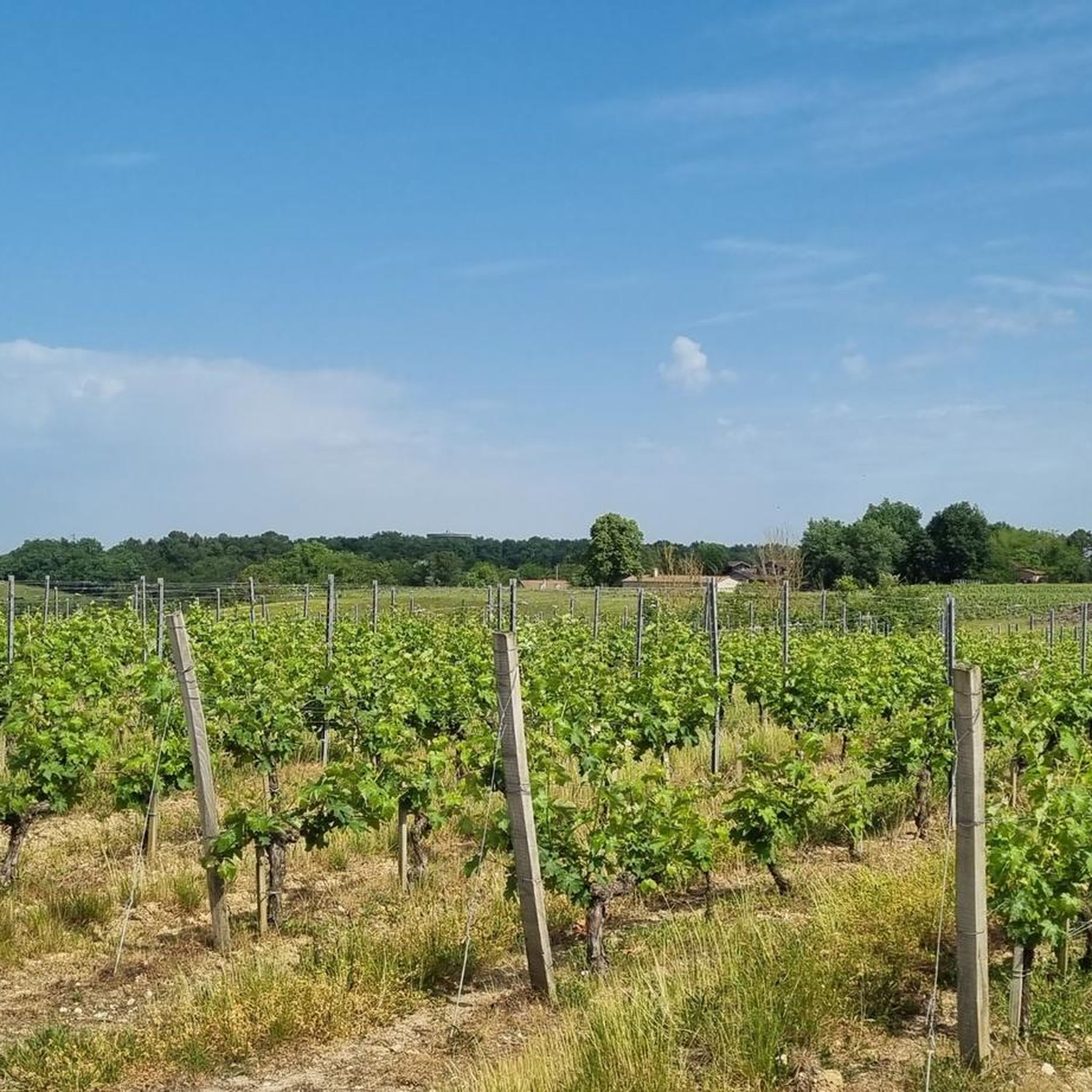
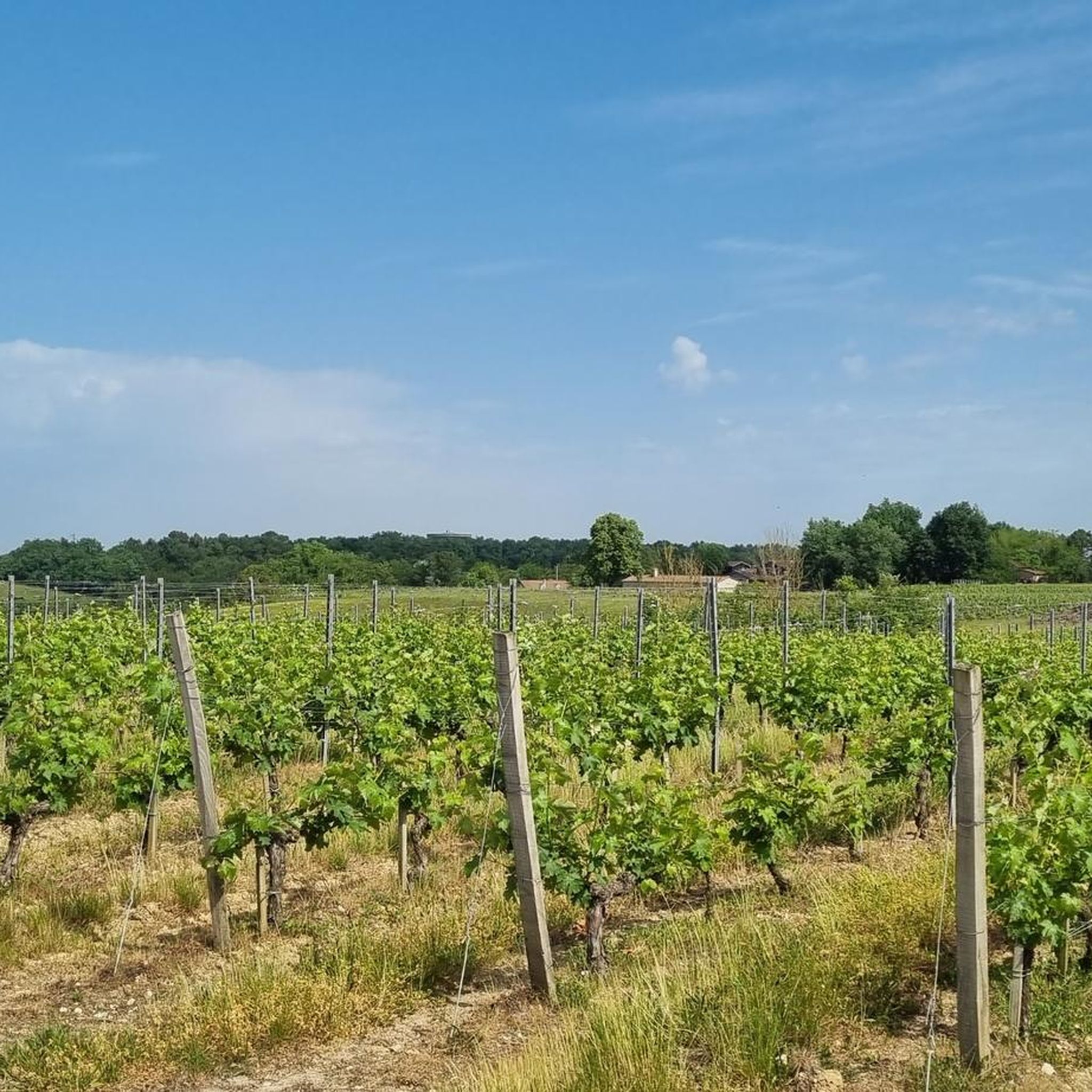
The 27 hectare vineyard located on the right bank of the Dordogne extends around a 14th century fortress built on the remains of a Gallo-Roman villa.
0
0

The castle of Hâ, also named Fort Hâ, is an old fortress of Bordeaux, on the site of which are currently erected the Palace of Justice and the National School of the Judiciary. It was built by decision of King Charles VII, immediately after the final resumption of Bordeaux to the English in 1453. Its two towers (English and Minimes) are preserved. https://fr.wikipedia.org/wiki/Ch%C3%A2teau_du_H%C3%A2
5
1
Frequently Asked Questions
What types of castles can I visit around Yvrac?
Around Yvrac, you'll find a mix of historical sites. These include ancient fortresses like the remnants of Château du Hâ in Bordeaux, which now houses the Palace of Justice, and the mysterious ruins of Château du Dragon. You can also explore 14th-century estates like Château du Grand Puch, which offers tours and tastings, and Château Branda, set amidst vineyards on the remains of a Gallo-Roman villa. Additionally, the region is known for its private wine châteaux, some of which, like Château Lafitte, offer wine tourism experiences.
Are there any family-friendly castles to visit near Yvrac?
Yes, Château du Grand Puch is categorized as family-friendly. It's a magnificent 14th-century castle where you can reserve tours and tastings, offering an engaging experience for all ages.
Can I do wine tastings or tours at any of the castles?
Absolutely. Château du Grand Puch offers tours and tastings by reservation for a fee of €5. Additionally, while not a traditional fortress, Château Lafitte in Yvrac is a working wine estate that provides guided tours and wine tastings. You can find more information about Château Lafitte's offerings on the Bordeaux Tourism website.
What outdoor activities can I combine with a castle visit around Yvrac?
The area around Yvrac is excellent for outdoor activities. You can find numerous running trails, such as the 'Lestrille – Château Laffitte Laguens loop' or a 'Running loop from Yvrac'. For cycling enthusiasts, there are routes like the 'Coq La France – Château du Grand Puch loop' or the 'Bistrot de la Pimpine – Carignan Castle loop'. Gravel biking is also popular, with routes like 'From Saint-Sulpice to Bordeaux'. You can explore these and more in the Running Trails around Yvrac, Cycling around Yvrac, and Gravel biking around Yvrac guides.
Are there any ruined or less-preserved castles to explore?
Yes, the Château du Dragon is a superb ruined castle nestled amidst paths and tall grass. Vegetation has taken over, with trees growing on the roof, giving it a mysterious and atmospheric feel. Its origins are unknown, adding to its allure for those who enjoy exploring less-preserved historical sites.
What is the best time of year to visit castles around Yvrac?
While specific opening hours vary, visiting during spring or autumn generally offers pleasant weather for exploring the castle grounds and vineyards. Summer can be warm, but also a popular time for events and wine tourism. Always check individual castle websites for their specific operating seasons and hours.
Are there any castles with significant historical importance in the region?
The remnants of Château du Hâ in Bordeaux are historically significant, built by King Charles VII after the English were expelled in 1453. Today, its two preserved towers stand alongside the Palace of Justice. Château Branda is another site with deep roots, a 14th-century fortress built upon the remains of a Gallo-Roman villa, showcasing centuries of history.
Can I find accommodation within a historic château near Yvrac?
While not public museums, some historic châteaux in the Yvrac area offer accommodation. For example, Château Peyrarey, a 16th-century wine property, has a gîte available for rent. Château CAP DE FER, another historic country house and wine producer, also functions as a vacation rental, providing an immersive experience in the Bordeaux countryside.
What should I know about visiting <a href="https://www.komoot.com/highlight/6470424" target="_blank" rel="noopener">Château du Grand Puch</a>?
Château du Grand Puch is a magnificent 14th-century castle accessible via the Salleboeuf road. It is open from 9 a.m. to 6 p.m., Monday to Saturday. You can find extensive information about its architecture and history on their website. Tours and tastings are available upon reservation for €5.
Are there any castles that are part of a larger judicial or educational complex?
Yes, the site of Château du Hâ in Bordeaux is unique. This old fortress, also known as Fort Hâ, now hosts the Palace of Justice and the National School of the Judiciary. While the original castle is largely gone, its two historic towers, the English and Minimes towers, are preserved and can be seen as part of this modern complex.
What are some unique features of <a href="https://www.komoot.com/highlight/3327457" target="_blank" rel="noopener">Château Branda</a>?
Château Branda is a 14th-century fortress built on the remains of a Gallo-Roman villa. It is surrounded by a 27-hectare vineyard located on the right bank of the Dordogne. Visitors can experience a blend of ancient history and active wine production, though some paths around it might be unmarked.
Most popular attractions around Yvrac

Get inspired with the komoot mobile app


Explore more
Looking for the best castles somewhere else? Discover other guides around Yvrac:
