Attractions and Places To See around Trie-La-Ville - Top 19
Best attractions and places to see around Trie-La-Ville include a mix of historical sites and natural landscapes. Located in the Oise department of France, this commune provides access to the Vexin Français Regional Natural Park. The area features historical castles, religious buildings, and ancient megalithic monuments. Visitors can explore both man-made landmarks and natural points of interest.
Best attractions and places to see around Trie-La-Ville
- The most popular attractions is Gisors Castle, a castle that served as a key…
Last updated: July 6, 2026
Gisors Castle
Highlight • Castle
Translated by Google •
Tip by

Saint-Gervais–Saint-Protais Church
Highlight • Religious Site
Translated by Google •
Tip by

Sign up now to discover places like this
Get recommendations on the best single tracks, peaks, & plenty of other exciting outdoor places.
Sign up for free
Dolmen des Trois-Pierres
Highlight • Historical Site
Translated by Google •
Tip by

Château de Boury
Highlight • Castle
Translated by Google •
Tip by
Saint-Jean-Baptiste Church of Chaumont-en-Vexin
Highlight • Religious Site
Translated by Google •
Tip by

Sign up for free to discover even more attractions around Trie-La-Ville.
Sign up for free
Already have an account?
Start today with a free account
Your next adventure awaits.
Login or Signup



Tips from the Community

A military fortress with a defensive purpose, built in 1097, during the reign of William the Conqueror's second son, Gisors Castle marks a major page in the medieval history of Normandy. This fortification was intended to protect the Norman possessions of the King of England against the ambitions of the King of France. A true border place and eastern lock of Normandy, it was part of a vast campaign of fortifications in the Epte Valley, the natural boundary between the two kingdoms.
0
0
We know of Saints Gervais and Protais that they were Christian martyrs in the 2nd century in Milan. At the time, the Roman Empire forced all its subjects to worship the emperor, which was unacceptable to Christians. If they refused, they were crucified or sent to the arena to be devoured by lions between gladiatorial fights. Thus, Saint Ambrose, bishop of Milan, found them, in 386, buried side by side. This great bishop affirmed that they had been martyrs by fidelity to their baptism. He even added "They are of a prodigious size, such as one was in ancient times." Their cult reached Gaul where a large number of churches were dedicated to them.
1
0

The parish church of Saint-Gervais Saint-Protais was consecrated in 1119 by Pope Calixtus 11. This Romanesque church saw its nave ravaged by fire in 1123. It was rebuilt in 1160. Thanks to funding from Queen Blanche of Castile, the people of Gisors built a Gothic choir, consecrated in 1249. It was built according to the Chartres model, common at the time in Ile-de-France, with a three-level elevation: large arcades, triforium and high windows pierced with oculi. Thanks to funding from charitable brotherhoods and trade corporations, the church underwent multiple transformations from the end of the 15th century with the addition of radiating chapels and an ambulatory at choir level. Entrusted to the Grappins, a family of architects from Vexin, the work continued in the 15th century with the reconstruction of the nave and the chapels of the side aisles in flamboyant Gothic style, then of the façade decorated with Renaissance motifs.
0
0

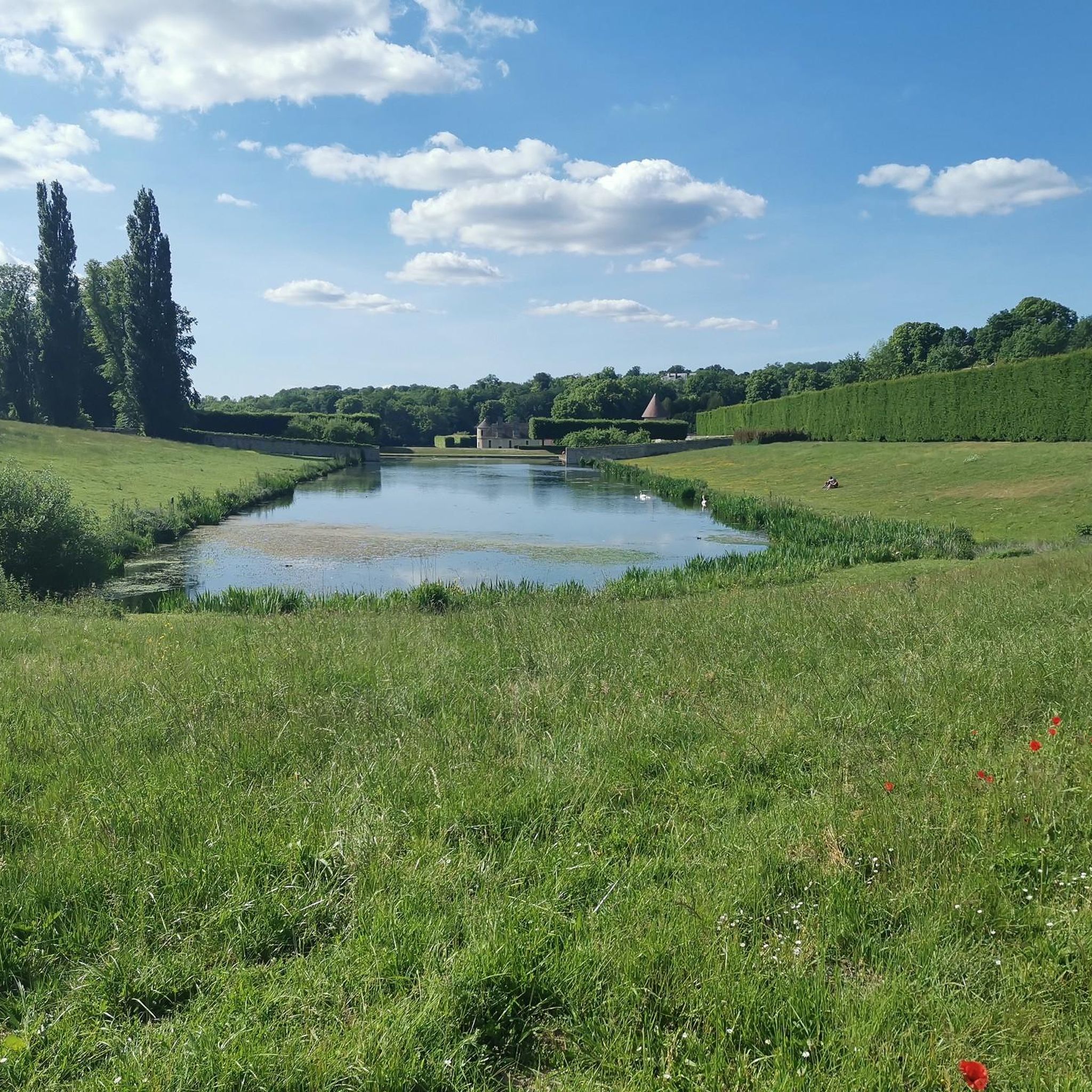
Boury Castle is a 17th century castle built by the architect of Versailles, Jules Hardouin-Mansart. You can admire the elegant architecture and French gardens, as well as the furnished interiors, chapel and kitchen. The castle offers guided tours and activities for children, as well as a large park and playground. You can also enjoy the neighboring village of Boury-en-Vexin, once occupied by Richard the Lionheart. The Château de Boury is open on Sundays and public holidays from 2:30 p.m. to 6 p.m. during the opening period.
2
0
The Trois Pierres dolmen is an ancient megalithic monument dating from the late Neolithic period (3400-2000 BC). It served as a collective burial ground for the inhabitants of the Seine-Oise-Marne culture. It consists of a short vestibule and a narrow room, separated by a vertical slab pierced by a circular hole, called the "soul hole," through which the bodies passed. The dolmen is surrounded by a peaceful and bucolic landscape, where you can also admire the menhir of the Bois de la Garenne, another prehistoric stone, located about 200 meters away.
2
0

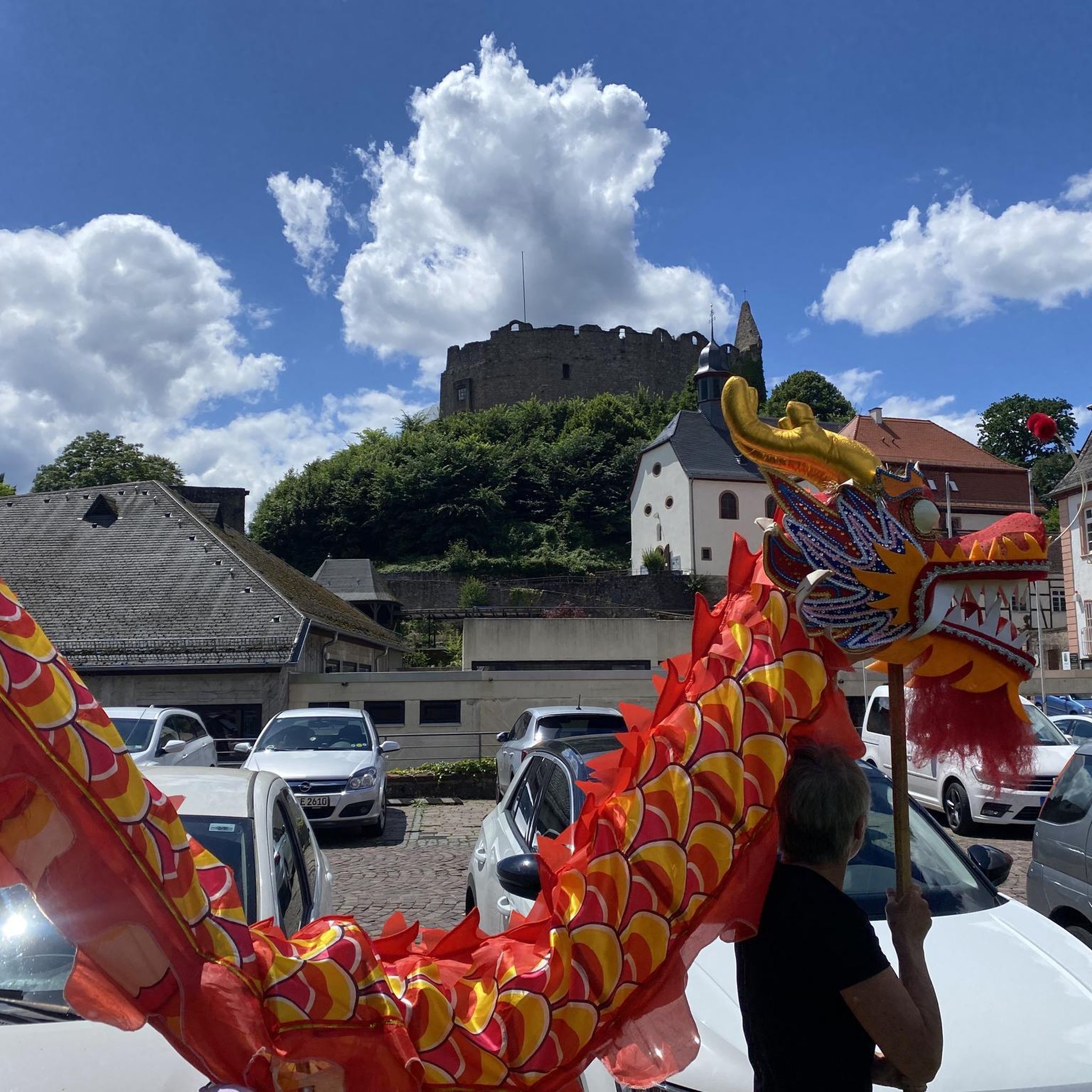
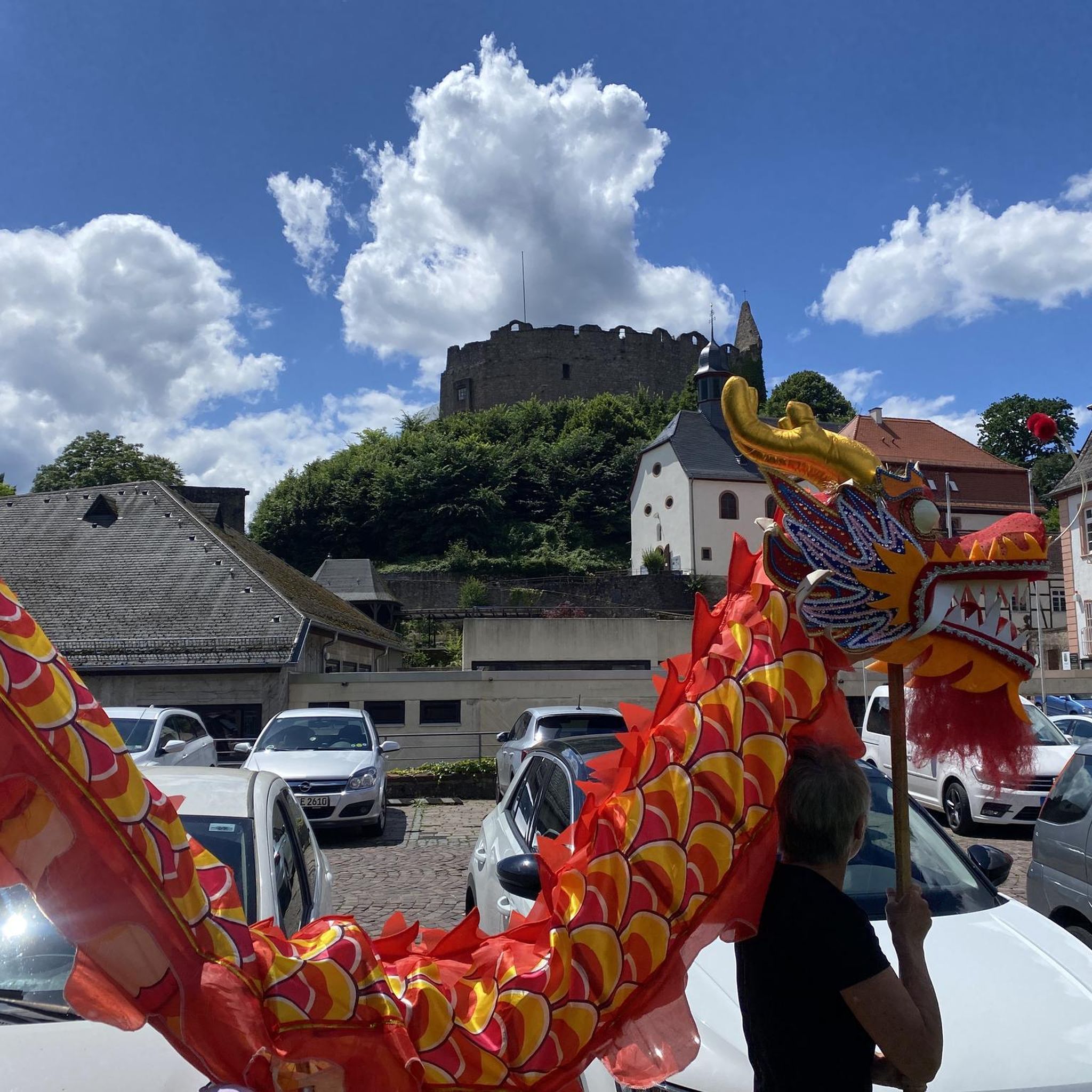
Old fortified castle, built between the end of the 11th and the 12th century, today in ruins.
0
0
The Dolmen of the Three Stones is an ancient megalithic monument dating from the end of the Neolithic period (3400-2000 BC). It served as a collective burial place for the inhabitants of the Seine-Oise-Marne culture. It consists of a short vestibule and a narrow room, separated by a vertical slab pierced with a circular hole, called the "soul hole", through which the bodies were passed. The dolmen is surrounded by a peaceful and bucolic landscape, where you can also admire the Menhir du Bois de la Garenne, another prehistoric stone, located about 200 meters away.
2
0

The Château de Gisors is a castle located in the Eure department. The castle was a key fortress of the Dukes of Normandy in the 11th and 12th centuries. Its purpose was to defend the Anglo-Norman territory of the Vexin from the claims of the King of France.
0
0
Frequently Asked Questions
What historical castles can I visit near Trie-la-Ville?
You can explore several historical castles in the vicinity. Gisors Castle, an 11th-century fortress, played a crucial role in defending Normandy. Another notable site is Château de Boury, a 17th-century castle known for its elegant architecture and French gardens. The commune of Trie-Château also features the historic Château de Trie, parts of which date back to the 11th century and once hosted King Henri IV.
Are there any significant religious buildings to see?
Yes, the area is home to several impressive religious structures. The Saint-Gervais–Saint-Protais Church in Gisors is a beautiful example, showcasing a blend of Gothic, Romanesque, and Renaissance styles. Additionally, the Saint-Jean-Baptiste Church of Chaumont-en-Vexin, built rapidly in the 16th century, offers a homogeneous architectural style and a peaceful square overlooking the town.
What natural features or parks can I explore?
Trie-la-Ville is situated within the Vexin Français Regional Natural Park, offering ample opportunities to enjoy nature. You can visit the beautiful gardens of Parc Du Château De Boury-En-Vexin and Parc Du Château D'Heudicourt. The Bois de la Garenne in Trie-Château also features a Dolmen and a menhir, testifying to Neolithic settlement, and the park of Trie-Château includes a remarkable arboretum.
Are there family-friendly attractions in the area?
Many attractions are suitable for families. Both Gisors Castle and Château de Boury are considered family-friendly, with the latter offering guided tours and activities for children, along with a large park and playground. Exploring the natural features within the Vexin Français Regional Natural Park also provides engaging outdoor experiences for all ages.
What kind of outdoor activities can I do near these attractions?
The region offers diverse outdoor activities, particularly cycling. You can find numerous routes for gravel biking, mountain biking, and road cycling. For instance, explore routes like the 'Lake loop from Chaumont-en-Vexin' for gravel biking or 'Le Moulin de Fourges – Gisors Castle loop from Gisors' for mountain biking. You can find more details and routes in the Gravel biking around Trie-La-Ville, MTB Trails around Trie-La-Ville, and Road Cycling Routes around Trie-La-Ville guides.
Are there any ancient or prehistoric sites nearby?
Yes, you can visit the Dolmen des Trois-Pierres, an ancient megalithic monument dating from the late Neolithic period. It served as a collective burial ground and features a unique 'soul hole'. Nearby, in the Bois de la Garenne, you can also find a menhir, another prehistoric standing stone.
Where can I find local producers or unique local experiences?
The area around Trie-la-Ville is home to local producers. You can visit the Brasserie Duchmann in Chaumont-en-Vexin for artisanal beers or the Brasserie De Sutter in Gisors. For a unique cultural and natural heritage experience, consider joining guided walks organized by 'La Communauté Des Chemins' in Chaumont-en-Vexin, which focuses on local archaeology, history, geology, flora, and fauna.
What is the Auditoire de Justice in Trie-Château?
The Auditoire de Justice in Trie-Château is a remarkable historical building constructed between 1170 and 1190. It served as the seat of seigniorial justice and is now classified as a historical monument, featuring a 19th-century clock that remains functional.
Can I visit the former Gomerfontaine Priory/Abbey?
The former Gomerfontaine Priory, founded in 1207 and later elevated to an abbey, was once home to Cistercian nuns. While the abbey was closed in 1792 and gradually dismantled, the site holds significant historical importance. You can explore the remnants and learn about its past, including its connection to Madame de Maintenon.
What is the Abbatiale d'Avril Saint Germer de Fly known for?
Located about 18 km from Trie-la-Ville, the Abbatiale d'Avril Saint Germer de Fly and its chapel are renowned for their architectural significance. They represent a crucial transition from Romanesque to Gothic art, offering a fascinating insight into medieval design. Guided tours are available to explore its intricate details.
What do visitors enjoy most about the attractions around Trie-la-Ville?
Visitors particularly appreciate the rich historical context and the blend of architectural styles found in sites like Saint-Gervais–Saint-Protais Church. The well-preserved military architecture of Gisors Castle and the elegant French gardens of Château de Boury are also highly rated. The presence of ancient megalithic monuments like the Dolmen des Trois-Pierres offers a unique glimpse into prehistoric times, making the region appealing for history enthusiasts.
Is there a specific time of year recommended for visiting?
While specific seasonal activities are not detailed, the region's natural parks and gardens, such as the Parc Du Château De Boury-En-Vexin, are generally best enjoyed during spring and summer when flora is in full bloom. Historical sites like castles and churches are accessible year-round, but warmer months might offer more pleasant conditions for exploring their grounds and the surrounding natural landscapes.
Most popular routes around Trie-La-Ville

Get inspired with the komoot mobile app


Explore more
Still not found the Highlight you’re looking for? See guides of the top attractions in other regions:
