Attractions and Places To See around L'Hôpital-Du-Grosbois - Top 20
Best attractions and places to see around L'Hôpital-Du-Grosbois include a blend of historical sites and natural landscapes in the Doubs department of eastern France. The commune is situated on the edge of the Forêt du Gros Bois, offering opportunities for outdoor activities. The area provides a glimpse into its past with historical landmarks and is known for its scenic value, which inspired painter Gustave Courbet. Visitors can explore various natural attractions and walking routes near L'Hôpital-Du-Grosbois.
Best attractions and places…
Last updated: July 6, 2026
Ornans
Highlight • Settlement
Translated by Google •
Tip by

Montfaucon Viewpoint
Highlight • Historical Site
Translated by Google •
Tip by

Sign up now to discover places like this
Get recommendations on the best single tracks, peaks, & plenty of other exciting outdoor places.
Sign up for free
Old railway bridge
Highlight • Other
Translated by Google •
Tip by

Arcier Springs
Highlight • River
You will be able to see the castle of Arcier there as well as the ruins of the old Roman aqueduct of Besançon.
=============
Translated by Google •
Tip by

Former tile factory of Combes Punay
Highlight • Historical Site
Translated by Google •
Tip by
Sign up for free to discover even more attractions around L'Hôpital-Du-Grosbois.
Sign up for free
Already have an account?
Start today with a free account
Your next adventure awaits.
Login or Signup


Tips from the Community

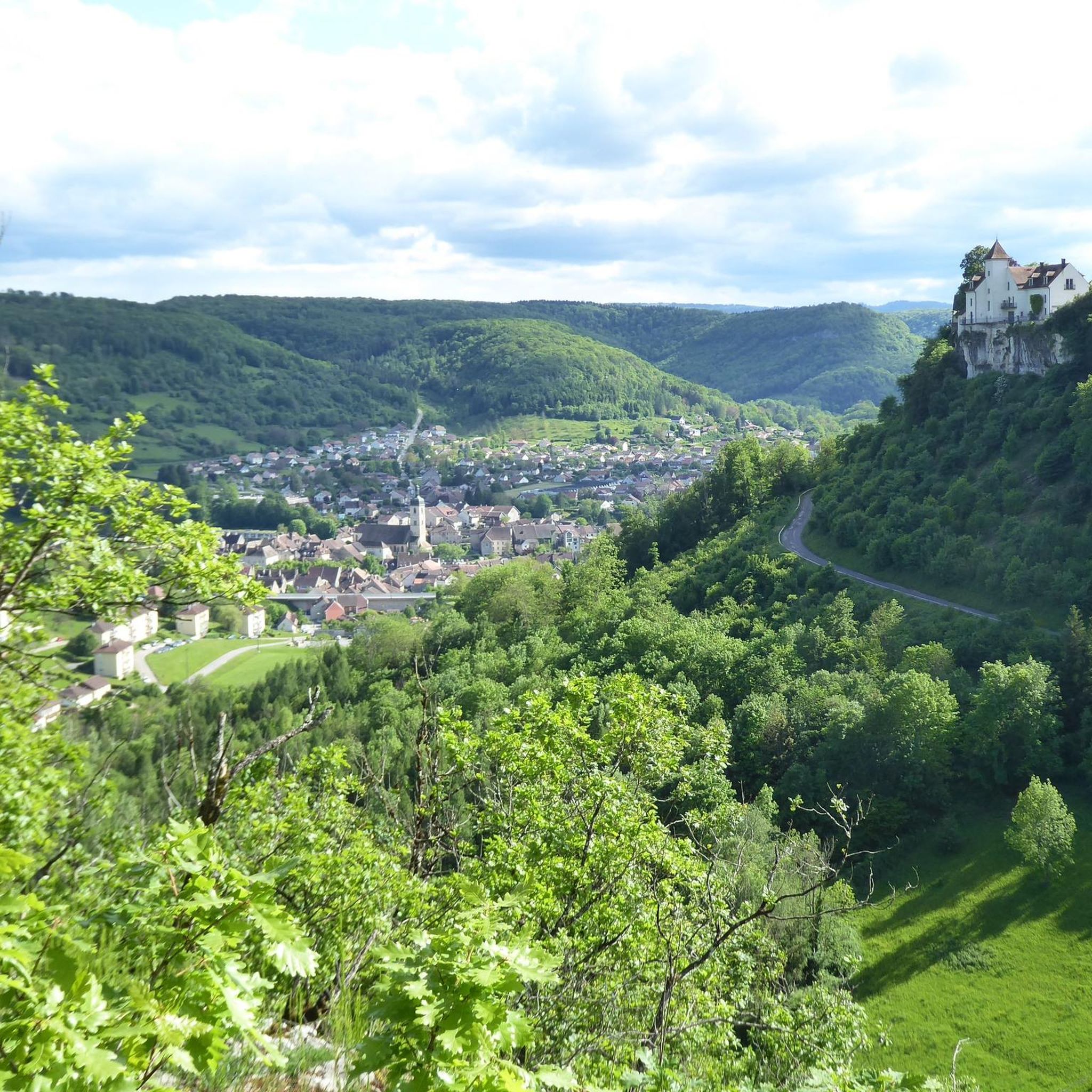
Typically picturesque, worth seeing French town
0
0


The three Arcier springs are fed by the infiltration waters of the Nancray plateau. Shortly after they gush out of the mountain in beautiful waterfalls, they come together to form the Arcier stream, which quickly flows into the Doubs. They have been known since antiquity, and supply Besançon with water via a Roman aqueduct of which remains remain. Currently, a trout fish farm benefits from its pure, fresh waters.
0
0

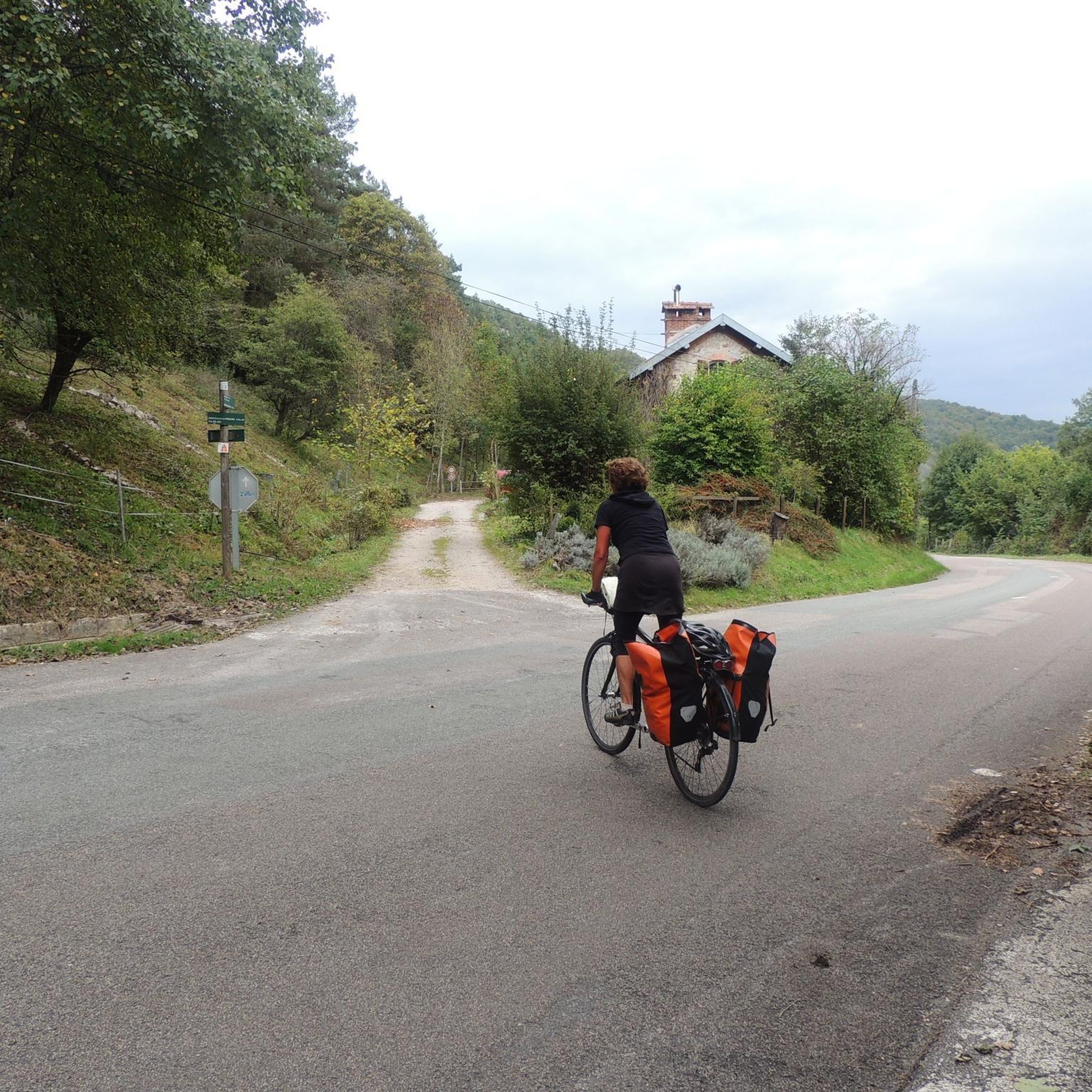
The Viaduc de la Brème (also known as the Viaduc de Bois Joli) is an impressive viaduct in the Bourgogne-Franche-Comte region. ie: The Viaduc de la Brème is located near the Château de la Malcôte and the Chapelle Notre-Dame-du-Chêne. It offers magnificent views of the surrounding landscape. This viaduct spans the Brême River and is part of a historic railway line. It is an architectural masterpiece that is both functional and aesthetic. It offers panoramic views of the natural beauty of the area.
7
0
The Tuilerie des Combes de Punay is a former industrial tuileries and scierie from the 19th century, located on the site of the Combes de Punay in the commune of Malbrans, Doubs, in the Franche-Comté region. The tuileries were built shortly before 1845 by Charles Guyot de Vercia and began operating in 1846. A prefectural decree of 9 June 1846 allowed the owner to install a steam engine in the tuileries to mechanise the production of roof tiles. After the death of Charles Guyot de Vercia in 1864, the tuileries became the property of the Ornans hospital. In 1884, Firmin Mourot, a timber merchant from Villers-sous-Montrond, bought the tuileries and added a sawmill to it at the end of the 19th century. The tuileries ceased their activities around 1930, while the sawmill remained in operation until 1965. The complex, including the remaining material, has been registered as a historical monument since 31 July 1979. Although the production of roof tiles has stopped, the Tuilerie des Combes de Punay remains an interesting historical site to explore! 🏭🌲
7
0

The Viaduc de la Brème (also known as Viaduc de Bois Joli) is an impressive viaduct in the Bourgogne-Franche-Comte region. The Viaduc de la Brème is located near the Château de la Malcôte and the Chapelle Notre-Dame-du-Chêne. It offers beautiful views of the surrounding landscape. This viaduct spans the Brême River and is part of a historic railway line. It is an architectural masterpiece that is both functional and aesthetic. It offers panoramic views of the natural beauty of the area.
0
0

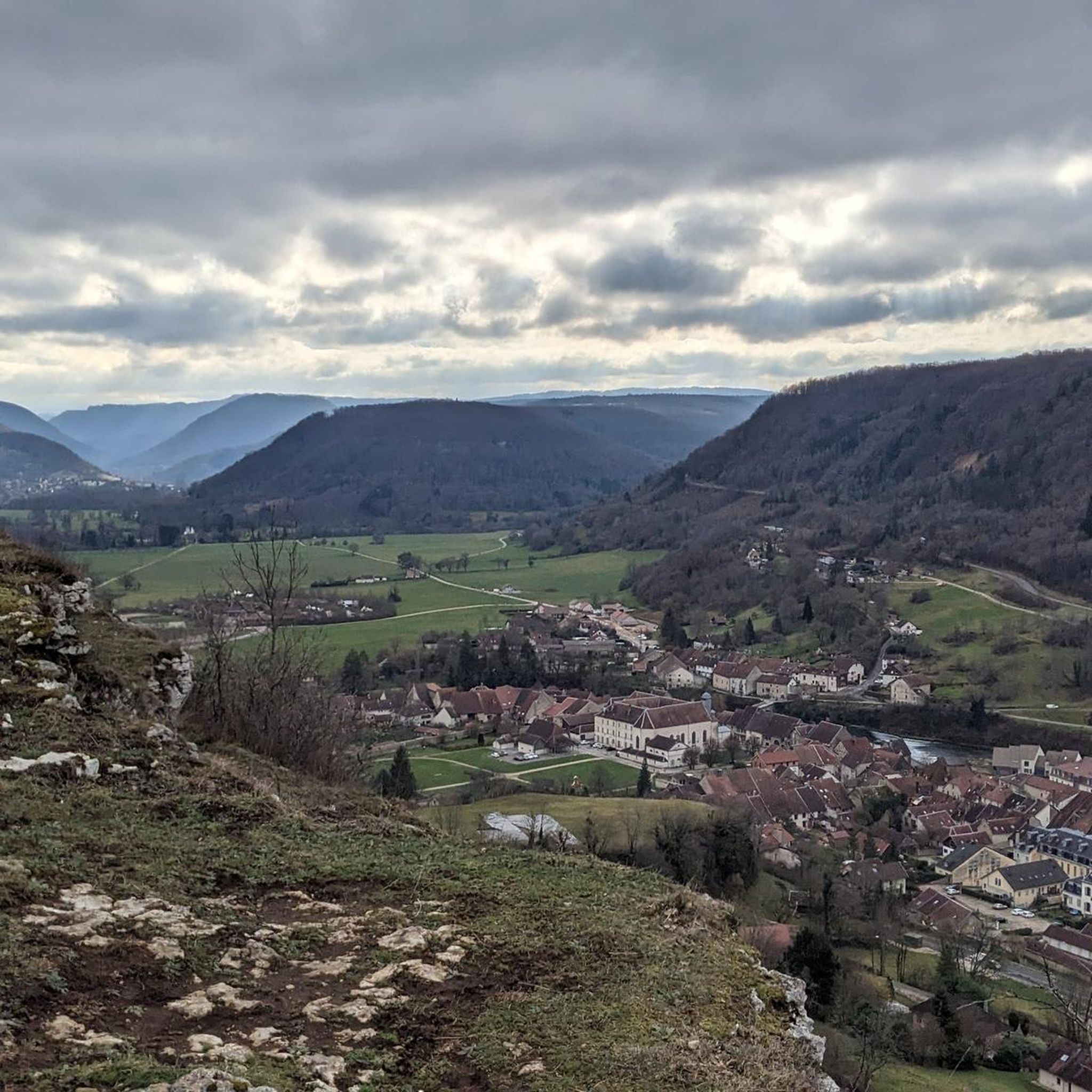
This belvedere is one of the most spectacular in the heights of Besançon. It opens a wide window onto the Doubs valley, the Citadel of Besançon and the Jura mountains. As a bonus, when the horizon clears, you can also enjoy a superb view of the Mont-Blanc range. This belvedere is also an opportunity to learn a little history since you are on the site of Fort Woirol with several observation posts and the Montfaucon redoubt.
0
0
Frequently Asked Questions
What historical sites can I explore around L'Hôpital-Du-Grosbois?
The region offers several historical points of interest. You can visit the Montfaucon Viewpoint, which is located on the site of Fort Woirol and offers expansive views. Another significant site is the Former tile factory of Combes Punay, a 19th-century industrial site registered as a historical monument. Within the village, the Saint-Denis Church, dating back to 1718, and the former post relay (now the town hall), where Jean-Jacques Rousseau reportedly stopped, provide a glimpse into the area's past.
Are there natural attractions or scenic viewpoints to visit?
Absolutely. The Montfaucon Viewpoint offers spectacular panoramic views of the Doubs valley, the Citadel of Besançon, and the Jura mountains. You can also explore the Arcier Springs, three karstic sources that form beautiful waterfalls before flowing into the Doubs. The village itself is on the edge of the Forêt du Gros Bois, providing a natural setting for exploration.
What kind of outdoor activities, like hiking or cycling, are available?
L'Hôpital-Du-Grosbois is excellent for outdoor enthusiasts. An old railway line has been converted into a track suitable for mountain biking, walking, and horse riding. You can find various hiking routes, including the 'Sentier du Mont Grosbois' for expansive views and the 'Chemin des Étangs' for a gentler path. For specific routes, explore the hiking routes around L'Hôpital-Du-Grosbois or the cycling routes.
Are there family-friendly attractions in the area?
Yes, Ornans is considered a family-friendly settlement. Its city center, with houses reflected in the Loue river and elegant limestone cliffs, is pleasant for strolling. It's also known as the city of Gustave Courbet, with a museum dedicated to the painter, which can be an engaging cultural experience for families. The converted old railway line also offers easy paths suitable for family walks or bike rides.
Where can I find unique cultural experiences or local heritage?
The area has a rich cultural heritage. Ornans, the 'city of Gustave Courbet,' offers a museum dedicated to the famous painter. The picturesque sites around L'Hôpital-Du-Grosbois themselves inspired Courbet, highlighting the region's artistic value. The village also supports local artisans, including masons, carpenters, and cutlers, offering a glimpse into traditional crafts.
What are the best places for a scenic walk or hike?
For scenic walks, the Forêt du Gros Bois, which borders the village, offers numerous opportunities. The 'Sentier du Mont Grosbois' is known for its expansive views, while the 'Chemin des Étangs' provides a gentler, picturesque path. The old railway line, now a track, is also ideal for walking. You can find detailed routes, such as 'Rocher du Tourbillon — loop via Bonnevaux-le-Prieuré' or 'Brême Well – Les Ravines du Puits Noir loop from Bonnevaux-le-Prieuré', on the hiking guide.
Can I find cycling routes suitable for different skill levels?
Yes, the area provides cycling routes for various abilities. The old railway line has been converted into a track suitable for mountain biking. For road cycling, you can find routes like 'Old railway bridge – Cycling bridge over the Loue loop from Mamirolle' (moderate) or 'Cycle path along the Doubs – Citadel of Besançon loop from Mamirolle' (difficult). Explore more options on the cycling guide and road cycling guide.
What is the significance of the Forêt du Gros Bois?
The Forêt du Gros Bois is a significant natural attraction, with L'Hôpital-Du-Grosbois situated right at its edge. It serves as a primary location for various outdoor pursuits, including hiking, cycling, and horse riding, and contributes significantly to the region's natural beauty and recreational opportunities.
Are there any interesting geological features or caves nearby?
Yes, the Arcier Springs are a notable geological feature, consisting of three karstic sources. Additionally, the Grotte de la Nisotte is a site of paleontological interest, where significant remains of brown bears were discovered, indicating its historical natural importance.
What do visitors particularly enjoy about the attractions in this region?
Visitors appreciate the blend of historical sites and natural landscapes. The scenic views from places like the Montfaucon Viewpoint are highly praised. The charm of Ornans, with its river reflections and limestone cliffs, is also a favorite. The region's historical significance, natural springs, and various hiking trails are frequently highlighted by the komoot community.
What is the best time of year to visit L'Hôpital-Du-Grosbois for outdoor activities?
The region is ideal for outdoor activities during spring, summer, and early autumn when the weather is generally mild and conducive to hiking, cycling, and exploring natural sites. These seasons offer lush greenery and comfortable temperatures for enjoying the Forêt du Gros Bois and various trails.
Are there options for dining or refreshments near the attractions?
While specific cafes or restaurants are not detailed for every attraction, L'Hôpital-Du-Grosbois and nearby villages support local businesses. You can expect to find options for dining and refreshments in the main village centers or along popular routes, especially in larger settlements like Ornans or Besançon, which is easily accessible.
What kind of terrain can I expect on hiking trails around L'Hôpital-Du-Grosbois?
The terrain around L'Hôpital-Du-Grosbois varies. Trails through the Forêt du Gros Bois and paths like the 'Sentier du Mont Grosbois' may involve forest paths and some elevation changes, offering expansive views. Gentler paths like the 'Chemin des Étangs' or the converted old railway line provide flatter, easier surfaces suitable for leisurely walks or cycling.
Most popular routes around L'Hôpital-Du-Grosbois

Get inspired with the komoot mobile app


Explore more
Still not found the Highlight you’re looking for? See guides of the top attractions in other regions:
