Attractions and Places To See around Saint-Didier-Des-Bois - Top 20
Best attractions and places to see around Saint-Didier-Des-Bois, a rural commune in Normandy, France, include historical sites and natural features. The area is characterized by its peaceful rural landscape, two ecologically important ponds, and traces of an old railway line. Visitors can explore local landmarks like the 17th-century Church of Saint-Didier, built on 11th-century foundations, and observe mural art within the commune. The region offers a blend of historical interest and natural settings for exploration.
Best attractions and places to…
Last updated: May 9, 2026
Orival Troglodyte Caves
Highlight • Cave
Translated by Google •
Tip by

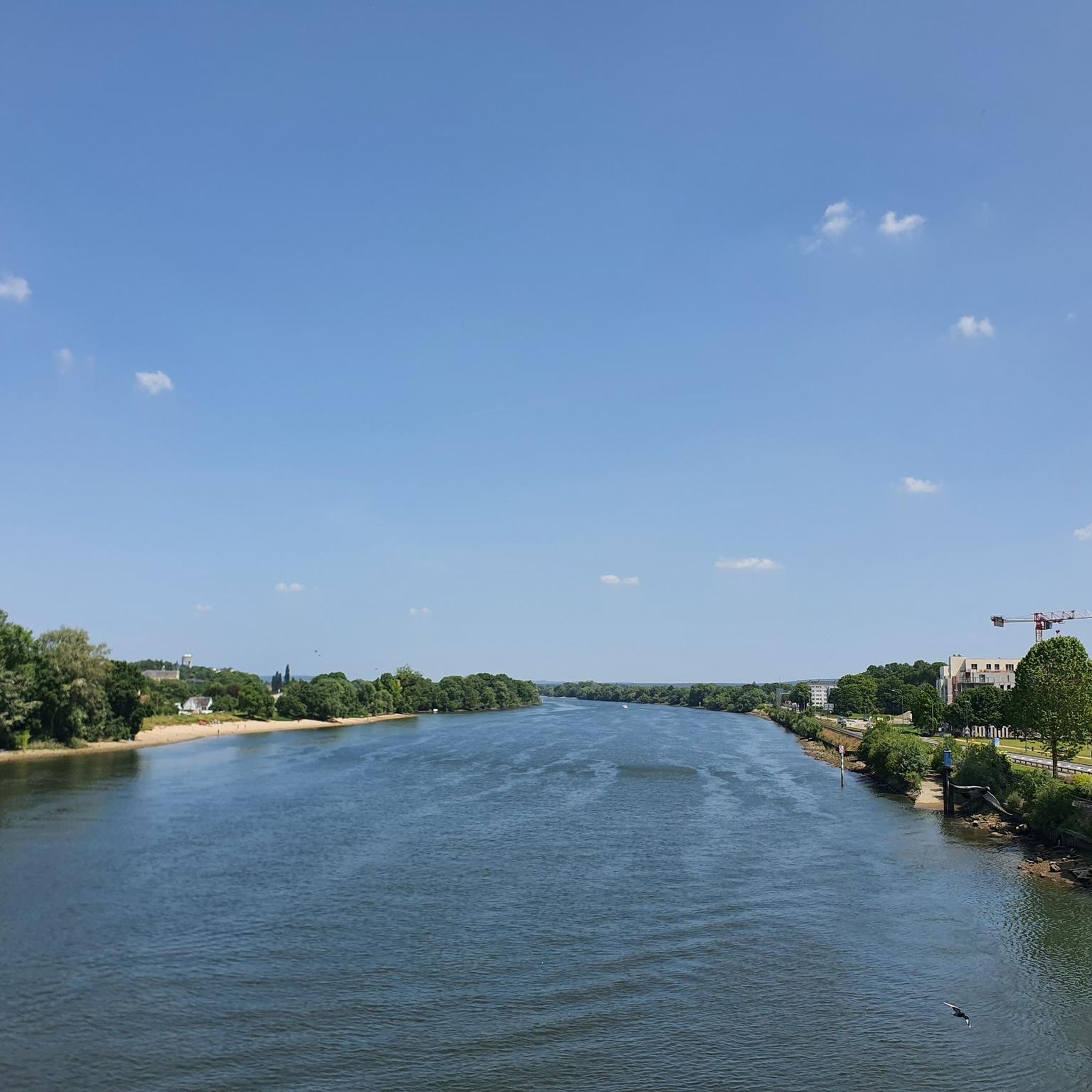
White cliffs, the Roches d'Orival
Highlight • Historical Site
Translated by Google •
Tip by
Sign up now to discover places like this
Get recommendations on the best single tracks, peaks, & plenty of other exciting outdoor places.
Sign up for free
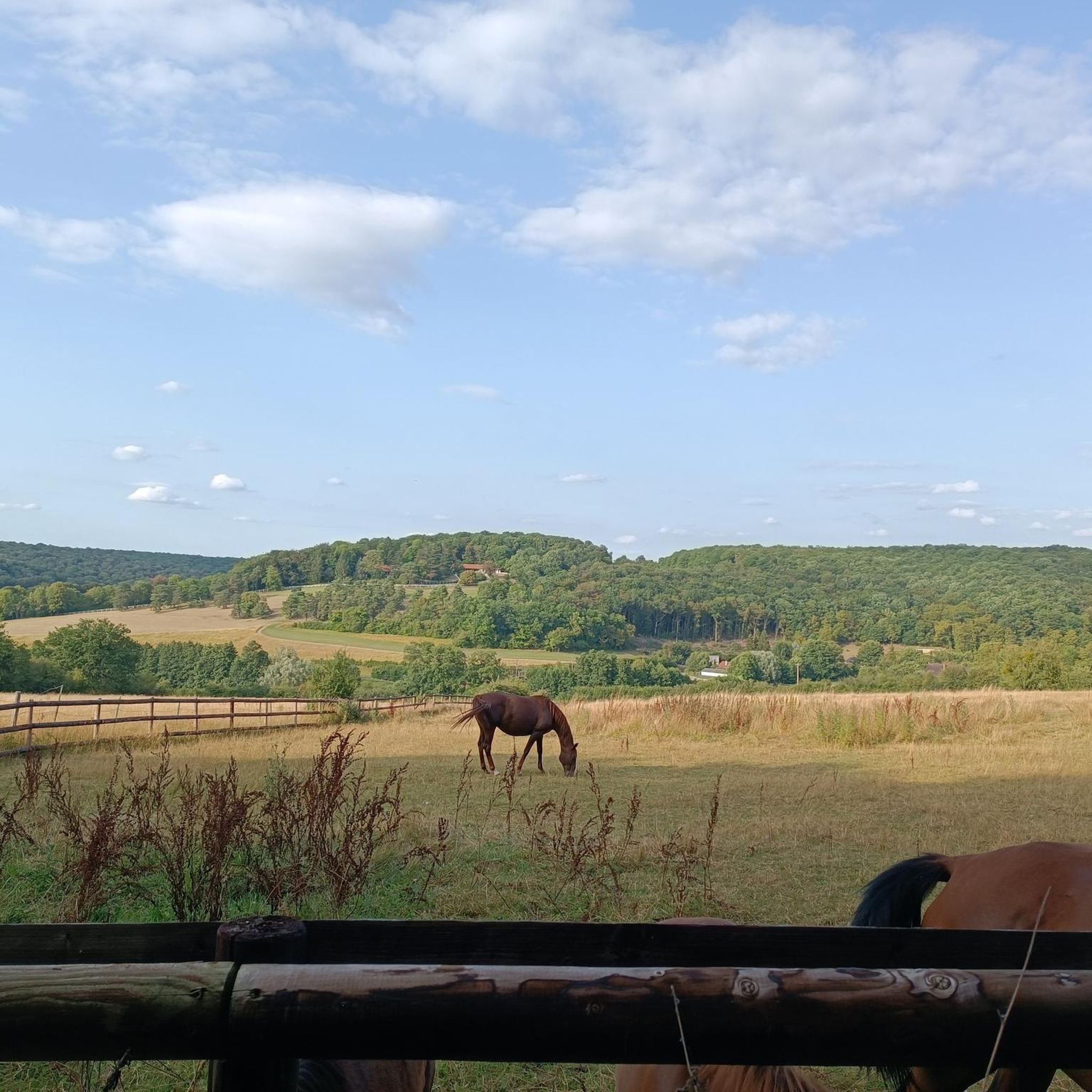
Londe-Rouvray State Forest
Highlight • Forest
Translated by Google •
Tip by
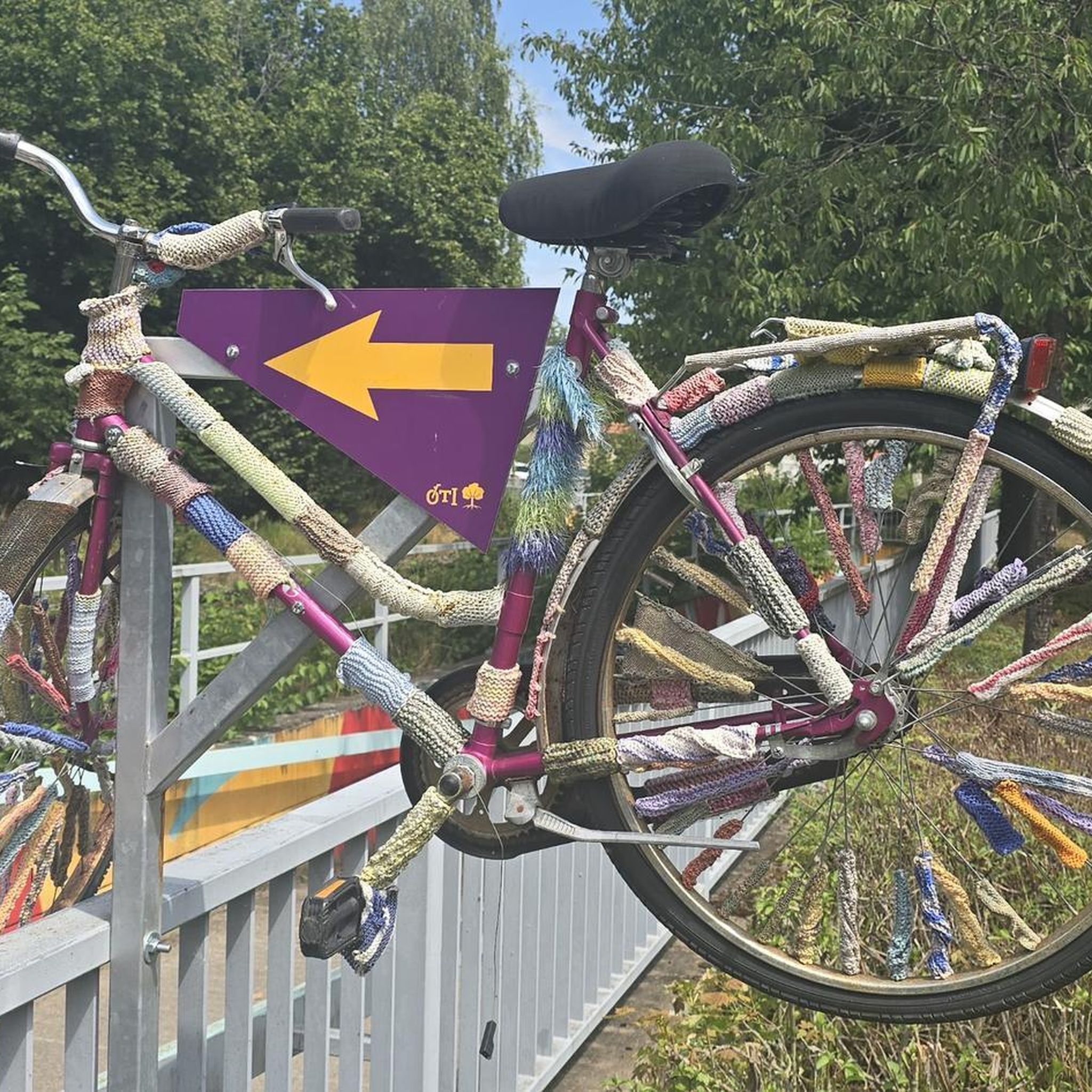
Route des Roches
Highlight (Segment) • Cycleway
Translated by Google •
Tip by

Forêt de Bord-Louviers
Highlight • Forest
Translated by Google •
Tip by
Sign up for free to discover even more attractions around Saint-Didier-Des-Bois.
Sign up for free
Already have an account?
Start today with a free account
Your next adventure awaits.
Login or Signup


Tips from the Community

beautiful rendering to achieve
0
0
great ride
0
0
many circuits for all types of walks
0
0

Perfect hike, good elevation changes, incredible view
0
0

The Bord-Louviers forest is a majestic forest located at the confluence of the Eure and the Seine. This forest, former property of the Dukes of Normandy and the Kings of France, covers an area of 4,568 hectares and offers a variety of landscapes and ecosystems. You can discover the pine forest on the northern terraces overlooking the Seine, the beech forest in the central plain, or even the oaks on the southern plateaus. You will also be able to admire the seven remarkable trees listed, such as the Tabouel beech, a 39 meter high beech, or the Pancarte oak, an oak which has swallowed a sign on its trunk. The forest is also home to a rich fauna: deer, wild boars, foxes and squirrels.
2
0
The Roches d'Orival offer a spectacular spectacle. These white chalk cliffs, sculpted by erosion, overlook the Seine and offer an exceptional panorama of the valley. You will be able to discover the richness of the natural and historical heritage of this site which dates back to the Neolithic era. You will see traces of a castle built by Richard Coeur de Lion in 1195, troglodyte dwellings from the 17th century, a fortified Roman camp, a Gallo-Roman temple, brick ovens from the 19th century. You will also discover a remarkable diversity of flora and fauna: orchids, butterflies, praying mantises and green lizards. The course has some steep and rocky sections, so be prepared for a moderate challenge.
2
0
If you are looking for a challenging and rewarding run, you can try the troglodyte trail in Orival, Normandy. This trail will take you through breathtaking landscapes, including the cliffs of the Seine, the ruins of an ancient castle and the fascinating troglodyte caves. These caves were inhabited by textile workers in the 17th century, and you can still see traces of their lives carved into the rock.
2
0
Frequently Asked Questions
What historical sites can I explore around Saint-Didier-Des-Bois?
The region is rich in history. You can visit the Orival Troglodyte Caves, where 17th-century textile workers lived, leaving visible traces carved into the rock. Another significant site is the White cliffs, the Roches d'Orival, which feature remnants of a castle built by Richard Coeur de Lion, troglodyte dwellings, a Roman camp, and a Gallo-Roman temple. Within Saint-Didier-Des-Bois itself, the 17th-century Church of Saint-Didier stands on the foundations of an 11th-century chapel, and you can also find mural art.
Are there any natural features or viewpoints to enjoy?
Absolutely. The White cliffs, the Roches d'Orival offer spectacular views overlooking the Seine valley. You can also explore the Londe-Rouvray State Forest, where the Forêt de la Londe provides breathtaking views of the Seine and its limestone cliffs. Saint-Didier-Des-Bois itself is home to two ecologically important ponds and a peaceful rural landscape.
What outdoor activities are available near Saint-Didier-Des-Bois?
The area is excellent for outdoor enthusiasts. You can find numerous routes for hiking, mountain biking, and cycling. For instance, the hiking guide features trails like the 'Bourges loop from Saint-Didier-des-Bois'. Cyclists can enjoy the Route des Roches, a pleasant cycle way between cliffs and the Seine, or explore routes in the cycling guide. Mountain biking options are also available in the MTB trails guide.
Are there family-friendly attractions or activities?
Yes, the forests in the area offer great family-friendly options. The Londe-Rouvray State Forest and the Forêt de Bord-Louviers both have circuits suitable for various types of walks, making them ideal for families to explore nature together. The rural landscape of Saint-Didier-Des-Bois also provides a peaceful setting for strolls.
What kind of terrain can I expect on trails around Saint-Didier-Des-Bois?
The terrain varies. For example, the trails around the Orival Troglodyte Caves and the White cliffs, the Roches d'Orival can have steep and rocky sections, offering a moderate challenge. Forest trails, such as those in Londe-Rouvray State Forest or Forêt de Bord-Louviers, typically offer more varied and sometimes easier paths through wooded landscapes.
What is the best time to visit Saint-Didier-Des-Bois for outdoor activities?
The region's rural character and natural attractions are enjoyable throughout much of the year. Spring and autumn offer pleasant temperatures for hiking and cycling, with beautiful foliage changes. Summer is also suitable, especially for exploring the forests and cycle paths. Winter walks can be peaceful, though some trails might be more challenging depending on conditions.
Are there any unique natural monuments or wildlife to see?
Yes, the White cliffs, the Roches d'Orival are a natural monument known for their diverse flora and fauna, including orchids, butterflies, praying mantises, and green lizards. The Forêt de Bord-Louviers is home to a rich fauna including deer, wild boars, foxes, and squirrels, and features remarkable trees like the Tabouel beech and the Pancarte oak.
What do visitors enjoy most about the attractions around Saint-Didier-Des-Bois?
Visitors frequently praise the breathtaking landscapes, especially the cliffs of the Seine and the panoramic views from places like the Roches d'Orival. The historical depth of sites like the Orival Troglodyte Caves and the variety of trails in forests like Londe-Rouvray State Forest are also highly appreciated. Many enjoy the peaceful, low-traffic routes for cycling, such as the Route des Roches.
Can I find long-distance cycling routes in the area?
Yes, the region offers several longer cycling routes. For example, the cycling guide includes routes like the 'Poses – Two Lovers' Lake loop from Tostes' which is over 48 km, and the 'View from Pont-de-l'Arche – Le Hêtre Tabouël loop' which is over 42 km, offering moderate to difficult challenges.
Are there any specific historical architectural features in Saint-Didier-Des-Bois?
Beyond the 17th-century Church of Saint-Didier, which incorporates elements from an 11th-century chapel and features a remarkable sculpted porch, the area known as Le Bohu within the commune offers a glimpse into traditional residential architecture. Traces of an old railway line, including embankments and a tunnel, also provide insight into the region's past infrastructure.
What are the difficulty levels for hiking trails near Saint-Didier-Des-Bois?
Hiking trails around Saint-Didier-Des-Bois range from easy to moderate. For instance, the 'Assae Pond of the Bord Lands – La Mare Asse loop' is an easy 5 km hike, while the 'Bourges loop from Saint-Didier-des-Bois' is a moderate 9.8 km trail. Some sections, particularly around the Orival cliffs, can be steep and rocky, requiring a moderate level of fitness. You can find more details in the hiking guide.
Are there any forests to explore for nature lovers?
Certainly. The Londe-Rouvray State Forest is a popular choice, divided into a protected area with ancient trees and another offering views of the Seine. Additionally, the majestic Forêt de Bord-Louviers, a former royal property, boasts diverse landscapes from pine to oak forests and is home to several remarkable trees and abundant wildlife.
Most popular routes around Saint-Didier-Des-Bois
Most popular attractions around Saint-Didier-Des-Bois

Get inspired with the komoot mobile app


Explore more
Still not found the Highlight you’re looking for? See guides of the top attractions in other regions:
