Attractions and Places To See around Chavigny-Bailleul - Top 10
Attractions and places to see around Chavigny-Bailleul encompass a variety of historical, cultural, and natural sites within the Eure department of Normandy, France. This small commune provides access to nearby towns, châteaux, and gardens. The region features significant religious monuments, ancient megalithic structures, and picturesque natural landscapes. Visitors can discover a diverse range of points of interest, from historic centers to notable gardens.
Best attractions and places to see around Chavigny-Bailleul
- The most popular attractions is Pierre Courcoulée Dolmen,…
Last updated: July 1, 2026
Pierre Courcoulée Dolmen
Highlight • Other
Translated by Google •
Tip by

Nonancourt, historic center
Highlight • Other
Translated by Google •
Tip by

Sign up now to discover places like this
Get recommendations on the best single tracks, peaks, & plenty of other exciting outdoor places.
Sign up for free
Ruins of Saint Médard Church
Highlight • Historical Site
The ruins have been …
Translated by Google •
Tip by
Domaine du Bois Giroult
Highlight • Structure
Translated by Google •
Tip by
Moulins du Sacq
Highlight • Structure
Translated by Google •
Tip by
Sign up for free to discover even more attractions around Chavigny-Bailleul.
Sign up for free
Already have an account?
Start today with a free account
Your next adventure awaits.
Login or Signup



Tips from the Community

If you are interested in ancient history and megalithic monuments, you can visit the Dolmen de la Pierre Courcoulée, a stone tomb dating from the Neolithic period. You can admire the impressive puddingstone slab that covers the dolmen, measuring more than 4 meters long and weighing about 10 tons. The slab rests on four pillars of the same material, forming a chamber which was probably used for funerary rituals. The dolmen is one of the oldest and best preserved in Normandy, it has been listed as a historical monument since 1889. The Pierre Courcoulée Dolmen is a privileged place to get some fresh air and discover the local heritage.
2
0

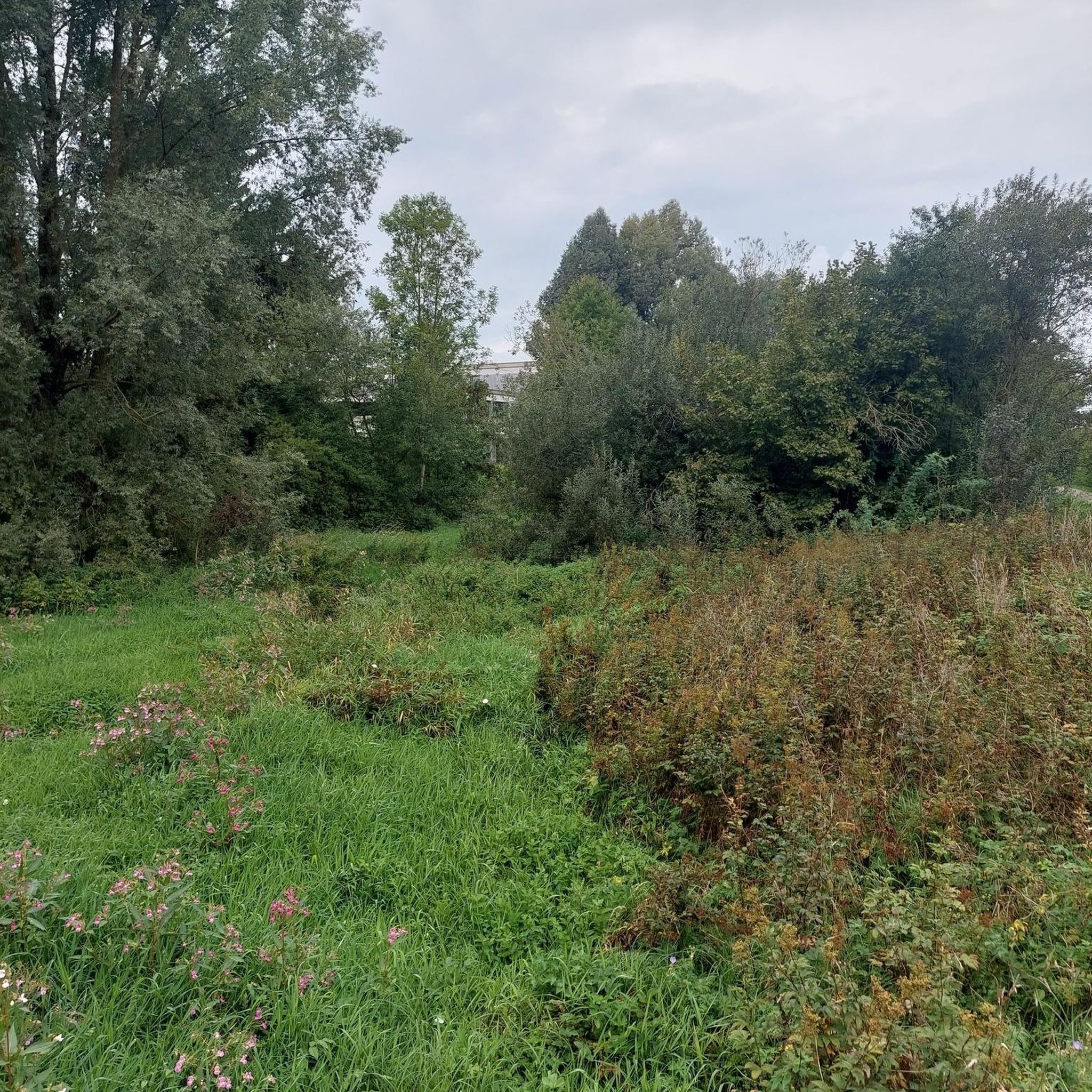
Nowadays, the Sec Iton plays an important role as a limiter during flood episodes, due to its ability to store surface water underground. Added to this are many legends linked, among other things, to its partly aerial and partly underground journey.
1
0

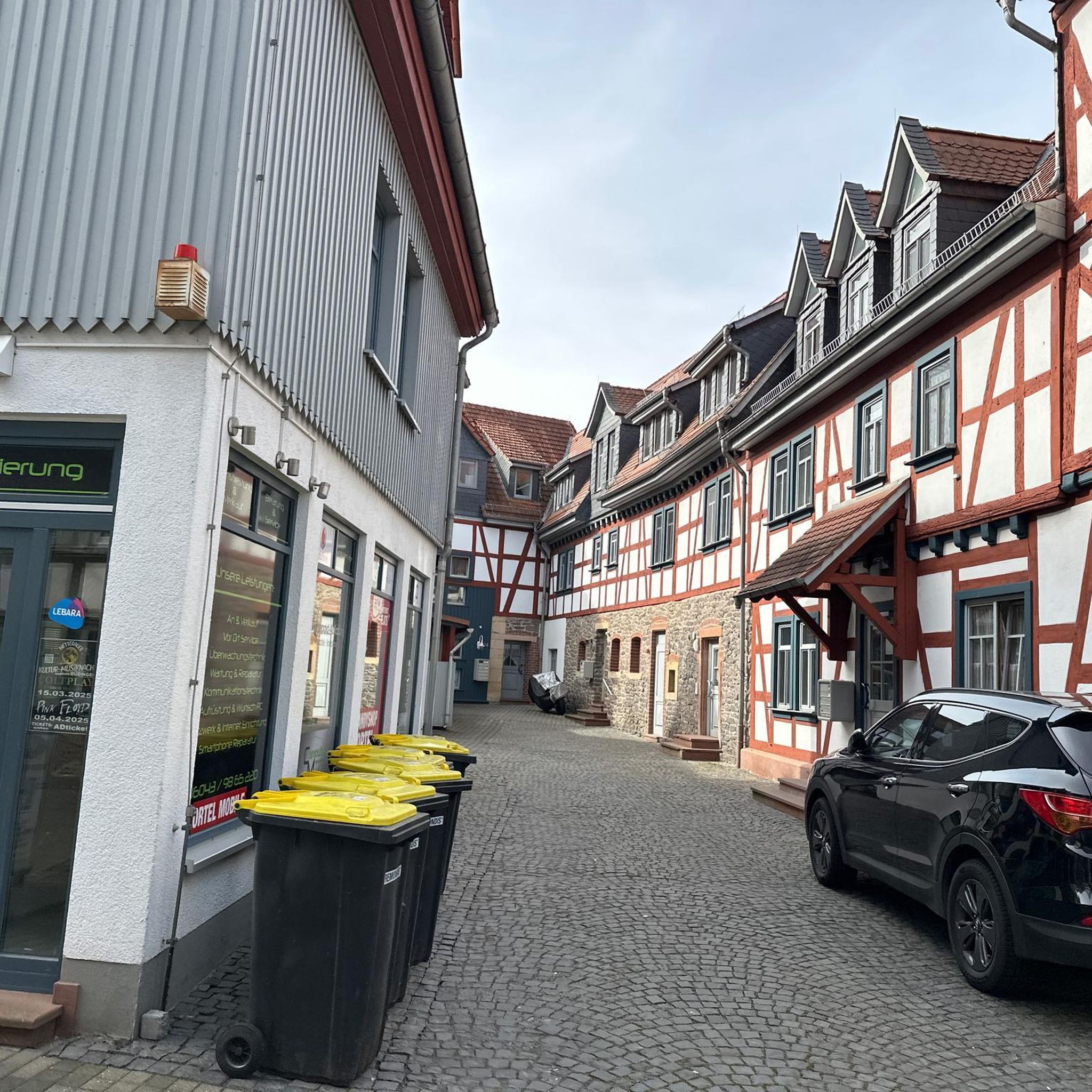
Pretty Town Center of Nonancourt...
0
0
Ruin of the Saint Médard church.
0
1

Small town steeped in history which was fortified at the beginning of the 12th century before its neighbor Verneuil s/Avre. Because the Avre valley has long been a disputed border between the Kingdom of France and the Duchy of Normandy. Destroyed by the English in 1417, Nonancourt was not rebuilt until 1451. Most of the Saint Martin Church, as well as many half-timbered houses in the town center date from this period. In the 19th century, this town was home to an important textile center with woolen and cotton mills powered by hydraulic power from the river. From this historical past, the town has managed to preserve its town center with its typically Norman appearance and, in addition to the central square, you can discover several old houses as well as the remains of the old ramparts.
0
0
Domain of the chef of the starred restaurant "L'Arpège" in Paris, the cook Alain Passard, who cultivates his vegetable garden there, hence the presence of greenhouses in the gardens. Most of the vegetables on the menu come from here.
0
0
Along the Iton, there is an old washhouse and several old mills, one of which now houses a stud farm.
1
0
The church in the small village of Villalet was built in the 14th and 15th centuries. It was sold to the Revolution for 680 francs ... The ruins have been stabilized and the land surrounding the church has been converted into a park, which now gives the opportunity to take a picnic on the altar ...
0
0
Frequently Asked Questions
What historical sites can I visit near Chavigny-Bailleul?
The region is rich in history. You can explore the ancient Pierre Courcoulée Dolmen, a Neolithic stone tomb. Other notable historical sites include the Ruins of Saint Médard Church, a 14th-century site now stabilized as a park, and the historic center of Nonancourt with its half-timbered houses and remains of old ramparts.
Are there any unique natural attractions or gardens in the area?
Yes, the area boasts several remarkable gardens. The most famous are the Gardens of Giverny (Jardin de Claude Monet), located about 33 km away. You can also find the Domaine du Bois Giroult, known for its vegetable gardens that supply a starred Parisian restaurant. Other gardens include Jardins du château de Saint-Just and the Arboretum d'Harcourt.
What kind of outdoor activities, like hiking or cycling, are available?
You'll find various outdoor activities. For cycling, explore routes like the 'Étang de Croth – Eure Valley Greenway loop' or the 'Pierre Courcoulée Dolmen loop'. Hikers can enjoy trails such as the 'Moulins du Sacq loop' or the 'Espace de l'Iton loop'. You can find more details and routes on the cycling guide and hiking guide for the area.
Are there family-friendly attractions around Chavigny-Bailleul?
Many sites are suitable for families. The Ruins of Saint Médard Church offer a park-like setting for picnics. The Domaine du Bois Giroult with its vegetable gardens can also be an interesting visit for all ages. Exploring the historic centers of nearby towns like Nonancourt provides a pleasant family outing.
Where can I experience local culture or markets?
Several nearby towns host vibrant markets on various days, offering a glimpse into local life and produce. These include Saint-André-de-l'Eure (Friday), Damville (Tuesday), Nonancourt (Wednesday), and Évreux (Wednesday, Sunday, Saturday & Friday). These markets are great places to find local goods and experience the regional atmosphere.
What is the most ancient historical monument in the region?
The most ancient historical monument in the immediate vicinity is the Pierre Courcoulée Dolmen. This Neolithic stone tomb features an impressive capstone over 4 meters long and weighing around 10 tons, making it one of the oldest and best-preserved dolmens in Normandy, classified as a historical monument since 1889.
Can I find charming towns or villages to explore nearby?
Absolutely. The historic center of Nonancourt is a charming example with its typically Norman appearance and half-timbered houses. Further afield, Vernon offers an attractive historic town center, and La Roche-Guyon is listed among France's 'most beautiful villages'.
What do visitors particularly enjoy about the attractions in this area?
Visitors appreciate the blend of ancient history and natural beauty. For instance, the Pierre Courcoulée Dolmen is valued for its historical significance and as a place to enjoy fresh air. The Ruins of Saint Médard Church are enjoyed for their tranquil park setting, perfect for a picnic.
Are there any châteaux or castles to visit?
Yes, the region features several impressive châteaux. You can visit the gardens of Château de Miserey, the baroque-style Château de Beaumesnil, or the evocative 12th-century ruins of Château Gaillard, built by Richard the Lionheart. The medieval Château de Harcourt, surrounded by an arboretum, is also within reach.
What are some less crowded unique sites to visit?
For a unique and potentially less crowded experience, consider visiting the Moulins du Sacq, where you can see old mills and a washhouse along the Iton river. This area also has interesting legends related to the river's journey.
What's a good time of year to visit Chavigny-Bailleul for outdoor activities?
Spring and summer are generally ideal for outdoor activities, offering pleasant weather for exploring gardens, historical sites, and enjoying hiking or cycling routes. The gardens, in particular, are at their most vibrant during these seasons.
Are there easy hiking trails suitable for beginners?
Yes, there are several easy hiking options. For example, the 'Espace de l'Iton loop from Damville' is a short 2.3 km easy trail, and the 'Espace de l'Iton loop from Sylvains-les-Moulins' is another easy 7.6 km option. You can find more details on the hiking guide.
Are there specific road cycling routes recommended near Chavigny-Bailleul?
Road cyclists can enjoy routes like the 'Pierre Courcoulée Dolmen loop from Corneuil' (30.8 km, moderate) or the longer 'Houetteville Castle – cote de la Bonneville-sur-Iton loop from Thomer-la-Sôgne' (103.5 km, moderate). More options are available in the road cycling guide.
Are there any accessible paths or attractions for visitors with mobility concerns?
While specific accessibility details for all sites are not always available, many town centers like Nonancourt offer paved areas that may be more accessible. The park surrounding the Ruins of Saint Médard Church could also provide a relatively flat area for enjoyment.
Where can I find parking when visiting attractions?
Parking availability varies by attraction. For sites like the Pierre Courcoulée Dolmen, access is often via hiking trails, suggesting nearby parking might be limited to roadside or small designated areas. In towns like Évreux or Vernon, public parking lots are generally available in or near the historic centers.
Most popular routes around Chavigny-Bailleul

Get inspired with the komoot mobile app


Explore more
Still not found the Highlight you’re looking for? See guides of the top attractions in other regions:
