Attractions and Places To See around Fourmetot - Top 20
Attractions and places to see around Fourmetot encompass a diverse landscape of natural beauty, historical landmarks, and cultural sites. The region is notably defined by the expansive Marais-Vernier wetland, a semi-circular depression formed from an ancient meander of the Seine River. Visitors can explore unique architectural heritage, including traditional thatched cottages, and significant historical ruins. This area offers a blend of natural exploration and cultural insights.
Best attractions and places to see around Fourmetot
- The most popular attractions is Pont-Audemer…
Last updated: June 22, 2026
Pont-Audemer
Highlight • Settlement
Translated by Google •
Tip by

Marais Vernier Viewpoint
Highlight • Viewpoint
Translated by Google •
Tip by

Sign up now to discover places like this
Get recommendations on the best single tracks, peaks, & plenty of other exciting outdoor places.
Sign up for free
The Priory of Saint-Philbert-sur-Risle
Highlight • Historical Site
All his rights were …
Translated by Google •
Tip by

Saint-Thomas-Becket Chapel
Highlight • Religious Site
Translated by Google •
Tip by

Marais-Vernier Village and Thatched Cottages
Highlight • Settlement
Translated by Google •
Tip by

Sign up for free to discover even more attractions around Fourmetot.
Sign up for free
Already have an account?
Start today with a free account
Your next adventure awaits.
Login or Signup



Tips from the Community

Amazing city crisscrossed by multiple canals or streams of the Risle.
0
0

When we encounter the patronage of Saint Thomas, most people outside Great Britain probably think involuntarily of the time of Christ, some two thousand years back. This is because one of the twelve apostles whom Jesus called to follow him bears this name. In the Gospels, he is known as "Didymos," which means "twin" in Greek. In this case, however, the chosen patronage refers to Saint Thomas Becket (1118–1170), also known as Thomas of Canterbury after the place of his episcopal see and martyrdom. Canterbury Cathedral (Kent, England) can be visited—at least virtually—via the komoot system at the following link: =>> https://www.komoot.com/de-de/highlight/231266
1
0

Beautiful walk that gives a good and beautiful impression of nature and its inhabitants
0
0

There is a very nice little street between rue de la République and rue Sadi Carnot, it is rue Paul Clémencin. To have
1
0

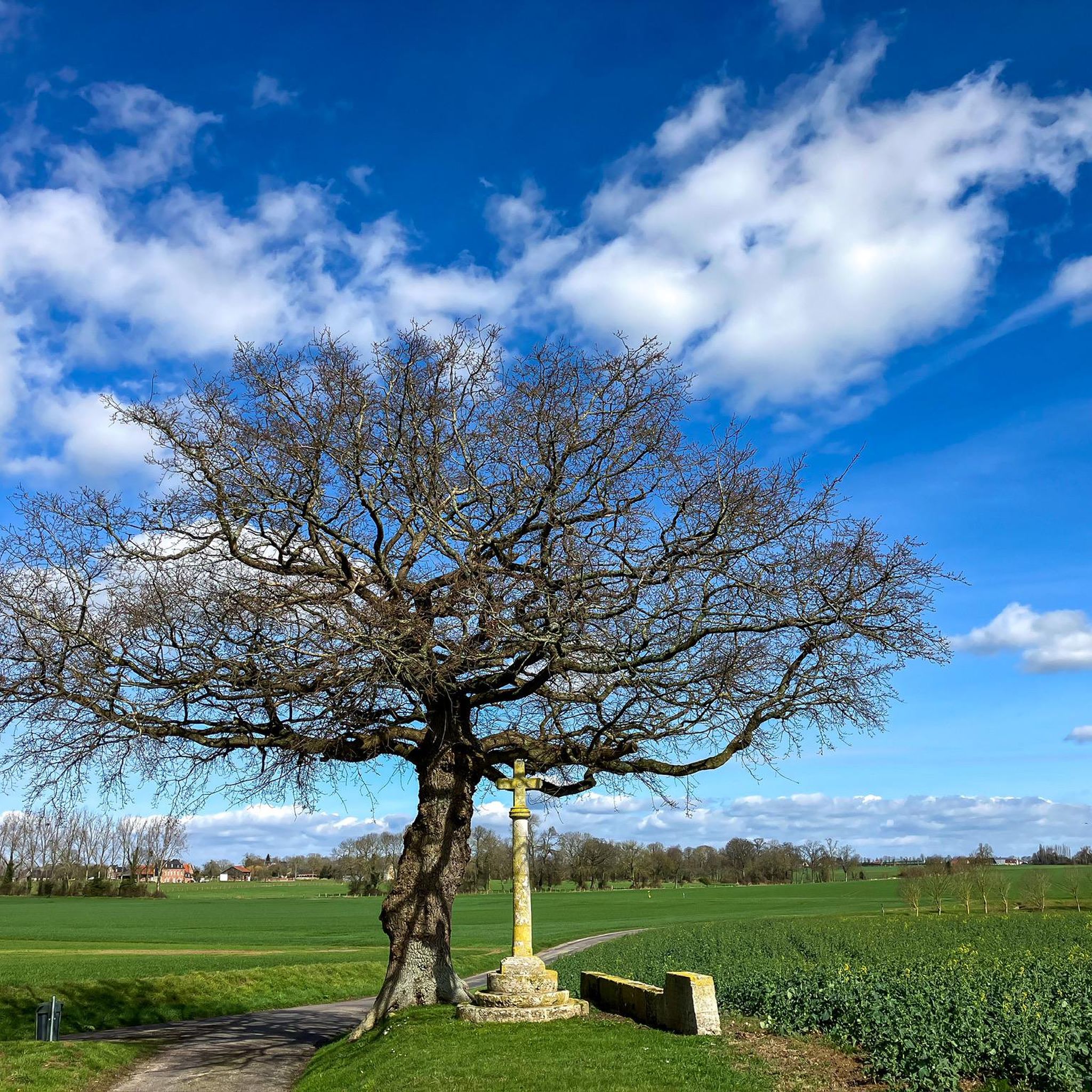
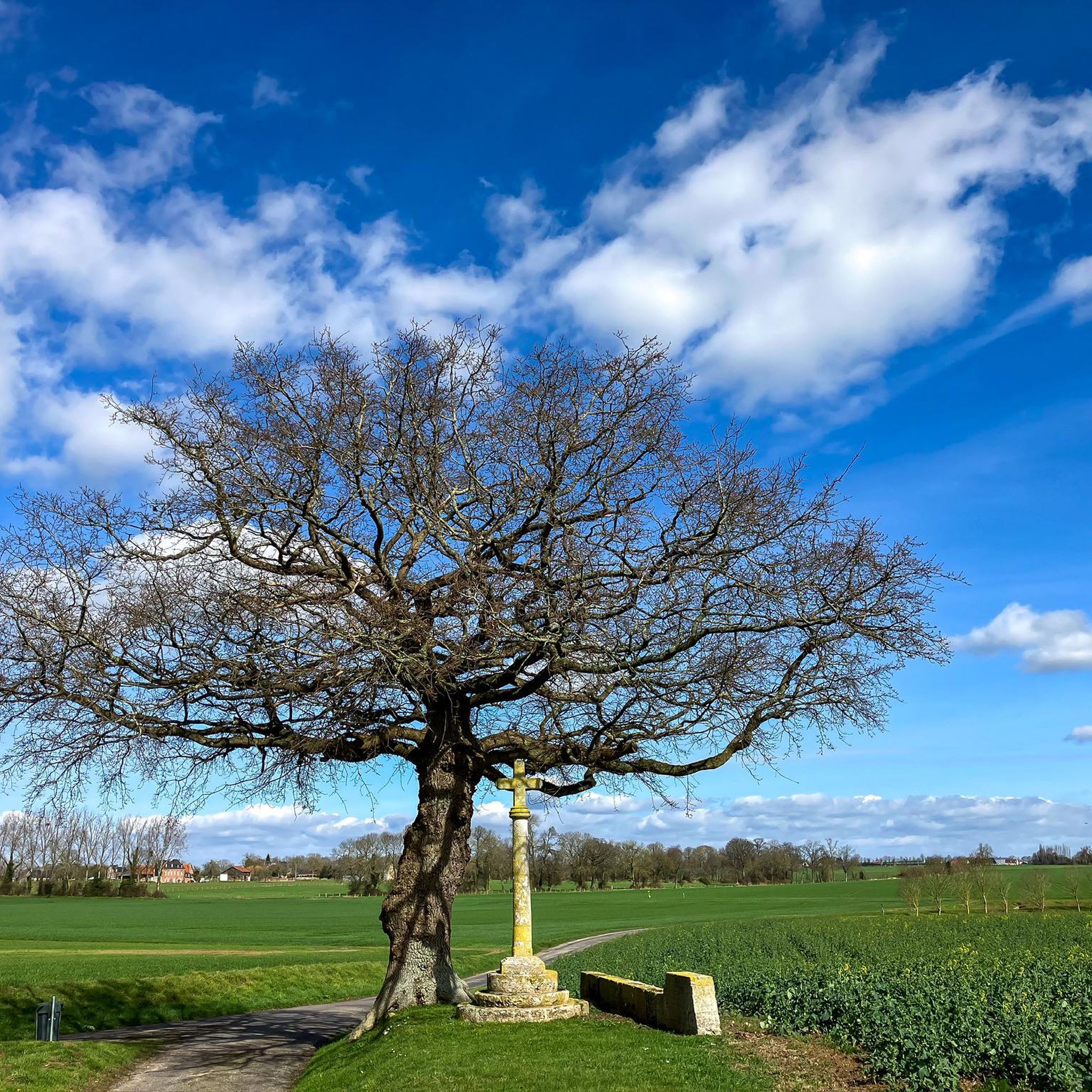
The Saint-Thomas-Becket maladrerie is made up of the ruins of a leprosarium and a chapel dedicated to Saint Thomas Becket, martyr killed in 1170 on the orders of King Henry II of England.
4
0
Beautiful view of the Marais Vernier natural site. I had, when I was 18, the honor and the pleasure of working there in the company of several biologists. It is an exceptional site due to the richness of its fauna. On site live Camargue horses, Hyland cattle, Scottish sheep, gray herons and many other species. A few group visits are regularly organised. To participate, you must register in advance on the Marais Vernier nature reserve website.
1
0
The Marais-Vernier Orientation Table is a viewpoint overlooking the Marais Vernier, a vast wetland area home to a very diverse fauna and flora. The orientation table allows you to appreciate the panoramic view of the marsh and its unique agricultural plots, called courtils, by helping you to identify landmarks. You may be able to spot rare birds like osprey, heron, falcon or stork. The Marais Vernier is a natural wonder that offers a variety of landscapes and terrains for runners.
2
0
The Maladrerie Saint-Thomas-Becket is a former leper colony founded in the 12th century by the monks of the abbey of Fécamp. You can admire the remains of the chapel dedicated to Saint Thomas Becket, the Archbishop of Canterbury who was assassinated by King Henry II of England in 1170. You can also discover the archaeological remains of a building and a paved pool in inside the enclosure. It is a peaceful and scenic walk that will take you back in time and immerse you in the medieval atmosphere of this place.
3
0
Frequently Asked Questions
What historical sites can I visit around Fourmetot?
The area boasts several historical landmarks. You can explore the ruins of the Saint-Thomas-Becket Chapel, which includes a leprosarium and a chapel dedicated to Saint Thomas Becket, offering picturesque views of the Marais Vernier. Additionally, the 16th-century Château du Hamel and the 17th-century Manoir de la Croisée provide glimpses into the region's past.
What natural features and wildlife can I observe in the Fourmetot area?
The expansive Marais-Vernier wetland is a primary natural attraction, featuring wet meadows, marshes, reed beds, and France's largest peat bog. It's home to diverse flora and fauna, including protected species like storks, hawks, and owls. You might also spot Camargue horses, Highland cattle, and Scottish sheep, particularly near the Saint-Thomas-Becket site. The Marais Vernier Viewpoint and the Grand'Mare Observatory are excellent spots for birdwatching.
Are there any family-friendly attractions or activities in Fourmetot?
Yes, several attractions are suitable for families. The Marais Vernier Viewpoint offers panoramic views that children and adults can enjoy, with opportunities for birdwatching. The Saint-Thomas-Becket Chapel is also listed as family-friendly, combining history with nature observation. Exploring the unique Marais-Vernier Village and Thatched Cottages can also be an engaging experience for all ages.
Where can I find the best views of the Marais Vernier?
For spectacular panoramic views of the Marais Vernier, head to the Marais Vernier Viewpoint. This orientation table allows you to appreciate the marsh's unique agricultural plots, known as *courtils*, and identify various landmarks. The Saint-Thomas-Becket Maladrerie also offers picturesque views of the marsh.
What unique architectural features can I see in the region?
The region is famous for its traditional thatched-roof houses, known as "Chaumières," particularly in the Marais-Vernier Village. These distinctive dwellings often feature irises growing on their ridges and are nestled among apple orchards. The Manoir de la Croisée is also notable for its superb porch.
What outdoor activities are available near Fourmetot's attractions?
The area around Fourmetot offers various outdoor activities. You can find numerous routes for gravel biking, running, and road cycling. For gravel biking, explore routes like the "Marais Vernier Viewpoint – Les Chaumières loop from Marais-Vernier." Running enthusiasts can try the "Château de Bonneboscq loop from Fourmetot." Road cyclists might enjoy the "Marais Vernier Viewpoint – Pont-Audemer loop from Corneville-sur-Risle." You can find more details on these and other routes in the respective guides for gravel biking, running, and road cycling around Fourmetot.
What is Pont-Audemer and why is it a significant point of interest?
Pont-Audemer is a nearby settlement often referred to as the "Norman Venice." This nickname comes from the Risle River and its surrounding wetlands, which create a unique and picturesque canal system throughout the town. It's a charming place to visit for its waterways and architecture.
When is the best time to visit Fourmetot for nature observation and birdwatching?
While specific seasonal data isn't provided, the Marais-Vernier is known for its rich biodiversity and migratory birds like storks, hawks, and owls. Spring and autumn are generally excellent seasons for birdwatching as many species are either migrating or more active. The Marais Vernier Viewpoint and Grand'Mare Observatory are ideal spots for this activity.
What do visitors enjoy most about the attractions around Fourmetot?
Visitors frequently appreciate the unique natural heritage of the Marais-Vernier, especially the spectacular views from the Marais Vernier Viewpoint. The historical significance of sites like the Saint-Thomas-Becket Chapel, combined with the diverse fauna, also receives positive feedback. The charm of the Marais-Vernier Village and Thatched Cottages is also a highlight for many.
Are there any specific natural reserves or protected areas in the Marais-Vernier?
The Marais-Vernier itself is an expansive natural region recognized for its remarkable natural heritage. It encompasses diverse landscapes including wet meadows, marshes, reed beds, canals, ponds, and peat bogs. It is home to France's largest peat bog by volume, covering nearly 1,800 hectares, and supports a rich variety of protected flora and fauna.
Can I arrange group visits to the Saint-Thomas-Becket Maladrerie?
Yes, group visits to the Saint-Thomas-Becket Maladrerie and Chapel are occasionally organized. You can find more information and potentially arrange a visit through the Marais Vernier nature reserve website.
Most popular routes around Fourmetot

Get inspired with the komoot mobile app


Explore more
Still not found the Highlight you’re looking for? See guides of the top attractions in other regions:
