Attractions and Places To See around Saint-Étienne-Le-Molard - Top 15
Attractions and places to see around Saint-Étienne-Le-Molard are found in the heart of the Forez plain, a region characterized by its natural setting and historical significance. The area is traversed by the Lignon du Forez river and features elevations of land, offering diverse landscapes for exploration. Visitors can discover a blend of historical landmarks, cultural sites, and natural features within and around the commune. This region provides opportunities to explore historical architecture and scenic outdoor environments.
Best attractions and places…
Last updated: May 20, 2026
Montverdun Priory
Highlight • Other
Translated by Google •
Tip by

Pommiers-en-Forez
Highlight • Other
Translated by Google •
Tip by

Sign up now to discover places like this
Get recommendations on the best single tracks, peaks, & plenty of other exciting outdoor places.
Sign up for free
Champdieu Priory
Highlight • Religious Site
Translated by Google •
Tip by

La Bâtie d'Urfé Castle
Highlight • Castle
Translated by Google •
Tip by
Chessieux Viaduct
Highlight • Other
Translated by Google •
Tip by

Sign up for free to discover even more attractions around Saint-Étienne-Le-Molard.
Sign up for free
Already have an account?
Start today with a free account
Your next adventure awaits.
Login or Signup
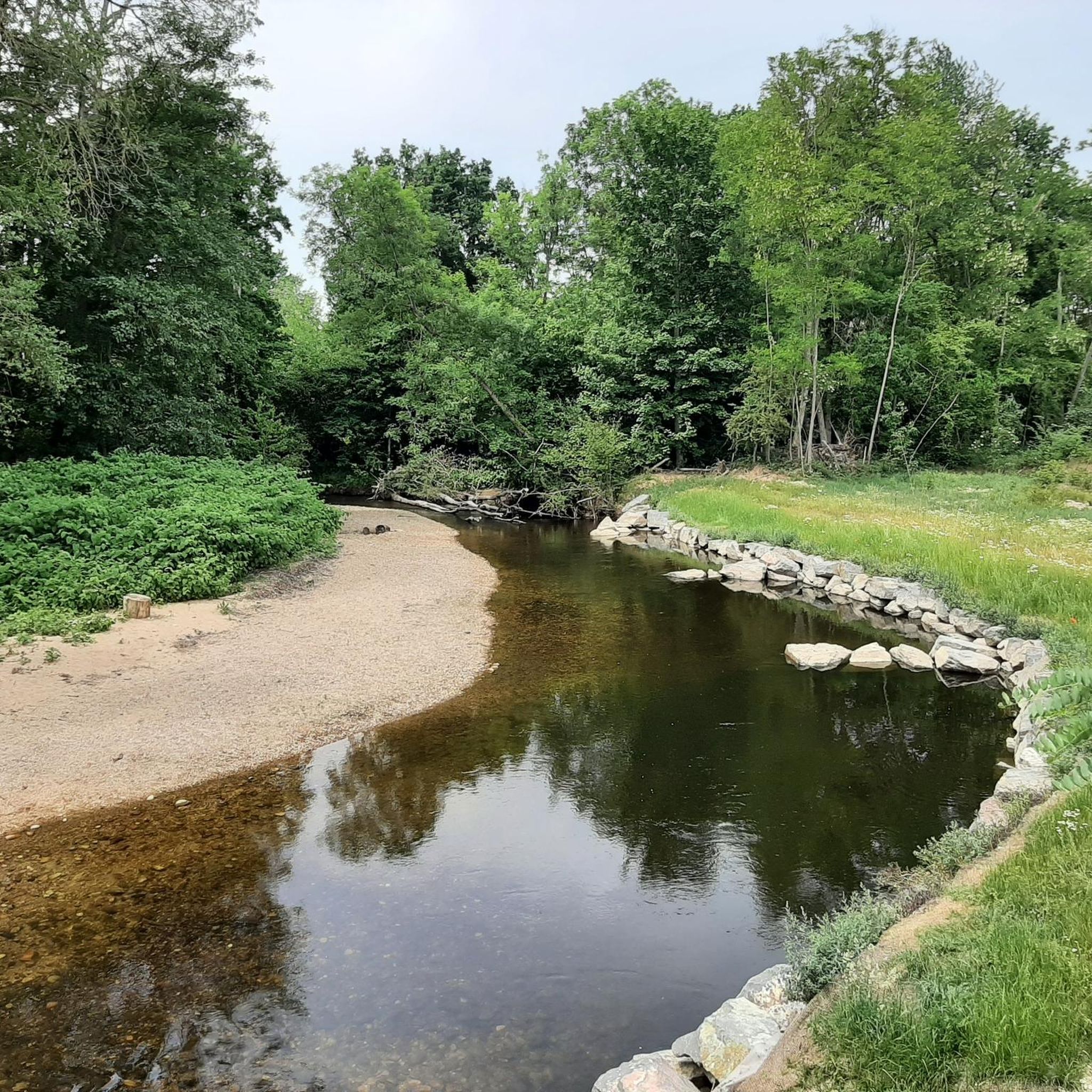
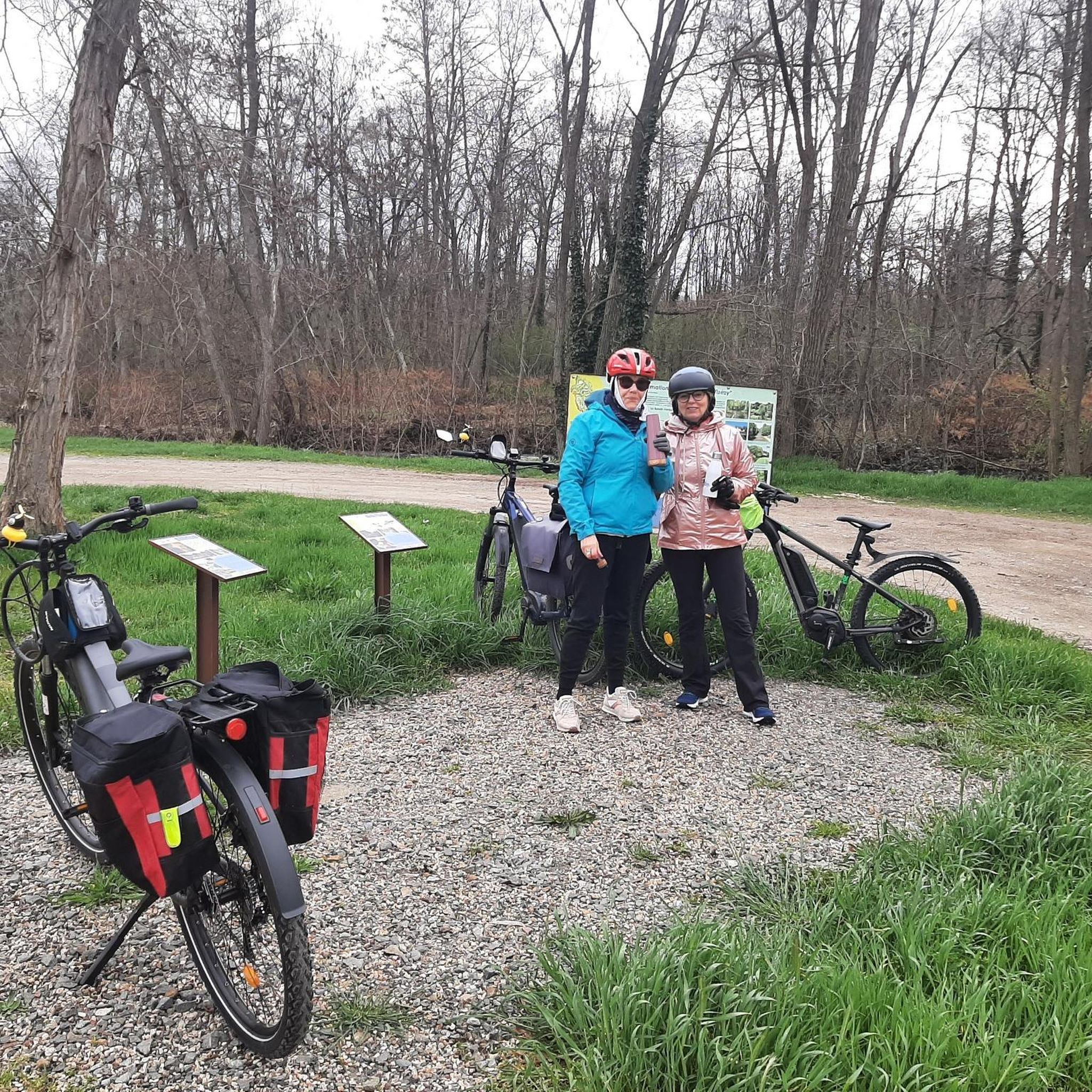
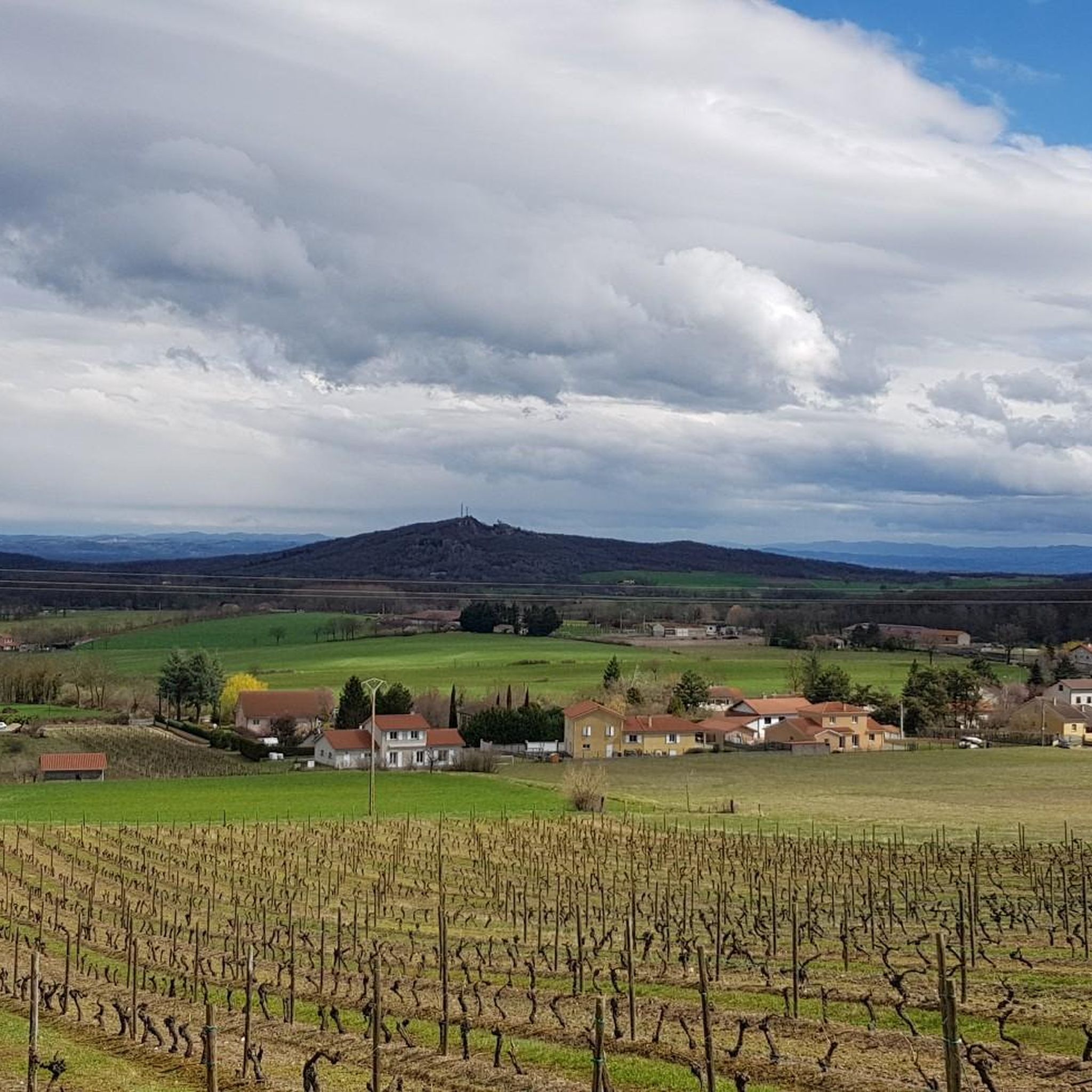



Tips from the Community

It was wonderful on my way #berndscamino https://huettemann.eu/de/2024/02/bergauf-bergab-an-die-loire-berndscamino/
1
0
It was wonderful on my way #berndscamino https://huettemann.eu/de/2024/02/bergauf-bergab-an-die-loire-berndscamino/
0
0
It was wonderful on my way #berndscamino https://huettemann.eu/de/2024/02/bergauf-bergab-an-die-loire-berndscamino/
0
0
Wonderfully impressive history with a view. https://huettemann.eu/de/2024/02/bergauf-bergab-an-die-loire-berndscamino/
0
0

The priory represents a monastic complex built from the 11th century. Rich in sculpted capitals, the church stands out with its half-buried crypt from the 11th century, while the refectory still retains a 15th century fresco representing The Last Supper.
5
0
The monastery was built in the 8th century in cinder stones. The current buildings have been restored. They date from the 15th century. The whole is made up of the church (12th and 15th centuries), the Prior's dwelling, the gallery (15th century), the vaulted cellar (13th century) and the chapter house.
4
0
This Casadean priory (congregation of La Chaise-Dieu) stands on a basaltic peak in the heart of the Forez plain. The peak offers a magnificent 360° view of the Monts du Forez and the Monts du Lyonnais.
4
1
Classified as a Historic Monument, the Château de la Bâtie d'Urfé was fitted out in the 16th century in the style of the Renaissance on the initiative of Claude d'Urfé, by Italian artists.
4
0
Frequently Asked Questions
What historical landmarks can I visit around Saint-Étienne-Le-Molard?
The region is rich in history. You can explore the stunning Renaissance residence of La Bâtie d'Urfé Castle, classified as a Historic Monument, featuring a unique rockery grotto and 16th-century chapel. Other significant historical sites include Montverdun Priory, an old monastery with fantastic views, and the charming village of Pommiers-en-Forez, built around its Benedictine monastery.
Are there any cultural sites or religious buildings worth visiting?
Yes, beyond the castles and priories, the Parish Church of Saint-Étienne, dating back to the mid-16th century, is a notable cultural site within Saint-Étienne-Le-Molard. Additionally, the Champdieu Priory, a Benedictine complex from the 11th century, offers guided tours, exhibitions, and features sculpted capitals and a 15th-century fresco.
What natural features or scenic viewpoints can I find in the area?
The area is characterized by the Forez plain and the Lignon du Forez river. For impressive views, visit the Chessieux Viaduct, which offers panoramic vistas over the Loire. The elevation of Montverdun, where Montverdun Priory is located, also provides fantastic scenic outlooks.
Are there family-friendly attractions around Saint-Étienne-Le-Molard?
Yes, several attractions are suitable for families. La Bâtie d'Urfé Castle is classified as family-friendly, offering an engaging historical experience. The Champdieu Priory also hosts events and tours that can be enjoyed by all ages. The natural settings around the Lignon du Forez river provide opportunities for walks and exploration.
What outdoor activities, like cycling, are available near these attractions?
The region offers various cycling opportunities. You can find numerous routes for road cycling, touring bicycles, and gravel biking. For instance, there are road cycling routes like the 'Montverdun Priory loop from Loire' and touring routes such as the 'Little Crossroad loop from Saint-Étienne-le-Molard'. For more details and specific routes, you can explore the Road Cycling Routes around Saint-Étienne-Le-Molard, Cycling around Saint-Étienne-Le-Molard, and Gravel biking around Saint-Étienne-Le-Molard guides.
Are there hiking trails or walking routes near Saint-Étienne-Le-Molard?
Yes, the area is excellent for walking. 'Le chemin Céladon,' a 14.1 km hiking trail, starts from Saint-Étienne-Le-Molard and offers scenic views along the Lignon. Other hiking loops, including one to the Pic de Montverdun, provide panoramic views. Historical routes like the 'Chemin de Compostelle' (GR 765) and 'Chemin de Montaigne' (GR89) also pass through the commune.
What do visitors enjoy most about the attractions in Saint-Étienne-Le-Molard?
Visitors frequently highlight the fantastic views from places like Montverdun Priory, noting its magical atmosphere, especially at dusk. The historical significance and beautiful restoration of sites like Pommiers-en-Forez, with its old Roman bridge, are also highly appreciated for their photo opportunities and charm.
Can I find any unique architectural features in the region?
Absolutely. La Bâtie d'Urfé Castle is renowned for its unique rockery grotto, the only one of its kind in France, and its 16th-century chapel with Siciolante paintings and a gilded stucco ceiling. The Champdieu Priory also stands out with its rich sculpted capitals and a half-buried crypt from the 11th century.
Are there any markets nearby to experience local life?
While not directly within Saint-Étienne-Le-Molard, you can visit nearby towns for local markets. Markets are held in Boen (Thursdays), Feurs (Tuesdays), Balbigny (Mondays), and Montbrison (Saturdays), offering a glimpse into the regional culture and local produce.
What is the significance of the Lignon du Forez river in the area?
The Lignon du Forez river is a defining natural feature of the region, traversing the Forez plain. Saint-Étienne-Le-Molard itself is situated on an elevation overlooking the river, which contributes to the scenic landscape and provides a natural backdrop for many outdoor activities and trails, such as 'Le chemin Céladon'.
Is there anything related to literature or famous figures in the area?
Yes, La Bâtie d'Urfé Castle is deeply intertwined with the d'Urfé family and is notably linked to Honoré d'Urfé's famous pastoral novel, 'L'Astrée', adding a literary dimension to its historical significance.
Most popular routes around Saint-Étienne-Le-Molard

Get inspired with the komoot mobile app


Explore more
Still not found the Highlight you’re looking for? See guides of the top attractions in other regions:
