The best cycling routes around Saint-Guinoux
4.3
(1539)
9,771
riders
246
rides
Touring cycling around Saint-Guinoux, located in the Ille-et-Vilaine department of Brittany, offers routes through diverse natural features. The region is characterized by its proximity to the Estuaire de la Rance and various coastal areas, including the Côte de Cancale à Paramé. Cycling paths often follow riverbanks, estuaries, and green spaces, connecting to nearby historic towns and villages. The terrain generally includes flat sections along waterways and some undulating routes with coastal views.
Best touring cycling routes around Saint-Guinoux
- The most…
Last updated: July 5, 2026
4.5
(186)
1,026
riders
62.6km
03:54
390m
390m
Moderate bike ride. Good fitness required. Mostly paved surfaces. Suitable for all skill levels.
4.0
(8)
52
riders
43.6km
02:46
160m
160m
Moderate bike ride. Good fitness required. Mostly paved surfaces. Suitable for all skill levels.

Sign up for free
4.3
(4)
28
riders
90.7km
05:27
210m
210m
Hard bike ride. Very good fitness required. Mostly paved surfaces. Suitable for all skill levels.
9
riders
63.1km
03:48
190m
190m
Moderate bike ride. Good fitness required. Mostly paved surfaces. Suitable for all skill levels.
3.5
(4)
26
riders
62.0km
03:42
100m
100m
Moderate bike ride. Good fitness required. Mostly paved surfaces. Suitable for all skill levels.
Get access to more routes and recommendations from other explorers.
Sign up for free
Already have an account?
Our route recommendations are based on thousands of hikes, rides, and runs completed by other people on komoot.
Start today with a free account
Your next adventure awaits.
Login or Signup
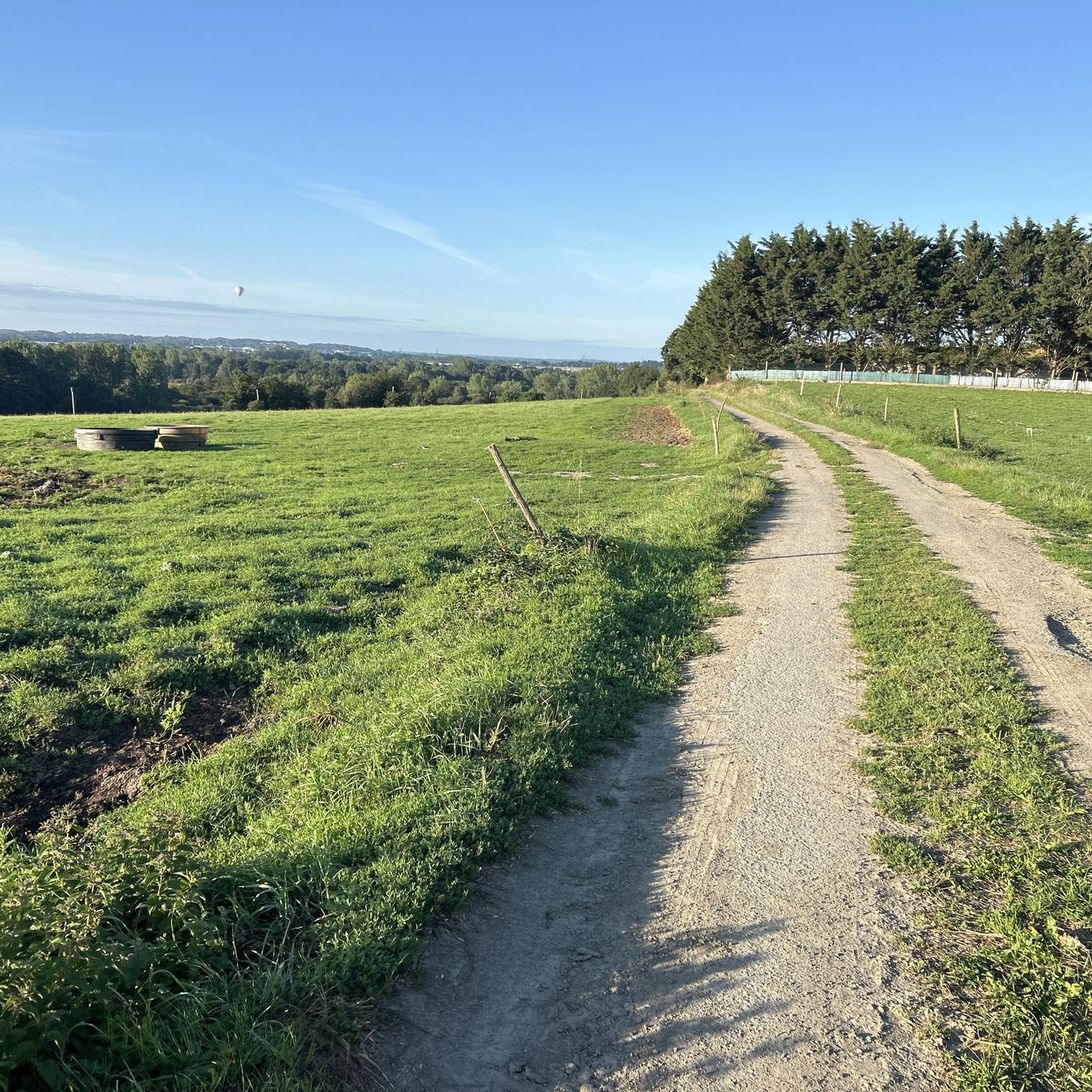
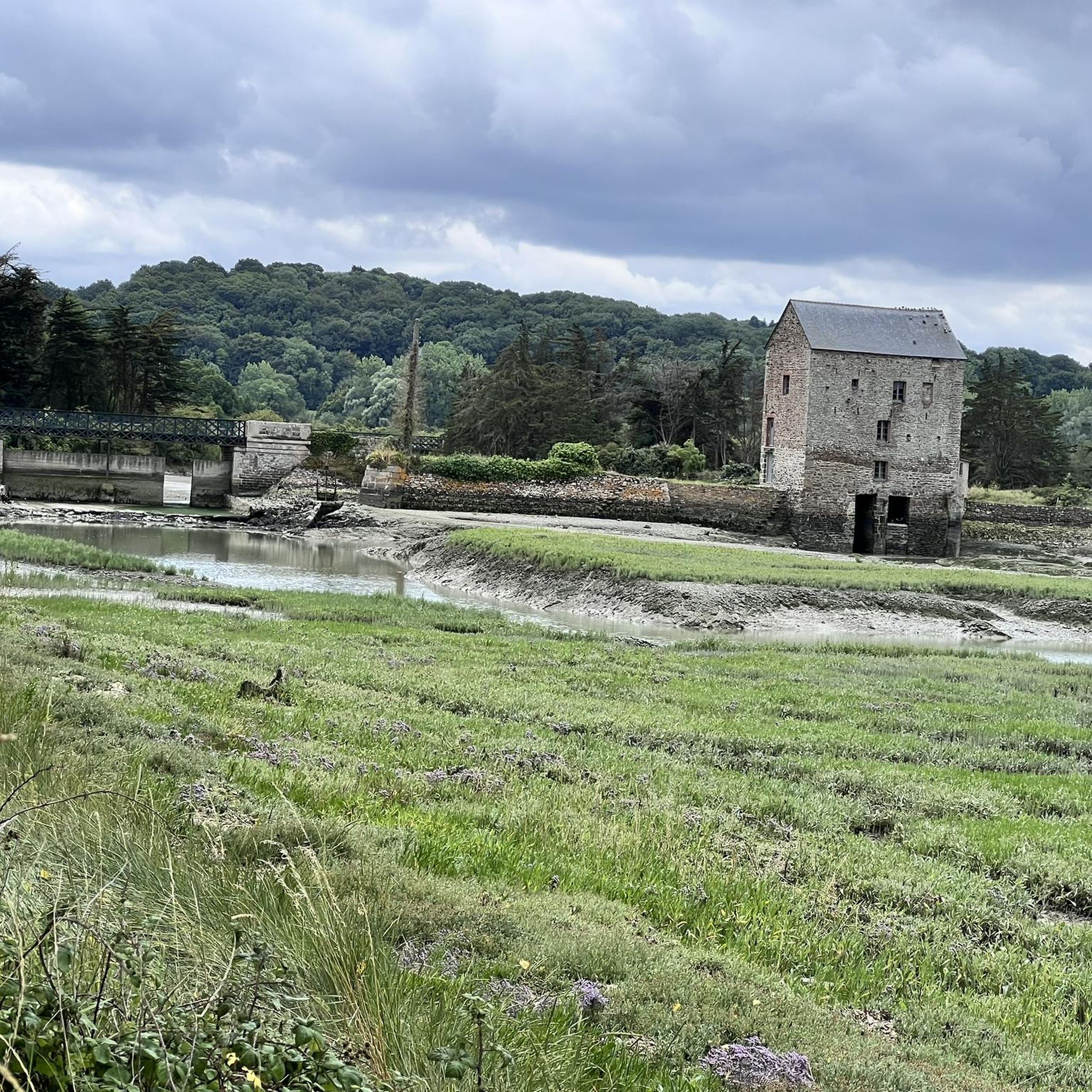

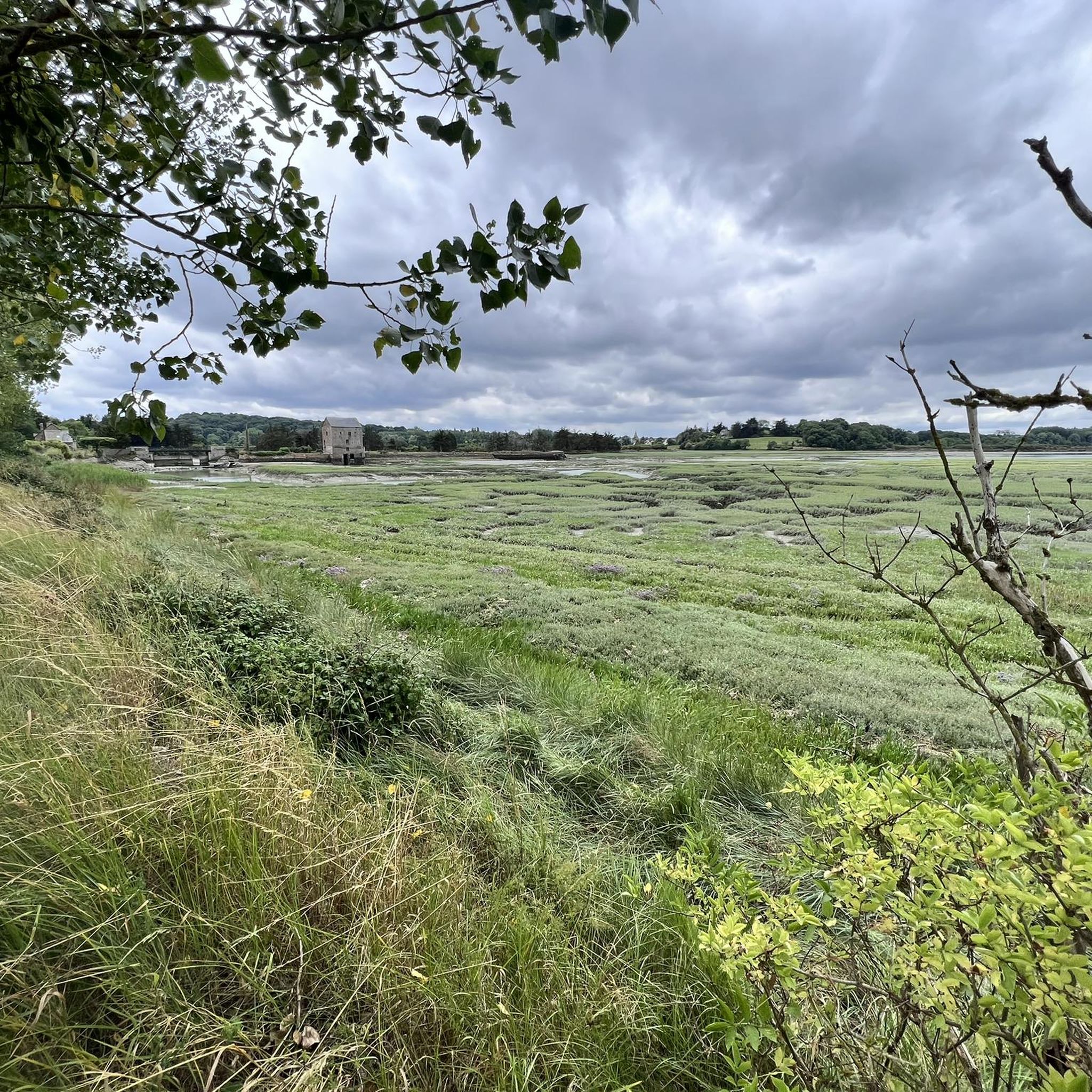
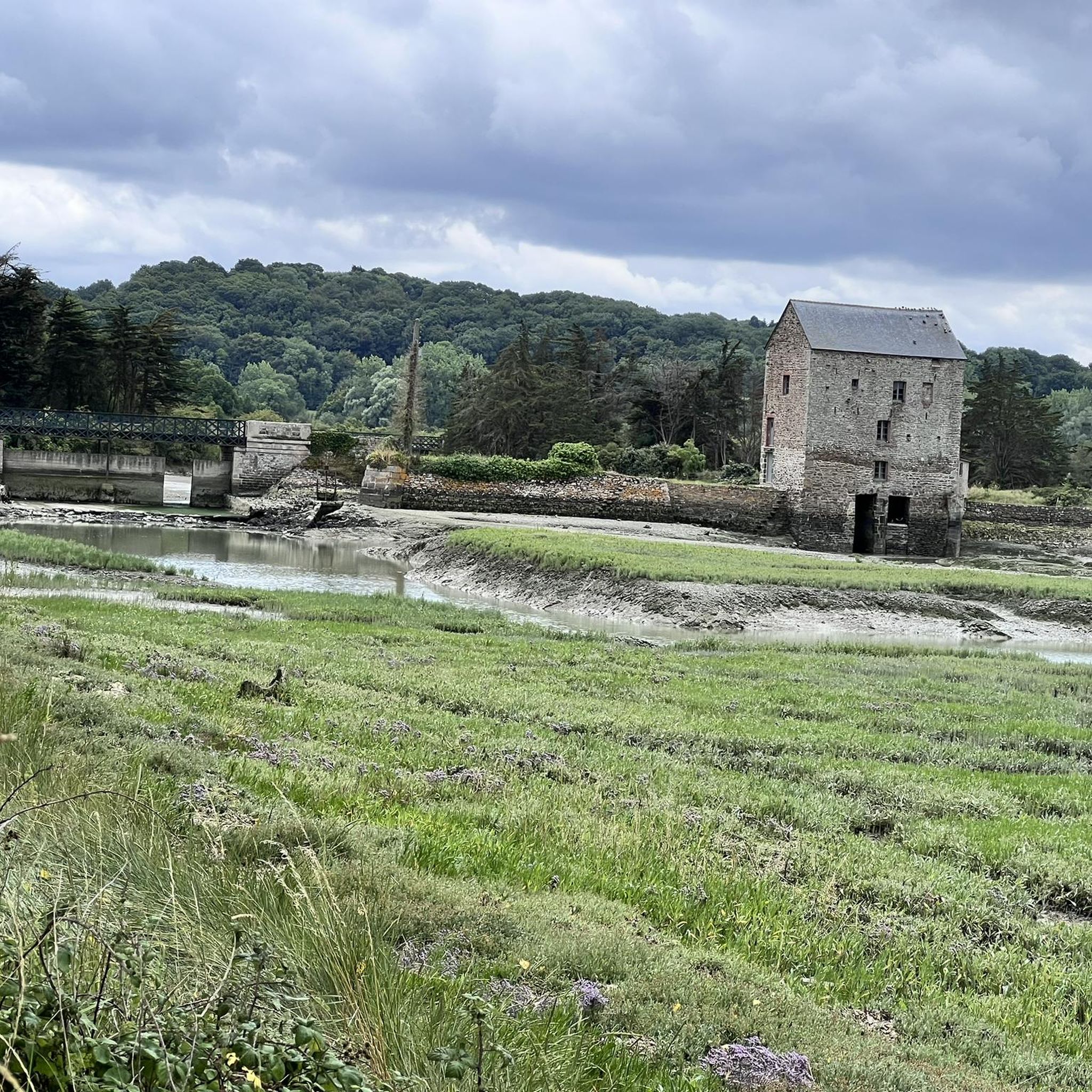
Tips from the Community

Monument of Chateaubriand. In the old market hall behind it art and handicrafts
0
0

This place is all about oysters. The whole bay is full of oyster banks, which are immediately consumed at the harbor.
0
0
Here everything revolves around oysters. The whole bay is full of oyster beds, which are consumed right at the harbor.
0
0
There is an artists' market in the old market hall
0
0

very nice cycle path in the shade
0
0

Particularly outstanding within the cathedral's interior is the large choir window from the late 13th century, one of the oldest surviving monumental stained glass windows in Brittany, depicting scenes from the Bible and church history. Also noteworthy are the approximately 77 finely carved choir stalls from the 14th century, decorated with human and animal depictions. Among the most important works of art is the tomb of Bishop Thomas James from the early 16th century, considered the oldest Renaissance tomb in Brittany. In addition to these treasures, the cathedral also houses a double fountain of Roman origin, several richly decorated chapels, and the modern high altar from 1963, depicting scenes from the life of Saint Samson.
1
0
Dol-de-Bretagne is a historic town founded as a bishopric in the 5th or 6th century under the influence of Saint Samson of Dol. The town is known for its well-preserved medieval architecture, including the Saint-Samson Cathedral, the Musée de la Trésorerie, and the Maison des Petits Palets. The surrounding area also features the Menhir du Champ-Dolent, a megalith dating back to the Neolithic period that is over 4,000 years old. Markets, local festivals, and small shops enliven town life, and despite its touristic significance, the town remains relatively quiet and manageable, an ideal place to experience history, culture, and Breton flair.
1
0

At 3 km long, this is the largest sandy beach in Saint-Malo. Walking along this beach, you can reach Intra-Muros in Paramé. Sillon Beach includes Grande Plage, Hoguette Beach, and Rochebonne Beach. La Digue was built from 1883 to 1913 on an old sandbar (the Sillon) that once connected Paramé to the walled city and provided the only dry-land access at low tide. Originally, a strip of sand was covered with dunes that grew higher and higher as one moved toward Rochebonne, with only a succession of windmills remaining. The first causeway was built in 1509, rebuilt and widened several times... Le Digue, 1,671 meters long, runs along Grande Plage and offers a pleasant stroll, lined with numerous villas built towards the end of the 19th century. Along the Sillon, a line of breakwaters protects the seawall from the force of the waves. Built in the early 19th century based on an idea by the civil engineer Robinault de St-Servan, the oak breakwaters have a depth at least equal to, or even greater than, their visible height.
2
0
Frequently Asked Questions
How many touring cycling routes are available around Saint-Guinoux?
There are over 260 touring cycling routes around Saint-Guinoux, offering a wide variety of options for different skill levels and preferences. This includes 113 easy routes, 113 moderate routes, and 43 difficult routes.
What is the terrain like for touring cycling in Saint-Guinoux?
The terrain around Saint-Guinoux is quite diverse, characterized by its proximity to the Estuaire de la Rance and various coastal areas like the Côte de Cancale à Paramé. You'll find cycling paths along riverbanks, estuaries, and green spaces, often connecting to charming historic towns. The routes generally feature flat sections along waterways, interspersed with some undulating paths that offer scenic coastal views.
What do other touring cyclists say about the routes in Saint-Guinoux?
The touring cycling routes around Saint-Guinoux are highly regarded by the komoot community, with an average rating of 4.3 stars from over 1,600 reviews. Cyclists often praise the scenic coastal paths, the tranquility of the estuaries, and the charming historic towns accessible by bike.
Are there routes suitable for beginners or easy rides?
Yes, Saint-Guinoux offers a good selection of routes suitable for beginners and those looking for easy rides. There are 113 easy touring cycling routes available, many of which follow flat sections along waterways and through green spaces, providing a relaxed cycling experience.
Can I find circular touring cycling routes in the area?
Yes, many touring cycling routes around Saint-Guinoux are designed as loops, allowing you to start and end at the same point. For example, the Moulin de la Saline – Chapelle Sainte-Anne loop from La Fresnais is a moderate 23.0-mile (37.0 km) route that takes you through historical and natural points of interest.
What interesting places can I see or visit while cycling around Saint-Guinoux?
While cycling around Saint-Guinoux, you can explore several notable attractions. Consider visiting the charming town of Cancale, famous for its oysters, or discovering the historic Beauchet Tidal Mill. The Port of La Houle and the impressive Pont Saint-Hubert are also worth seeing. Don't miss the opportunity to observe the Cancale Oyster Farms along the coast.
Are there any specific landmarks or natural features to look out for?
Absolutely. The region is rich in natural beauty. You'll cycle near the picturesque Estuaire de la Rance and along the scenic Côte de Cancale à Paramé. Keep an eye out for small islands and headlands like Îlots Notre-Dame et Chevret or Pointe de la Varde, which offer stunning sea views. The Rance river and the Réserve naturelle régionale du Marais de Sougeal also provide unique natural environments to explore.
Is Saint-Guinoux suitable for family cycling trips?
Yes, Saint-Guinoux and its surroundings are well-suited for family cycling trips, especially given the abundance of easy routes and green spaces. The commune itself emphasizes its green areas and biodiversity, making for pleasant and safe rides. Many routes follow quiet paths along estuaries and through charming villages, away from heavy traffic.
Are touring cycling routes around Saint-Guinoux dog-friendly?
While specific regulations for dogs on cycling routes can vary, many natural paths and less-trafficked roads around Saint-Guinoux are generally suitable for cycling with a well-behaved dog on a leash, or in a trailer. It's always recommended to check local signage and be mindful of other users, especially in more populated areas or nature reserves.
What is the best time of year for touring cycling in Saint-Guinoux?
The spring and autumn months typically offer the most pleasant conditions for touring cycling in Saint-Guinoux, with milder temperatures and beautiful scenery. Summer can also be enjoyable, though it may be busier with tourists. Winter cycling is possible, but be prepared for cooler temperatures and potentially wet weather.
Are there any long-distance touring cycling routes near Saint-Guinoux?
Yes, the region offers several longer touring cycling routes. For instance, the Sillon Beach – Cancale loop from La Fresnais is a substantial 36.9-mile (59.4 km) route that provides extensive coastal views and connects significant beaches and towns, ideal for a longer day out.
Where can I park my car when starting a touring cycling route?
Parking is generally available in and around the towns and villages that serve as starting points for many routes. For example, if you're starting a route from La Fresnais, you'll typically find parking options within the village. It's advisable to look for designated public parking areas or consult local maps for specific parking information near your chosen starting point.
Can I cycle to Saint-Malo or Cancale from Saint-Guinoux?
Yes, Saint-Guinoux's strategic location makes it an excellent base for cycling to nearby historic towns. Saint-Malo (12 km) and Cancale (12 km) are both very accessible by bike. Routes like the Old mills – Route to Saint-Malo loop from La Fresnais can take you towards these popular destinations, offering a blend of coastal scenery and urban exploration.
Most popular routes around Saint-Guinoux
Most popular attractions around Saint-Guinoux

Get inspired with the komoot mobile app


Explore more
Browse the best Cycling routes in other regions.
