The best walks and hikes around Dol-De-Bretagne
4.2
(164)
832
hikers
20
hikes
Hiking around Dol-De-Bretagne offers a variety of routes through a landscape characterized by its historical landmarks and gentle elevations. The region features the prominent Mont-Dol, a hill providing elevated views, alongside flatter agricultural areas. Trails often connect significant cultural sites such as Dol Cathedral and ancient megaliths. This blend of natural and historical elements defines the hiking experience in the area.
Best hiking trails around Dol-De-Bretagne
- The most popular hiking route is Mont-Dol – Mont Dol Mill loop from Dol-de-Bretagne, a 6.2 miles (9.9 km) trail that takes 2 hours 35 minutes to complete. This route ascends Mont-Dol, offering views of the surrounding countryside and the historic mill.
- Another top favourite among local hikers is Dol Cathedral – Mont Dol Mill loop from Dol-de-Bretagne, an easy 4.5 miles (7.3 km) path. This trail connects the historic Dol Cathedral with the Mont-Dol hill, featuring gentle ascents and open views.
- Local hikers also love the Menhir of Champ-Dolent – Dol-de-Bretagne loop from Dol-de-Bretagne, a 4.0 miles (6.5 km) trail leading through rural landscapes to the ancient Menhir of Champ-Dolent, often completed in about 1 hour 42 minutes.
- Hiking around Dol-De-Bretagne is defined by historical landmarks, gentle hills like Mont-Dol, and open rural scenery. The network offers options for both easy family friendly walks and moderate routes for more active hikers.
- The routes in Dol-De-Bretagne are highly rated by the komoot community with an average score of 4.2 stars from over 100 reviews. More than 600 hikers have used komoot to explore Dol-De-Bretagne's varied terrain.
Last updated: August 19, 2026
4.3
(8)
33
hikers
9.81km
02:33
60m
60m
Moderate hike. Good fitness required. Easily-accessible paths. Suitable for all skill levels.
4.1
(9)
36
hikers
10.3km
02:43
80m
80m
Hard hike. Good fitness required. Sure-footedness, sturdy shoes and alpine experience required.

Sign up for free
4.6
(8)
38
hikers
8.59km
02:13
50m
50m
Moderate hike. Good fitness required. Easily-accessible paths. Suitable for all skill levels.
4.1
(7)
25
hikers
Easy hike. Great for any fitness level. Easily-accessible paths. Suitable for all skill levels.
3.0
(1)
4
hikers
Moderate hike. Good fitness required. Easily-accessible paths. Suitable for all skill levels.
Get access to more routes and recommendations from other explorers.
Sign up for free
Already have an account?
Our route recommendations are based on thousands of hikes, rides, and runs completed by other people on komoot.
Start today with a free account
Your next adventure awaits.
Login or Signup
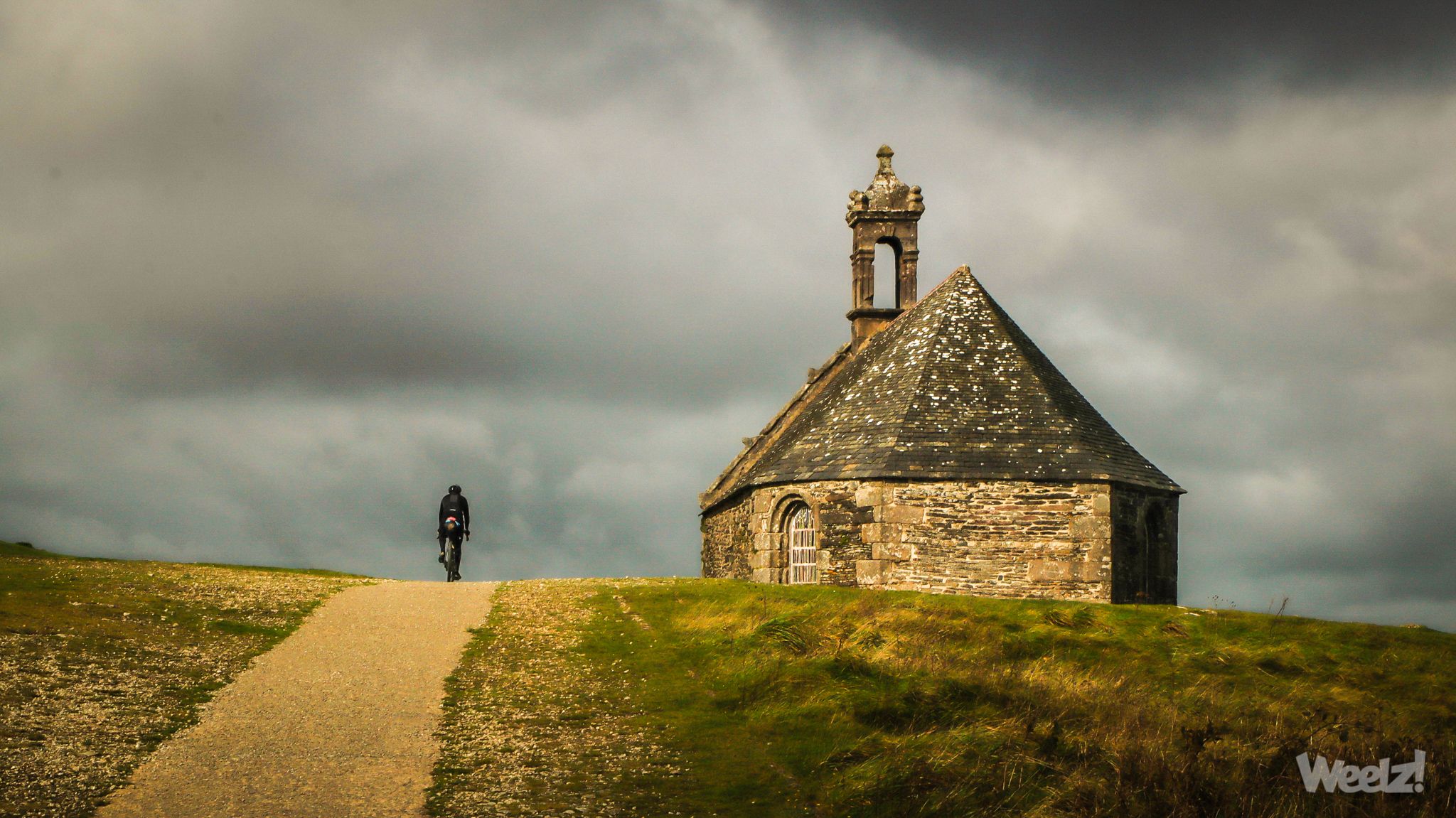
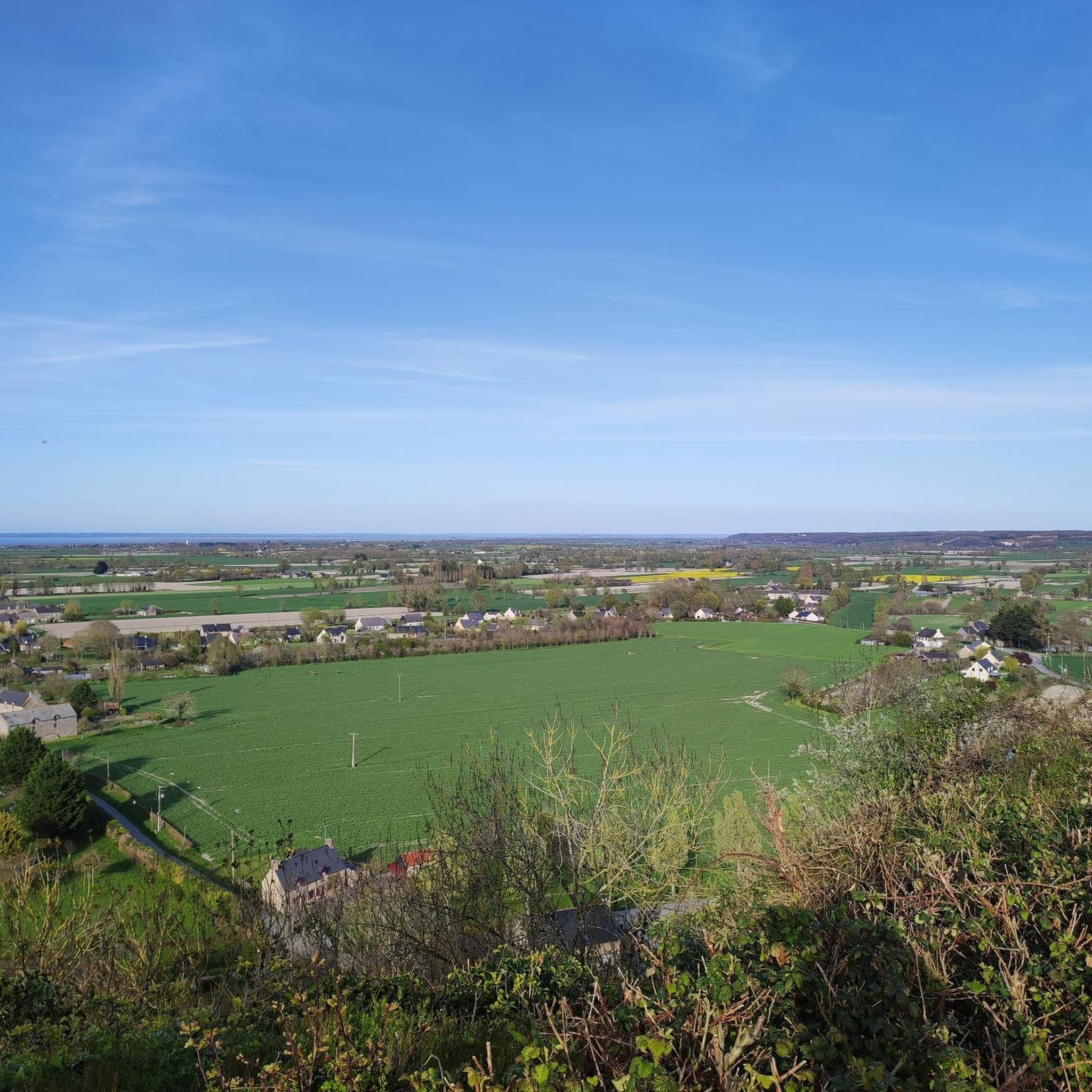
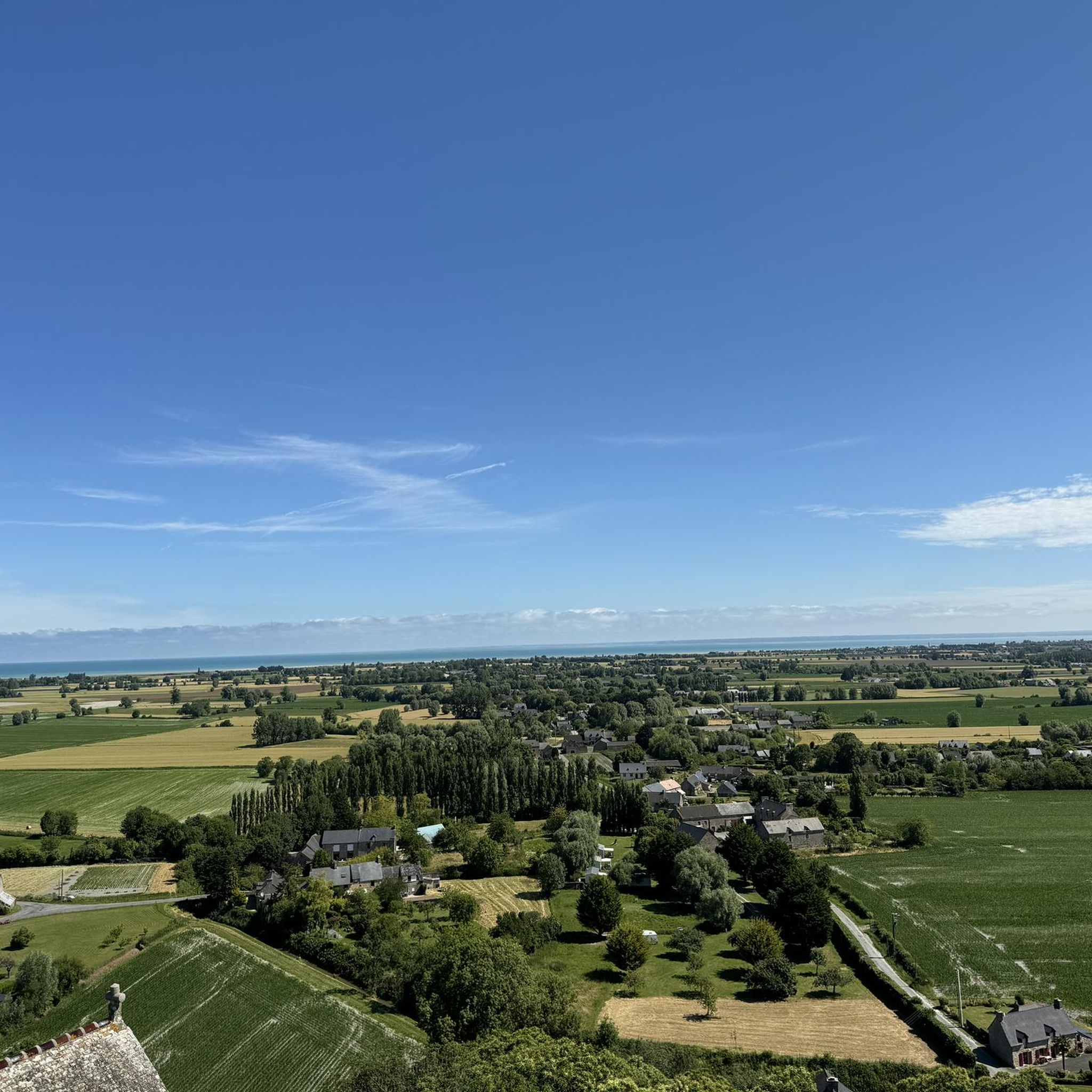
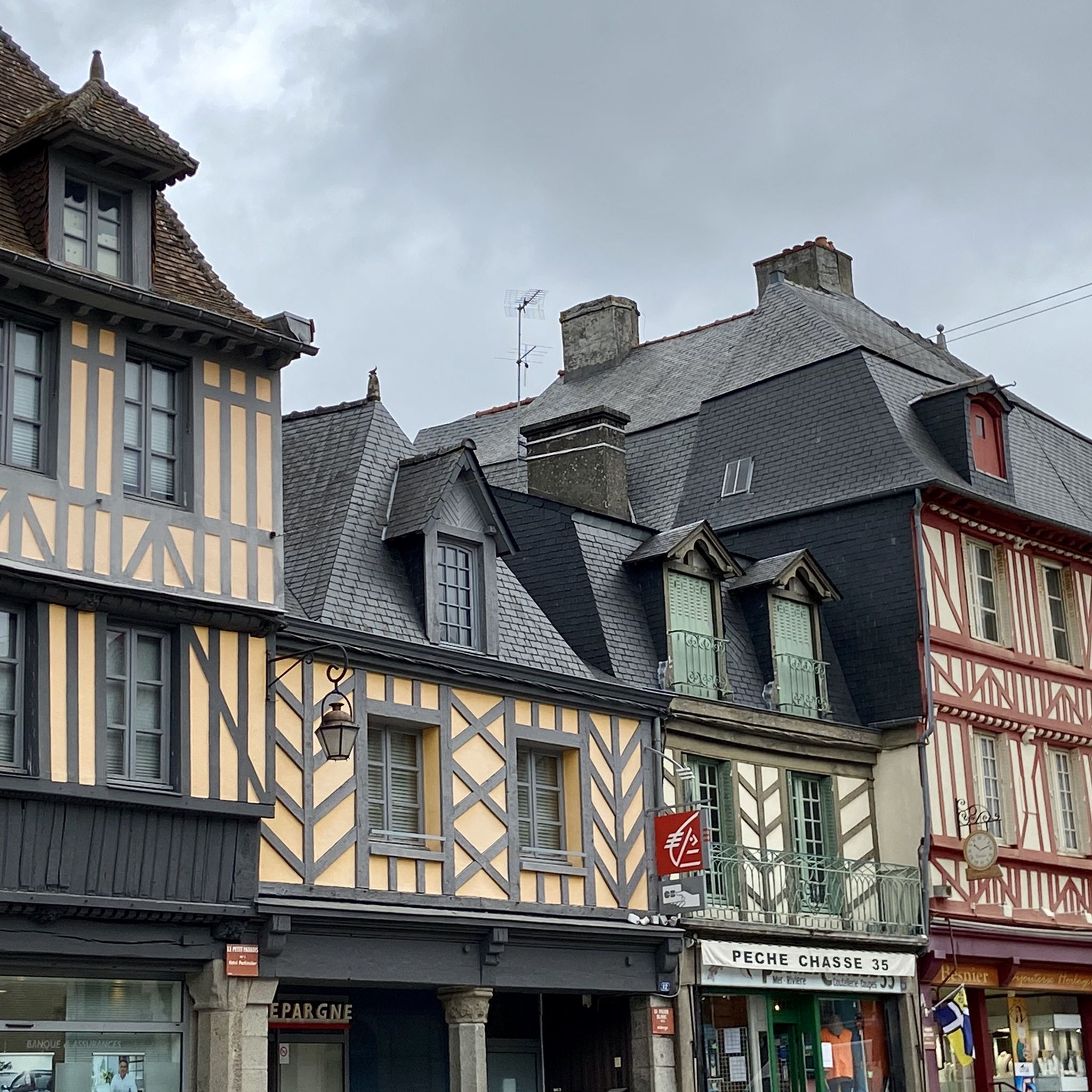

Other adventures around Dol-De-Bretagne

Tips from the Community

Monument of Chateaubriand. In the old market hall behind it art and handicrafts
0
0
Cathedral Museum
0
1
There is an artists' market in the old market hall
0
0
Memorial to the fallen
0
1

Numerous Breton legends surround the stone. One of the most famous tells that the menhir sinks a little deeper into the ground each year, and that its complete disappearance will signal the end of the world. Another legend sees it as a divine sign that separated two feuding brothers and gave the field the name "Champ-Dolent," or "Field of Sorrow."
1
0
South of Dol-de-Bretagne rises the Menhir du Champ-Dolent, a mighty granite block from the Neolithic period. At almost ten meters high, it is one of the largest surviving menhirs in France. Its weight is estimated at around 100 tons, and it was probably extracted from the immediate surroundings. Its original function remains unclear to this day—researchers suspect ritual or symbolic purposes, perhaps even an astronomical alignment.
1
0
The Vallée du Guyoult is a 16-hectare wetland along the Guyoult River. With approximately 3 kilometers of hiking trails, a fish spawning area, a former aqueduct, and a fitness trail, it offers opportunities for walks, nature observation, and sports activities.
1
0
The Promenade Jules Revert is a park along the medieval city walls, opened in 2012. It invites you to stroll through manicured gardens with sculptures and offers beautiful views of the historic towers, Mont-Dol, and the surrounding marshlands.
1
0
Frequently Asked Questions
How many hiking trails are available around Dol-De-Bretagne?
There are over a dozen hiking trails around Dol-De-Bretagne, offering a variety of experiences. These include 8 easy routes and 9 moderate routes, ensuring options for different fitness levels.
Are there any easy, family-friendly walks in Dol-De-Bretagne?
Yes, Dol-De-Bretagne offers several easy, family-friendly walks. A great option is the Dol Cathedral – Mont Dol Mill loop from Dol-de-Bretagne, an easy 7.3 km path that connects historical sites with gentle ascents. Another is the Menhir of Champ-Dolent – Dol-de-Bretagne loop from Dol-de-Bretagne, a 6.5 km trail leading to an ancient megalith.
What are the best circular walks around Dol-De-Bretagne?
Many of the trails around Dol-De-Bretagne are circular, allowing you to start and end in the same location. Popular options include the Mont-Dol – Mont Dol Mill loop from Dol-de-Bretagne, which offers views from Mont-Dol, and the Promenade Jules Revert – Dol Cathedral loop from Dol-de-Bretagne, exploring the town's historical center.
Are there any challenging hikes near Dol-De-Bretagne?
The trails around Dol-De-Bretagne are generally characterized by gentle elevations, with options ranging from easy to moderate. There are no routes classified as 'difficult' in this immediate area, making it ideal for relaxed exploration rather than strenuous climbs.
What historical landmarks or attractions can I see while hiking?
Hiking around Dol-De-Bretagne often combines natural scenery with rich history. You can explore sites like the historic Dol Cathedral, the ancient Menhir of Champ-Dolent, and the prominent Mont-Dol. Other nearby attractions include the Moulin de la Saline and the Chapelle Sainte-Anne-de-la-Grève.
What is the best time of year to hike in Dol-De-Bretagne?
The best time to hike in Dol-De-Bretagne is typically from spring through early autumn (April to October). During these months, the weather is generally mild and pleasant, perfect for enjoying the rural landscapes and historical sites. Summer can be popular, but spring and autumn offer cooler temperatures and fewer crowds.
Are the hiking trails around Dol-De-Bretagne suitable for dogs?
Many trails in the Dol-De-Bretagne region are suitable for dogs, especially those traversing rural landscapes and open fields. However, it's always advisable to keep dogs on a leash, particularly near livestock or in populated areas, and to check local regulations for specific sites or nature reserves.
What do other hikers enjoy most about hiking in Dol-De-Bretagne?
The area is highly rated by the komoot community, with an average score of 4.2 stars from over 125 reviews. Reviewers often praise the blend of historical landmarks, the gentle, accessible terrain, and the peaceful rural scenery that defines the hiking experience here.
Are there any long-distance trails that pass through Dol-De-Bretagne?
While Dol-De-Bretagne is known for its local loops and day hikes, it is situated in a region with a network of longer trails. The area serves as an excellent starting point or stopover for those exploring the wider Brittany coast or inland routes, though specific long-distance paths directly through the town may require connecting local segments.
Is there public transport access to hiking trailheads in Dol-De-Bretagne?
Dol-De-Bretagne is well-connected by regional train services, making it accessible for visitors. Many hiking routes, especially those starting from the town center, are easily reachable on foot from the train station. For trails further afield, local bus services or taxis might be an option, but checking schedules in advance is recommended.
Where can I find parking for hiking trails in Dol-De-Bretagne?
Parking is generally available in and around the town of Dol-De-Bretagne, especially near the main attractions and starting points of popular routes. Specific parking areas might be designated near Mont-Dol or other key landmarks. It's advisable to check local signage for parking restrictions and fees.
Are there any scenic viewpoints on hikes around Dol-De-Bretagne?
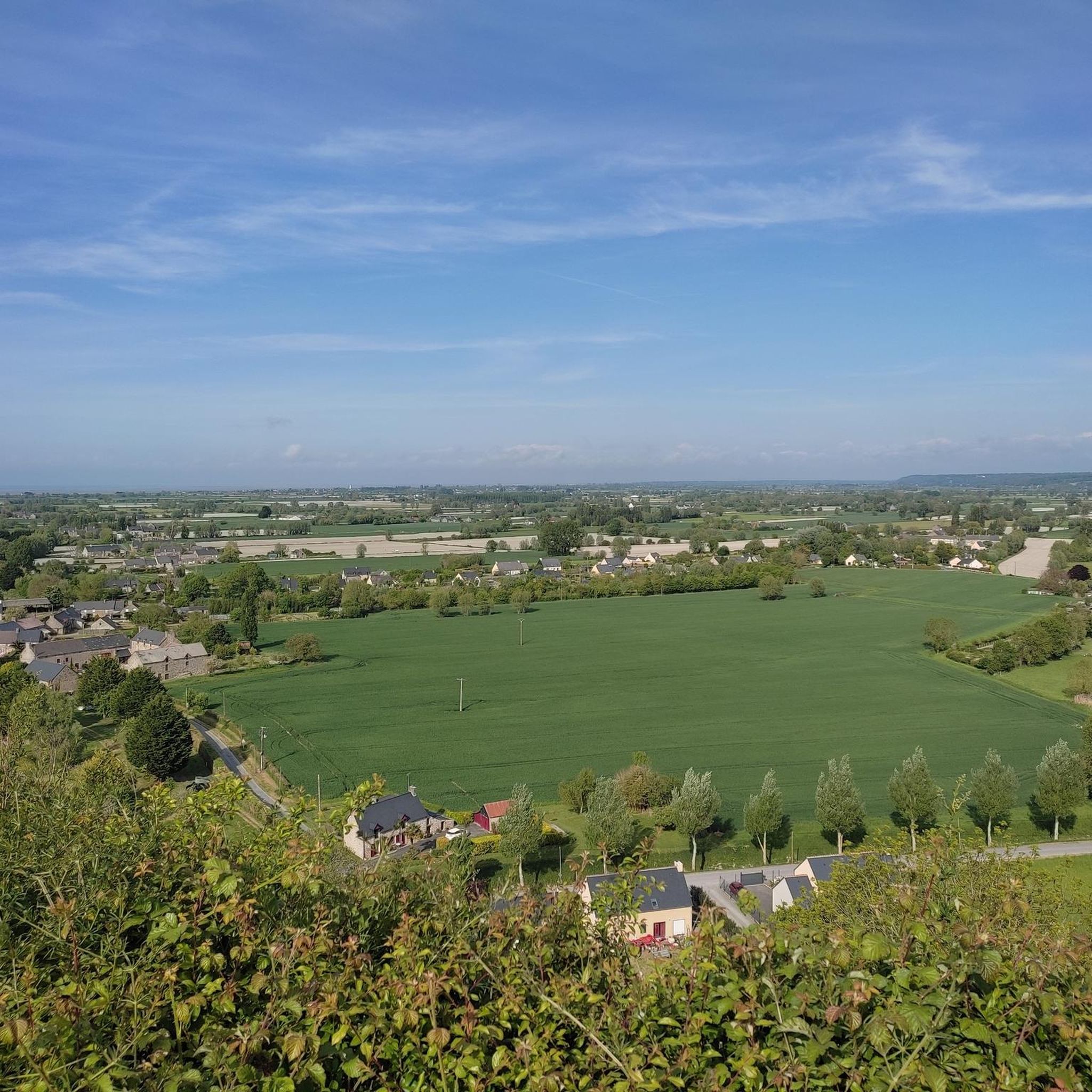
The most prominent scenic viewpoint is from the summit of Mont-Dol. Hikes ascending this ancient hill, such as the Mont-Dol – Mont Dol Mill loop, offer panoramic views of the surrounding countryside, extending towards the Bay of Mont Saint-Michel on clear days.
Most popular routes around Dol-De-Bretagne
Most popular attractions around Dol-De-Bretagne

Get inspired with the komoot mobile app


Explore more
Browse the best Hikes in other regions.
