The best cycling routes around Wiseppe
4.3
(107)
599
riders
68
rides
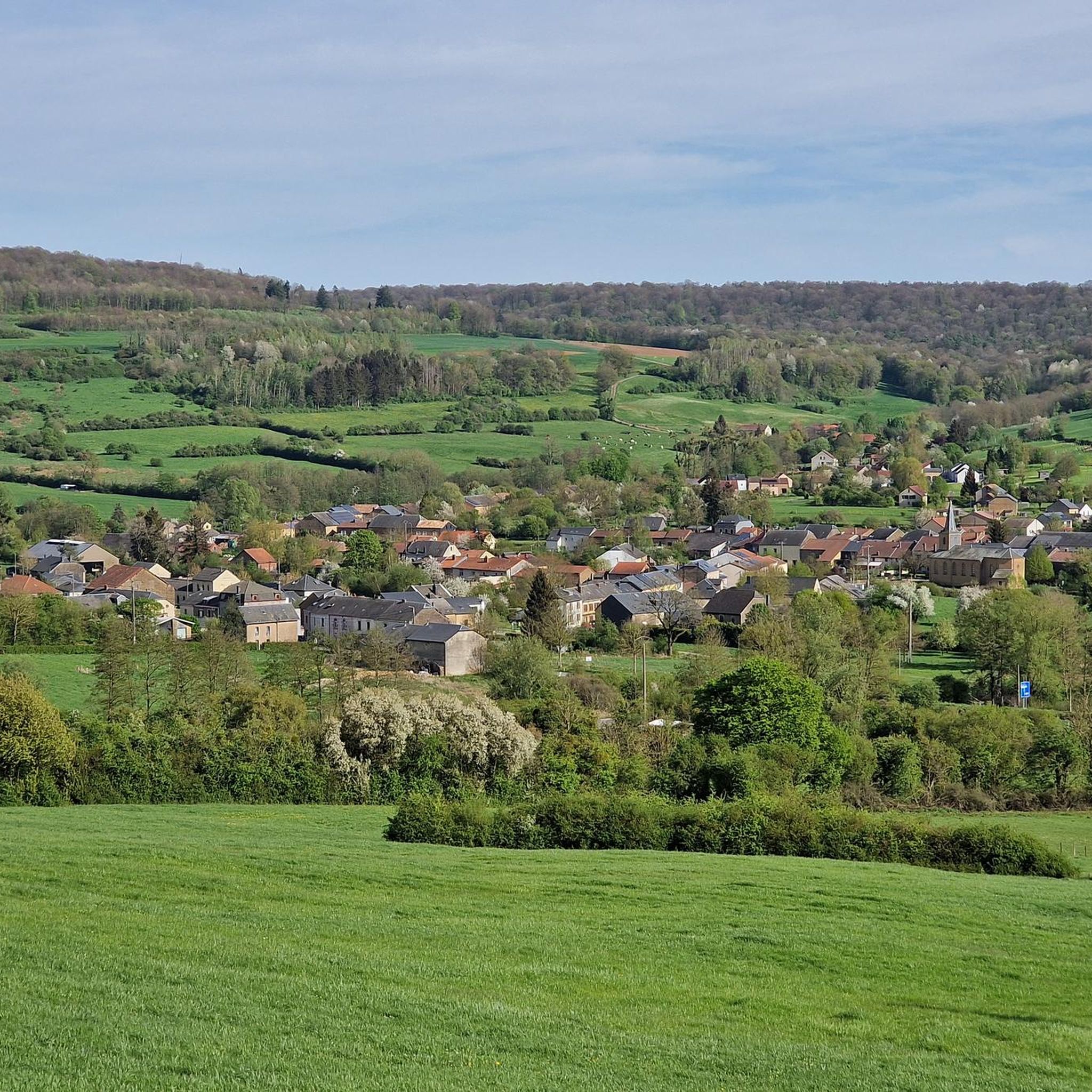
Touring cycling routes around Wiseppe are primarily characterized by the gentle terrain of the Meuse department in the Grand Est region of France. The landscape features a mix of agricultural fields, river valleys, and small villages, offering a generally flat to gently rolling profile suitable for touring cyclists. The area is influenced by the Meuse River, providing opportunities for routes along its banks.
Best touring cycling routes around Wiseppe
- The most popular touring cycling route is Beer Museum – Cumières-le-Mort-Homme…
Last updated: July 1, 2026
3.9
(7)
31
riders
167km
10:08
960m
960m
Hard bike ride. Very good fitness required. Mostly paved surfaces. Suitable for all skill levels.
5.0
(1)
10
riders
77.5km
04:40
540m
540m
Hard bike ride. Very good fitness required. Mostly paved surfaces. Suitable for all skill levels.

Sign up for free
5.0
(1)
9
riders
46.1km
02:50
390m
400m
Moderate bike ride. Good fitness required. Mostly paved surfaces. Suitable for all skill levels.
3.0
(1)
7
riders
42.4km
02:37
410m
410m
Moderate bike ride. Good fitness required. Mostly paved surfaces. Suitable for all skill levels.
3.0
(1)
7
riders
38.8km
02:20
280m
280m
Moderate bike ride. Good fitness required. Mostly paved surfaces. Suitable for all skill levels.
Get access to more routes and recommendations from other explorers.
Sign up for free
Already have an account?
Our route recommendations are based on thousands of hikes, rides, and runs completed by other people on komoot.
Start today with a free account
Your next adventure awaits.
Login or Signup


Tips from the Community

Opposite the museum is a B&B: Moulin le Cygne. This is an excellent place to stay overnight. Both regarding the apartments and the very extensive breakfast. Moreover, the owners are very cordial.
0
0

From the tomb we have a superb view of its park
0
0

Notice how the water level of the canal is higher than the water level of the Meuse.
6
0

Here, a newly constructed, small wooden tower offers a view of a branch of the Meuse River flowing along its natural bed. There are also tables and benches for a rest.
1
0

Villages détruits, Cumières-le-Mort-Homme is one of the nine villages that were destroyed during the Battle of Verdun. Historical context: Nine villages: Beaumont-en-Verdunois, Bezonvaux, Cumières-le-Mort-Homme, Douaumont, Fleury-devant-Douaumont, Haumont-près-Samogneux, Louvemont-Côte-du-poivre, Ornes and Vaux-devant-Damloup. They were all in the “Red Zone” of the front line in the Battle of Verdun. The villages were wiped off the map and never rebuilt. Erected chapels remind passers-by of this war horror. Triggered to the disappeared villages? Click through to https://www.landofmemory.eu/nl/sites-historiques/vernielde-dorpen/#:~:text=Vernielde%20dorpen,-In%20de%20Maasstreek&text=Deze%20dorpen%20zijn%20Beaumont%2Den,geveegd%20en%20never%20weer%20opopbouw.
4
1
Beautiful, peaceful location to take a break. Lovely to stay at the waterfront of the Maas Canal. Information boards provide information about fauna and flora
5
0

Sedan is a town with a great history. Also with Dutch connections. A daughter of William of Orange became the mother of two brothers here who both fought battles in the Netherlands. Marshal Turenne besieged Den Bosch in his younger years and later returned on behalf of Louis the 14th. His brother was, in addition to Prince of Sedan, governor of Maastricht for a while. There were also many contacts between the Protestants of both countries. You can find all these things in the castle and in the streets of Sedan. And that, between the restaurants, hotels and shops. The town is slowly recovering from the poverty and desolate impression of the past decades. It is becoming more and more beautiful. In addition, there are many events. The surroundings are also attractive. In short: A must-see a short distance from the Netherlands
3
0
Sedan is a historic city in the French Ardennes, located on the Meuse River. The city is known for the Château de Sedan, the largest fortified castle in Europe12. Other important sights include the Saint Charles church and the Place Turenne. Sedan has a rich history, with influences from the Counts Van der Marck and the De la Tour d’Auvergne family. From 1547 to 1642, Sedan was a principality independent of the Kingdom of France. The city was a refuge for Protestants during the Reformation and played an important role in several wars.
3
0
Frequently Asked Questions
How many touring cycling routes are available around Wiseppe?
There are over 60 touring cycling routes available around Wiseppe, offering a diverse range of options for cyclists. These routes are highly rated by the komoot community, with an average score of 4.3 stars from over 70 reviews.
What is the general terrain like for touring cycling in Wiseppe?
The terrain around Wiseppe is primarily characterized by the gentle landscape of the Meuse department in the Grand Est region of France. You'll find a mix of agricultural fields, river valleys, and small villages, offering a generally flat to gently rolling profile. The Meuse River significantly influences the area, providing many opportunities for scenic routes along its banks.
Are there touring cycling routes suitable for beginners in Wiseppe?
Yes, Wiseppe offers several easy touring cycling routes perfect for beginners or those looking for a relaxed ride. For example, the Pershing Bridge of Dun-sur-Meuse – Menhir known as the Devil’s Hood loop from Laneuville-sur-Meuse is an easy 33.7 km path that takes about 2 hours to complete.
Can I find challenging touring cycling routes in the Wiseppe area?
Absolutely. For experienced touring cyclists seeking a challenge, there are 22 difficult routes available. The Beer Museum – Cumières-le-Mort-Homme loop from Stenay is a notable example, covering 87.3 km with significant elevation gain, typically taking over 5 hours to complete.
What kind of historical sites can I explore on touring cycling routes near Wiseppe?
Many touring cycling routes in the Wiseppe area pass by significant historical sites, particularly those related to World War I. Routes like the Commemoration of the 1st World War – Pershing Bridge of Dun-sur-Meuse loop from Stenay and the World War I Memorial – Pershing Bridge of Dun-sur-Meuse loop from Stenay offer views of the Meuse River and historical landmarks. You can also visit the Pershing Bridge of Dun-sur-Meuse itself.
Are there any circular touring cycling routes around Wiseppe?
Yes, many of the touring cycling routes around Wiseppe are designed as loops, allowing you to start and end in the same location. Popular examples include the Beer Museum – Cumières-le-Mort-Homme loop from Stenay and the Very nice museum!!! – Mouzon loop from Stenay, which offer varied terrain and points of interest.
What are some notable attractions or points of interest along the touring cycling routes?
Along the touring cycling routes, you can discover several interesting points. The Pershing Bridge of Dun-sur-Meuse is a significant landmark. You might also encounter the Path Along the Canal in Stenay, which is a dedicated cycle way, and the Beer Museum for a unique cultural stop.
Is Wiseppe suitable for family-friendly touring cycling?
Yes, the generally flat to gently rolling terrain along the Meuse River makes Wiseppe a good choice for family-friendly touring cycling. There are 9 easy routes that are well-suited for families, offering pleasant rides through agricultural landscapes and charming villages.
What is the best season for bike touring in Wiseppe?
The best season for bike touring in Wiseppe is typically from spring to early autumn (April to October). During these months, the weather is generally mild and pleasant, making for comfortable riding conditions. The agricultural fields are vibrant, and the river scenery is at its most appealing.
Are there places to eat or drink along the cycling routes in Wiseppe?
While specific cafes and pubs directly on every route are not detailed, the routes often pass through small villages like Stenay and Murvaux. These villages typically offer local amenities such as shops, restaurants, and cafes where you can stop for refreshments. The Beer Museum is also a notable stop that includes dining options.
How can I access touring cycling routes in Wiseppe using public transport?
Information on specific public transport access points for cycling routes in Wiseppe is not extensively detailed. However, towns like Stenay, which serve as starting points for many routes, may have regional bus services. For routes along the Meuse River, consider checking local transport options that connect to towns along the EuroVelo 19 route, as this network often integrates with public transport hubs.
Where can I park my car when starting a touring cycling route in Wiseppe?
When planning your touring cycling trip, it's advisable to look for parking in the larger villages or towns that serve as common starting points for routes, such as Stenay or Dun-sur-Meuse. These locations typically offer public parking facilities suitable for day trips. For routes that are part of the EuroVelo 19 network, designated parking areas might be available near access points.
Most popular attractions around Wiseppe

Get inspired with the komoot mobile app


Explore more
Browse the best Cycling routes in other regions.
