The best road cycling routes around Boulay-Les-Ifs
4.7
(19)
576
riders
257
rides
Road cycling around Boulay-Les-Ifs offers a network of routes through the Normandie-Maine Regional Natural Park, characterized by rolling terrain and a mix of woodlands and open landscapes. The region features varied elevation changes, providing diverse challenges for road cyclists. Many routes traverse agricultural areas and connect charming villages. There are 239 road cycling routes available in this area.
Best road cycling routes around Boulay-Les-Ifs
- The most popular road cycling route is The Grand Pond of Sillé – Saint-Léonard-des-Bois loop from…
Last updated: May 20, 2026
8
riders
113km
05:26
1,480m
1,480m
Hard road ride. Very good fitness required. Mostly well-paved surfaces and easy to ride.
12
riders
Moderate road ride. Good fitness required. Mostly well-paved surfaces and easy to ride.

Sign up for free
9
riders
Moderate road ride. Good fitness required. Mostly well-paved surfaces and easy to ride.
4
riders
Moderate road ride. Good fitness required. Mostly well-paved surfaces and easy to ride.
6
riders
Moderate road ride. Good fitness required. Some segments of this route may be unpaved and difficult to ride.
Get access to more routes and recommendations from other explorers.
Sign up for free
Already have an account?
Our route recommendations are based on thousands of hikes, rides, and runs completed by other people on komoot.
Start today with a free account
Your next adventure awaits.
Login or Signup


Tips from the Community

This church is Romanesque in style (12th or 13th century) and was renovated during the Gothic period. Thus, on one side of the nave, there are semicircular arches and on the other, pointed arches. The bell tower dates from the 18th century. The church has a massed plan. The chevet is flat. The sacristy is attached to the chevet. The square bell tower, topped with an octagonal dome, is located on the south facade. On one side of the nave, there are bays. The portal opens under the bell tower. It is decorated with an ogee arch and a coat of arms.
0
0
11th Century Church Worship was abolished in the parish of Chevain. The church was sold for 31,700 livres to the citizen of Villeray on 6 Vendémiaire, Year VII (September 27, 1799). The Chevain church, having been donated by Madame du Hameau de Villeray to the commune by notarial deed dated April 16, 1827, was restored to worship there on January 15, 1827. The parish was established as a branch parish.
0
0

very varied and pleasant hike
0
0

Very nice rating, but very hard
0
0
Of Romanesque origin, the church of Louvigny has undergone many transformations over time. Among other things, the altars and the altarpiece were donated in the 18th century by Mr. François Thébault, a wealthy donor born in Louvigny. A commemorative plaque was erected in his memory in the sacristy of the church after it was found at the end of the 19th century by Father Chartrain, then parish priest, on the roof of his presbytery, in place of a tile. It is likely that it was thus protected from the pillaging of the Revolution. The steeple dates from the 19th century. It replaced a campanile. It was also in the 19th century that the stained glass windows, the Stations of the Cross and the baptismal font were installed. Generally made of stone, these are very original, since decorated in the Napoleon III style, the period of their manufacture, they are made of cast iron and undoubtedly a fine example of the industrial production of this time. The portal, typically Romanesque, is preceded by two steps in which an eight-pointed star and a cross are drawn. This is perhaps a summary of the life of Christ, from the Star of the Nativity to the Crucifixion. Several elements classified as Historic Monuments have been restored over the last few years, thanks to subsidies from the State and the Department of Sarthe, as well as the generosity of subscribers to the Fondation du Patrimoine. Thus, the remarkable tabernacle of the high altar in gilded wood. Painted in faux marble in the 18th century, it is one of the largest tabernacles preserved in Sarthe. The painting located just above, also superbly restored, and attributed to François Mongendre (1644-1690), represents Saint Germain d’Auxerre meeting Saint Geneviève as a child.
0
0
Saint-Pierre Church, from the mid-19th century (from 1856 or 1858).
0
0
The Chapitrel is the name given to the entrance gate. The period door is in the Renaissance style. This construction had several functions: It was reserved for catechumens who were not allowed to enter the church and served as a warehouse for farmers who sold at the market on Sunday mornings. The saddleback tower dates from 1545. It is 28 m high. It is square and has four levels. Each floor is separated by an external Roussard belt called a "larmier" which overhangs quite widely, preventing water from running off. At the top of the roof are two granite crosses, each topped with a copper weather vane representing a crowned dragon's head.
0
0
Saint-Martin Chapel. It dates from the 12th or 13th century. It is made of granite, roussard sandstone and brick. This small chapel is lost in the middle of the fields. It is a simple rectangular nave which has a Romanesque window at its chevet.
0
0
Frequently Asked Questions
What is the general character of road cycling in the Boulay-Les-Ifs region?
Road cycling around Boulay-Les-Ifs is defined by its diverse terrain within the Normandie-Maine Regional Natural Park. You'll encounter rolling hills, dense woodlands, and open agricultural plains, offering varied elevation changes and scenic routes through charming villages.
How many road cycling routes are available around Boulay-Les-Ifs?
There are over 230 road cycling routes available in the Boulay-Les-Ifs area, catering to various skill levels. This includes 22 easy, 188 moderate, and 29 difficult routes.
Are there challenging road cycling routes for experienced cyclists?
Yes, experienced road cyclists can find challenging routes with significant elevation gain. For example, The Grand Pond of Sillé – Saint-Léonard-des-Bois loop from Saint-Pierre-des-Nids is a difficult 70.3-mile (113.1 km) route featuring sustained climbing and connecting significant natural sites.
What are the typical distances and durations for road cycling routes in this region?
Routes vary widely in distance and duration. You can find moderate paths like the Saint-Léonard-des-Bois – Château de Fresnay-sur-Sarthe loop from Normandie-Maine Regional Natural Park, which is 34.0 miles (54.8 km) and takes around 2 hours 27 minutes. Longer routes, such as the Castle of the Dukes of Alençon – Saint Peter's Church loop from Saint-Pierre-des-Nids, cover 59.1 miles (95.1 km) and typically take about 4 hours 16 minutes.
Are there family-friendly or beginner-suitable road cycling routes?
Yes, the region offers 22 easy road cycling routes that are suitable for families or beginners. These routes generally feature less challenging terrain and shorter distances, allowing for a more relaxed cycling experience through the scenic landscapes.
What kind of viewpoints can I expect along the road cycling routes?
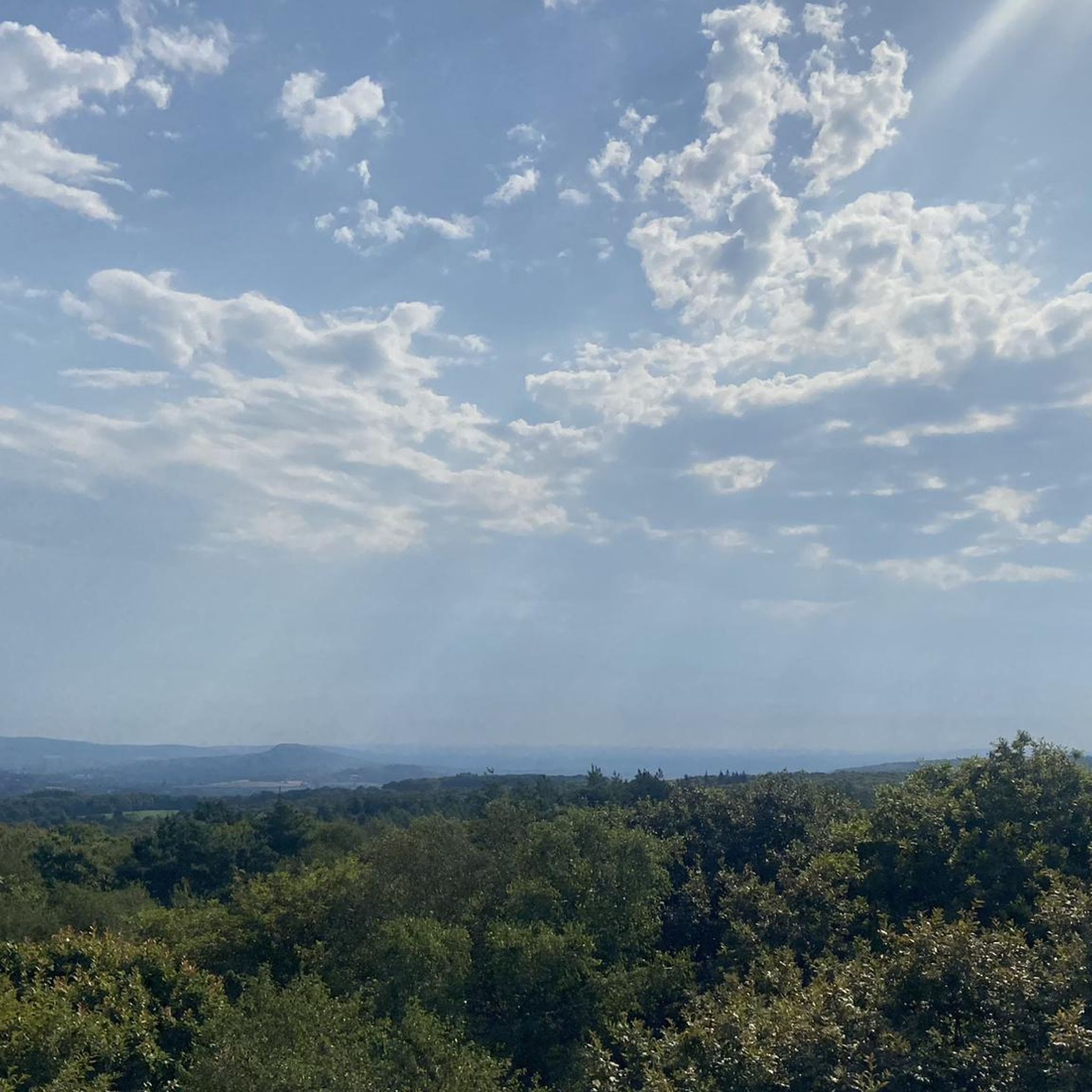
The region offers several notable viewpoints. You might encounter panoramic vistas from locations such as the Mont des Avaloirs viewpoint or the Alpes mancelle viewpoint st léonard des bois, providing stunning views of the surrounding natural park.
What historical landmarks or interesting places can I see while road cycling?
Many routes pass by historical landmarks and charming settlements. You could cycle near the historic Alençon castle, or through picturesque villages like Saint-Cénéri-le-Gérei, known for its village and stone bridge, or Saint-Léonard-des-Bois.
Are there any loop routes available for road cycling?
Yes, many road cycling routes in the Boulay-Les-Ifs area are designed as loops. For instance, the Castle of the Dukes of Alençon – Saint-Cénéri-le-Gérei loop from Saint-Pierre-des-Nids offers a 64.4-mile (103.6 km) circular journey through varied landscapes.
What do other road cyclists say about the routes in Boulay-Les-Ifs?
The road cycling routes in Boulay-Les-Ifs are highly rated by the komoot community, with an average score of 4.5 stars from over 20 reviews. Cyclists often praise the varied terrain, the mix of woodlands and open roads, and the charming villages encountered along the way.
Is parking generally available for road cyclists in the area?
While specific parking locations are not detailed for every route, the charming villages and natural park access points throughout the Boulay-Les-Ifs region typically offer public parking facilities suitable for cyclists. It's advisable to check village centers or designated trailheads.
What is the best time of year for road cycling around Boulay-Les-Ifs?
The region's rolling terrain and mix of woodlands and open landscapes are enjoyable throughout the warmer months, typically from spring to autumn. These seasons offer pleasant temperatures and vibrant scenery, making them ideal for exploring the diverse routes.
Most popular routes around Boulay-Les-Ifs
Most popular attractions around Boulay-Les-Ifs

Get inspired with the komoot mobile app


Explore more
Browse the best Road cycling routes in other regions.
