The best road cycling routes around Azannes-Et-Soumazannes
4.6
(12)
455
riders
27
rides
Road cycling routes around Azannes-Et-Soumazannes traverse a landscape characterized by rolling hills, agricultural plains, and historical sites. The area features a network of quiet rural roads, offering varied terrain for road cyclists. Elevations are generally moderate, with some routes including notable climbs that provide panoramic views of the surrounding countryside.
Best road cycling routes around Azannes-Et-Soumazannes
- The most popular road cycling route is Verdun Memorial – Douaumont Ossuary loop from Ornes, a 34.0 miles (54.7 km) trail that takes…
Last updated: May 29, 2026
42
riders
54.7km
02:20
460m
460m
Moderate road ride. Good fitness required. Mostly well-paved surfaces and easy to ride.
28
riders
97.8km
04:27
910m
910m
Hard road ride. Very good fitness required. Mostly well-paved surfaces and easy to ride.

Sign up for free
14
riders
63.6km
02:52
620m
620m
Moderate road ride. Good fitness required. Mostly well-paved surfaces and easy to ride.
10
riders
35.7km
01:34
310m
310m
Moderate road ride. Good fitness required. Mostly well-paved surfaces and easy to ride.
10
riders
38.3km
01:40
290m
290m
Easy road ride. Great for any fitness level. Mostly well-paved surfaces and easy to ride.
Get access to more routes and recommendations from other explorers.
Sign up for free
Already have an account?
Our route recommendations are based on thousands of hikes, rides, and runs completed by other people on komoot.
Start today with a free account
Your next adventure awaits.
Login or Signup
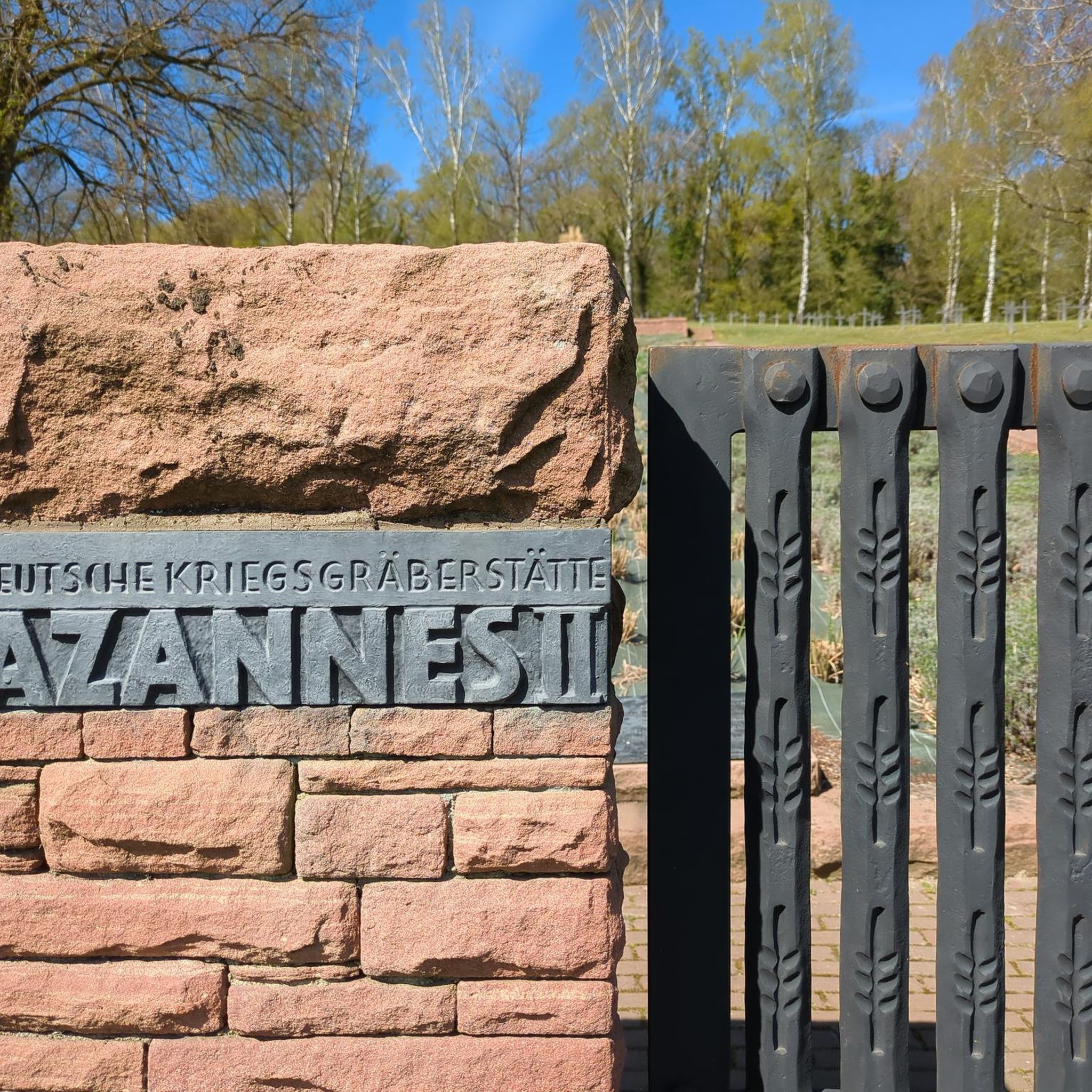


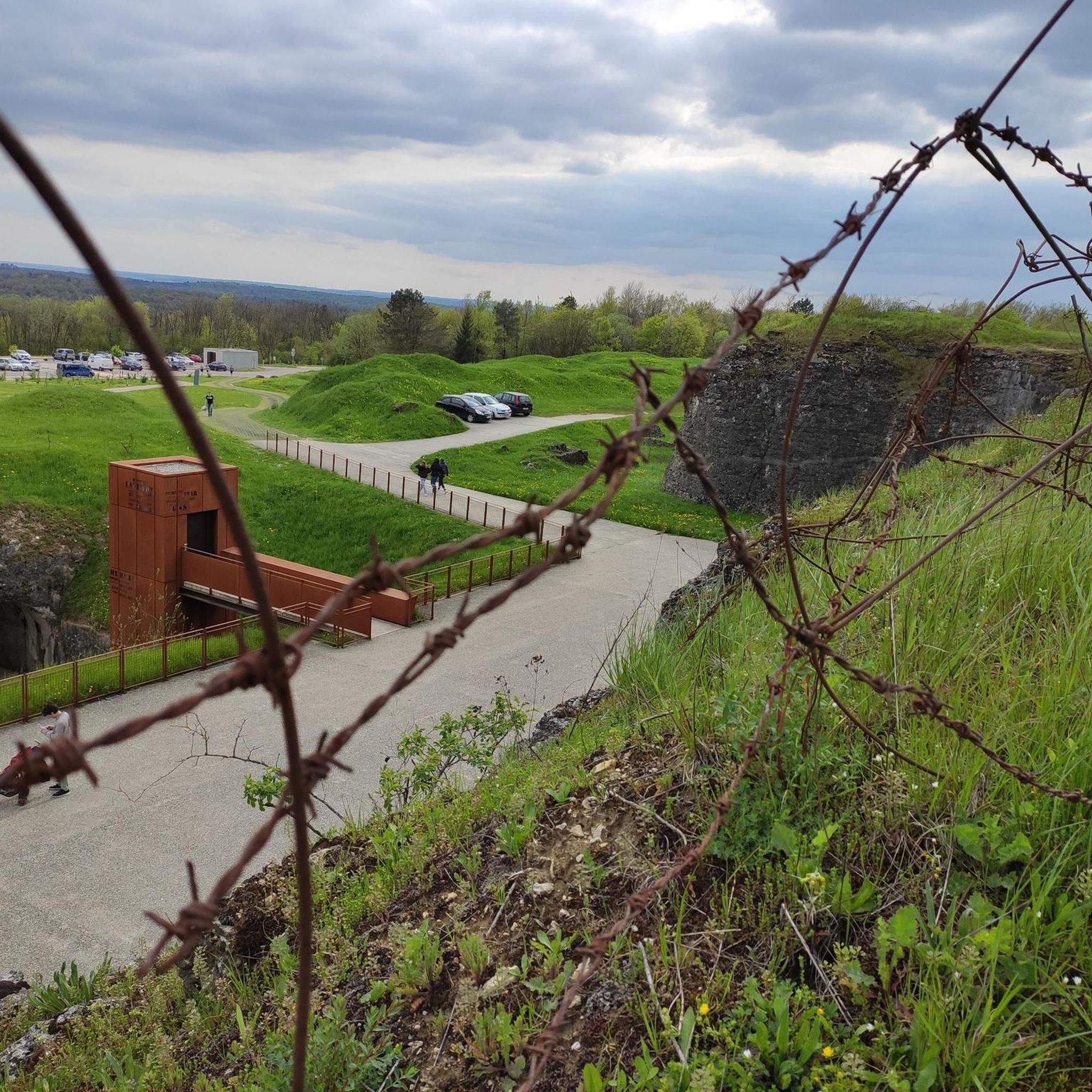

Tips from the Community

Fort Duomont is an interesting historical site. Here you can practically feel the claustrophobia the soldiers must have experienced while fighting here. It's also impressive to think how many died trying to capture this hill.
1
0

On the Ruette side, passing through Pré Morel, you can reach the Ravel Latour Chenois, while avoiding the main road. On the Grandcourt side, you can reach St-Remy via a country road. On the Grandcourt side, you can also climb the Côte de Grandcourt (2.4 km at 5.5%) and continue on for a foray into Meurthe-et-Moselle (FR).
0
0

The weight of history and sacrifice. Not to be missed.
1
0

The Ossuary of Douaumont is an impressive memorial that holds the remains of more than 130,000 unknown French and German soldiers who died during the Battle of Verdun (1916). The bones are visible through small windows in the base – a confronting reminder of the horrors of war. In front of the ossuary is the Nécropole nationale de Douaumont, the largest French military cemetery of the First World War, with 16,142 graves, including a Muslim and Jewish plot. The complex was recognized as a UNESCO World Heritage Site in 2023.
8
0
The Mémorial de Verdun, located near the ruined village of Fleury-devant-Douaumont, is a leading museum and commemoration site for the Battle of Verdun (1916). The museum displays more than 2,000 objects and uses authentic objects, photographs and audiovisual installations to show how French and German soldiers experienced this battle – in the exact same place where they fought.
8
3

Silent witnesses to the destructive madness
1
0
For enthusiasts who want to marvel at this impressive hall. Here you come face to face with a war machine.
6
0
The Myth of the First World War “In memory of the French soldiers who sleep standing, rifle in hand, in this trench – their brothers in America.” This is the inscription in front of the Memorial of the Battle of Verdun in the ghost town of Douaumont. The monument was financed by a wealthy American banker, George T. Rand, who was moved by the famous legend surrounding the site. It is said that French soldiers buried standing, with weapons in hand, died from enemy shells. Bayonet Trench is one of the myths of the First World War. In 1922, it was classified as a historical monument and in 2014 it was considered a site of national importance. After the war, excavations uncovered 21 bodies of French soldiers. Fourteen were identified and buried in the Necropolis of Fleury, opposite Douaumont. The seven other bodies that remained unknown were reburied in the "Bayonet Trench". For many, the myth persists, while others question it. Especially since no body was found standing upright. In any case, the legend of the "Bayonet Trenches" shows above all how much the Great War left an almost indelible mark on the collective imagination. As the bloody conflict of the Battle of Verdun drew to a close, glorious stories quickly emerged in which the nation sacrificed itself for the fatherland. Source: https://www.landofmemory.eu/sites-historiques/tranchee-des-baionnettes/
7
0
Frequently Asked Questions
How many road cycling routes are available around Azannes-Et-Soumazannes?
There are over 30 road cycling routes around Azannes-Et-Soumazannes, catering to various skill levels. The region offers a diverse network of quiet rural roads.
What is the best time of year for road cycling in Azannes-Et-Soumazannes?
The region is generally pleasant for road cycling from spring through autumn. The landscape, characterized by rolling hills and agricultural plains, is particularly scenic during these seasons. Always check local weather forecasts before heading out.
Are there easy road cycling routes suitable for beginners?
Yes, Azannes-Et-Soumazannes offers a good selection of routes suitable for beginners. With 13 easy routes, you can find options that feature moderate elevations and quiet roads, perfect for getting started or enjoying a relaxed ride.
Are there challenging road cycling routes for experienced cyclists?
Absolutely. For experienced cyclists seeking a challenge, there are 6 difficult routes available. These often include longer distances and more significant climbs, such as the demanding Torgny Village – RAVeL Ruette–Chenois Path loop from Verdun, which covers over 97 km with substantial elevation gain.
Can I find circular road cycling routes in the Azannes-Et-Soumazannes area?
Many of the road cycling routes in Azannes-Et-Soumazannes are designed as loops, allowing you to start and finish at the same point. Examples include the Verdun Memorial – Douaumont Ossuary loop from Ornes and the Douaumont Ossuary – Douaumont Ossuary loop from Damvillers.
What historical sites can I see while road cycling in Azannes-Et-Soumazannes?
The region is rich in history. Many routes pass by significant landmarks such as the Douaumont Ossuary, the Verdun Memorial, and Fort de Vaux. These sites offer a poignant glimpse into the area's past.
Are there road cycling routes with parking available at the trailheads?
Yes, many road cycling routes in the Azannes-Et-Soumazannes area have convenient parking options near their starting points. It's advisable to check the specific route details on komoot for parking information before your ride.
Is public transport accessible for reaching road cycling routes in Azannes-Et-Soumazannes?
While the region is primarily rural, some larger towns nearby, like Verdun, may offer limited public transport connections. However, for most routes, especially those starting directly in Azannes-Et-Soumazannes, personal transport is often the most convenient option.
Are there places to stop for refreshments or cafes along the road cycling routes?
The routes often pass through small villages and towns where you might find local bakeries or cafes. For longer rides, it's a good idea to carry sufficient water and snacks, as dedicated cafe stops might not be frequent on all rural stretches. Planning your route with potential stops in mind is recommended.
What do other road cyclists enjoy about the routes in Azannes-Et-Soumazannes?
The area is highly rated by the komoot community, with an average score of 4.6 stars from over 10 reviews. Reviewers often praise the quiet country roads, the historical significance of the landscapes, and the gently undulating terrain that offers varied riding experiences.
What kind of terrain can I expect on the road cycling routes in this region?
You can expect a mix of rolling hills and agricultural plains, with quiet rural roads forming the backbone of the network. While elevations are generally moderate, some routes include notable climbs that reward cyclists with panoramic views of the surrounding countryside.
How long do road cycling routes typically take in Azannes-Et-Soumazannes?
Route durations vary significantly based on distance and difficulty. For example, a moderate route like the Douaumont Ossuary – Verdun Memorial loop from Ornes (38.8 km) typically takes around 1 hour 50 minutes, while longer, more challenging routes can take 4 hours or more.
Most popular routes around Azannes-Et-Soumazannes
Most popular attractions around Azannes-Et-Soumazannes

Get inspired with the komoot mobile app


Explore more
Browse the best Road cycling routes in other regions.
