The best road cycling routes around Autreville
4.5
(16)
199
riders
51
rides
Road cycling routes around Autreville are characterized by a varied topography, with elevations ranging from 180 to 377 meters. The region features routes through forests and along hillsides, offering diverse terrain for cyclists. It is situated within the Lorraine Regional Natural Park, with the Moselle river passing nearby. This landscape provides opportunities for rides with challenging ascents and descents.
Best road cycling routes around Autreville
- The most popular road cycling route is Roadbike loop from Colombey-les-Belles, a 36.2 miles…
Last updated: July 9, 2026
25
riders
76.3km
03:20
640m
640m
Moderate road ride. Good fitness required. Mostly well-paved surfaces and easy to ride.
5.0
(1)
9
riders
58.3km
02:40
700m
700m
Moderate road ride. Good fitness required. Mostly well-paved surfaces and easy to ride.

Sign up for free
5
riders
46.3km
02:06
410m
410m
Moderate road ride. Good fitness required. Mostly well-paved surfaces and easy to ride.
6
riders
56.0km
02:30
580m
580m
Moderate road ride. Good fitness required. Mostly well-paved surfaces and easy to ride.
7
riders
64.3km
02:50
570m
570m
Moderate road ride. Good fitness required. Mostly well-paved surfaces and easy to ride.
Get access to more routes and recommendations from other explorers.
Sign up for free
Already have an account?
Our route recommendations are based on thousands of hikes, rides, and runs completed by other people on komoot.
Start today with a free account
Your next adventure awaits.
Login or Signup


Tips from the Community

In the 18th century, the church of Saint-Brice was attached to the parish of Autreville, deanery of Neufchâteau, diocese of Toul. It was under the patronage of the canons of Saint-Euchaire de Liverdun, now in Meurthe-et-Moselle. The current building was constructed in 1768 at the instigation of Jean-Baptiste Panel, parish priest of Harmonville and Autreville since 1763. A foundation stone preserved in the south wall mentions, which is quite rare, the names of the contractors and the king's architect, residing in Metz »: Dominique George. Only one other church is known to be attributable to him, that of Maizières, in Meurthe-et-Moselle. The two contractors, Dieudonné Mariiez and Jacques Jérôme Prétot, are moreover from this same village. Archives attest to the numerous repair works carried out during the first half of the 19th century, which ended with the purchase of a clock (1841) and three bells (1843). The building is, as is often the case in the region, a barn church whose plastered nave ends in a pentagonal choir with a ribbed vault. The nave and choir are covered by a long tiled roof of mechanical tiles replacing the original hollow tiles. The in-built bell tower is, for its part, covered by a slate spire on a square base. Built in rendered rubble – the ashlar being exclusively reserved for the facade – the church is of great sobriety, tempered neither by the visible corner chains, nor by the molded segmental arch lintel of the portal, nor by the sculpted decorative element, perhaps an old eucharistic oculus (15th century?) inserted into the masonry of the bell tower. Inside, the choir has retained its wooden paneling. The two side altars, the pews with turned wooden armrests and feet, the pulpit adorned with lambrequins and topped by an angel blowing its trumpet, are very likely contemporary with the construction. The church of Saint-Brice preserves a statue of Saint Roch (last quarter of the 16th century) from an old chapel that housed a hermit in the 18th century, and an octagonal baptismal font with a baluster base. In 1998, for the repair of the plasterwork and zinc roofing of the church, the Sauvegarde de l’Art français granted aid of 75,000 F.
0
0

In addition to its rich heritage marked by the Gothic-style Saint-Étienne Cathedral, Toul is known for its AOC Côtes de Toul wines. Among them, the star is undoubtedly the gris, recognizable by its pretty pink color.
1
0

An unusual church because of its shape (round). To the left of the gate there is a water tap.
0
0

Toul Cathedral celebrated its 800th anniversary in 2021 (although it was not completed until after 1500). The monumental building dominates the cityscape from afar?
5
0

Nice little road through the forest.
0
0

A beautiful place that has seen better days. It's worth taking a stroll.
1
0

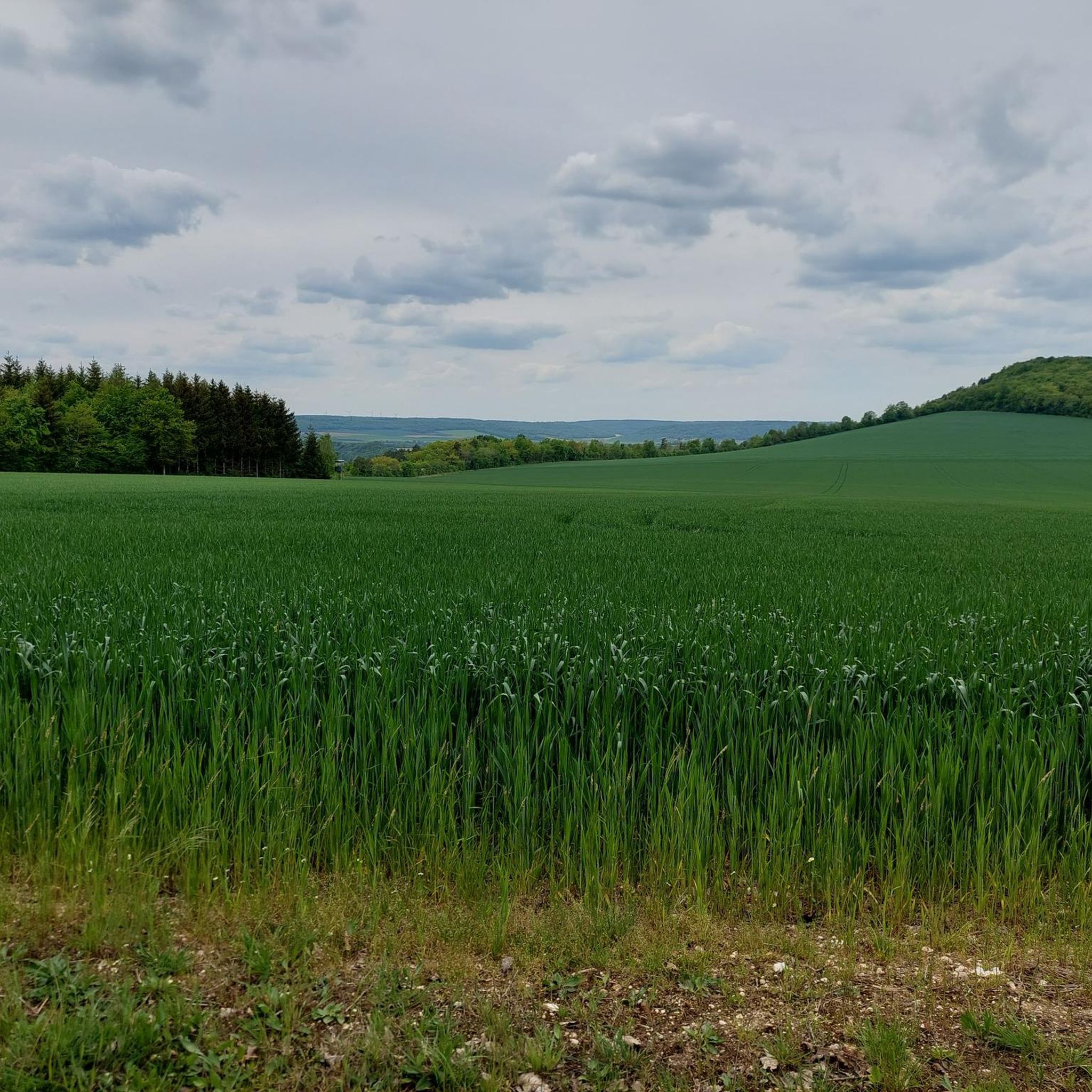
Pleasant road with a clear view of the Butte du Bois d'Anon and the plain. Little traffic.
1
0

A pretty hilly road through the vineyards between Blénod-lès-Toul and Barisey-la-Côte
1
0
Frequently Asked Questions
What kind of terrain can I expect when road cycling in Autreville?
Road cycling around Autreville-sur-Moselle, located in the Grand Est region, offers a varied topography with elevations ranging from 180 to 377 meters. You can expect routes with challenging ascents and descents through forests and along hillsides, as it is part of the Lorraine Regional Natural Park. The Moselle river also passes nearby, offering scenic sections.
How many road cycling routes are available around Autreville?
There are over 45 road cycling routes available around Autreville, catering to various skill levels. The majority are moderate, with some easier and more difficult options.
Are there any beginner-friendly or easy road cycling routes in the Autreville area?
Yes, while the region is known for its varied topography, there are 4 routes classified as easy. These routes typically feature less elevation gain and shorter distances, making them suitable for beginners or those seeking a more relaxed ride.
What are some options for longer distance road cycling routes near Autreville?
For longer rides, you'll find several moderate routes exceeding 50 km. For example, the Saint-Gengoult Church of Toul – Blenod les Toul loop from Colombey-les-Belles covers 74.7 km, and the Villey-le-Sec Dam loop from Autreville is an 80.5 km route.
Are there many circular road cycling routes around Autreville?
Yes, many of the road cycling routes in the Autreville area are designed as loops, allowing you to start and finish in the same location. Examples include the Roadbike loop from Colombey-les-Belles and the Col des Trois Fontaines loop from Colombey-les-Belles.
What do other road cyclists say about the routes in Autreville?
The road cycling routes around Autreville are highly rated by the komoot community, with an average score of 4.75 stars from over 9 reviews. Cyclists often praise the varied terrain, scenic landscapes, and the challenge offered by the ascents and descents.
What is the best time of year for road biking in Autreville?
Given the region's varied topography and presence of forests, spring and autumn generally offer pleasant temperatures and beautiful scenery for road cycling. Summer can also be enjoyable, but it's advisable to check weather conditions for potential heat or thunderstorms, especially on longer routes with significant elevation.
Are there any particularly scenic viewpoints along the road cycling routes?
While specific viewpoints are not detailed, the routes often pass through the Lorraine Regional Natural Park, offering scenic stretches through forests and along hillsides. The proximity to the Moselle river also provides picturesque views, particularly on routes that follow its banks.
Are there any advanced or challenging road bike trails in Autreville?
Yes, for experienced cyclists seeking a challenge, there are 2 routes classified as difficult. These routes typically feature more significant elevation gains and steeper gradients, providing a strenuous workout amidst the region's hilly landscapes.
What are the typical weather conditions for road biking in Autreville?
Autreville-sur-Moselle experiences a continental climate. Summers are generally warm, while winters can be cold. Spring and autumn offer milder temperatures. It's always recommended to check the local forecast before heading out, especially for rain or wind, as conditions can vary in hilly and forested areas.
Can I find routes that combine road cycling with exploring local attractions?
While the guide focuses on the cycling routes themselves, the region's location within the Lorraine Regional Natural Park and proximity to the Moselle river means many routes offer natural beauty. For cultural exploration, Autreville-sur-la-Renne, another locality, is known to be near attractions like the Memorial Charles de Gaulle and the Viaduc de Chaumont, suggesting potential for combining activities, though specific road cycling routes linking directly to these are not detailed in this guide.

Get inspired with the komoot mobile app


Explore more
Browse the best Road cycling routes in other regions.
