Top 7 Castles around La Queue-Les-Yvelines
Best castles around La Queue-Les-Yvelines are found in a commune within the Yvelines department of France. This area is characterized by its historical architecture and proximity to natural landscapes. The region offers a blend of preserved historical sites and estates with significant architectural and cultural value. Visitors can explore various castles, each with its own history and features.
Best castles around La Queue-Les-Yvelines
- The most popular castles is Behoust Castle, a castle that is part of a village in…
Last updated: June 22, 2026
Ruins of the Château de Beynes
Highlight • Castle
Translated by Google •
Tip by

Château des Mesnuls
Highlight • Castle
Translated by Google •
Tip by

Sign up now to discover places like this
Get recommendations on the best single tracks, peaks, & plenty of other exciting outdoor places.
Sign up for free
Château de Jouars-Pontchartrain
Highlight • Castle
Translated by Google •
Tip by

Chateau de Bourdonné
Highlight • Castle
Translated by Google •
Tip by

Behoust Castle
Highlight • Castle
Translated by Google •
Tip by

Sign up for free to discover even more castles around La Queue-Les-Yvelines.
Sign up for free
Already have an account?
Start today with a free account
Your next adventure awaits.
Login or Signup



Tips from the Community

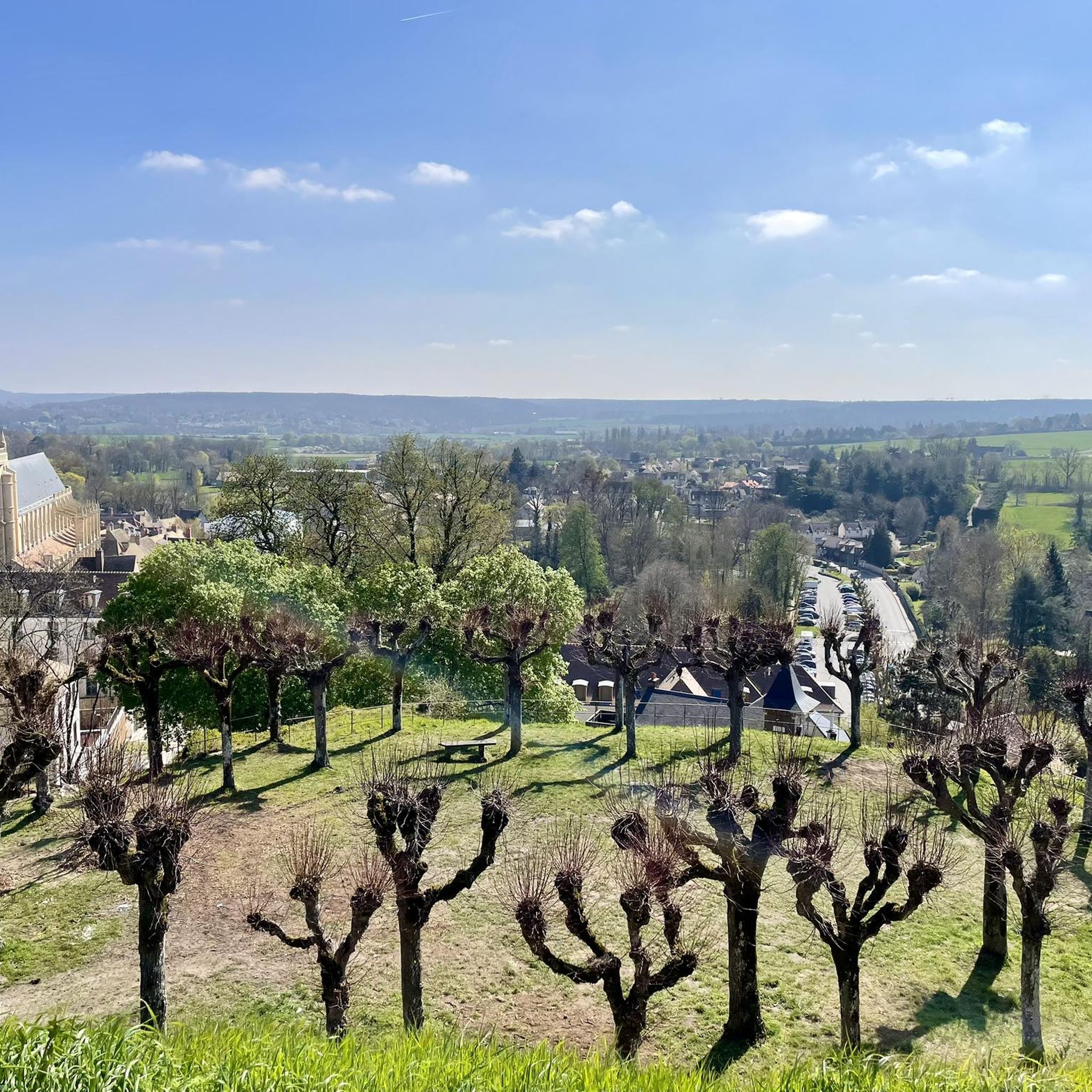
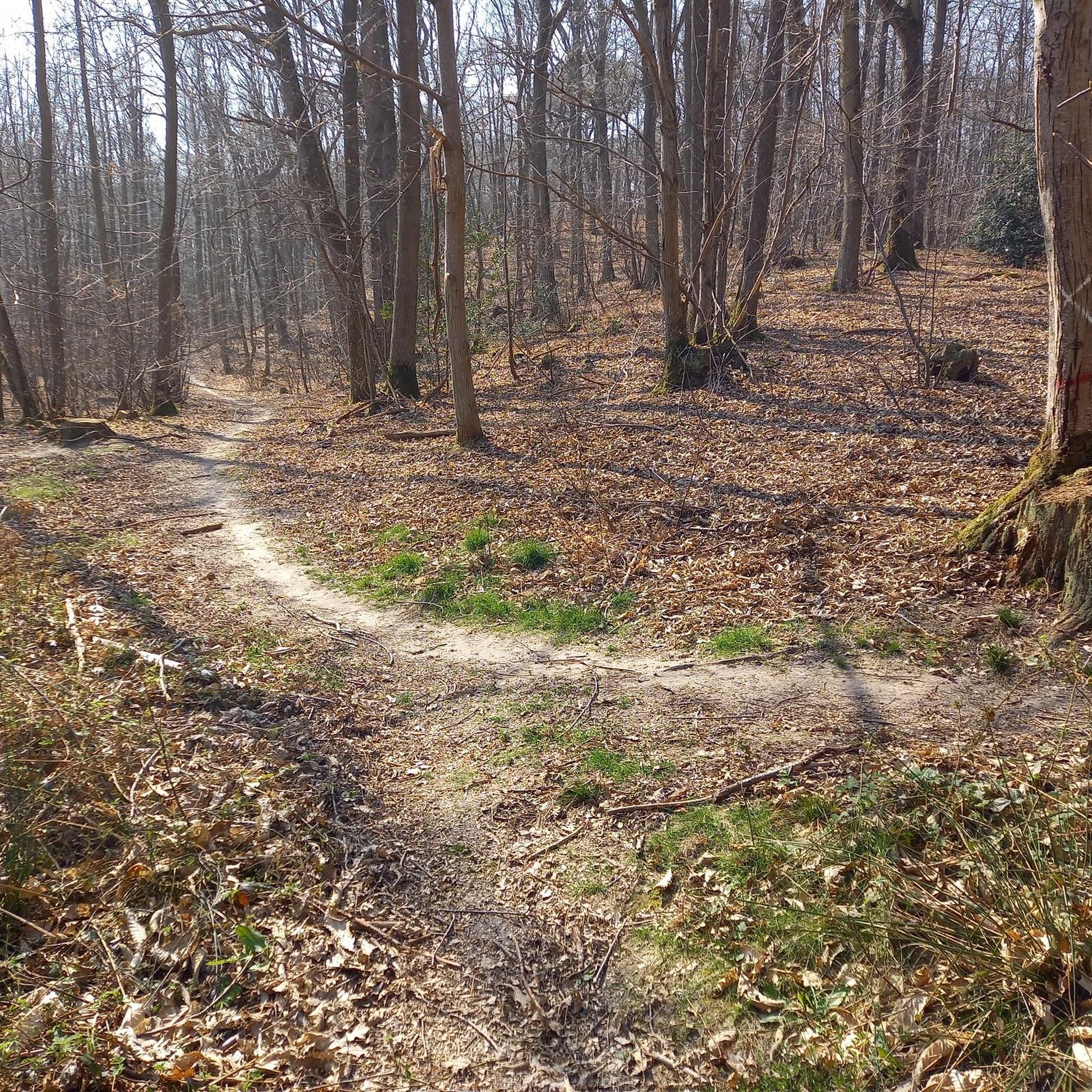
Beautiful castle with a beautiful forest nearby 😉
0
0

a pretty little village not to be missed in the Yvelines: you wouldn't think you were in the suburbs of Paris!
0
0


The castle with its well-kept, spacious park is privately owned and unfortunately cannot be visited.
0
0
Very nice castle with a spacious park. Unfortunately not to visit. The property has been privately owned for several years.
0
0
The castle is privately owned and unfortunately cannot be visited.
0
0

Super beautiful, and well highlighted by the municipality.
0
0

The castle of Beynes is installed in the bottom of a valley. Its construction dates back to the 11th century. It first had a military role at a time when the course of the Mauldre constituted a line of defense of the royal domain, to the west, in particular against the English during the Hundred Years' War. In the 15th century, the castle having lost its strategic importance due to the extension of the royal domain, Robert d'Estouteville, chamberlain of King Charles VII and owner of the premises, made it undergo some modifications, by demolishing the keep and adapting the nascent artillery fortifications. In the 16th century, in 1536, the estate was ceded to Diane de Poitiers (Madame de Valentinois) by Henri II, her royal lover2. She had a new dwelling built by Philibert Delorme, author of the Château des Tuileries, the Château d'Anet or part of that of Chenonceau. The castle is among the first listed with a framework that was a precursor to the principle of glued laminated timber, the technique of which was therefore invented by this great architect3,4. In the 17th century, in 1688, ladies of the high aristocracy gathered there around the mystical Madame Guyon. On October 4, they organized a meeting at the château between Madame Guyon and their spiritual director, the Abbé de Fénelon5. This one becomes one of the most fervent disciples of Madame Guyon6. In the 18th century, the ruins of the castle served for a time as the setting for the English park laid out by the Phélypeaux de Pontchartrain who then owned it. An estimate for its restoration is produced7, its cost probably convinces the owners to leave it as it is. Abandoned then dismantled, it even serves as a quarry for the construction of the village. In 1967, the Château de Beynes was bought by the municipality, which was responsible for saving the estate, which was then buried by vegetation. From 1995 to 1999, it was excavated and then benefited from reinforcement works. In 2014, all the remains were classified as historical monuments 8. At the beginning of June 2016, heavy rains caused the flooding of the moat9,10, and the collapse of a section of the wall. Work, in the form of a subsidized and sponsored volunteer site, is underway to stop its deterioration and allow its access to the public11.
0
0
Frequently Asked Questions
What are some of the most historically significant castles in the La Queue-les-Yvelines area?
The region boasts several castles with rich histories. The Ruins of the Château de Beynes, dating back to the 11th century, is a classified historical monument. The Château de La Queue-les-Yvelines, a 17th-century structure, is also recognized as a historical monument for its architecture and interior decor. Additionally, the Château de la Couharde, built in the 15th century, has a fascinating past, including a park designed by André Le Nôtre.
Are there any family-friendly castles to visit near La Queue-les-Yvelines?
Yes, Behoust Castle is noted as a family-friendly option. It's part of a charming village in the Yvelines and offers a beautiful forest nearby, perfect for a family outing.
What kind of outdoor activities can I do near the castles in La Queue-les-Yvelines?
The area around La Queue-les-Yvelines is excellent for various outdoor activities. You can explore numerous routes for gravel biking, mountain biking, and cycling. These routes often pass through forests and offer scenic views, sometimes even near the castles themselves.
Can I visit the Château de La Queue-les-Yvelines?
The Château de La Queue-les-Yvelines is a protected historical monument, recognized for its 17th-century architecture and exquisite wooden decor in certain rooms. While its historical and architectural value is significant, public access details are not widely available. It's advisable to check local listings or contact the commune for current visiting information.
What is the current status of the Château de la Couharde?
The Château de la Couharde, with its 15th-century origins and a park originally designed by André Le Nôtre, has been transformed. It now serves as a clubhouse for a golf course, with its extensive park forming part of the greens. It is also available as a wedding venue. You can learn more about its history on Wikipedia.
Are there any castles that are not open to the public?
Yes, some castles in the region are privately owned and not accessible for public visits. For example, Château de Jouars-Pontchartrain is a private castle and cannot be visited.
What makes the <a href="https://www.komoot.com/highlight/1428816" target="_blank" rel="noopener">Ruins of the Château de Beynes</a> a notable site?
The Ruins of the Château de Beynes is a fortified castle dating back to the 11th century. It played a military role during the Hundred Years' War and later saw modifications by figures like Diane de Poitiers. Classified as a historical monument, it's surrounded by moats and offers a glimpse into medieval history, with ongoing preservation efforts.
Is there a castle known for its unique architectural style?
The Château des Mesnuls stands out with its Louis XIII style, built using a distinctive combination of stones and bricks. This beautiful castle is located in the town of Mesnuls.
What is the best time of year to visit the castles around La Queue-les-Yvelines?
While specific opening hours vary by castle, generally, spring and autumn offer pleasant weather for exploring the castles and their surrounding parks. The mild temperatures are ideal for walking and enjoying the natural landscapes that often accompany these historical sites.
Can you tell me about <a href="https://www.komoot.com/highlight/1969193" target="_blank" rel="noopener">Chateau de Bourdonné</a>?
The Chateau de Bourdonné, located on the road to Houdan, originated in the 17th century and was later enlarged and remodeled. Both the castle and its 1733 chapel, along with its 17th-century outbuildings, moat, and park, are classified as historical monuments.
What do visitors particularly enjoy about the castles in this region?
Visitors appreciate the rich history and diverse architecture, from medieval ruins to 17th-century estates. Many enjoy the picturesque settings, often with forests or parks nearby, making them ideal for combining historical exploration with outdoor activities. The komoot community has shared over 20 photos and given more than 40 upvotes for the castles in this area.
Most popular routes around La Queue-Les-Yvelines
Most popular attractions around La Queue-Les-Yvelines

Get inspired with the komoot mobile app


Explore more
Looking for the best castles somewhere else? Discover other guides around La Queue-Les-Yvelines:
