The best road cycling routes around Furchhausen
4.3
(190)
3,601
riders
256
rides
Road cycling routes near Furchhausen traverse the diverse landscapes of the Alsace region, characterized by a blend of scenic terrain. The area features hilly wine country, winding roads, and proximity to the natural grandeur of the Parc naturel régional des Vosges du Nord. This region offers varied terrain, from flatter sections towards the Rhine to increasingly hilly landscapes further east, providing significant elevation gains for ambitious cyclists.
Best road cycling routes around Furchhausen
- The most popular road cycling route is…
Last updated: May 14, 2026
3.0
(1)
22
riders
Moderate road ride. Good fitness required. Mostly well-paved surfaces and easy to ride.
4.0
(2)
37
riders
52.5km
02:40
710m
710m
Moderate road ride. Good fitness required. Some segments of this route may be unpaved and difficult to ride.

Sign up for free
11
riders
Moderate road ride. Good fitness required. Mostly well-paved surfaces and easy to ride.
11
riders
52.8km
02:13
390m
390m
Moderate road ride. Good fitness required. Mostly well-paved surfaces and easy to ride.
11
riders
47.4km
02:04
450m
450m
Moderate road ride. Good fitness required. Mostly well-paved surfaces and easy to ride.
Get access to more routes and recommendations from other explorers.
Sign up for free
Already have an account?
Our route recommendations are based on thousands of hikes, rides, and runs completed by other people on komoot.
Start today with a free account
Your next adventure awaits.
Login or Signup
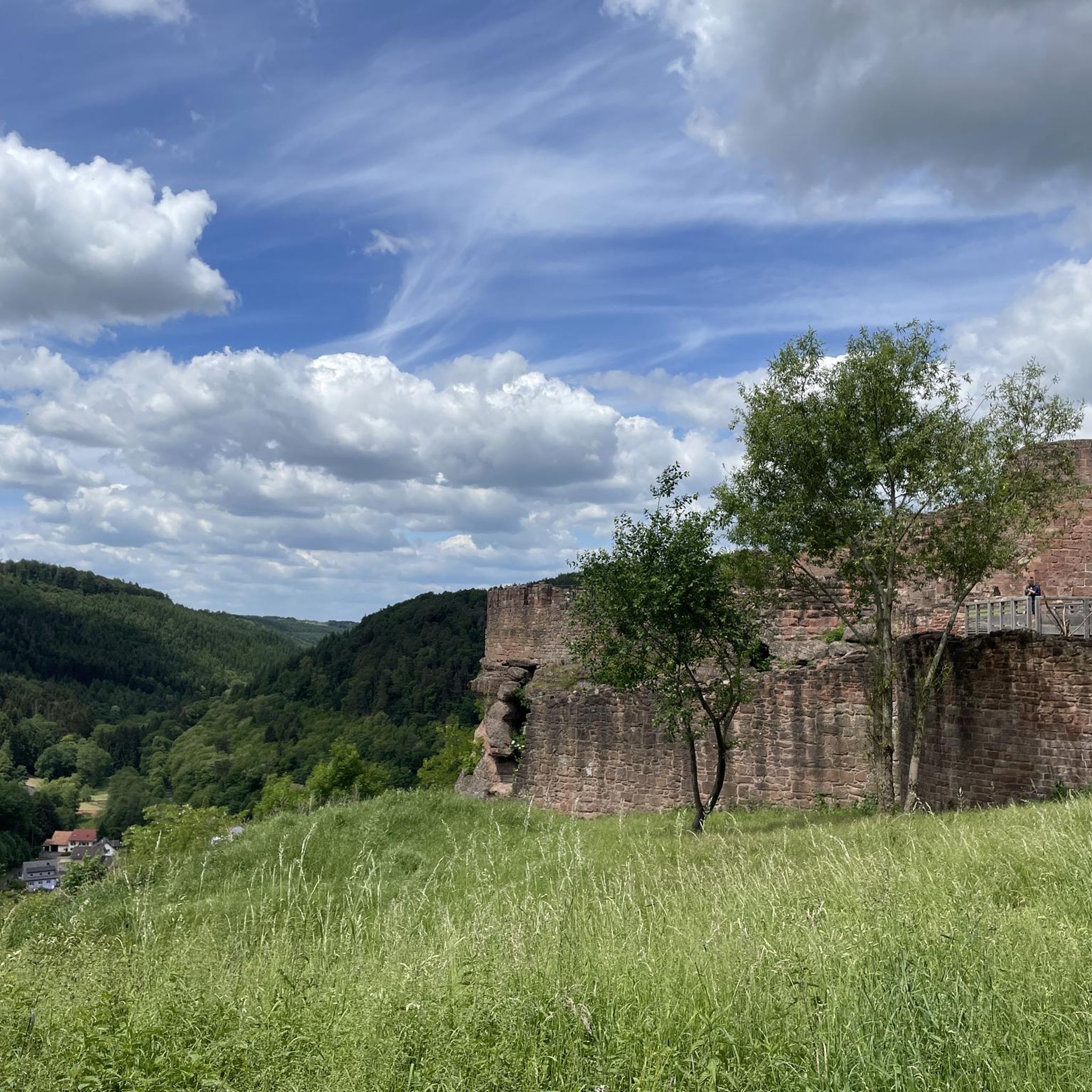
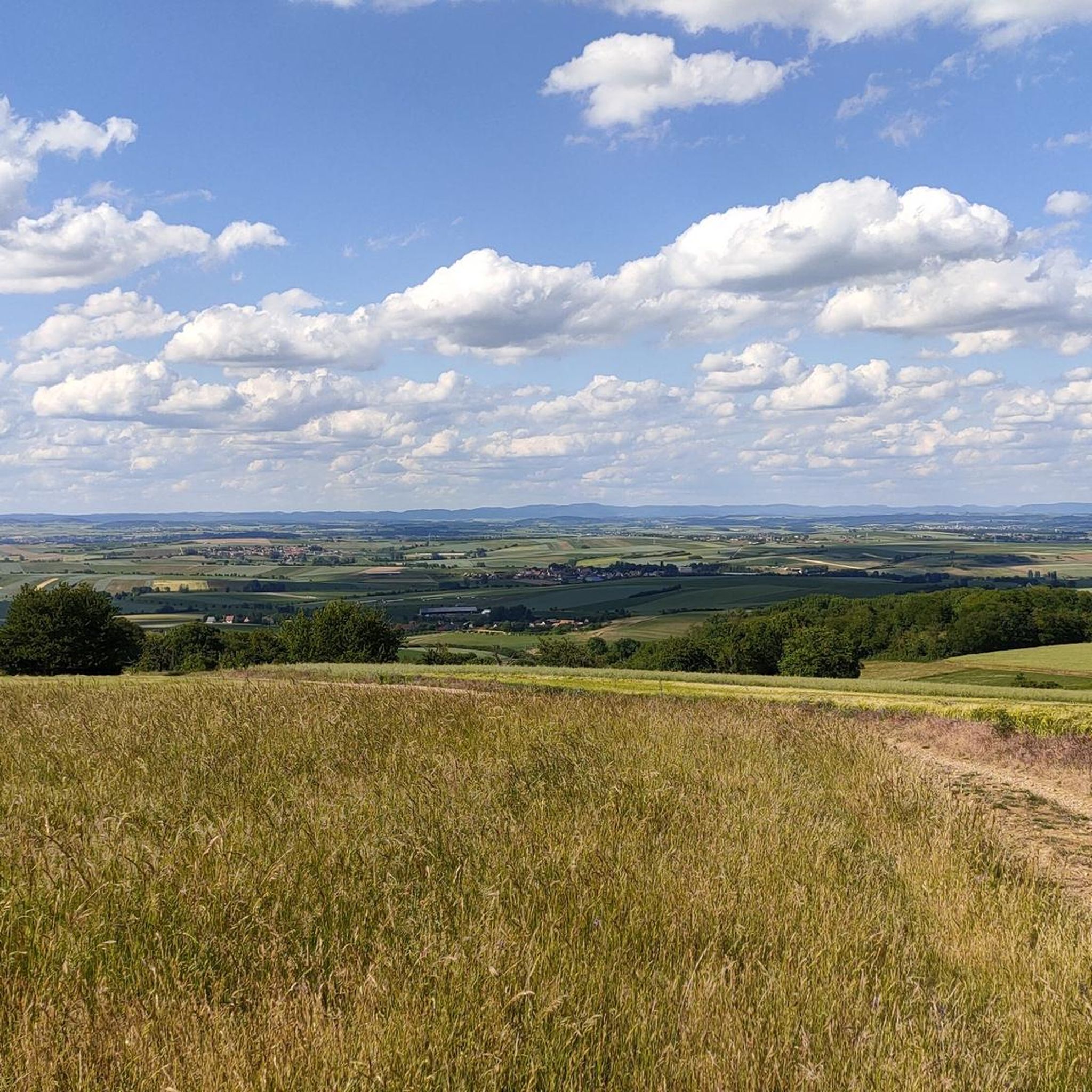
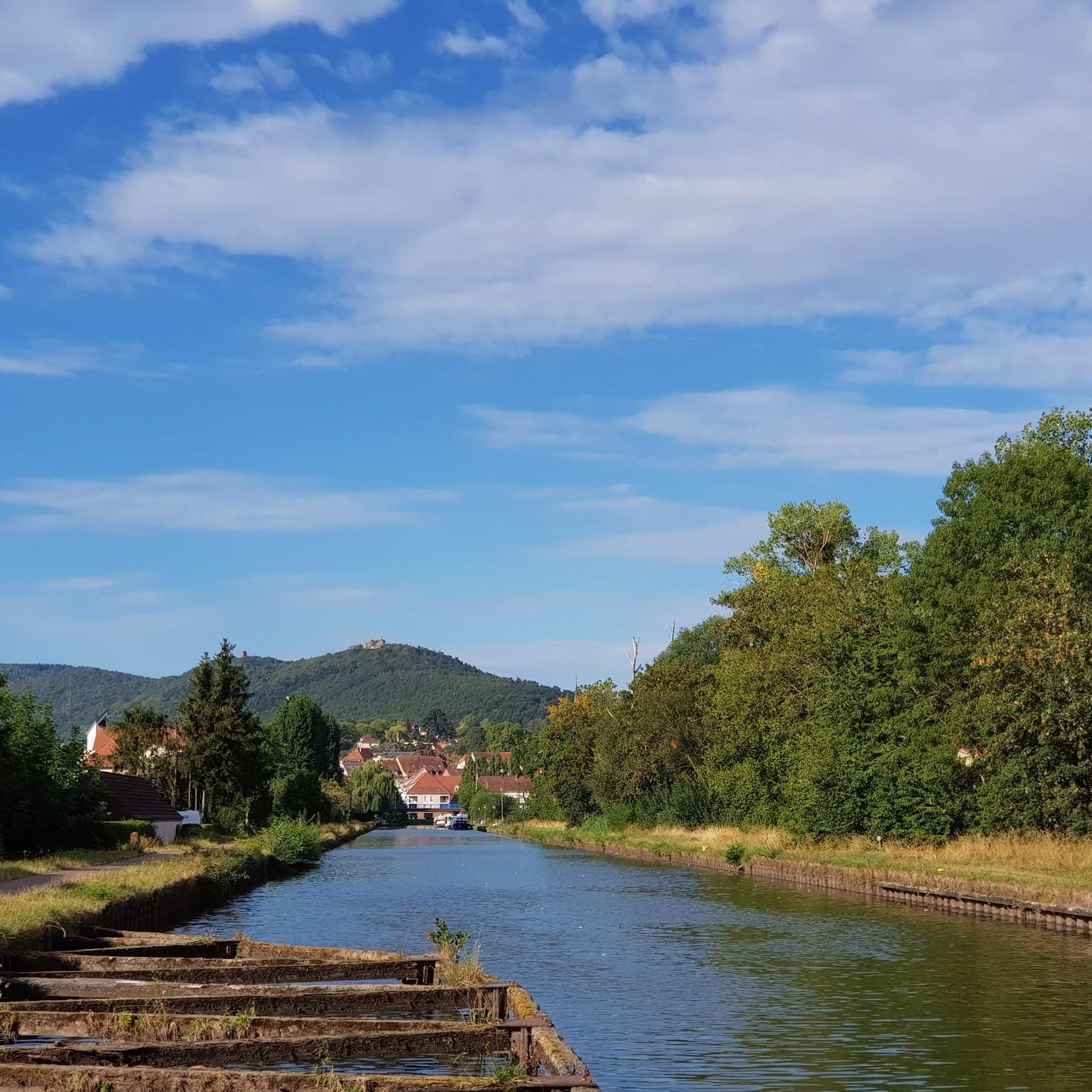


Tips from the Community

It's pretty, it's practical, it allows you to ride in peace and quiet and to ride fast (flat) but it's not very exciting...
0
0

A very stately church with a Romanesque portal and a Gothic nave. It testifies to the once great importance of Marmoutier, a town that is now a rather tranquil place.
0
0


Marmoutier Abbey is probably one of the oldest in Alsace. According to tradition, it was founded in 589 by the Irish monk Leonard on land donated by King Childebert II. The monastery then took the name of its founder: Leobardi Cella. Throughout its history, the abbey experienced alternating periods of decline and prosperity. Destroyed by fires and damaged during conflicts several times, it always rose from its ruins until its dissolution during the French Revolution (...) Source: https://www.marmoutier.fr/decouvrir-et-visiter/visiter-marmoutier/eglise-abbatiale-saint-etienne.html
1
0


Old water basin with musty water
0
0

Sights: The former abbey church of St. Peter and Paul, founded around 720, belonged to one of the oldest monasteries on the Upper Rhine. In its early years, this was led by Saint Pirminius, among others. The church is one of the most artistically valuable and stylistically diverse in Alsace. It has a Carolingian crypt (8th century), Romanesque chapels (11th century), a choir and a transept in the transitional style to Gothic (late 12th century), a purely Gothic nave (13th century) and a classicist façade with a tower (1768). The remains of the monastery building (chapter house, one wing of the cloister) are of Gothic style (13th century). The furnishings are very rich (medieval gravestones and the Adelphus carpets from around 1470 with depictions of the life and miraculous work of St. Adelphus of Metz in the chapels; baptismal font, pulpit, Adelphus shrine, organ, Holy Sepulchre in the nave). The portals and rose windows are also remarkably designed and decorated. Archaeological remains of other buildings of the monastery complex can be seen to the north of the church. The now Protestant church of St. Adelphus was built between 1200 and 1225 in the transitional style from Romanesque to Gothic. It impresses with its powerful west facade and its simple interior. The choir of the church, which until then contained the reliquary and the Adelphus carpets depicting the life of St. Adelphus of Metz, was demolished in the 19th century and replaced by a flat wall. The Herrenstein Castle (ruin) was built at the beginning of the 13th century by the Counts of Dagsburg. In the 16th century it was converted into a fortress by the Alsatian military architect Daniel Specklin. Former synagogue, built in 1875, and Jewish cemetery, established in 1877
2
0

Frequently Asked Questions
How many road cycling routes are available around Furchhausen?
There are over 260 road cycling routes around Furchhausen, catering to various skill levels. This includes 41 easy routes, 164 moderate routes, and 55 difficult routes, ensuring options for every cyclist.
What kind of terrain can I expect when road cycling near Furchhausen?
The terrain around Furchhausen is diverse, featuring a blend of scenic landscapes. You'll find hilly wine country, winding roads, and areas near the Parc naturel régional des Vosges du Nord. Expect varied terrain, from flatter sections towards the Rhine to increasingly hilly landscapes further east, offering significant elevation gains.
Are there routes suitable for beginners or families in Furchhausen?
Yes, Furchhausen offers 41 easy road cycling routes, which are generally suitable for beginners or families looking for a more relaxed ride. These routes often feature gentle inclines and pass through picturesque villages, providing an enjoyable experience for all.
Can I find challenging road cycling routes with significant elevation gains?
Absolutely. The region around Furchhausen, particularly towards the east and the Vosges Mountains, offers challenging routes with significant elevation gains. There are 55 difficult routes available for ambitious racing cyclists seeking more demanding climbs and descents.
What are some notable landmarks or scenic viewpoints I can see while cycling?
Many routes pass by historical sites and offer scenic views. For instance, you can cycle past the historic Rohan Castle in Saverne. Other notable attractions in the area include Haut-Barr Castle and the Canal de la Marne au Rhin Towpath near Saverne, which provides a different kind of scenic experience.
Are there any circular road cycling routes around Furchhausen?
Yes, many road cycling routes in the area are designed as loops. For example, the Saverne – Château des Rohan de Saverne loop from Saverne is a popular circular route that takes you around the historic Château des Rohan.
What is the best time of year for road cycling in Furchhausen?
The Alsace region, including Furchhausen, is generally pleasant for cycling from spring through autumn. The 'lovely hilly landscapes along the Wine Route' are particularly beautiful during these seasons, with vineyards in full bloom or harvest. Winter conditions can be challenging, so spring to autumn is recommended for the best experience.
Is public transport available for cyclists in the Furchhausen area?
While the guide focuses on routes, the Alsace region is recognized for its cycling infrastructure. For specific public transport options that accommodate bicycles, it's advisable to check local transport services in towns like Saverne or Molsheim, which are often hubs for regional travel.
Where can I find parking for road cycling in Furchhausen?
Many road cycling routes around Furchhausen start from nearby towns such as Saverne, Westhouse-Marmoutier, or Otterswiller. These towns typically offer public parking facilities where you can leave your vehicle before starting your ride. Always check local signage for parking regulations.
Are there opportunities for cafe stops or refreshments along the routes?
Cycling through the authentic rural Alsace means you'll pass through numerous picturesque villages. Towns like La Petite Pierre, Wangenbourg, and Saverne offer opportunities for cafe stops, local artisan products, and refreshments, allowing you to experience the local culture during your ride.
What do other cyclists say about road cycling in Furchhausen?
The road cycling routes around Furchhausen are highly rated by the komoot community, with an average score of 4.3 stars from over 170 reviews. Cyclists often praise the varied terrain, the charming villages, and the captivating views of the surrounding area, making it a popular destination for road cycling enthusiasts.
Can I explore the Alsace Wine Route by road bike from Furchhausen?
Yes, Furchhausen's location within Alsace provides excellent access to the region's renowned 'lovely hilly landscapes along the Wine Route.' Routes like the Wasselonne Town Centre – End of the Alsace Wine Route loop from Westhouse-Marmoutier allow you to cycle through vineyards and experience this iconic region.
Are there routes that pass through charming villages?
Many road cycling routes in the Furchhausen area are designed to take you through the authentic rural Alsace, featuring its half-timbered villages. You'll often find yourself cycling through picturesque settlements, offering a blend of natural beauty and cultural exploration.
Most popular routes around Furchhausen
Most popular attractions around Furchhausen

Get inspired with the komoot mobile app


Explore more
Browse the best Road cycling routes in other regions.
