The best walks and hikes around Arthez-De-Béarn
4.4
(127)
1,009
hikers
44
hikes
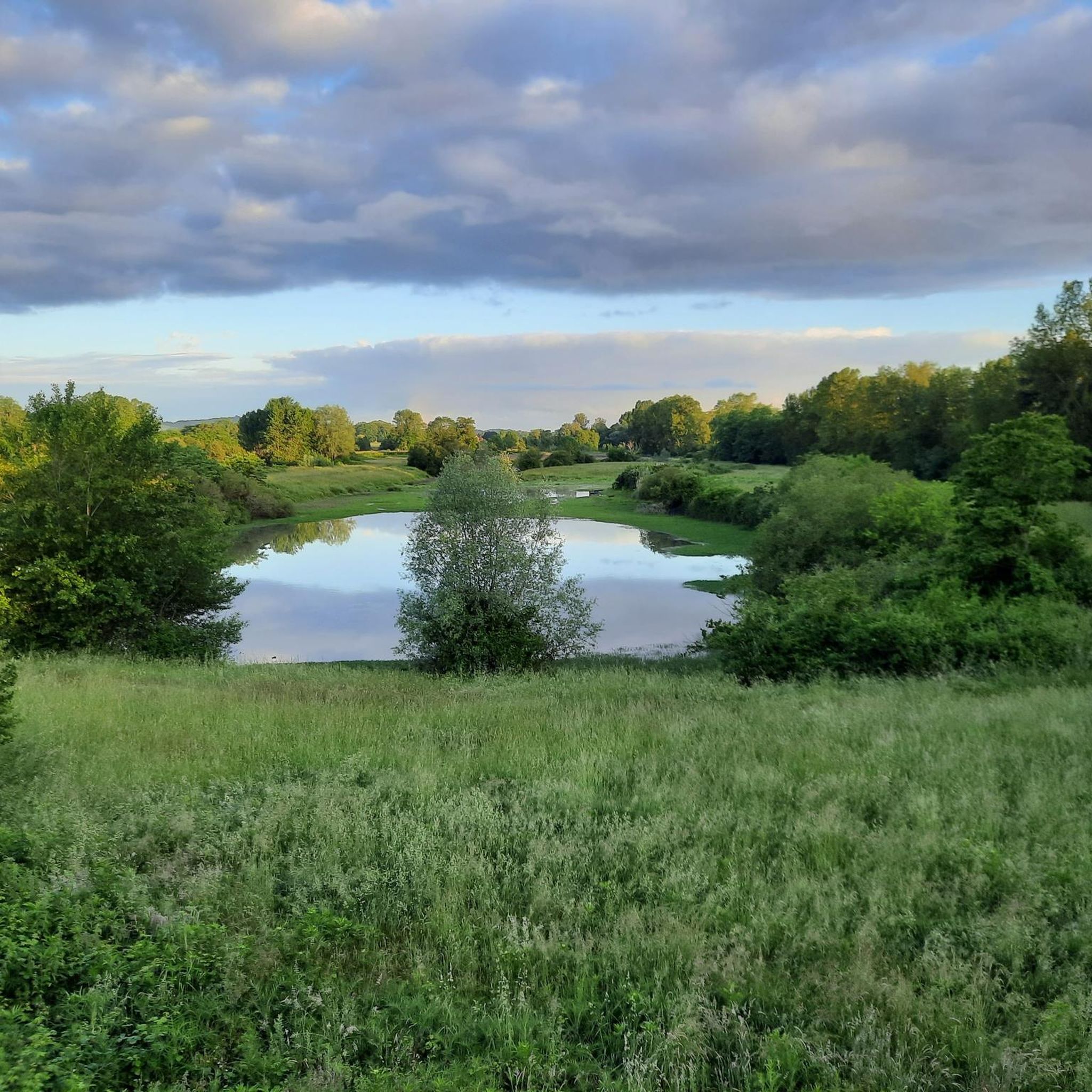
Hiking around Arthez-De-Béarn offers diverse landscapes, from serene woods and open plains to rolling hills. The region provides extensive trail networks with panoramic views of the Pyrenees mountains. Trails traverse varied terrain, including dirt tracks and stony paths, alongside the Gave de Pau river and through Jurançon vineyards. This area features numerous marked routes suitable for various difficulty levels.
Best hiking trails around Arthez-De-Béarn
- The most popular hiking route is Béarn Farm – Arthez-de-Béarn loop from Castillon, an 18.5…
Last updated: November 3, 2026
4.8
(6)
28
hikers
24.9km
06:41
300m
300m
Hard hike. Very good fitness required. Easily walkable paths.
3.0
(2)
14
hikers
Moderate hike. Good fitness required. Easily walkable paths.

4.3
(4)
23
hikers
20.8km
05:35
250m
250m
Hard hike. Very good fitness required. Easily walkable paths.
5
hikers
9.88km
02:38
110m
110m
Moderate hike. Good fitness required. Easily walkable paths.
5.0
(1)
6
hikers
13.2km
03:30
140m
140m
Moderate hike. Good fitness required. Easily walkable paths.
Get access to more routes and recommendations from other explorers.
Already have an account?
Our route recommendations are based on thousands of hikes, rides, and runs completed by other people on komoot.
Start today with a free account
Your next adventure awaits.


Tips from the Community

The last sentence: „And above all: Don’t forget that where your feet stand, the journey begins.“ This is a beautiful message for the Camino de Santiago: The pilgrimage doesn’t just begin at the official starting point – it begins exactly where you take your first step.
1
0
„La via Podiensis” The Way of St. James runs for four kilometers through Maslacq. This path cannot be left unmentioned, as it is walked by about 10,000 pilgrims per year – even more people in the St. James years; such years occur 14 times per century. You are here on the GR 65, also called Via Podiensis, because this route passes through Le Puy-en-Velay. This path, which has existed "for so many centuries," was partly created by the countless steps of pilgrims. Even today, there are sections of the path that are practically only walked by pilgrims, for example, very close by, at the foot of the slopes of Sauvelade. The Via Podiensis ends in Ostabat in the Basque Country. There it meets the Via Turonensis, which passes through Tours, and the Via Lemovicensis or Limousin Way, which passes through Vézelay. From Ostabat, the path is called Camino Navarro. On the other side of the Pyrenees, it meets the Camino Aragonés, the Spanish extension of the Via Tolosana, which comes from the direction of Arles and Toulouse. From there, it transitions into the Camino Francés, which leads from Saint-Jean-Pied-de-Port to Santiago de Compostela. Although the GR 65 is of religious origin, it is one of the oldest hiking trails in the world. Above all, it passes through beautiful villages known for their religious buildings – often, these are surprisingly large in relation to the number of inhabitants. Examples include Conques, Figeac, Rocamadour, and Moissac. Here you meet people from all parts of the world and from all social classes: from Europe, America, and even from the Far East and Oceania. Thanks to the fame of this path, there are regular pilgrim hostels, so pilgrims are not forced to cover particularly long daily stages. They can design their route according to their own abilities. Some particularly tradition-conscious pilgrims try to set off at the spring equinox at 12 noon (solar time). Their ultimate goal is to arrive on July 25th, St. James's Day.
2
0
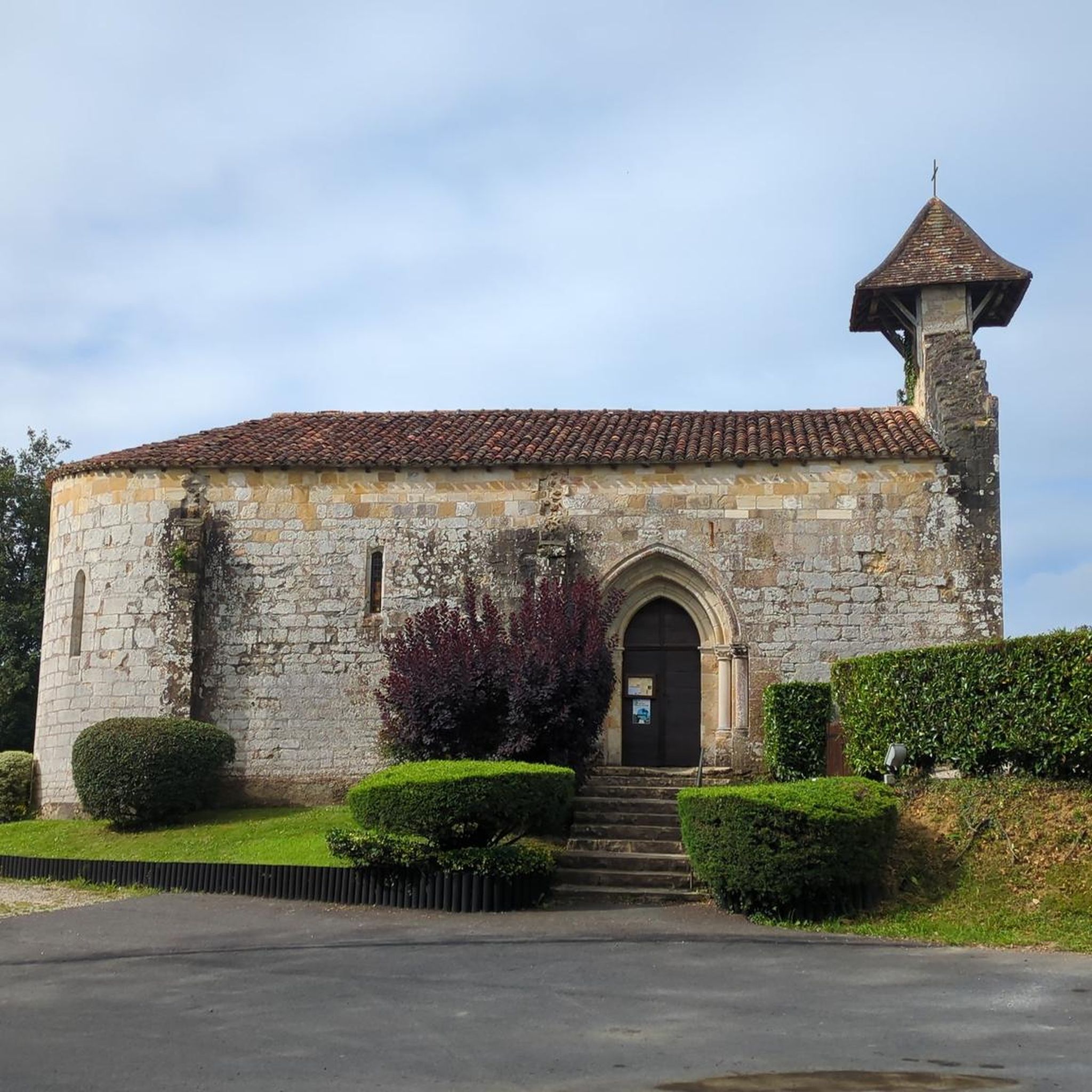
The Romanesque chapel was built on the orders of the Viscount of Béarn, Gaston IV, known as the Crusader (1090-1130), upon his return from the First Crusade. It was entrusted to the Knights of Saint John of Jerusalem and experienced its heyday until the mid-16th century, when the Wars of Religion broke out. Inside, behind the beautiful Gothic arches, we can see the tomb with the figure of a medieval knight. On the outside, the details of the capitals are worth seeing.
2
0
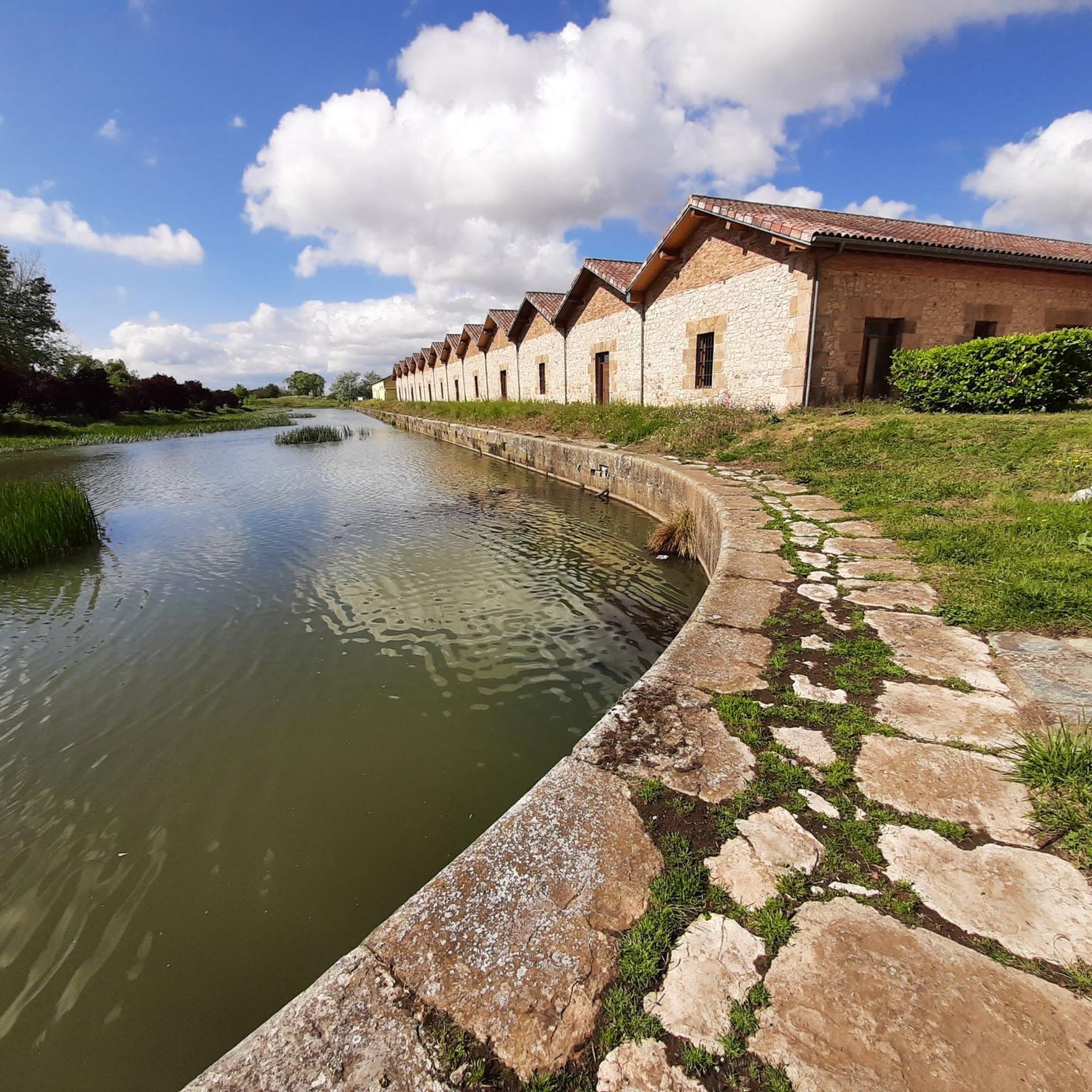
Very nicely laid out rest area with plenty of shade and comfortable seating
2
0
The Romanesque chapel was built on the orders of the Viscount of Béarn, Gaston IV, known as the Crusader (1090-1130), upon his return from the First Crusade. It was entrusted to the Knights of Saint John of Jerusalem and experienced its heyday until the mid-16th century, when the Wars of Religion broke out. Inside, behind the beautiful Gothic arches, we can see the tomb with the figure of a medieval knight. On the outside, the details of the capitals are worth seeing. 'La petite église' can be read framed at the entrance of the church.
2
0

A very nice and cozy café in Arthez-de-Béarn, ideal for a short break on the Camino de Santiago. A friendly, welcoming hostess and delicious food, ☕️, 🫖, and dessert.
7
0

A 12th-century historical monument, the chapel was saved by the association "Les Amis de Caubin" in 1966, who completed its restoration in 1974. Musical events have been held there since. Note that picnic tables and an oratory are located on the other side of the road.
1
0
Panoramic stele behind the parish church of Arthez-de-Béarn. It describes the various peaks and passes in the valleys of Ossau, Aspe and Barétous.
1
0
Frequently Asked Questions
How many hiking trails are available in Arthez-De-Béarn?
Arthez-De-Béarn offers a comprehensive network of over 45 hiking routes. These trails cater to various skill levels, including 10 easy, 29 moderate, and 6 difficult options, ensuring there's a suitable path for every hiker.
What kind of landscapes can I expect to see while hiking in Arthez-De-Béarn?
The region boasts diverse landscapes, from serene woods filled with oak, pine, and chestnut trees to expansive open plains and gentle rolling hills. Many trails offer breathtaking panoramic views of the Pyrenees mountains, and some even run alongside the Gave de Pau river or through picturesque Jurançon vineyards.
Are there any family-friendly hiking options in Arthez-De-Béarn?
Yes, Arthez-De-Béarn has 10 easy trails perfect for families or those seeking a relaxed stroll. These routes often feature varied terrain that is manageable for all ages, allowing everyone to enjoy the natural beauty of the area.
What are some notable landmarks or historical sites to explore on a hike?
The region is rich in history. For example, the "Les trois chapelles" (The Three Chapels) area, which includes the Chapelle de Caubin (an ancient pilgrim hospital on the Way of St. James), Chapelle de Cagnes, and Chapelle N'Haux, offers a cultural dimension to your outdoor experience. You can also visit the historic Saint Peter's Church or Sauvelade Abbey.
What do other hikers enjoy most about the trails in Arthez-De-Béarn?
The trails in Arthez-De-Béarn are highly rated by the komoot community, with an average score of 4.4 stars from over 100 reviews. Hikers often praise the stunning views of the Pyrenees, the varied terrain that keeps routes interesting, and the well-maintained paths suitable for different abilities.
Are there any circular hiking routes available?
Yes, many routes in Arthez-De-Béarn are circular, offering convenient starting and ending points. An example is the moderate Au Coin Cosy Café & Tea Room – Arthez-de-Béarn loop from Arthez-de-Béarn, which is 13.6 km long and takes about 3 hours 45 minutes to complete.
What are some longer, more challenging hikes in the area?
For experienced hikers, there are 6 difficult routes. One challenging option is the Béarn Farm – Arthez-de-Béarn loop from Castillon, which spans 29.8 km and typically takes over 8 hours to complete, offering expansive views and varied terrain.
Are there any trails that pass by water features or lakes?
While some trails run alongside the Gave de Pau river, you can also explore the nearby Lakes of the Barthes de Biron, which offer a tranquil setting and additional opportunities for relaxation and water-based activities.
What is the best time of year to go hiking in Arthez-De-Béarn?
The diverse terrain, including dirt tracks and stony paths, means many routes are accessible even in wet weather. However, for the most comfortable experience and clear views of the Pyrenees, spring and autumn generally offer pleasant temperatures and vibrant scenery.
Is there parking available at the trailheads?
While specific parking details vary by trailhead, Arthez-De-Béarn is well-equipped for outdoor visitors. Many routes, particularly those starting from villages or popular points, offer designated parking areas. It's advisable to check the route details on komoot for specific parking information for your chosen trail.
Can I find trails that offer views of the Jurançon vineyards?
Yes, the "Cœur de Béarn" area, which includes Arthez-De-Béarn, provides picturesque views of the renowned Jurançon vineyards from several trails. These routes offer a unique blend of natural beauty and cultural landscape.
Are there any trails suitable for mountain biking or cycling?
Beyond hiking, Arthez-De-Béarn is also well-suited for cycling. The region offers numerous marked routes for VTT (mountain biking), VAE (electric bikes), and cyclotourism, allowing you to explore the bucolic Béarn countryside and enjoy more views of the Pyrenees on two wheels.
Most popular routes around Arthez-De-Béarn
Most popular attractions around Arthez-De-Béarn

Get inspired with the komoot mobile app


Explore more
Browse the best Hikes in other regions.
