Attractions and Places To See around Ingrandes - Top 17
Best attractions and places to see around Ingrandes encompass historical landmarks, cultural sites, and natural features across two communes in France. Ingrandes-le-Fresne-sur-Loire in Maine-et-Loire offers cultural sites like the Former Mauriste Abbey and natural beauty along the Loire River. Ingrandes in Vienne features historical monuments such as the Château des Ormes and the ancient Domaine de la Groie. The region provides opportunities for exploring diverse landscapes and historical architecture.
Best attractions and places to see around Ingrandes
- The most popular…
Last updated: August 26, 2026
Saint-Savin Abbey on the Gartempe
Highlight • Religious Site
Translated by Google •
Tip by

Viaduc du Blanc
Highlight (Segment) • Bridge
Translated by Google •
Tip by

Sign up now to discover places like this
Get recommendations on the best single tracks, peaks, & plenty of other exciting outdoor places.
Sign up for free
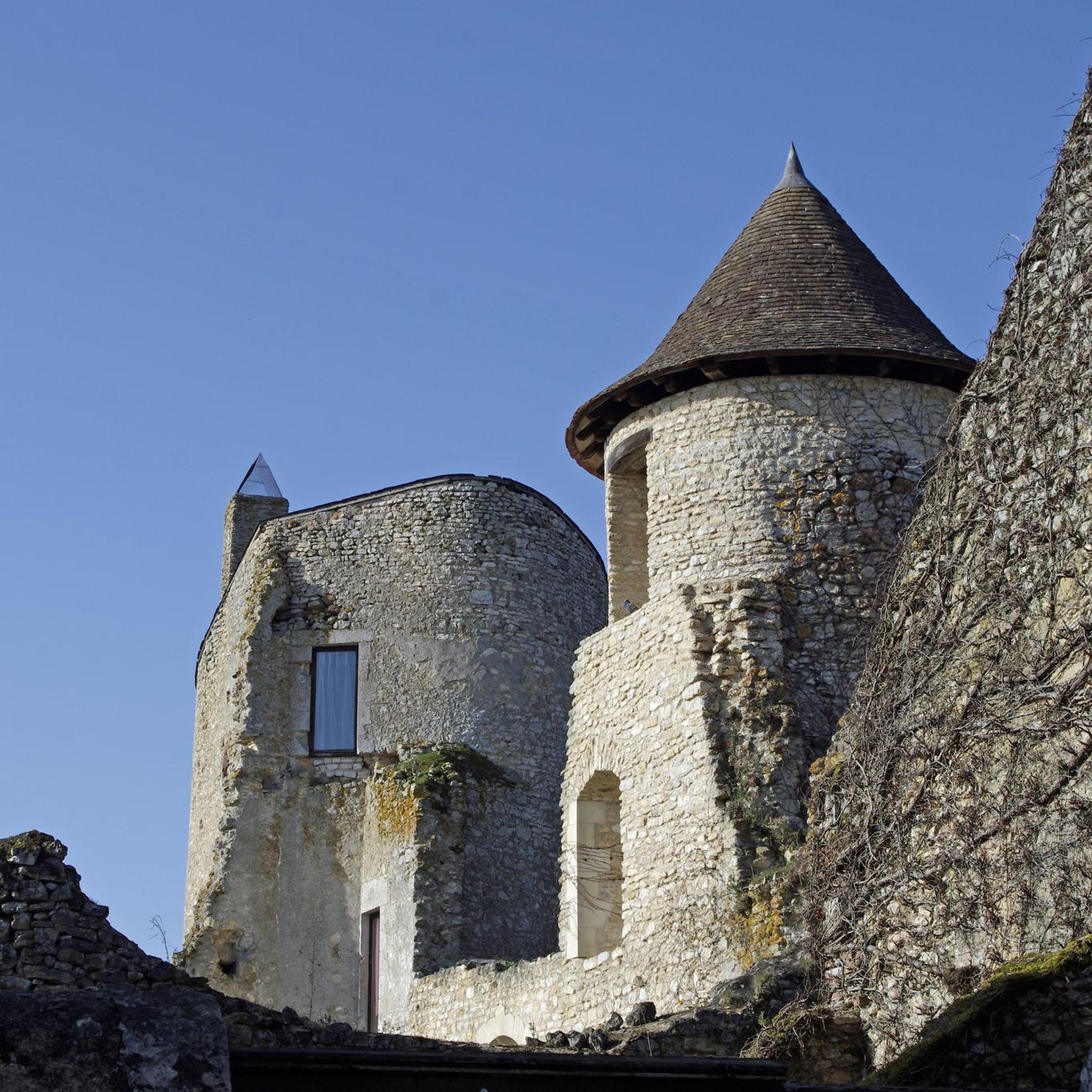
Naillac Castle
Highlight • Other
Translated by Google •
Tip by
Cycling Path on Former Railway in Parc naturel régional de la Brenne
Highlight (Segment) • Cycleway
Tip by

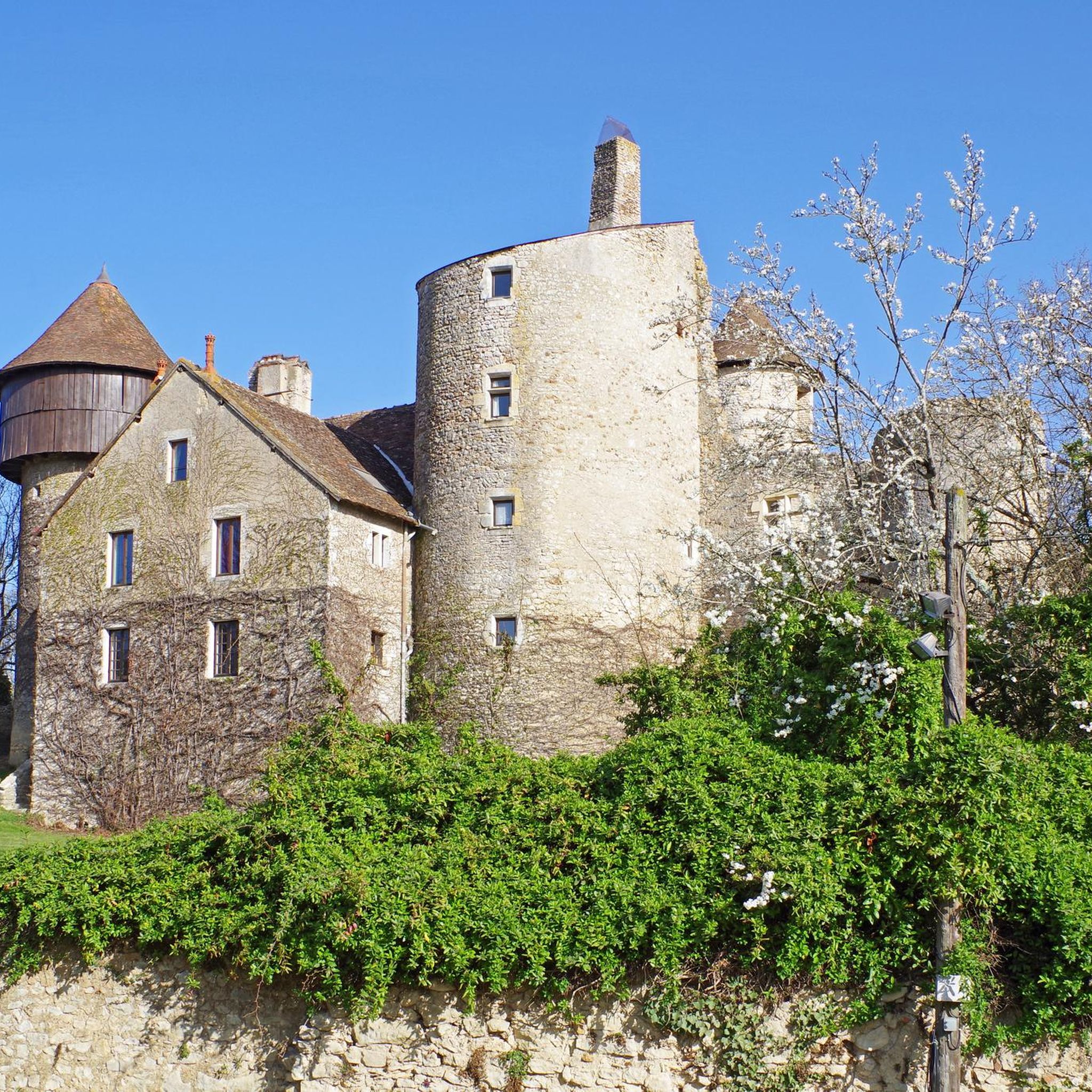
Chateau de Forges
Highlight • Castle
Translated by Google •
Tip by
Sign up for free to discover even more attractions around Ingrandes.
Sign up for free
Already have an account?
Start today with a free account
Your next adventure awaits.
Login or Signup


Tips from the Community

Hike up to the old Château-Naillac with its twin 12th-century donjons—towers without buttresses—standing just above the Creuse River. Inside, you'll find remnants of prisoners' graffiti, a hall with a magnificent Romanesque fireplace, and a model showing what the castle once looked like.
2
0
This impressive viaduct over the Creuse River looks like an ordinary old railway structure, but the stories behind it make it special. It was built in the late 19th century for a railway line that was never fully completed, earning it the nickname "the ghost train line." During World War II, the Germans used the bridge as an observation post, and after the war, it fell into complete disrepair. In the 1980s, it was even threatened with demolition, until bungee jumpers discovered the viaduct and revived it. Today, you can walk across it with stunning views of the valley, and be aware that bats have found refuge under the arches.
2
0
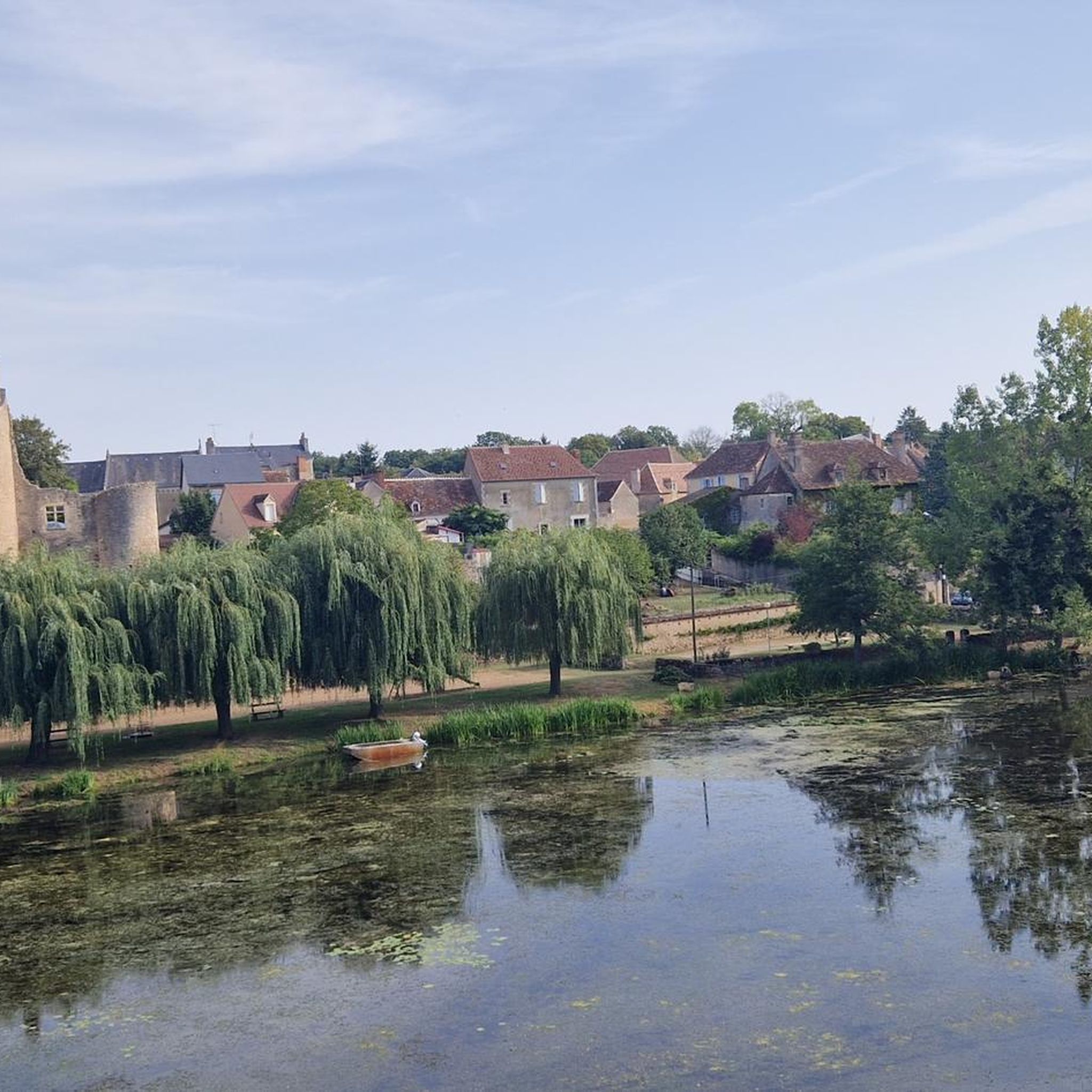
At the Abbey of Saint-Savin, a sight you'll never tire of awaits: the Gartempe River flowing gently past the ancient stone walls, and the medieval Pont de Saint-Savin spanning the river, with the abbey in the background. A truly magnificent view! The combination of water, bridge, and Romanesque architecture makes this a perfect oasis. Take a moment to sit on the banks.
3
0

Magnificent abbey with its frescoes from the Romanesque period
0
0

The Viaduc du Blanc is a remarkable work of art located in the commune of Le Blanc, although the Creuse is often associated with this type of structure, this specific viaduct crosses the Indre region, in the Centre-Val de Loire region. This viaduct is an emblematic work of 19th century railway architecture in France. Points of Interest: Architecture and Construction: Railway Structure: Built at the end of the 19th century, the Viaduc du Blanc is one of the major railway infrastructures of the time. It was designed to allow trains to pass over the Creuse Valley, a river that crosses this picturesque region. Imposing Structure: The viaduct is distinguished by its stone arches, which extend over several hundred meters. The height and length of the structure testify to the technical and aesthetic ambition of its designers. With its multiple elegant arches, it blends harmoniously into the surrounding natural landscape while asserting its imposing presence. Why visit the Viaduc du Blanc? Engineering Masterpiece: The Viaduc du Blanc is an impressive example of 19th century railway architecture, combining technique and aesthetics in a monumental work. Breathtaking Landscapes: Located in an exceptional natural setting, the viaduct offers panoramic views of the Creuse Valley, ideal for nature and photography enthusiasts. Industrial Heritage: This viaduct is an important witness to French industrial heritage, allowing a better understanding of the history of infrastructure and rail transport in France. In short, the Viaduc du Blanc is a must-see destination for those interested in architecture, industrial history, and spectacular natural landscapes. It is a place that perfectly combines human technology and natural beauty.
1
0
Château de Forges is an impressive 15th-century fortified castle located in the Vienne region of New Aquitaine. Built overlooking the Anglin River, it was strategically built to defend against English invasions during the Hundred Years' War, a period of great conflict between France and England. Points of Interest: Military Architecture: Defensive Design: Château de Forges is a remarkable example of medieval military architecture. Built on a rocky promontory, it dominates the Anglin Valley, which gave it a considerable strategic advantage in monitoring and defending the region against invaders. Fortifications: The castle has powerful fortifications, including thick walls, watchtowers, and a sturdy keep. These structures were designed to withstand assaults and protect the occupants against enemy armies. Why visit Château de Forges? Military Heritage: Château de Forges is an iconic example of medieval fortification, offering a fascinating insight into 15th-century military architecture. Local History: A visit to this castle will immerse you in the tumultuous history of the Hundred Years' War and the conflicts that shaped the region. Natural Beauty: Its location overlooking the Anglin River offers a magnificent natural setting, combining history and nature in an enriching experience. In short, Château de Forges is a must-see destination for those passionate about medieval history and fortifications, as well as those who appreciate the picturesque landscapes of the Anglin Valley.
1
0

The Green line is an old railroad track now paved and dedicated for cycling. It runs very straight and even from Argenton-sur-Creuse to Le Blanc. A nice bridge crosses the river Creuse in Saint-Gaultier and another much higher one in Le Blanc. Along the track you can see the old stations and other railway buildings. Every now and then you have to cross a street, so it is not like a race track - still you can make good speed and progress. Most parts run in the shade.
0
0

Frequently Asked Questions
What historical landmarks can I explore around Ingrandes?
The region around Ingrandes offers several significant historical landmarks. In Ingrandes-le-Fresne-sur-Loire, you can visit the Former Mauriste Abbey, a monastic complex with a history dating back to the 4th century, featuring an abbey church and the tomb of Bonchamps. In Ingrandes (Vienne), the Naillac Castle, a 12th-century fortress that now houses the Brenne Ecomuseum, and the Chateau de Forges, a 15th-century fortified castle overlooking the Anglin River, are notable. Additionally, the Saint-Savin Abbey on the Gartempe is a UNESCO World Heritage site renowned for its 11th and 12th-century frescoes.
Are there any significant religious sites in the Ingrandes area?
Yes, the area features prominent religious sites. The Former Mauriste Abbey in Ingrandes-le-Fresne-sur-Loire is a significant monastic complex. Also in Ingrandes-le-Fresne-sur-Loire, the Church of Notre-Dame, rebuilt in 1954, is noted for its modern religious architecture and contemporary stained glass windows. Further afield, the Saint-Savin Abbey on the Gartempe is a UNESCO World Heritage site, often called 'the Roman Sixtine' for its extensive 11th and 12th-century frescoes.
What natural attractions can I find near Ingrandes?
Near Ingrandes-le-Fresne-sur-Loire, you can enjoy promenades along the Loire River, offering peaceful ambiance. The Saint-Florent-le-Vieil Viewpoint provides picturesque views of the surroundings. Nearby natural sites include the Île Saint-Aubin and Île Héron. The Viaduc du Blanc offers panoramic views of the surrounding countryside and the Creuse River valley.
Are there opportunities for hiking around Ingrandes?
Yes, both Ingrandes-le-Fresne-sur-Loire and Ingrandes (Vienne) offer various hiking trails for exploring the local landscape. You can find numerous routes, including easy to moderate options. For detailed hiking routes, you can explore the Hiking around Ingrandes guide, which features trails like the 'Mérigny loop' and the 'Chateau de Forges – Chateau de Forges loop from Ingrandes'.
What cycling routes are available in the Ingrandes region?
The region provides excellent cycling opportunities. In Ingrandes-le-Fresne-sur-Loire, you can explore vineyards on electric scooters. The Cycling Path on Former Railway in Parc naturel régional de la Brenne offers a straight, paved route ideal for cycling. For more options, check the Gravel biking around Ingrandes guide, which includes routes like the 'Angles-sur-l'Anglin – Le Blanc cycle bridge loop'.
Are there family-friendly activities or attractions in Ingrandes?
Yes, there are several family-friendly options. The Saint-Savin Abbey on the Gartempe is listed as family-friendly. In Ingrandes-le-Fresne-sur-Loire, the Musée des Métiers offers insights into various trades with workshops for children, and farm visits provide agricultural tourism experiences. The Cycling Path on Former Railway in Parc naturel régional de la Brenne is also suitable for families.
Where can I find impressive viewpoints around Ingrandes?
For impressive views, visit the Saint-Florent-le-Vieil Viewpoint in Ingrandes-le-Fresne-sur-Loire. The Viaduc du Blanc, a former railway structure, offers panoramic views of the surrounding countryside and the Creuse River valley. The Chateau de Forges, built overhanging the Anglin River, also provides a scenic vantage point.
What unique cultural experiences can I have in Ingrandes-le-Fresne-sur-Loire?
In Ingrandes-le-Fresne-sur-Loire, you can discover the traditional local game played by Boule de Fort Societies. You can also experience the Loire River on traditional 'Loire en Bateau' vessels, offering a unique perspective of the waterway and its history.
Can I visit castles in the Ingrandes region?
Absolutely. In Ingrandes (Vienne), you can visit the Château des Ormes, a historical monument open to the public between June and September, and the Domaine de la Groie, an ancient medieval castle with origins dating back to 1425. Additionally, the Naillac Castle and the Chateau de Forges are also significant historical castles in the wider region.
What is the best time of year to visit Ingrandes for outdoor activities?
While specific data on the best time to visit is not provided, regions like Ingrandes with river promenades, hiking trails, and cycling paths are generally best enjoyed during spring and early autumn. These seasons typically offer pleasant weather for outdoor activities, avoiding the heat of summer and the colder, potentially wetter conditions of winter.
Are there any specific architectural marvels to see?
Yes, the region boasts several architectural marvels. The abbey church of the Former Mauriste Abbey is an architectural highlight. The Church of Notre-Dame in Ingrandes-le-Fresne-sur-Loire is noted for its modern 20th-century religious architecture. The Viaduc du Blanc is an impressive 19th-century railway structure, and the medieval castles like Naillac Castle and Chateau de Forges showcase historical military architecture.
What kind of museums are available in the area?
In Ingrandes-le-Fresne-sur-Loire, you can visit the Musée des Métiers, which offers insights into various trades. The Naillac Castle now houses the Brenne Ecomuseum, providing a deeper understanding of the local environment and heritage.
Are there any specific sites related to the Loire River?
Yes, Ingrandes-le-Fresne-sur-Loire is situated along the Loire River. You can enjoy leisurely promenades along its banks and explore the historic Bridge over the Loire. Traditional boat trips on the Loire are also available, offering a unique way to experience the river.
Most popular routes around Ingrandes

Get inspired with the komoot mobile app


Explore more
Still not found the Highlight you’re looking for? See guides of the top attractions in other regions:
