Top 8 Castles around Villers-Sous-Montrond
Best castles around Villers-Sous-Montrond are often situated in historically significant locations, many offering views over the Doubs river and surrounding valleys. This area of Franche-Comté features a mix of military strongholds and medieval structures. The castles provide insights into the region's past, from 17th-century fortifications to 14th-century defensive works. Visitors can explore these sites, which are often found on strategic hills or along important waterways.
Best castles around Villers-Sous-Montrond
- The most popular castles is View of the Besançon citadel from…
Last updated: July 8, 2026
Citadel of Besançon
Highlight • Viewpoint
Construction of the Citadelle began in 1668 under the direction of the …
Translated by Google •
Tip by

View of the Besançon citadel from the greenway
Highlight • Viewpoint
Translated by Google •
Tip by

Sign up now to discover places like this
Get recommendations on the best single tracks, peaks, & plenty of other exciting outdoor places.
Sign up for free
Cléron Castle
Highlight • Historical Site
This medieval castle has been restored …
Translated by Google •
Tip by

Fort de Chaudanne
Highlight • Historical Site
If it cannot be visited, you can however go around it and appreciate its fortifications as well as the trench …
Translated by Google •
Tip by
View of the Vauban Citadel
Highlight • Viewpoint
Translated by Google •
Tip by
Sign up for free to discover even more castles around Villers-Sous-Montrond.
Sign up for free
Already have an account?
Start today with a free account
Your next adventure awaits.
Login or Signup

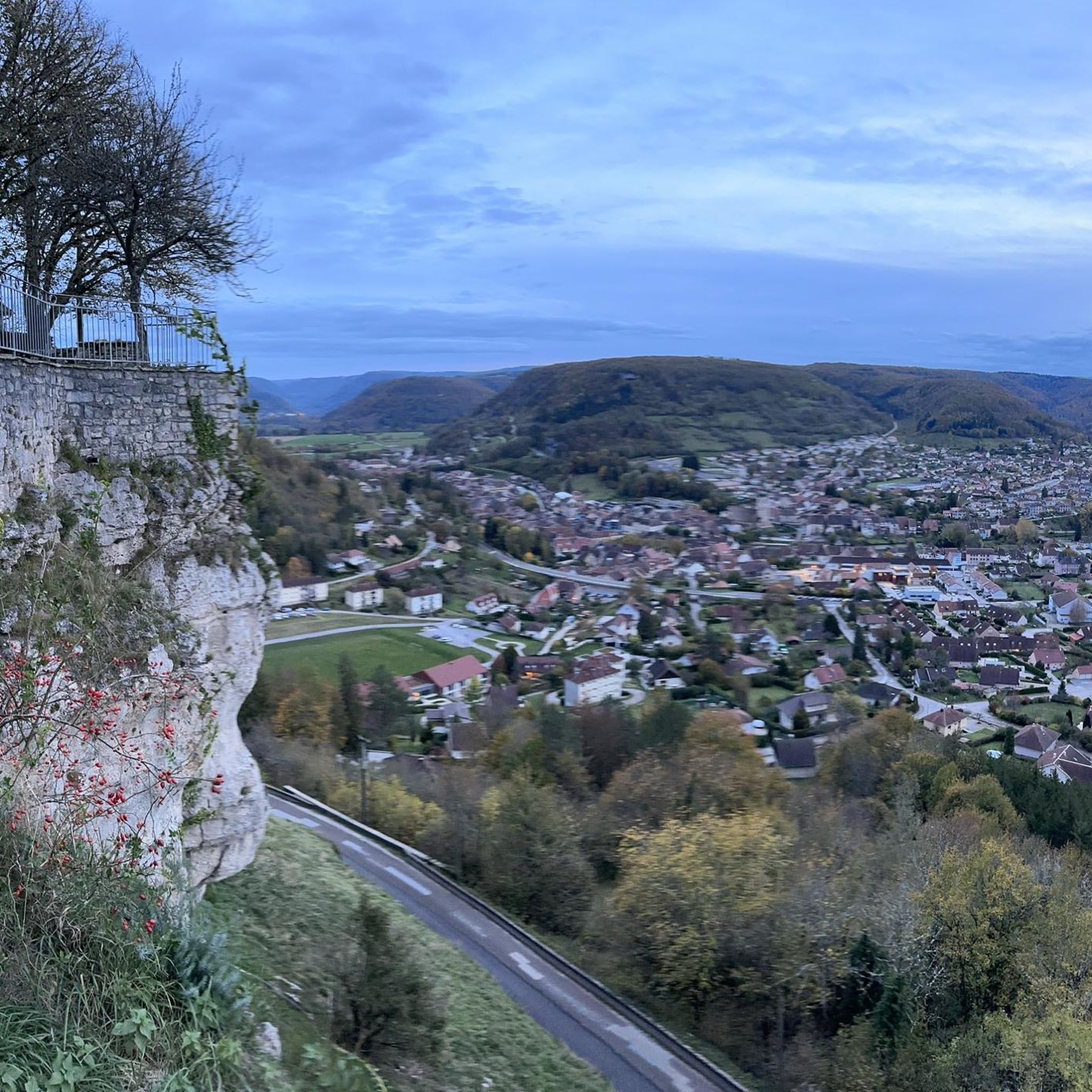
Tips from the Community

Imposing complex which is worth a visit.
0
0

UNESCO World Heritage Site
0
0
UNESCO World Heritage, what more can be said except that the Doubs Valley and the splendid ruins of old medieval castles from the top of wild cliffs have watched over the valley for centuries?
0
0

I have cycled this cycle path several times (different years) and each time I have passed these horrible looking factory ruins on the opposite bank - a very poor reception from Besançon - a real shame.
1
0

Here you get a good idea of the size of the citadel.
9
0
Beautiful to see how the Citadel of Bresançon (VAUBAN, UNESCO World Heritage Site) dominates its surroundings. If you continue towards Besançon you can soon cycle through a tunnel under the citadel. The Voie Verte you are on is part of the EuroVélo 6 that connects the Atlantic Ocean in France with the Black Sea in Romania.
4
2
The Citadelle de Besançon is an impressive fortress located on Mont Saint-Étienne, high above the city of Besançon. Construction of the Citadelle began in 1668 under the direction of the French military engineer Vauban, known for his defense works. The fortress served as an important military stronghold and played a crucial role in the defense of France's eastern borders. The Citadelle is a masterpiece of military architecture, with bastions, ramparts, underground tunnels and other defenses. The design reflects Vauban's innovative approaches at the time. UNESCO World Heritage Site: The Citadelle de Besançon is part of the "Fortifications of Vauban", recognized as a World Heritage Site by UNESCO in 2008. This group of fortifications spread across France testifies to Vauban's military designs. Within the Citadelle there are several museums and attractions, including the Museum of French Resistance and Deportation, the Comtois Museum which highlights regional history, and the Besançon Zoo, one of the oldest zoos in France. The Citadelle offers breathtaking views over the city of Besançon and the surrounding valley. It is a popular destination for tourists due to its historical importance, architectural splendor and panoramic views.
11
0
The citadel is an impressive building - from below and only from above! And you have a great view!
3
0
Frequently Asked Questions
Which castles around Villers-Sous-Montrond are best for families?
The Citadel of Besançon and Vauban Citadel are excellent choices for families. The Citadel of Besançon houses several museums, including a zoo, and offers extensive ramparts to explore. The Vauban Citadel also features a small zoo and a large esplanade that is free to access, providing space for children to enjoy.
Are there any castles that offer panoramic views of the region?
Yes, several castles and related sites offer stunning views. The Citadel of Besançon provides breathtaking views over the city and the surrounding valley. Additionally, the View of the Besançon citadel from the greenway offers a superb perspective of the citadel along the Doubs river. Fort de Chaudanne also boasts many viewpoints over different areas of Besançon, including the historic loop and a full-length view of the Citadel.
What kind of historical significance do the castles in this region hold?
The castles around Villers-Sous-Montrond are deeply rooted in military history and regional defense. Sites like the Citadel of Besançon and Vauban Citadel are masterpieces of 17th-century military architecture by Vauban, recognized as UNESCO World Heritage Sites. Cléron Castle, a medieval structure from the 14th century, protected a vital ford on the salt road, showcasing earlier defensive strategies.
Can I visit the castles using public transport?
While specific public transport routes directly to all castles can vary, Besançon, where the major citadels are located, is well-served by public transport. From Besançon, local buses or a walk might be required to reach the castle entrances. For more remote castles like Cléron Castle, driving or cycling is generally more convenient.
Are there any hidden gems or lesser-known castles worth exploring?
While not a hidden gem in the traditional sense due to its historical importance, Fort de Chaudanne offers a unique experience. Although its interior cannot be visited, you can walk around its fortifications and trench in a preserved natural environment, enjoying superb views of the city and the Citadel from a different perspective. Cléron Castle, while private, can be admired from its gardens and surrounding heights, offering a glimpse into medieval architecture away from the larger fortifications.
What outdoor activities can I do near these castles?
The region offers various outdoor activities. You can find numerous cycling routes, including those for gravel biking, and hiking trails. For example, the greenway along the Doubs river provides a scenic path with views of the Citadel. You can explore more options for cycling, gravel biking, and hiking around Villers-Sous-Montrond.
Is it possible to visit any of the castles during winter?
Many outdoor areas of the castles, such as the ramparts and viewpoints, are generally accessible year-round, weather permitting. However, specific opening hours for museums and indoor attractions within sites like the Citadel of Besançon may vary in winter. It's always advisable to check the official websites for current operating schedules before your visit, especially during colder months.
Are there any cafes or restaurants near the castles?
The major sites like the Citadel of Besançon, being a popular tourist destination, typically have facilities such as cafes or snack bars on-site or in the immediate vicinity. For castles further afield or those that are privately owned, like Cléron Castle, you would likely need to visit nearby towns or villages for dining options.
What is the best time of year to visit the castles around Villers-Sous-Montrond?
The spring (April-June) and autumn (September-October) months generally offer pleasant weather for exploring the castles and their outdoor areas, with fewer crowds than peak summer. Summer (July-August) is also popular, but can be warmer. Visiting during these seasons allows for comfortable exploration of ramparts, gardens, and viewpoints.
Are the castles around Villers-Sous-Montrond wheelchair accessible?
Accessibility varies by site. Major attractions like the Citadel of Besançon may offer some accessible routes or facilities, particularly in newer museum sections or main pathways. However, due to their historical nature, many older structures, ramparts, and viewpoints might have uneven terrain, stairs, or limited accessibility. It's recommended to check specific accessibility information for each castle prior to your visit.
What do visitors enjoy most about the castles in this region?
Visitors frequently praise the impressive military architecture, particularly the UNESCO World Heritage sites designed by Vauban. The panoramic views over Besançon and the Doubs river are also highly appreciated. Many enjoy the blend of history, culture (through museums), and the natural beauty of the surrounding landscapes, often highlighted by the opportunity to explore extensive ramparts and fortifications.
Can I bring my dog to the castles?
Policies regarding pets can differ significantly between sites. While outdoor areas or public parks near some castles might be dog-friendly, access to historical buildings, museums, or specific castle grounds is often restricted for pets. For example, the Citadel of Besançon, which includes a zoo, likely has strict rules about pets. It's best to verify the pet policy directly with each castle you plan to visit.
Most popular routes around Villers-Sous-Montrond
Most popular attractions around Villers-Sous-Montrond

Get inspired with the komoot mobile app


Explore more
Looking for the best castles somewhere else? Discover other guides around Villers-Sous-Montrond:
