Attractions and Places To See around Saint-Civran - Top 6
Best attractions and places to see around Saint-Civran include a variety of historical sites and natural landscapes within the Indre department of central France. This small rural commune is situated within the Brenne Regional Natural Park, characterized by quiet landscapes of lakes and fields. The area offers opportunities to explore medieval architecture, scenic viewpoints, and the natural environment of the Centre-Val de Loire region.
Best attractions and places to see around Saint-Civran
- The most popular attractions is Château de la Rochechevreux, a castle that sits on a small height offering extensive valley views. It features two buildings at right angles with several turrets, though most 17th-century fortifications have disappeared.
- Another must-see spot is Viewpoint Saint-Benoît-du-Sault, a scenic overlook near one of France's "Most Beautiful Villages." Visitors can enjoy picturesque views of the medieval village of Saint-Benoît-du-Sault, known for its unspoiled streets.
- Visitors also love Brosse Castle, the ruins of a former mighty fortress. The site features a visible round keep and curtain wall, with most of the ruins visible from the outside.
- Saint-Civran is known for its historical castles, scenic viewpoints, and its location within a regional natural park. The area provides a variety of attractions to see and explore, from ancient ruins to natural landscapes.
- The attractions around Saint-Civran are appreciated by the komoot community, with more than 20 upvotes and 5 photos shared by visitors.
Last updated: July 1, 2026
Château de la Rochechevreux
Highlight • Castle
Translated by Google •
Tip by

Saint-Benoît-du-Sault
Highlight • Settlement
Translated by Google •
Tip by

Sign up now to discover places like this
Get recommendations on the best single tracks, peaks, & plenty of other exciting outdoor places.
Sign up for free
Brosse Castle
Highlight • Castle
Translated by Google •
Tip by

Eagle Sculpture
Highlight • Monument
Not a small forest sculpture, but a true masterpiece.
The best part? You can still see the round shape of the original tree trunk in the base. An unexpected eye-catcher.
Translated by Google •
Tip by
Start today with a free account
Your next adventure awaits.
Login or Signup


Tips from the Community

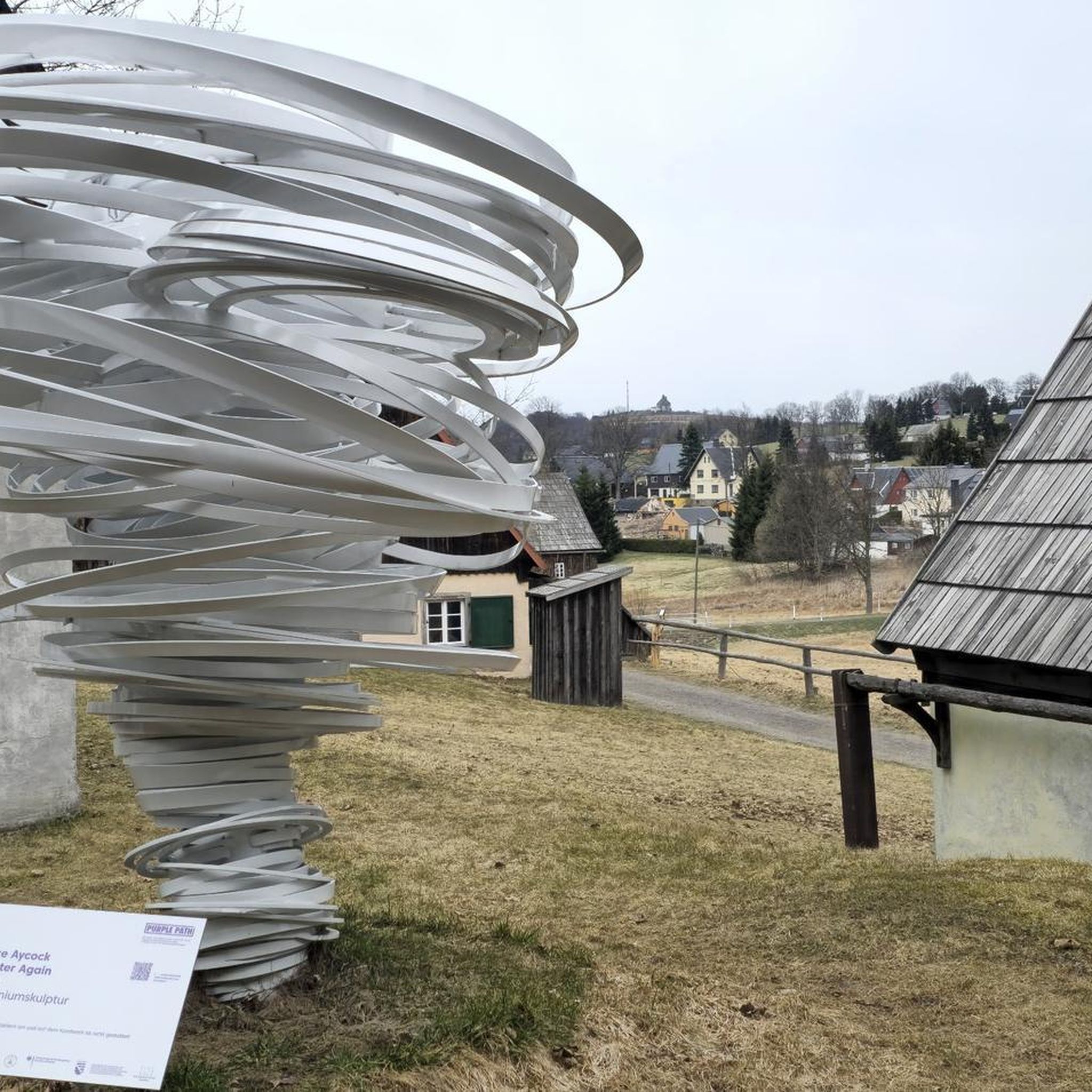
You walk past it unsuspectingly, until you suddenly see this giant: an eagle carved from a single, solid tree trunk, complete with outstretched wings. Not a small forest sculpture, but a true masterpiece. The best part? You can still see the round shape of the original tree trunk in the base. An unexpected eye-catcher.
4
0
Once a mighty fortress, now remains perched on a rocky ridge, with a round keep as a silent witness. In 1369, Brosse was set on fire, but generations returned to save the stones and preserve the ruins.
3
0

Sights: - Fortified Romanesque Benedictine Priory (14th century, Historic Monument) - Octagonal Baptismal Font (10th century) - Maison de l'Argentier (Historic Monument) - Church (Historic Monument) - Medieval Town Center - City Gate (14th century) - Belfry - Dolmen of Passebonneau
0
0

Located on a small height which offers a very extensive view of the valley, the castle is made up of two buildings at right angles with several turrets. With the exception of a few buttresses, the traces of fortifications still visible at the beginning of the 17th century have now disappeared.
0
0

Located on a small height which offers a very extensive view of the valley, the castle is made up of two buildings at right angles with several turrets. With the exception of a few buttresses, the traces of fortifications still visible at the beginning of the 17th century have today disappeared to make way for an imposing habitation.
0
0

All that remains of the medieval fortress today is the circular keep and its curtain wall from the 13th century and the towers either side.
2
0
This magnificent village sitting on a granite rock and overlooking the river and the valley of the wallet is in fact the residence of the Benedictine monks in the priory which adjoins the church of Saint Jean-Baptiste. With its ramparts and medieval streets, this village is a must see.
2
0

Very beautiful ruins of the old Brush castle. The site is private but almost all of the ruins are visible from the outside. The site has been listed since 2003 for their architectural and landscape qualities.
1
0
Frequently Asked Questions
What historical sites can I explore near Saint-Civran?
The area around Saint-Civran is rich in history. You can visit the impressive ruins of Brosse Castle, a former mighty fortress perched on a rocky ridge. Another notable site is Château de la Rochechevreux, which offers extensive valley views from its elevated position. Additionally, the medieval village of Saint-Benoît-du-Sault, designated as one of France's 'Most Beautiful Villages', provides a glimpse into the past with its unspoiled streets.
Are there any 'Most Beautiful Villages of France' near Saint-Civran?
Yes, Saint-Civran is close to two villages recognized among the 'Most Beautiful Villages of France'. Saint-Benoît-du-Sault, about 6 km away, is a medieval village perched on a rocky butte. Another beautiful village, Gargilesse-Dampierre, is located about 16 km from Saint-Civran and is known for its picturesque setting.
What natural attractions are there around Saint-Civran?
Saint-Civran is situated within the scenic Brenne Regional Natural Park, known for its tranquil landscapes of small lakes and fields. The commune is also drained by the Abloux and Chinan rivers. Additionally, the 'Vallée de l'Anglin et affluents' is a special conservation area featuring rich floristic communities, wet meadows, and limestone grasslands abundant in orchids.
Where can I find scenic views near Saint-Civran?
For picturesque vistas, head to the Viewpoint Saint-Benoît-du-Sault, which offers stunning views of the medieval village. The Château de la Rochechevreux also sits on a height providing extensive views of the surrounding valley.
What kind of outdoor activities can I do near Saint-Civran?
The region around Saint-Civran, particularly within the Brenne Regional Natural Park, is ideal for various outdoor activities. You can find numerous routes for cycling, road cycling, and running. For example, there are several cycling routes like the 'Argenton-sur-Creuse – The Old Bridge loop from Luzeret' or the 'Château de la Rochechevreux – Monthaud loop from Luzeret'. Running enthusiasts can explore trails such as the 'Priory Loop Trail' or the 'Running loop from Luzeret'. You can find more details on these activities and routes on the respective komoot guides for Running Trails, Road Cycling Routes, and Cycling around Saint-Civran.
Are there opportunities for cycling around Saint-Civran?
Absolutely. The Brenne Regional Natural Park, where Saint-Civran is located, is known for its quiet landscapes perfect for cycling. Komoot offers several cycling routes, including the 'La Breuille – Château La Motte loop from Luzeret' and the 'Ciron loop from Luzeret'. For road cycling, consider the 'Argenton-sur-Creuse – Gargilesse Castle loop from Luzeret'. Explore more options on the komoot guides for Cycling and Road Cycling Routes.
Are there family-friendly attractions in the Saint-Civran area?
Yes, the Viewpoint Saint-Benoît-du-Sault is considered family-friendly. Exploring the medieval village of Saint-Benoît-du-Sault itself, with its unspoiled streets, can also be an enjoyable activity for families. The natural landscapes of the Brenne Regional Natural Park offer gentle walks and opportunities for children to explore nature.
Are there any unique or unexpected sights to discover near Saint-Civran?
Yes, you might stumble upon the Eagle Sculpture, a giant eagle carved from a single, solid tree trunk with outstretched wings. It's an unexpected and impressive masterpiece that makes for a memorable discovery.
What is the best time of year to visit Saint-Civran attractions?
The Centre-Val de Loire region generally enjoys pleasant weather from spring to early autumn. Visiting during late spring (May-June) or early autumn (September-October) often provides comfortable temperatures for exploring historical sites and engaging in outdoor activities like cycling and walking, while avoiding the peak summer heat and crowds.
What cultural sites are available beyond castles and villages?
Beyond the castles and picturesque villages, you can delve into the region's past at the Argentomagus Archeological Museum, located in the vicinity of Argenton-sur-Creuse. This museum offers insights into the area's rich history and cultural heritage.
What do visitors enjoy most about the attractions around Saint-Civran?
Visitors particularly appreciate the extensive valley views from places like Château de la Rochechevreux and the picturesque scenery from the Viewpoint Saint-Benoît-du-Sault. The historical significance of sites like Brosse Castle, with its visible keep and curtain wall, also captivates many. The overall tranquility and natural beauty of the Brenne Regional Natural Park are frequently highlighted.
Most popular routes around Saint-Civran

Get inspired with the komoot mobile app


Explore more
Still not found the Highlight you’re looking for? See guides of the top attractions in other regions:
