Attractions and Places To See around Lurais - Top 17
Attractions and places to see around Lurais include a mix of historical sites, natural landscapes, and recreational opportunities. The commune is situated in the Indre department of France, offering access to the scenic Anglin Valley and the nearby Brenne Regional Natural Park. The area features medieval villages, castles, and significant cultural landmarks, providing diverse points of interest for exploration.
Best attractions and places to see around Lurais
- The most popular attractions is Angles-sur-l'Anglin Castle and the Roc-aux-Sorciers, a castle that is part of a village classified among France's "Most Beautiful Villages." This site features the ruins of an 11th-century fortified castle and the Roc-aux-Sorciers, a prehistoric site with rock sculptures dating back 15,000 years.
- Another must-see spot is Viaduc du Blanc, a bridge and man-made monument. This impressive 19th-century railway structure offers panoramic views of the surrounding countryside and the Creuse River.
- Visitors also love Naillac Castle, a historical fortress that has served various purposes over centuries. It now houses the Brenne Ecomuseum and features 12th-century donjons and remnants of prisoners' graffiti.
- Lurais is known for its historical castles, scenic river valleys, and natural parks. The region offers a variety of attractions to see and explore, from medieval architecture to expansive natural reserves.
- The attractions around Lurais are appreciated by the komoot community, with over 40 upvotes and more than 10 photos shared by visitors.
Last updated: May 21, 2026
Angles-sur-l'Anglin Castle and the Roc-aux-Sorciers
Highlight • Castle
Translated by Google •
Tip by

Viaduc du Blanc
Highlight (Segment) • Bridge
Translated by Google •
Tip by

Sign up now to discover places like this
Get recommendations on the best single tracks, peaks, & plenty of other exciting outdoor places.
Sign up for free
Medieval castle
Highlight • Other
History and Architecture
Origins: The castle was built in the 11th century by the family of the Lords of Angles. It was enlarged and modified over the following centuries, particularly in the 14th and 15th centuries, to reflect developments in medieval architecture.
Structure: The fortress is made up of several remarkable elements:
The Ramparts: The castle is surrounded by imposing ramparts, some of which are still well preserved. These walls provided a strategic defense against invaders.
The Tower: A large main tower, or keep, stands on the site, offering panoramic views of the Anglin Valley and the surrounding area.
Residential Buildings: The buildings adjacent to the tower were used as stately apartments and for various domestic functions.
Translated by Google •
Tip by

Naillac Castle
Highlight • Other
Translated by Google •
Tip by
Cycling Path on Former Railway in Parc naturel régional de la Brenne
Highlight (Segment) • Cycleway
Tip by

Sign up for free to discover even more attractions around Lurais.
Sign up for free
Already have an account?
Start today with a free account
Your next adventure awaits.
Login or Signup


Tips from the Community

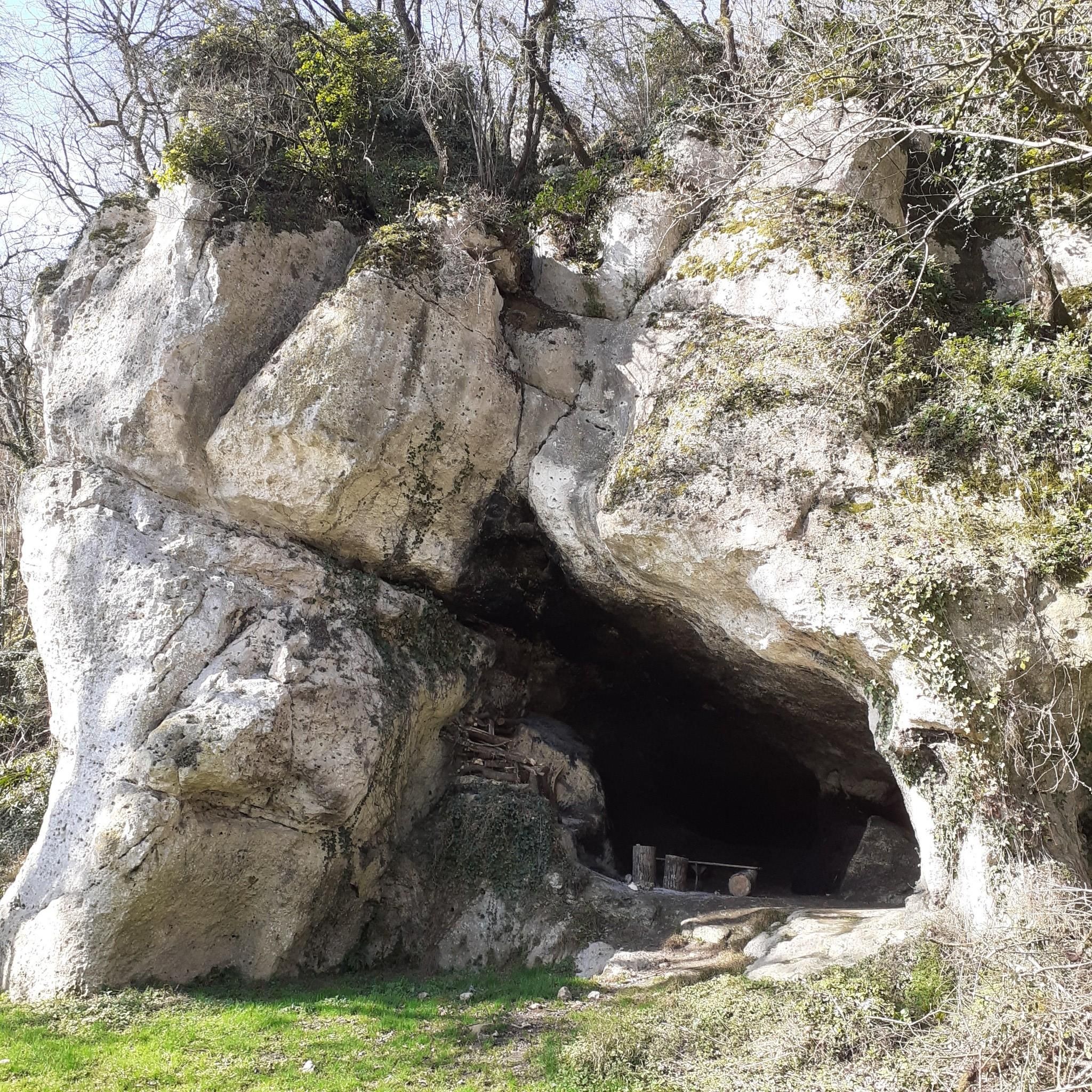
Hike up to the old Château-Naillac with its twin 12th-century donjons—towers without buttresses—standing just above the Creuse River. Inside, you'll find remnants of prisoners' graffiti, a hall with a magnificent Romanesque fireplace, and a model showing what the castle once looked like.
2
0
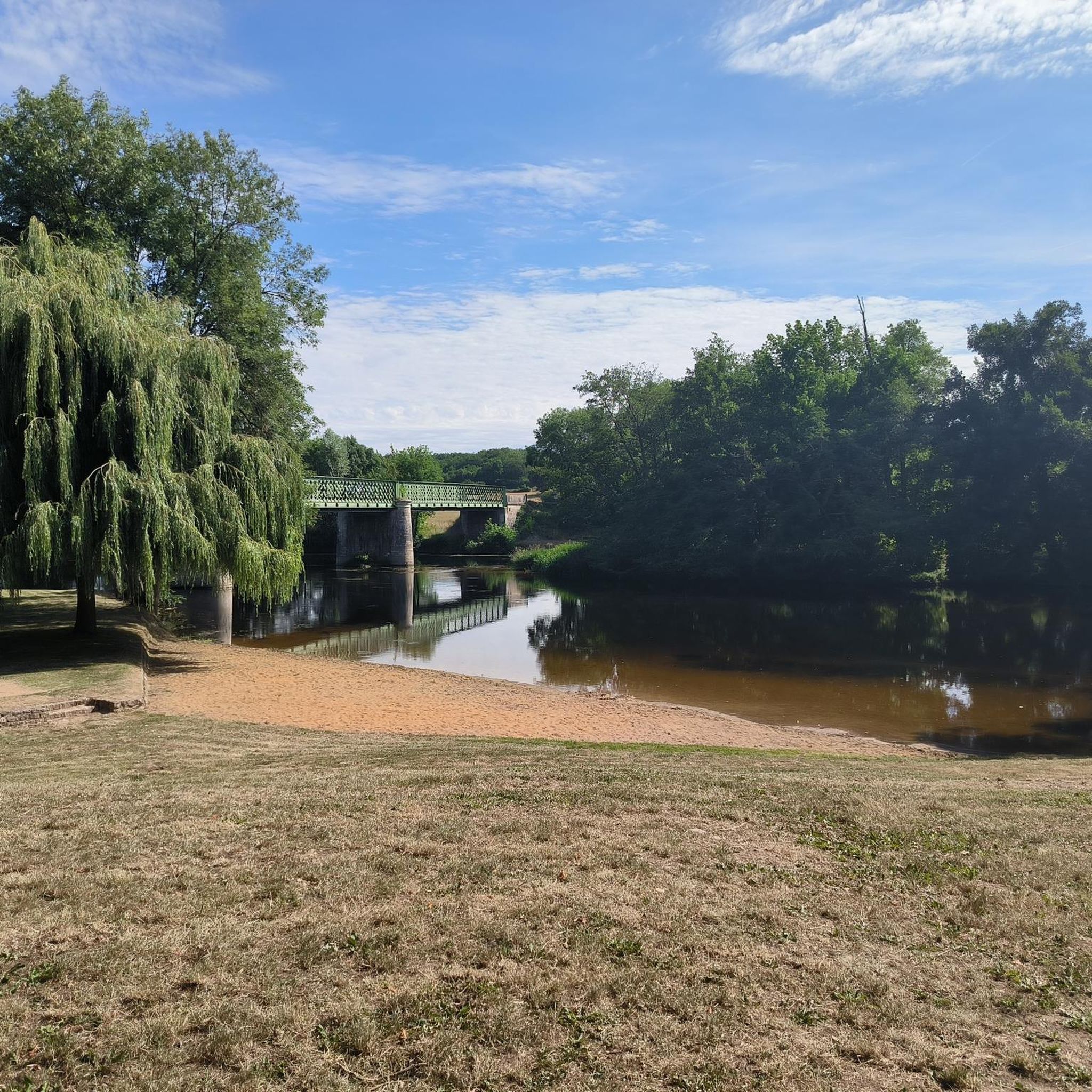
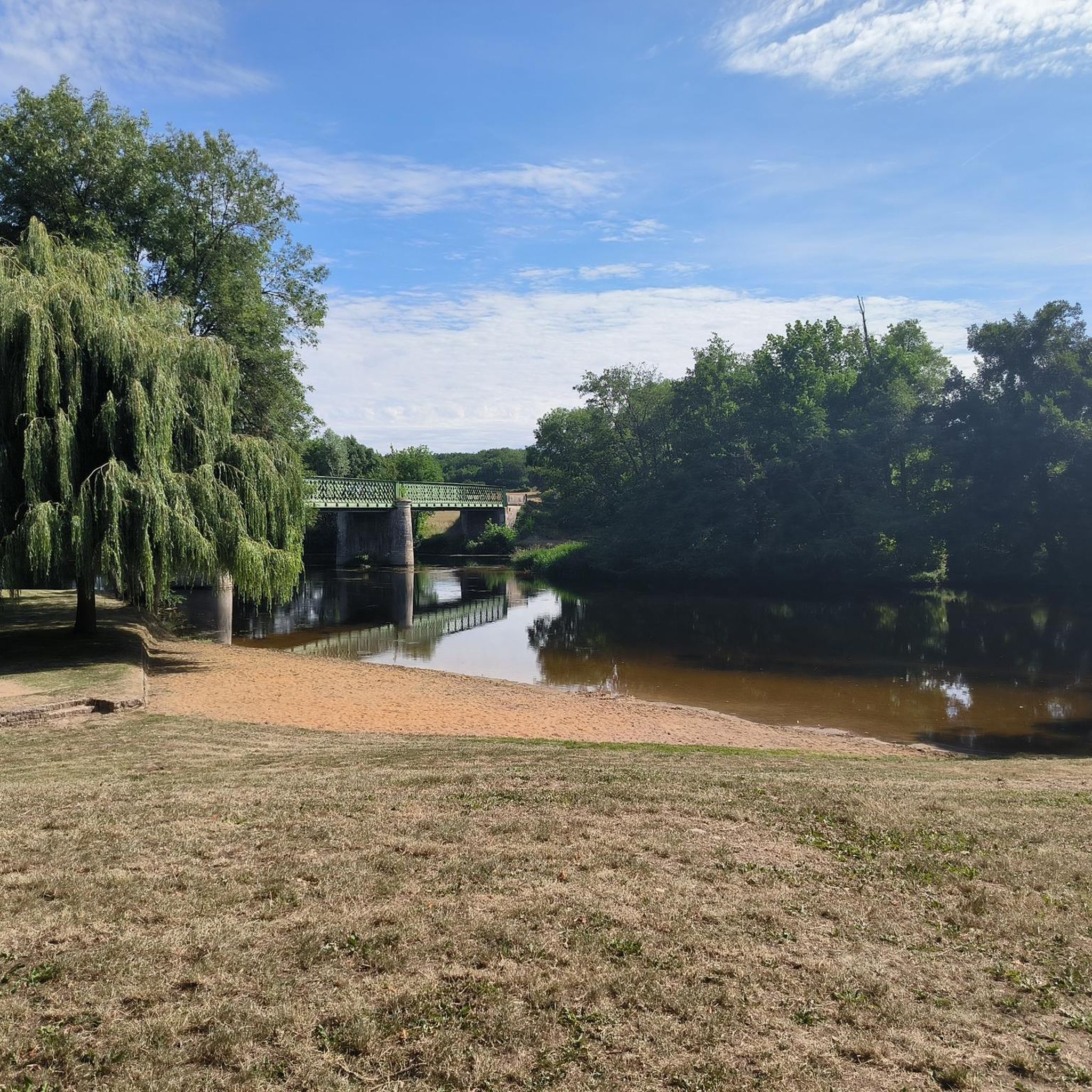
This impressive viaduct over the Creuse River looks like an ordinary old railway structure, but the stories behind it make it special. It was built in the late 19th century for a railway line that was never fully completed, earning it the nickname "the ghost train line." During World War II, the Germans used the bridge as an observation post, and after the war, it fell into complete disrepair. In the 1980s, it was even threatened with demolition, until bungee jumpers discovered the viaduct and revived it. Today, you can walk across it with stunning views of the valley, and be aware that bats have found refuge under the arches.
2
0

The Viaduc du Blanc is a remarkable work of art located in the commune of Le Blanc, although the Creuse is often associated with this type of structure, this specific viaduct crosses the Indre region, in the Centre-Val de Loire region. This viaduct is an emblematic work of 19th century railway architecture in France. Points of Interest: Architecture and Construction: Railway Structure: Built at the end of the 19th century, the Viaduc du Blanc is one of the major railway infrastructures of the time. It was designed to allow trains to pass over the Creuse Valley, a river that crosses this picturesque region. Imposing Structure: The viaduct is distinguished by its stone arches, which extend over several hundred meters. The height and length of the structure testify to the technical and aesthetic ambition of its designers. With its multiple elegant arches, it blends harmoniously into the surrounding natural landscape while asserting its imposing presence. Why visit the Viaduc du Blanc? Engineering Masterpiece: The Viaduc du Blanc is an impressive example of 19th century railway architecture, combining technique and aesthetics in a monumental work. Breathtaking Landscapes: Located in an exceptional natural setting, the viaduct offers panoramic views of the Creuse Valley, ideal for nature and photography enthusiasts. Industrial Heritage: This viaduct is an important witness to French industrial heritage, allowing a better understanding of the history of infrastructure and rail transport in France. In short, the Viaduc du Blanc is a must-see destination for those interested in architecture, industrial history, and spectacular natural landscapes. It is a place that perfectly combines human technology and natural beauty.
1
0
Angles-sur-l'Anglin is a charming medieval village located in the Vienne department of Nouvelle-Aquitaine, classified among the "Most Beautiful Villages of France." Dominated by the imposing ruins of its 11th century fortified castle, the village overlooks the Anglin River, offering picturesque views. Angles-sur-l'Anglin is also renowned for its historical heritage, including the Roc-aux-Sorciers, a prehistoric site decorated with rock sculptures dating back 15,000 years. Its cobbled streets, old houses, and bucolic landscapes make this village a unique place for walking and discovery. Visiting Angles-sur-l'Anglin offers a unique experience combining history, heritage, and nature. This medieval village, classified among the "Most Beautiful Villages of France," seduces with its picturesque charm with its cobbled streets, old houses, and abundant flowers. The majestic ruins of the 11th century fortified castle overlook the Anglin River, offering breathtaking panoramas. The prehistoric site of Roc-aux-Sorciers, famous for its rock sculptures, allows a fascinating dive into parietal art. In addition, the surrounding bucolic landscapes are perfect for hiking and outdoor activities.
1
0
Historical Significance Medieval Context: The castle played an important role in the region during the medieval period, serving as a military stronghold and a stately home. It is a testament to the power and wealth of its occupants. Decline: The castle suffered damage during wars and conflicts, particularly during the Hundred Years' War and the Wars of Religion, which contributed to its gradual decline. Visitation and Conservation Accessibility: The castle is open to the public, and tours allow visitors to explore the remains of the fortress, learn about its history, and enjoy panoramic views from its towers. Conservation: Conservation efforts are underway to preserve the remaining structures and make the site accessible while respecting its historical integrity. Environment Landscape: The castle is set in a beautiful natural setting, with lush green countryside and the River Anglin below. The surrounding area is ideal for walks and hikes, offering picturesque views and a tranquil environment. Cultural Events Entertainment: The castle sometimes hosts medieval events, historical reenactments, and cultural activities, allowing visitors to live immersive experiences linked to the history of the site. The Château d’Angles-sur-l’Anglin is thus a site of great historical and cultural wealth, offering visitors a fascinating dive into the medieval era while offering exceptional panoramas of the Anglin valley.
1
0
The Château d’Angles-sur-l’Anglin is an impressive medieval castle located in the village of Angles-sur-l'Anglin, in the Vienne department, in the Nouvelle-Aquitaine region. Perched on a rocky spur overlooking the Anglin Valley, the castle offers spectacular views of the surrounding area and is a fascinating historical site. History and Architecture Origins: The castle was built in the 11th century by the family of the Lords of Angles. It was enlarged and modified over the following centuries, particularly in the 14th and 15th centuries, to reflect developments in medieval architecture. Structure: The fortress is made up of several remarkable elements: The Ramparts: The castle is surrounded by imposing ramparts, some of which are still well preserved. These walls provided a strategic defense against invaders. The Tower: A large main tower, or keep, stands on the site, offering panoramic views of the Anglin Valley and the surrounding area. Residential Buildings: The buildings adjacent to the tower were used as stately apartments and for various domestic functions.
2
0

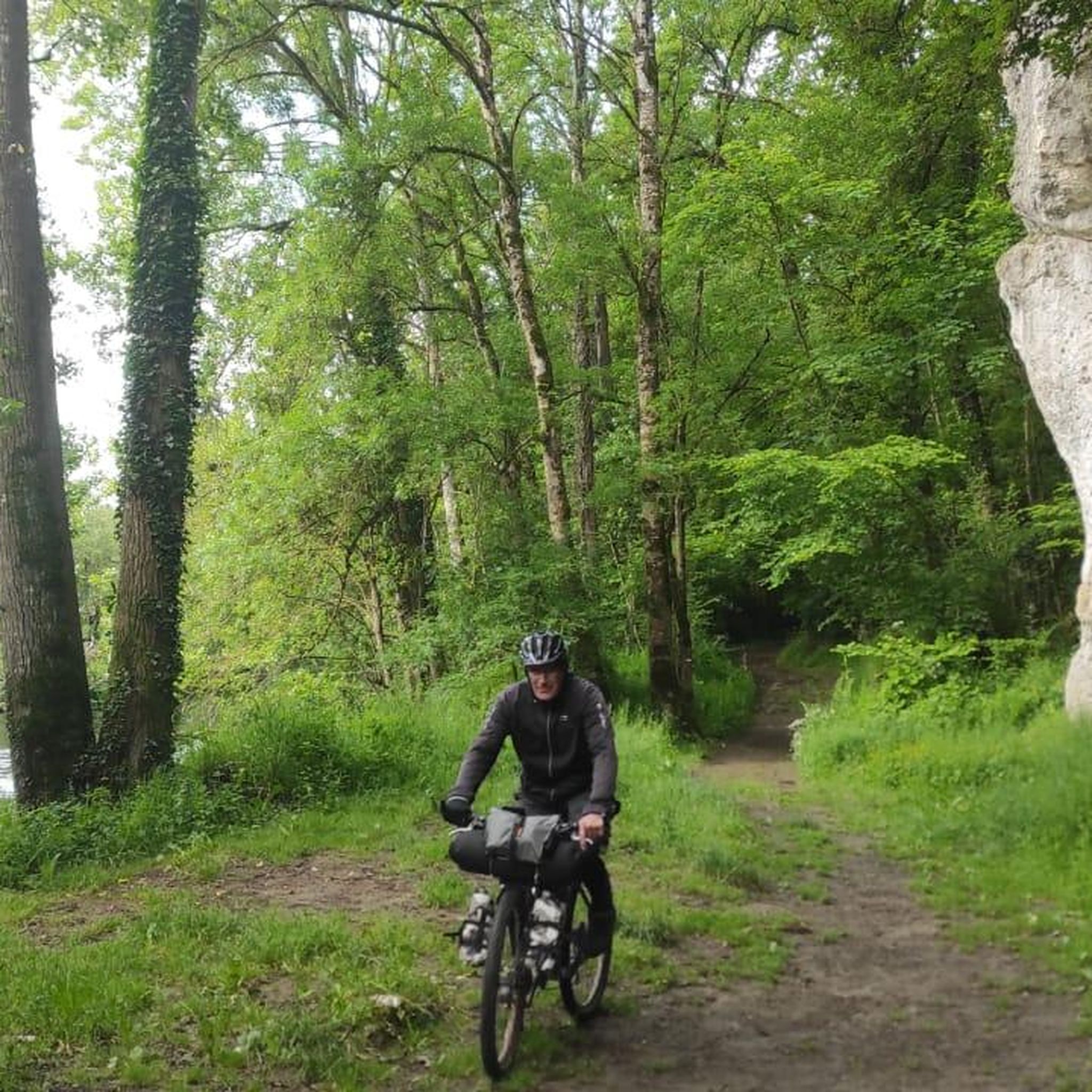
The Green line is an old railroad track now paved and dedicated for cycling. It runs very straight and even from Argenton-sur-Creuse to Le Blanc. A nice bridge crosses the river Creuse in Saint-Gaultier and another much higher one in Le Blanc. Along the track you can see the old stations and other railway buildings. Every now and then you have to cross a street, so it is not like a race track - still you can make good speed and progress. Most parts run in the shade.
0
0

Château Naillac is a heterogeneous castle which has known several uses over the centuries. From the 12th century it was a fortress but much later, in the 18th century, it became a prison. It then became a school and now houses the Brenne Ecomuseum.
3
0
Frequently Asked Questions
What historical sites can I visit around Lurais?
The region around Lurais is rich in history. You can explore the ruins of the 11th-century fortified castle at Angles-sur-l'Anglin Castle and the Roc-aux-Sorciers, a village classified among France's "Most Beautiful Villages." Another significant site is Naillac Castle, a historical fortress that now houses the Brenne Ecomuseum. Further afield, the UNESCO World Heritage site of the Abbey of Saint-Savin-sur-Gartempe, renowned for its Romanesque murals, is about 17 km away.
Are there any natural parks or scenic areas near Lurais?
Yes, the Anglin Valley itself offers scenic landscapes, and the Brenne Regional Natural Park is located about 21 km east of Lurais. This expansive natural park is known for its biodiversity, featuring numerous ponds, forests, and wetlands, making it an excellent spot for nature observation and outdoor activities.
What outdoor activities are available in the Lurais area?
The region is ideal for outdoor enthusiasts. You can enjoy hiking and cycling, with many trails winding through the scenic landscapes. The rivers Creuse and Anglin also provide excellent spots for fishing. For specific routes, consider exploring the gravel biking or running trails available in the area.
Are there family-friendly attractions or activities around Lurais?
Families can enjoy exploring the charming medieval village of Angles-sur-l'Anglin, which offers picturesque views and historical interest. The Cycling Path on Former Railway in Parc naturel régional de la Brenne is also a great option for a family-friendly bike ride, as it's paved and mostly shaded.
Where can I find good viewpoints near Lurais?
For panoramic views, visit the Viaduc du Blanc, an impressive 19th-century railway structure that offers stunning vistas of the surrounding countryside and the Creuse River. The village of Ingrandes also provides beautiful views from its bridge over the Anglin river, overlooking the village and its castle.
What kind of castles can I explore near Lurais?
You can visit the ruins of the 11th-century fortified castle at Angles-sur-l'Anglin. Another notable fortress is Naillac Castle, featuring 12th-century donjons and remnants of prisoners' graffiti. The private Château de Montenaut and the Château de Lurais also add to the region's historical charm.
Can I go cycling around Lurais?
Absolutely! The area around Lurais is excellent for cycling. You can ride on the Cycling Path on Former Railway in Parc naturel régional de la Brenne, which is a paved greenway. There are also numerous road cycling routes and gravel biking routes that allow you to explore the countryside and nearby villages.
Is Lurais a good base for hiking?
Yes, Lurais serves as a good starting point for hiking. The Anglin Valley and the nearby Brenne Regional Natural Park offer various trails. You can find several running and walking trails, including moderate options like the "Land of the Sarcophagi Trail" or the "Château de la Conté loop from Lurais."
What is the best time of year to visit Lurais for outdoor activities?
The spring and autumn months generally offer pleasant weather for outdoor activities like hiking and cycling, with milder temperatures and beautiful natural scenery. Summer can also be enjoyable, though it can be warmer, making shaded routes or early morning activities preferable.
Are there any charming villages to visit nearby?
Just 5 km from Lurais, Angles-sur-l'Anglin is recognized as one of France's "Most Beautiful Villages," featuring a picturesque setting along the river and a castle. The village of Ingrandes, located in the Brenne Regional Natural Park, is another charming settlement with a superb castle view from its bridge.
What local markets can I visit near Lurais?
To experience local life and find regional produce, you can visit nearby town markets. Le Blanc hosts a market on Saturdays, La Roche-Posay on Tuesdays and Fridays, and Montmorillon on Wednesdays.
Are there any dog-friendly walks around Lurais?
Many of the natural trails and greenways in the Anglin Valley and Brenne Regional Natural Park are suitable for walks with dogs, provided they are kept on a leash. Always check local regulations for specific areas within the natural park.

Get inspired with the komoot mobile app


Explore more
Still not found the Highlight you’re looking for? See guides of the top attractions in other regions:
