The best road cycling routes around Biville
4.1
(70)
2,086
riders
136
rides
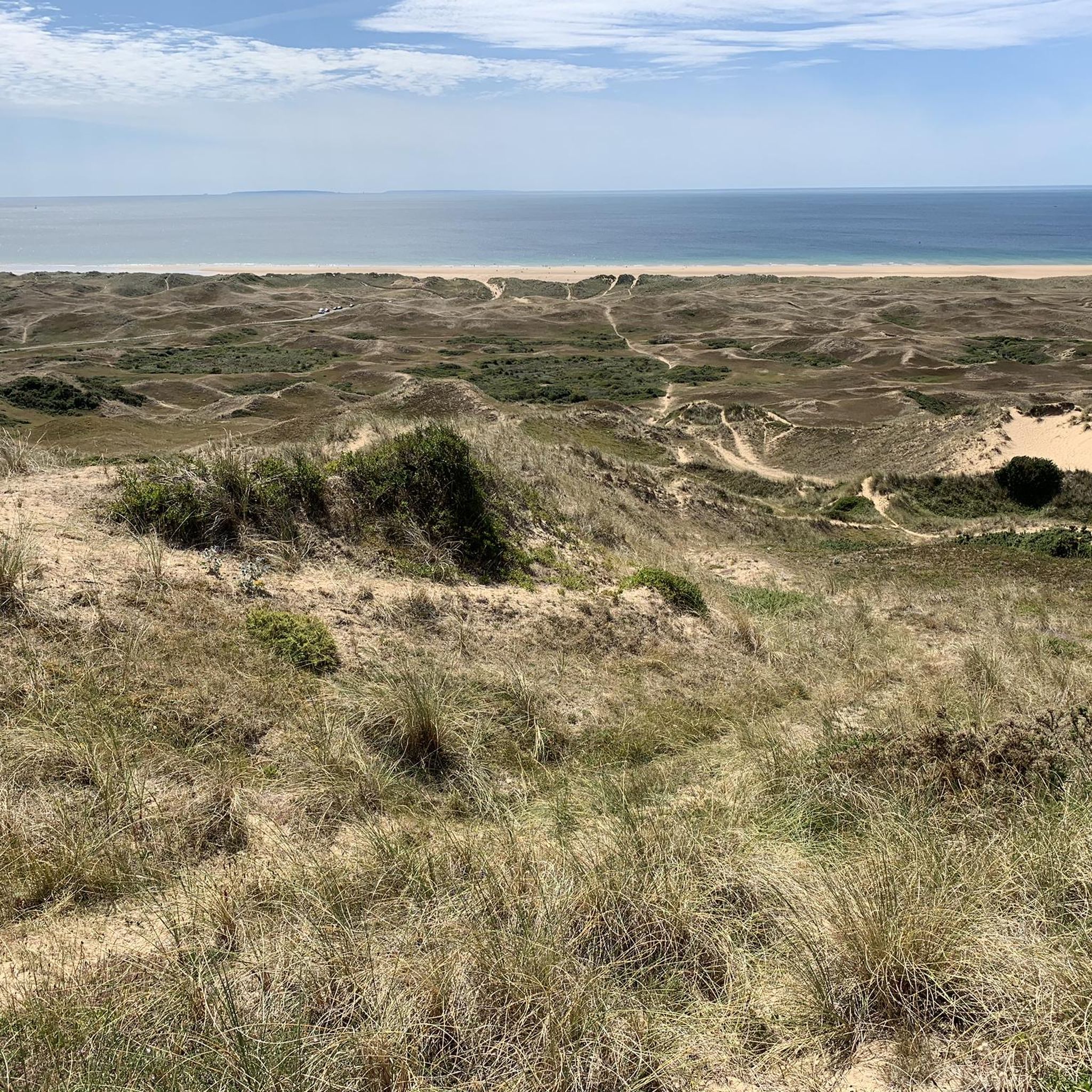
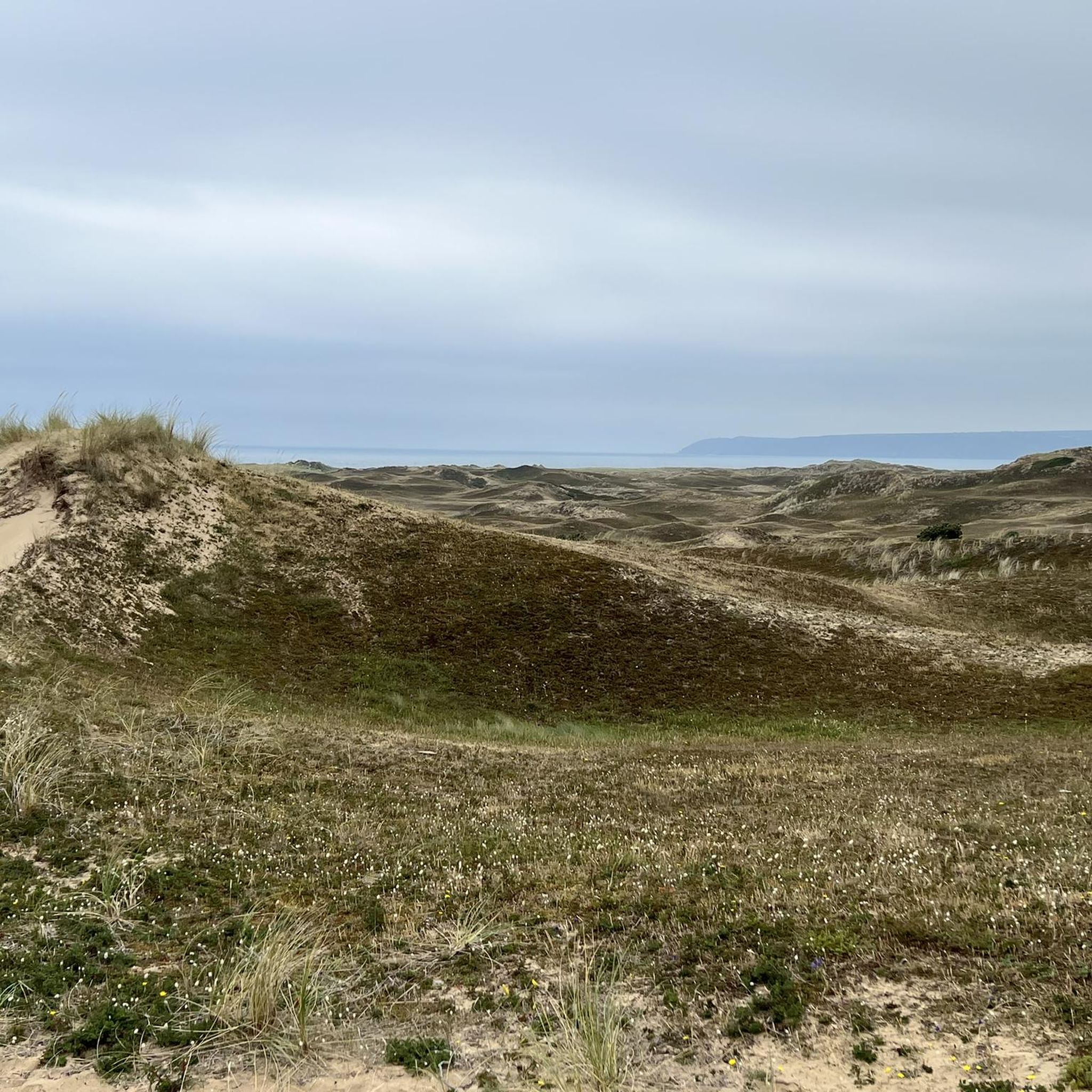
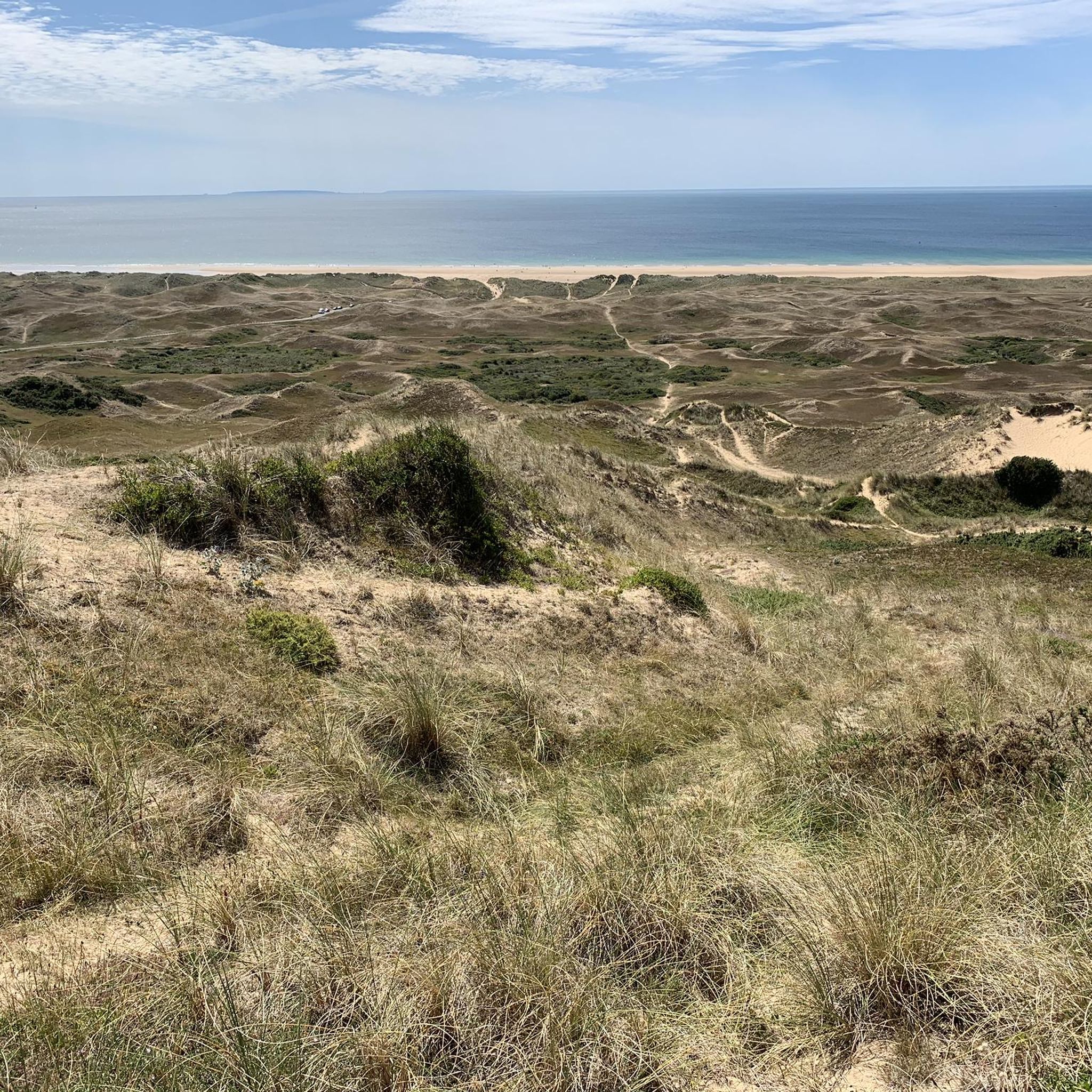
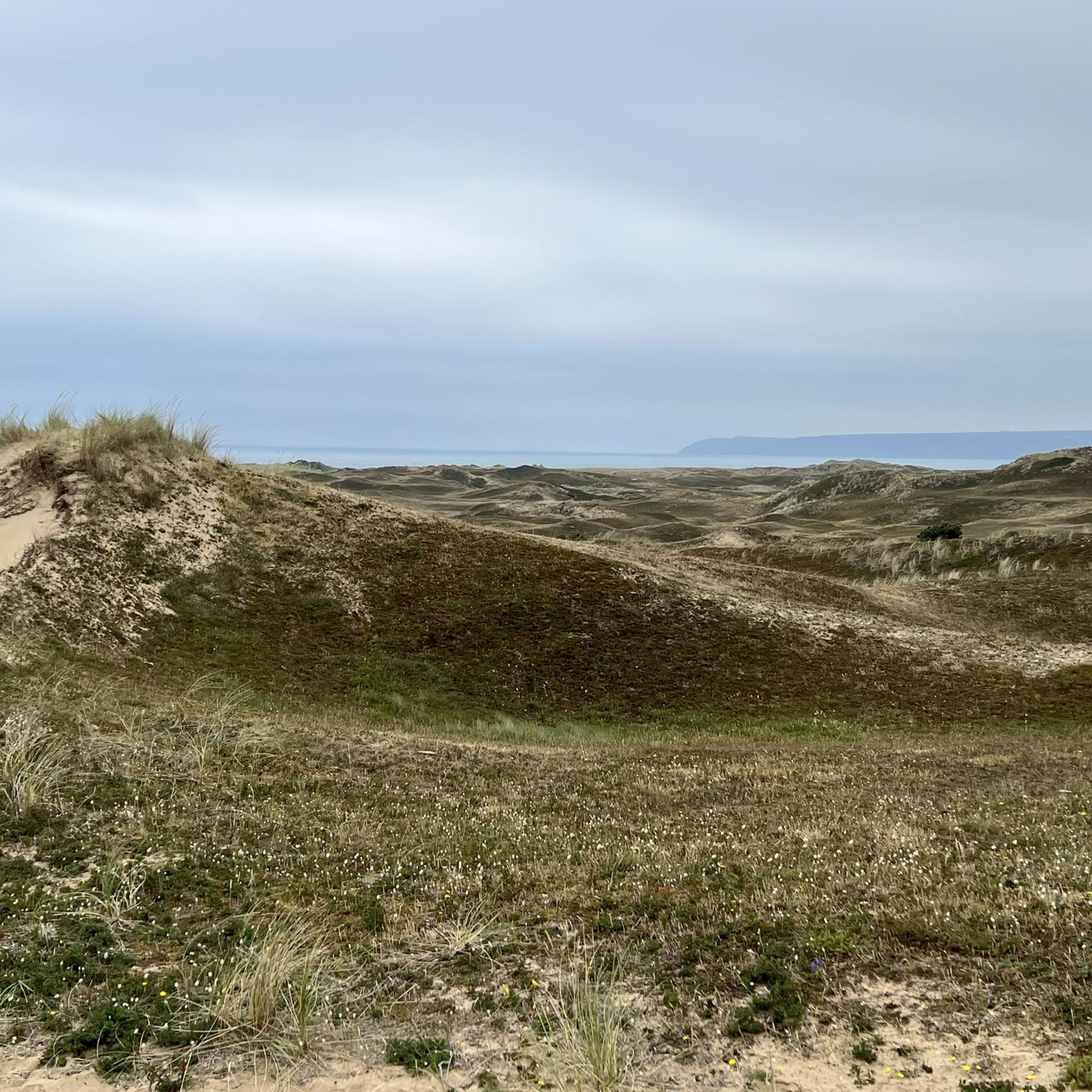
Road cycling routes around Biville offer a diverse landscape on the Cotentin Peninsula in Normandy, France. The region features dramatic coastal scenery, including the extensive Dunes de Biville and the rugged Cap de la Hague, often referred to as "Little Ireland." Cyclists can expect a mix of rolling hills and challenging ascents on mostly paved, low-traffic country roads, providing varied terrain for exploration. The area's natural features, such as cliffs and moorland-covered plateaus, contribute to a visually engaging cycling experience.
…Last updated: August 23, 2026
4.5
(2)
55
riders
101km
04:14
780m
780m
Moderate road ride. Good fitness required. Mostly well-paved surfaces and easy to ride.
19
riders
49.4km
02:17
560m
560m
Moderate road ride. Good fitness required. Mostly well-paved surfaces and easy to ride.

Sign up for free
4.0
(1)
10
riders
Moderate road ride. Good fitness required. Some segments of this route may be unpaved and difficult to ride.
8
riders
Moderate road ride. Good fitness required. Mostly well-paved surfaces and easy to ride.
7
riders
40.9km
01:54
500m
500m
Moderate road ride. Good fitness required. Mostly well-paved surfaces and easy to ride.
Get access to more routes and recommendations from other explorers.
Sign up for free
Already have an account?
Our route recommendations are based on thousands of hikes, rides, and runs completed by other people on komoot.
Start today with a free account
Your next adventure awaits.
Login or Signup

Tips from the Community

Beautiful 15th-century church building in Gothic style with noteworthy windows and decorations
0
0

The hike is beautiful and safe. Except for one major drawback: if you have a dog, be careful because there are several farm properties with dogs running free!! There is a waterfall at the end of the hike.
1
0


The statue is already visible from afar.
1
0

Quiet road in Chateau du Rozel, ideal for cycling
0
0

Diélette is a small Norman port located a few kilometers from Flamanville. It's a striking contrast between the daunting concrete of the nuclear power plants and this little corner of the sea where you can sail with small sailboats.
0
0
Magnificent tour. Not to be missed. Battery well charged. We loved it.
0
0

The old granite harbor is the heart of Barfleur and is still used by small fishing boats.
6
0
Frequently Asked Questions
How many road cycling routes are available around Biville?
The Biville area offers a wide selection of road cycling routes, with over 130 different tours available. These routes cater to various skill levels, from moderate to challenging, allowing cyclists to explore the diverse landscapes of the Cap de la Hague region.
What kind of terrain can I expect on road cycling routes around Biville?
Road cycling around Biville features a diverse and engaging terrain. You'll encounter dramatic coastal landscapes, including views of the extensive Dunes de Biville and the rugged Cap de la Hague. The routes often involve rolling hills and significant elevation changes on mostly paved, low-traffic country roads, providing both scenic beauty and a good workout.
Are there challenging road cycling routes in the Biville area?
Yes, Biville and the surrounding Cap de la Hague region offer challenging road cycling routes. For instance, the Vauville - Le Thot – Panorama des Treize Vents loop from Biville features over 630 meters of elevation gain, requiring good fitness. The area's 'Little Ireland' nickname hints at its untamed landscapes and varied terrain, including steep ascents and descents.
Can I find long-distance road cycling routes starting from Biville?
Yes, the region provides options for longer rides. For example, the Anse du Brick – Place Napoléon in Cherbourg loop from Flottemanville-Hague is a substantial route covering nearly 90 kilometers with over 800 meters of elevation gain, offering an extended exploration of the Cotentin Peninsula.
What are some scenic viewpoints or natural attractions I can see while road cycling in Biville?
The Biville area is rich in natural beauty. While cycling, you can enjoy panoramic views of the coastline and the Anse de Vauville, especially near the Biville Dunes. Other notable natural features include the dramatic cliffs of Nez de Jobourg and the serene Vauville Pond Nature Reserve, visible from certain routes.
Are there historical landmarks or cultural sites accessible by road bike near Biville?
Absolutely. Beyond natural sights, you can cycle past historical and cultural points of interest. The Manoir du Dur-Écu and Château de Flamanville are examples of castles in the vicinity. The historic Saint-Pierre de Biville Church, a place of pilgrimage, is also nearby, offering a glimpse into local heritage.
What do other cyclists say about road cycling in Biville?
The road cycling routes around Biville are highly regarded by the komoot community, holding an average rating of 4.0 stars from over 50 reviews. Cyclists often praise the dramatic coastal landscapes, the variety of terrain, and the generally low-traffic country roads that make for an enjoyable and scenic experience.
Are there circular road cycling routes available around Biville?
Yes, many of the road cycling routes in the Biville region are designed as loops, allowing you to start and finish at the same point. Examples include the Quai de Caligny (Outer Harbor) – Place Napoléon in Cherbourg loop from Flottemanville-Hague and the View of Siouville – Maison des Frères Frémine loop from Siouville-Hague, which offer diverse scenery and return to your starting location.
What is the best time of year for road cycling in Biville?
The spring and summer months generally offer the most favorable weather conditions for road cycling in Biville, with milder temperatures and longer daylight hours. However, the coastal climate can be unpredictable, so it's always wise to check the local forecast before heading out.
Are there any easy or beginner-friendly road cycling routes in Biville?
While many routes feature rolling hills, there are options suitable for beginners or those seeking a less strenuous ride. The region's 'small country roads' are often characterized by very light vehicle traffic, making them generally safe and pleasant for discovering the typical villages and enjoying the tranquility of the region at a more relaxed pace. There are 20 easy routes available in the area.
Can I find cafes or places to stop along road cycling routes in Biville?
The charming villages scattered throughout the Cap de la Hague region offer opportunities to stop for refreshments. While specific cafes on every route aren't listed, the presence of typical French villages along the 'small country roads' suggests you'll find local establishments to pause and refuel during your ride.
What makes the Cap de la Hague region unique for road cycling?
The Cap de la Hague, often called 'Little Ireland,' stands out for its untamed landscapes, dramatic cliffs, and moorland-covered plateaus. This unique blend, combined with a network of low-traffic, mostly paved country roads, provides a varied and visually rewarding cycling experience that sets it apart from other regions.
Most popular attractions around Biville

Get inspired with the komoot mobile app


Explore more
Browse the best Road cycling routes in other regions.
