The best road cycling routes around Teurthéville-Hague
4.4
(117)
3,849
riders
432
rides
Road cycling routes around Teurthéville-Hague are set within the diverse landscapes of the La Hague region in Normandy, France. The area is characterized by a rich geological history, offering varied terrain that includes green bocage, wild marshes, and an unspoiled coastline. Cyclists encounter a mix of flat sections, rolling hills, and challenging climbs, particularly near the coast and in areas with ancient geological formations. This provides a range of road cycling experiences across its varied topography.
Best road cycling routes around Teurthéville-Hague
- The most popular road cycling route is Vasteville Church – Climb to Les Pieux (Part 1) loop from Acqueville, a 37.7 miles (60.7 km) trail that takes 2 hours 49 minutes to complete. This moderate route features a notable climb and passes through rural landscapes.
- Another top favourite among local road cyclists is Ravalets Castle – Caligny Quay (Outer Harbor) loop from Acqueville, a moderate 27.2 miles (43.8 km) path. This route offers views of coastal features and historic landmarks.
- Local road cyclists also love the Manoir du Dur-Écu – Landemer cliffs loop from Acqueville, a 34.7 miles (55.9 km) trail leading through coastal areas and past cliffs, often completed in about 2 hours 29 minutes.
- Road cycling around Teurthéville-Hague is defined by coastal paths, heathlands, and challenging climbs. The network offers options for different ability levels, from moderate rides to more demanding cyclosport circuits.
- The routes in Teurthéville-Hague are highly rated by the komoot community with an average score of 4.3 stars from more than 160 reviews. More than 5,900 road cyclists have used komoot to explore Teurthéville-Hague's varied terrain.
Last updated: May 24, 2026
6
riders
43.8km
01:57
430m
430m
Moderate road ride. Good fitness required. Mostly well-paved surfaces and easy to ride.
7
riders
59.4km
02:45
690m
690m
Moderate road ride. Good fitness required. Mostly well-paved surfaces and easy to ride.

Sign up for free
8
riders
39.7km
01:50
470m
470m
Moderate road ride. Good fitness required. Mostly well-paved surfaces and easy to ride.
4.0
(2)
4
riders
24.2km
01:05
250m
250m
Easy road ride. Great for any fitness level. Mostly well-paved surfaces and easy to ride.
4
riders
27.9km
01:20
350m
350m
Moderate road ride. Good fitness required. Mostly well-paved surfaces and easy to ride.
Get access to more routes and recommendations from other explorers.
Sign up for free
Already have an account?
Our route recommendations are based on thousands of hikes, rides, and runs completed by other people on komoot.
Start today with a free account
Your next adventure awaits.
Login or Signup
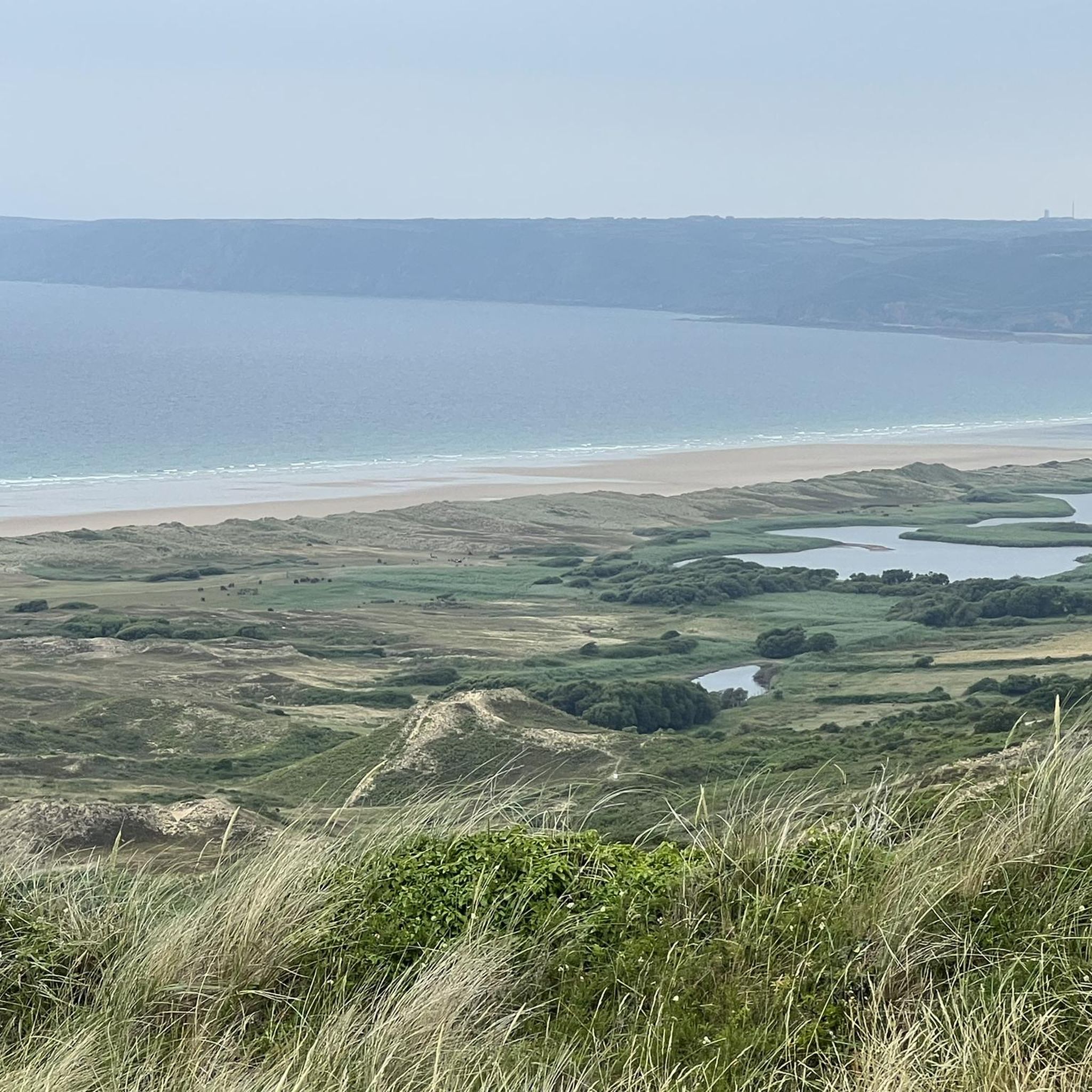
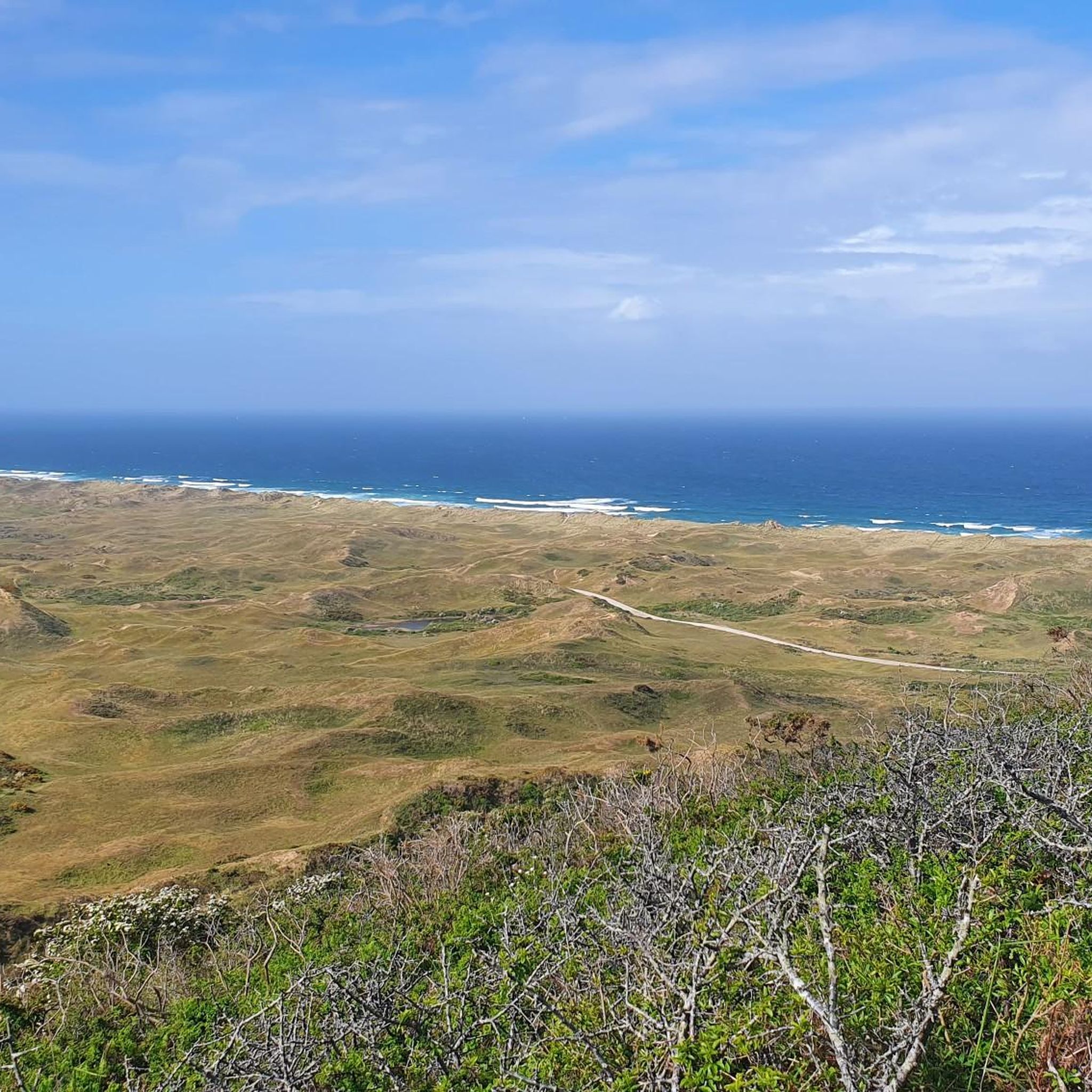

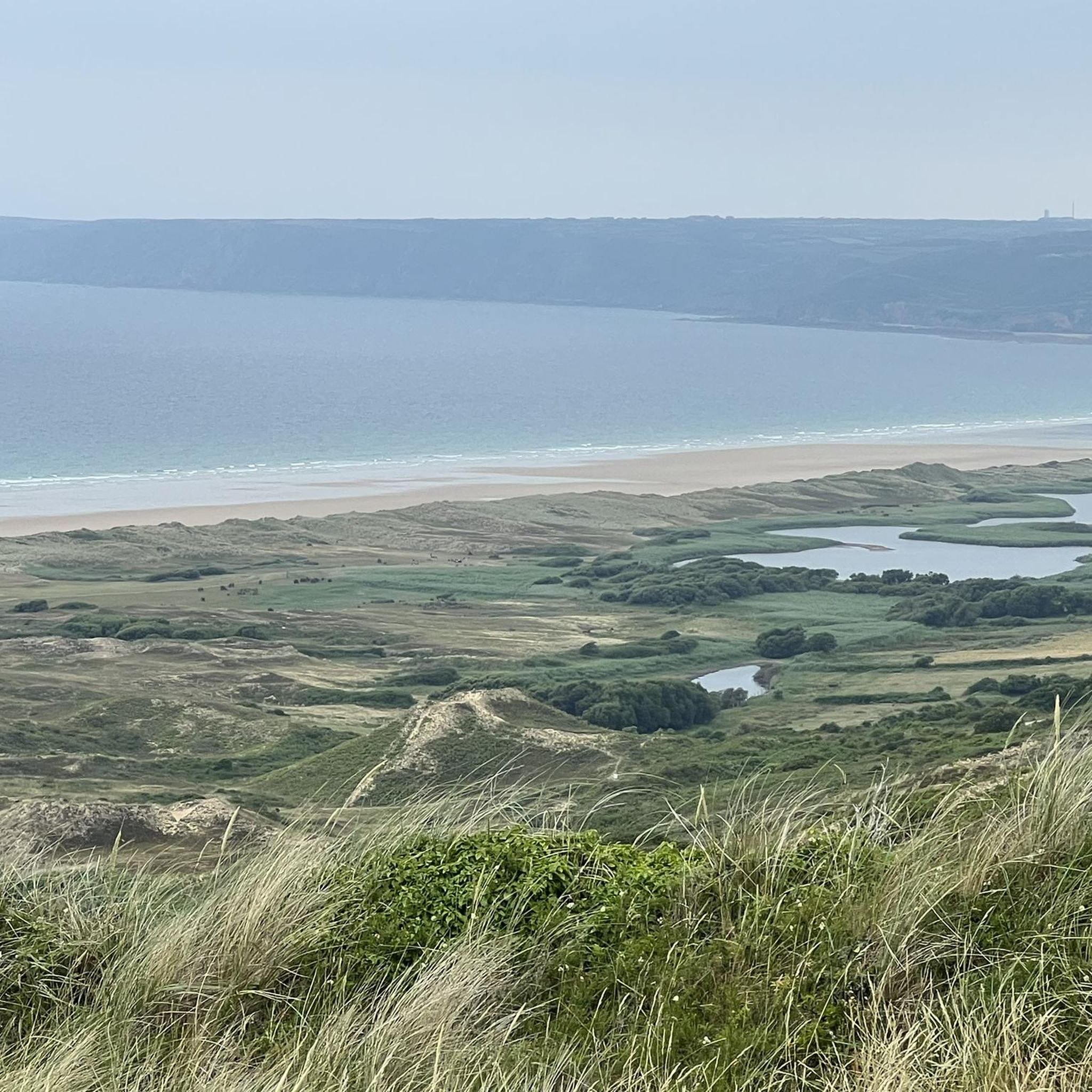
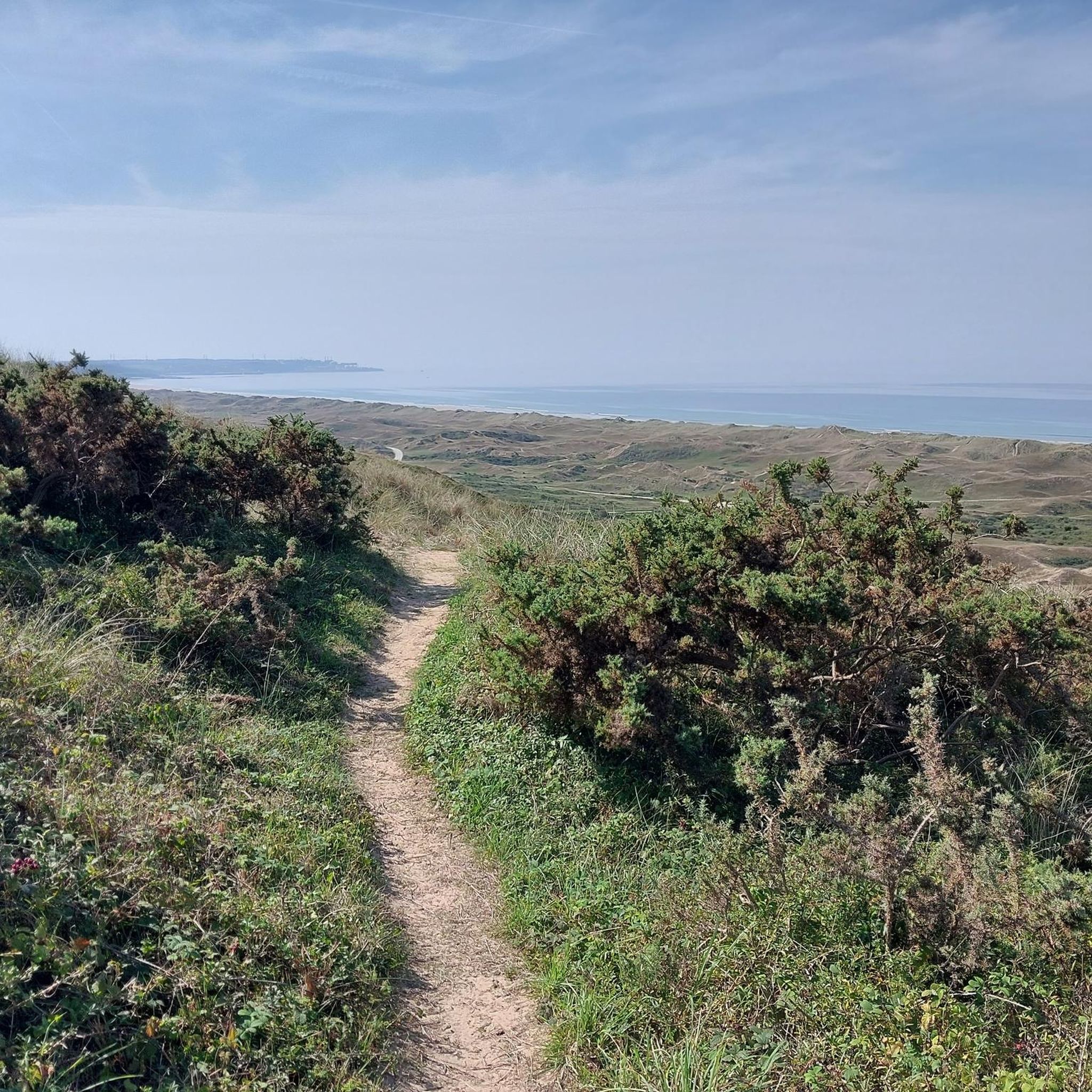
Tips from the Community

magnificent castle near Cherbourg
0
0

Diélette is a small Norman port located a few kilometers from Flamanville. It's a striking contrast between the daunting concrete of the nuclear power plants and this little corner of the sea where you can sail with small sailboats.
0
0

A very beautiful castle to admire from all sides.
0
0

While the Sainte-Trinité church was the only church in Cherbourg, and faced with the development of the working-class district of Roule, Father Cabart, chaplain of the civil hospital of Cherbourg, launched a subscription in December 1825 to build a chapel on the right bank of the Divette. The sub-prefect and five priests contributed their contribution. In February 1827, a plot of land was donated along Avenue Carnot (now Avenue de Paris), and during the visit of the Duchess of Angoulême to Cherbourg, she gave a thousand francs in response to the petition for the construction of the building by the poet-barber of Roule, Michel Legoupil, who would become treasurer of the factory. After the death of Father Cabart, his sister ordered his successor, Father Régnet, in 1831 to implement the chapel and school project. Charles-Louis-Napoléon Robert (1804-1885), a naval engineer, acted as architect and project manager, and delivered a sanctuary inspired by the Gothic style, 25 meters long and 8.5 meters wide, which was blessed on September 8, 1832, by Abbé Briquet, priest of Cherbourg in the presence of the mayor of Cherbourg. In 1836, under the aegis of Abbé Godefroy, chaplain of La Bucaille and church architect, two chapels were added to form a transept, and this annex of the Trinity was erected as a branch by royal decree of December 12. On September 23, 1839, Mgr Robiou, bishop of Coutances, informed the municipal council of Cherbourg that he was appointing a vicar to the church. The floor area of the latter was increased to 407 m2 by extending the nave by 11 metres in 1842, with a new portal above which a bell tower was built according to the plans of Abbot Godefroy. The City, which had always refused to finance the building, favouring the construction of the Saint-Clément church, became the owner of the place of worship in 1870 (or 1873, depending on the documents), after the individuals who had built the church had donated it to it (on condition that the City ensure its maintenance; the deed was apparently passed before Me Gosse in 1874). It had to add buttresses to the eastern wall in 1911. The "Battle of Cherbourg" during the Second World War left only the walls of the church. It was rebuilt until 1952 by Levavasseur and Lebreton who widened the entrance to the two chapels and the door of the Saint-Joseph chapel, enlarged the gallery, and removed the pulpit. Bishop Guyot blessed the church on February 24, 1952.
0
0

Château des Ravalets, also known as Château de Tourlaville, is a magnificent castle located in Tourlaville, a commune attached to Cherbourg-en-Cotentin, in the Manche department of Normandy. This Renaissance-style castle is one of the architectural gems of the region and is definitely worth a visit. Points of Interest: Renaissance Architecture: Built between 1562 and 1575 by Jean II de Ravalet, the castle is a fine example of French Renaissance architecture. It is distinguished by its elegant facades, mullioned windows, and turrets that give a unique charm to the building. The castle has been remarkably well preserved and restored, allowing visitors to appreciate the original architectural details, such as stone sculptures and monumental fireplaces. History and Legends: The castle is also known for the tragic story of Jean II de Ravalet's children, Marguerite and Julien, who were sentenced to death in 1603 for alleged incest. Their story has inspired many legends and is part of the region's collective memory. Over the centuries, the castle has had various owners and has witnessed many historical events, making it a place full of history. Why visit the Château des Ravalets? Architectural Heritage: The castle is an exceptional example of Renaissance architecture in Normandy, offering a fascinating insight into the history and art of this period. Natural and Landscape Setting: The castle's remarkable gardens offer a great opportunity to walk and relax in a historic and green setting. Historical Richness: Between local legends and the tumultuous history of its former owners, the Château des Ravalets is a place full of mysteries and captivating anecdotes. In short, the Château des Ravalets is a must-see destination for anyone interested in history, architecture or simply the beauty of Normandy's historic gardens.
1
0

This astonishing little residence called the Frémine Brothers' house is entirely covered in shells. The owner of this curiosity also had the good idea of adding marine decorations to the garden. Thus, you discover sperm whales, mermaids, seahorses and even sawfish. This little detour makes you smile and brings joy to your heart.
2
0

The church dates from the mid-13th century and retains from the original building a sophisticated porch, a Gothic tower and columns with capitals. The triumphal arch dates from the 14th century. Outside there is a beautiful pointed arch in the brickwork, the remains of a small portal. The cemetery contains a beautiful crossed cross from the 15th century.
1
0
Harbor protected by dams.
1
0
Frequently Asked Questions
How many road cycling routes are available around Teurthéville-Hague?
There are over 430 road cycling routes available around Teurthéville-Hague, catering to various skill levels. This includes 51 easy routes, 320 moderate routes, and 59 difficult routes, ensuring options for every cyclist.
What is the general terrain and difficulty for road cycling in Teurthéville-Hague?
The terrain around Teurthéville-Hague is quite varied, reflecting the rich geological history of the La Hague region. Cyclists can expect a mix of green bocage landscapes, wild marshes, and an unspoiled coastline. Routes often feature rolling hills, flat sections, and challenging climbs, particularly near the coast and in areas with ancient geological formations. The region offers routes from moderate rides to very demanding 'cyclosport' circuits.
When is the best time of year to go road cycling in Teurthéville-Hague?
The best time to go road cycling in Teurthéville-Hague is generally during the spring, summer, and early autumn months. During these periods, the weather is typically milder and more stable, offering pleasant conditions for exploring the diverse landscapes of the La Hague region. Coastal routes can be particularly enjoyable with the sea breeze.
What landmarks or viewpoints can I see while road cycling in Teurthéville-Hague?
Road cycling routes in Teurthéville-Hague offer access to several notable landmarks and scenic viewpoints. You might pass by historic sites like the Manoir du Dur-Écu or the impressive Château de Flamanville. The coastal paths, such as those near Cap de Flamanville, provide breathtaking views over the sea and cliffs. The Manoir du Dur-Écu – Landemer cliffs loop from Acqueville is one route that takes you past coastal areas and cliffs.
Are there challenging climbs for experienced road cyclists in the region?
Yes, the La Hague region is known for its challenging terrain, making it suitable for experienced road cyclists. The La Hague Cycle Route, for instance, is categorized as 'black very challenging,' covering 124 km with significant elevation gain. You'll encounter steep sections in the Quincampoix valley and demanding climbs near Les Pieux. The Vasteville Church – Climb to Les Pieux (Part 1) loop from Acqueville is an example of a route featuring a notable climb.
What do other cyclists say about road cycling in Teurthéville-Hague?
The road cycling routes around Teurthéville-Hague are highly rated by the komoot community, with an average score of 4.3 stars from over 160 reviews. Cyclists often praise the varied terrain, stunning coastal and countryside views, and the network of routes that cater to different ability levels.
Are there any specific cycling events held in Teurthéville-Hague?
Yes, Teurthéville-Hague is a venue for organized cycling races, such as 'Le Classi'Cotentin.' These events indicate a local appreciation and infrastructure for the sport, offering opportunities for competitive cyclists or those who enjoy watching local races. You can find more information about past and upcoming events on local cycling news sites, for example, the Le Classi'Cotentin event.
Can I find routes suitable for beginners or families in Teurthéville-Hague?
While the region offers many challenging routes, there are also 51 easy road cycling routes available around Teurthéville-Hague. These routes typically feature less elevation gain and shorter distances, making them more suitable for beginners or families looking for a relaxed ride. Look for routes with lower difficulty ratings on komoot.
Are there loop road cycling routes available around Teurthéville-Hague?
Yes, many road cycling routes around Teurthéville-Hague are designed as loops, allowing you to start and finish at the same point. Examples include the Ravalets Castle – Caligny Quay (Outer Harbor) loop from Acqueville, which offers coastal views, or the View of Siouville – Path Through the Dunes loop from Acqueville, which takes you through dunes.
What kind of coastal views can I expect on the road cycling routes?
The coastal road cycling routes in Teurthéville-Hague offer stunning and varied views. You can expect to see dramatic cliffs, expansive sandy beaches like Sciotot, and picturesque seascapes. Routes often follow the renowned Sentier du Littoral or GR® 223, providing breathtaking panoramas over the English Channel. The Diélette Harbor – View of Platé Beach loop from Acqueville is a route that offers views of coastal features.
Is parking available for cyclists in Teurthéville-Hague?
While specific parking areas for cyclists are not detailed, Teurthéville-Hague, being a village, typically offers general public parking options within or near its center. It's advisable to check local signage upon arrival for the most convenient and appropriate parking spots, especially if you're bringing a vehicle with bike racks.
Are there any long-distance road cycling routes in the broader region?
Beyond the immediate vicinity of Teurthéville-Hague, the broader La Manche department offers several long-distance cycling routes. These include the D-Day cycle route, Vire Valley cycle route, Southern Manche hills and valleys cycle route, and the Val de Saire cycle route. The La Hague Cycle Route itself is a significant 124 km challenge. For more information on regional cycling routes, you can visit the Manche Tourism website.
Most popular routes around Teurthéville-Hague
Most popular attractions around Teurthéville-Hague

Get inspired with the komoot mobile app


Explore more
Browse the best Road cycling routes in other regions.
