Top 6 Castles around Saint-Sauveur-Le-Vicomte
Castles around Saint-Sauveur-Le-Vicomte offer insights into the region's history and architectural heritage. This area, known for its historical significance, features several fortifications. The landscape includes vast marshes, forest massifs, and hilly sites, providing varied settings for these historical structures. Exploring these sites connects visitors to the past and the Cotentin region's strategic importance.
Best castles around Saint-Sauveur-Le-Vicomte
- The most popular castles is Château de Bricquebec, a castle with a polygonal keep unique in Europe. The exterior of these 10th…
Last updated: May 20, 2026
Château de Bricquebec
Highlight • Castle
Translated by Google •
Tip by

Saint-Sauveur-le-Vicomte
Highlight • Castle
Translated by Google •
Tip by

Sign up now to discover places like this
Get recommendations on the best single tracks, peaks, & plenty of other exciting outdoor places.
Sign up for free
Omonville Castle
Highlight • Castle
Translated by Google •
Tip by

Olonde Castle
Highlight • Castle
Translated by Google •
Tip by
Start today with a free account
Your next adventure awaits.
Login or Signup
Popular around Saint-Sauveur-Le-Vicomte
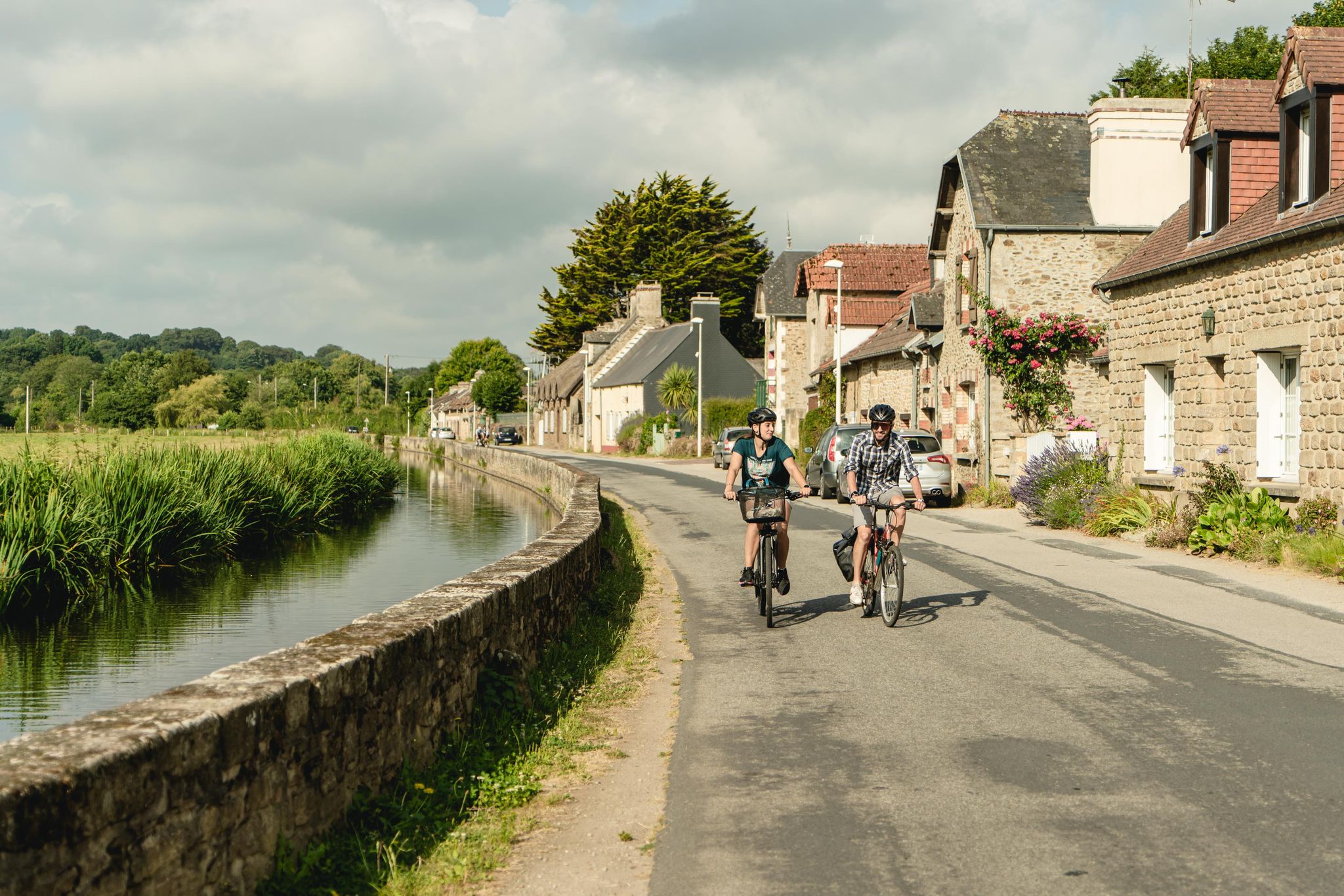
Tour du Cotentin en suivant la Vélomaritime®
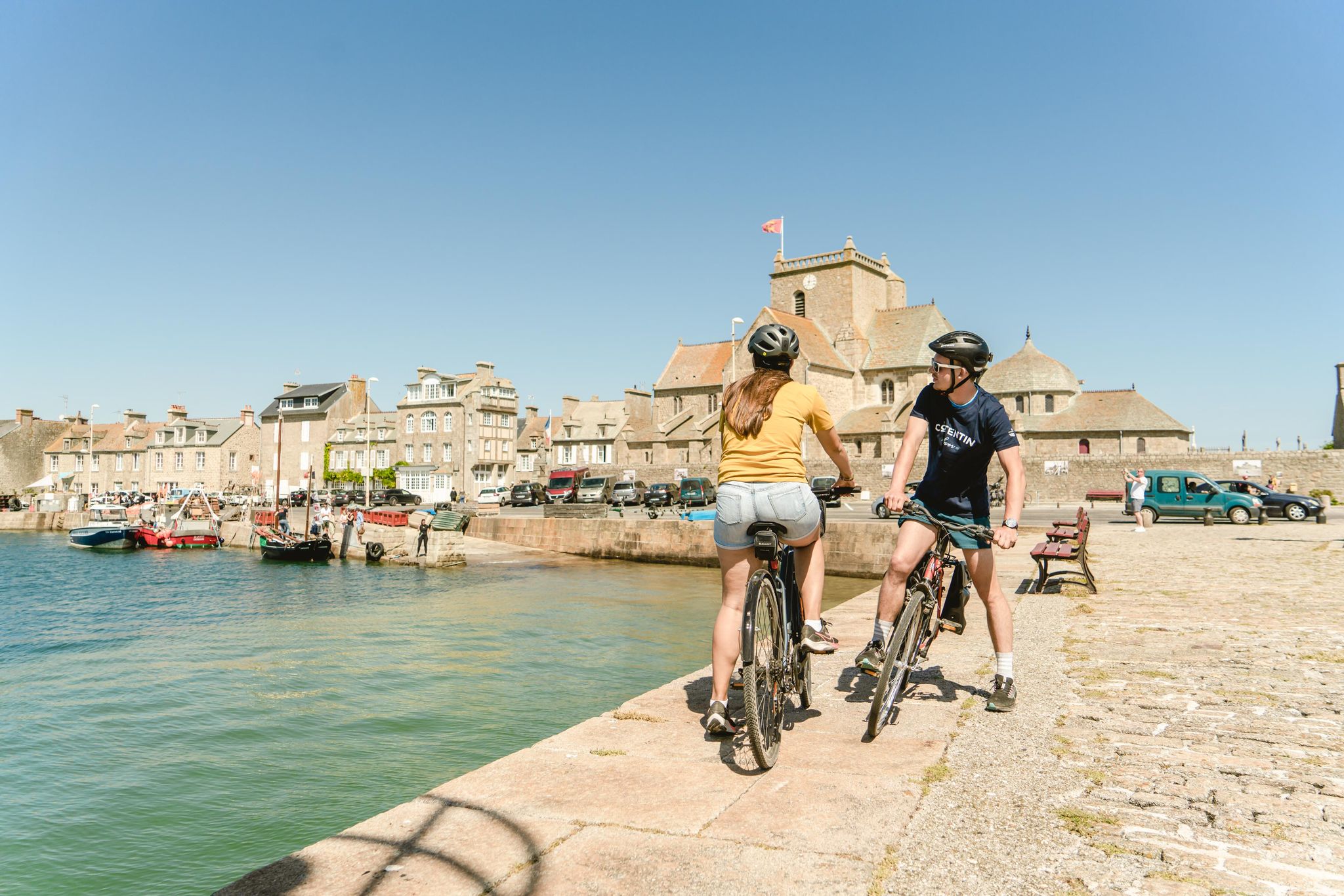
Boucles vélo loisirs du Cotentin
Cycling around Saint-Sauveur-Le-Vicomte
MTB Trails around Saint-Sauveur-Le-Vicomte
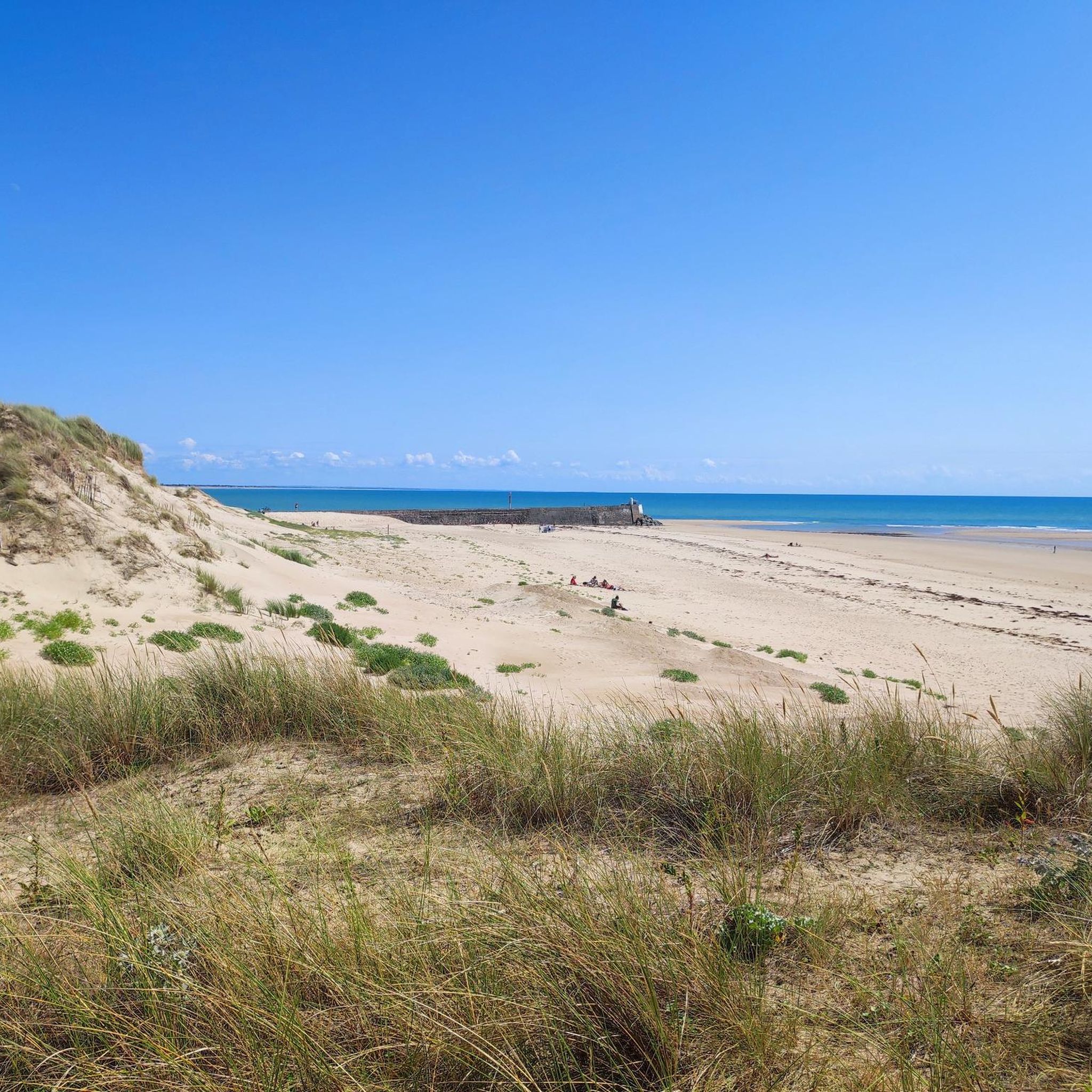
Hiking around Saint-Sauveur-Le-Vicomte
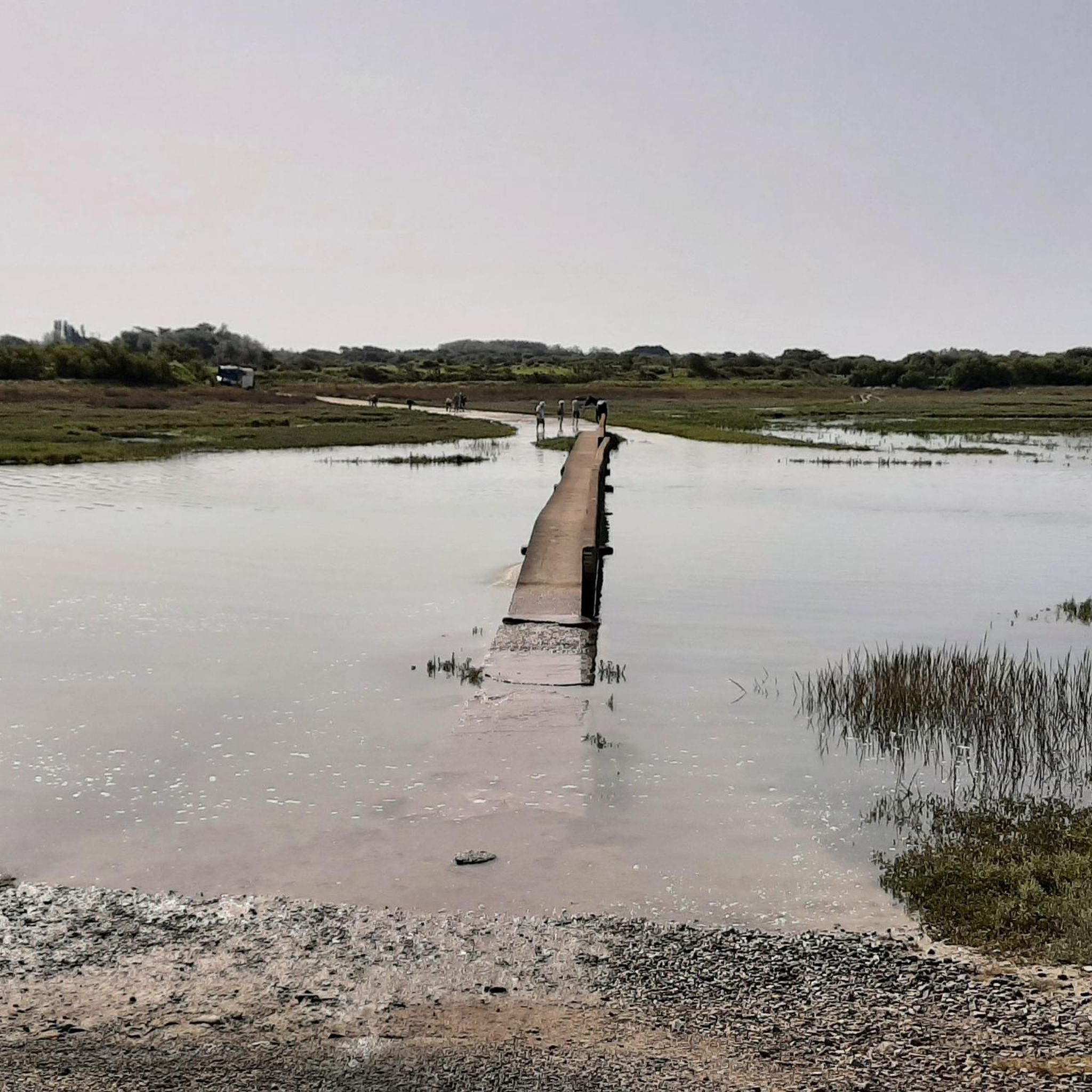
Road Cycling Routes around Saint-Sauveur-Le-Vicomte
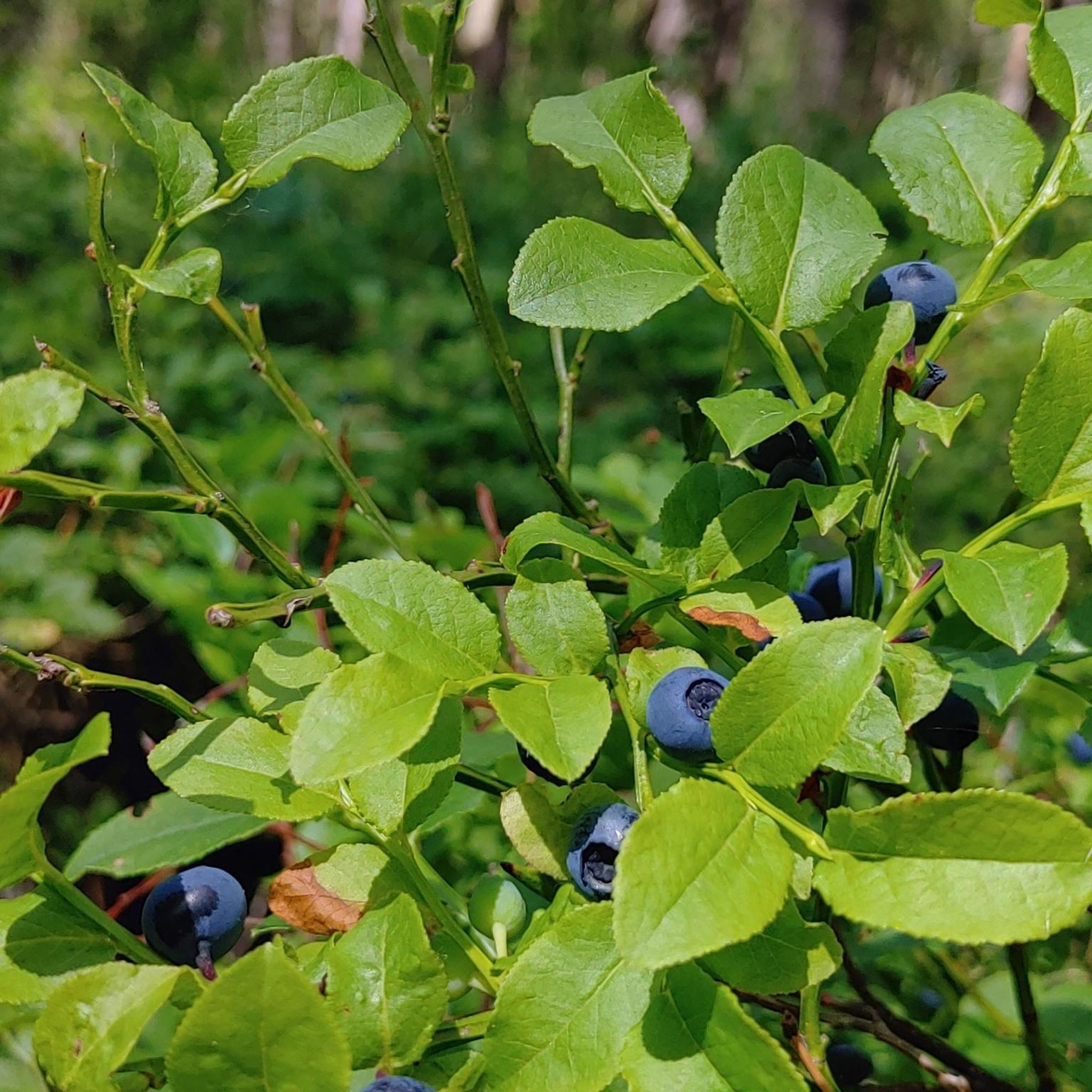
Running Trails around Saint-Sauveur-Le-Vicomte
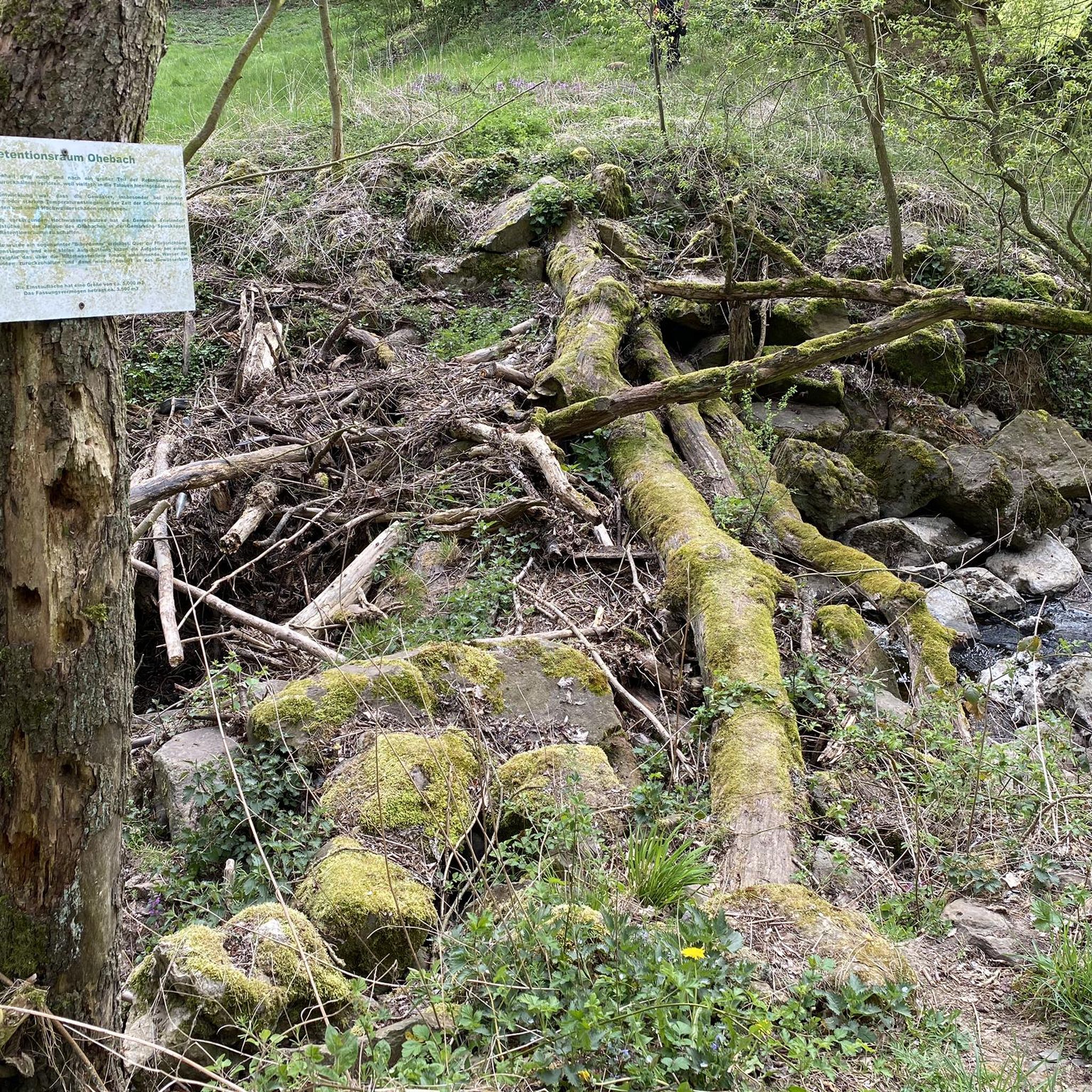
Gravel biking around Saint-Sauveur-Le-Vicomte
Other adventures around Saint-Sauveur-Le-Vicomte

Tips from the Community


Located in the town of Bricquebec, this superb castle was built between the 10th and 11th centuries. The exterior of the remains of the castle are freely accessible and are worth the detour!
0
0

The Château de Saint-Sauveur-le-Vicomte is a castle dating from the 11th century. Sacked twice during the Hundred Years War, it is now in ruins. Although not as impressive as some castles that are still intact, this castle is open to the public and very accessible. It is a wonderful place to visit.
3
0

Located in the center of Cotentin, Saint-Sauveur-Le-Vicomte has vast expanses of marshes, a pretty forest massif and several hilly sites, culminating at Mont de Taillepied.
0
0

The ruins of the medieval castle of Bricquebec are still very well preserved with in particular a magnificent polygonal keep with eleven sides unique in Europe.
1
0

https://fr.wikipedia.org/wiki/Ch%C3%A2teau_de_Bricquebec Le château de Bricquebec se présente sous la forme d'une enceinte flanquée de tours rondes, hexagonales et quadrangulaires que domine un donjon polygonal à onze côtés unique en Europe[réf. nécessaire]. Le château a été entièrement reconstruit au XIVe siècle et remanié au XVIe siècle. Il offre « l'exemple le plus intéressant et le plus imposant d'architecture militaire du Moyen Âge en Cotentin. Le donjon Le donjon est construit sur une motte de terre de 17 m de hauteur et de 50 m de diamètre, et a la forme d'un polygone à 11 côtés, divisé en cinq niveaux. Haut de 22,30 mètres avec un diamètre de 10 mètres, sa base présente un fruit. Il semble qu'il ait été construit là pour assurer la défense de la porte d'entrée. Il se compose d'un caveau, d'un rez-de-chaussée faisant office de cuisine, et de deux étages servant d'appartements, d'un troisième étage réservé à la garde, le tout surmonté d'une plate-forme couronnée de mâchicoulis et percé de 27 ouvertures destinées au tir plongeant. Le sommet était, à l'origine, surmonté d'un toit pointu, aujourd'hui disparu4. La maison manable Flanquée d'une tourelle à un angle, elle communiquait avec le logis principal et le bastion. C'est aujourd'hui une ruine. Le bastion Il mesure 19,45 mètres de longueur sur une largeur de 4,63 mètre. Il est construit en saillie sur le mur d'enceinte. Il est percé de meurtrières et surmonté d'un chemin de ronde. La grosse tour ronde Elle forme la limite est du mur d'enceinte. Elle est haute de deux étages et son diamètre extérieur est de 12,80 mètres. Elle a perdu son toit polygonal. Le chartrier C'est là qu'étaient conservées les archives du seigneur du lieu, essentiellement ses titres propriété. La tour d'horloge Elle est haute de trois étages, reliés entre eux par un escalier tournant ; chaque étage offrant une salle. Un musée y a aujourd'hui trouvé place. L'hôtel du vieux château, ancien logis seigneurial L'ancien logis seigneurial, converti en hôtel de tourisme, date du XIIIe siècle8. L'intérieur a subi une transformation totale4. La magnifique salle des chevaliers a été un temps transformée en écurie. Au devant se dresse une « salle » qu'ouvre de larges baies dont les remplages sont divisés par quatre colonnettes et sur son côté opposé d'une arcade.
0
1

Beautiful little place Birg impressive.
3
0

The oldest parts date back to the 12th century. You could not enter the property. A small ditch lies around the buildings. It seems to be inhabited in parts. Very mysterious and picturesque. Monument historique (MH) since 29 November 2000.
0
0
Frequently Asked Questions
What is the historical significance of the castles around Saint-Sauveur-Le-Vicomte?
The castles in this region, particularly the Château de Saint-Sauveur-le-Vicomte, played a crucial strategic role, especially during the Hundred Years' War. They offer a tangible connection to this tumultuous period and showcase medieval military architecture. Many are recognized as historical monuments, reflecting centuries of history in the Cotentin region.
Are there any well-preserved medieval castles or ruins to explore?
Yes, you can explore both. The Château de Bricquebec features very well-preserved ruins, including a magnificent polygonal keep unique in Europe. The Château de Saint-Sauveur-le-Vicomte, though largely in ruins after being sacked during the Hundred Years' War, still offers an evocative glimpse into its past with impressive towers and a fortified enclosure.
What unique architectural features can I find in these castles?
The Château de Bricquebec is notable for its polygonal keep with eleven sides, a feature unique in Europe. The Château de Saint-Sauveur-le-Vicomte, despite being a ruin, still displays significant medieval engineering with its large towers and fortified structure, including a two-tower gate and a *logis-porte*.
Are there family-friendly castles to visit in the area?
Yes, both the Château de Bricquebec and the Château de Saint-Sauveur-le-Vicomte are considered family-friendly historical sites. Their accessible ruins and historical context provide an engaging experience for all ages. The grounds of Saint-Sauveur-le-Vicomte sometimes host medieval festivals, which can be particularly fun for children.
When is the best time of year to visit the castles?
The summer season is generally ideal for visiting, as guided tours are often available at sites like the Château de Saint-Sauveur-le-Vicomte. The weather is also more conducive to exploring the outdoor ruins and surrounding areas.
Can I combine a castle visit with hiking or other outdoor activities?
Absolutely! The region around Saint-Sauveur-Le-Vicomte offers various outdoor activities. You can find numerous hiking trails, including a loop around the Château de Saint-Sauveur-le-Vicomte within the Parc naturel régional des Marais du Cotentin et du Bessin. For more options, explore the hiking guide for Saint-Sauveur-Le-Vicomte. There are also running and road cycling routes available in the area.
Are guided tours available at the castles?
Guided tours are available during the summer season at the Château de Saint-Sauveur-le-Vicomte, and by reservation for groups. For Omonville Castle, guided tours may also be possible on site.
Is there parking available at the castles?
While specific parking details for each castle may vary, the Château de Saint-Sauveur-le-Vicomte is generally accessible, and parking is typically available nearby, often with free entry to the castle grounds.
What kind of natural landscapes can I expect to see near these castles?
The region is characterized by vast marshes, forest massifs, and hilly sites. Near the Château de Saint-Sauveur-le-Vicomte, you'll find yourself in the center of Cotentin, with its diverse landscapes, including the Mont de Taillepied, offering picturesque views.
Can I visit castles that are still inhabited or have a different character?
Yes, for a different experience, Omonville Castle features an Italian Renaissance garden. Additionally, Olonde Castle, with parts dating back to the 12th century, appears to be inhabited in parts, offering a mysterious and picturesque view, though public access to the interior may be restricted.
Are the castles accessible for visitors with limited mobility?
The Château de Saint-Sauveur-le-Vicomte is noted for being very accessible, even in its ruined state. However, as many castles are historical ruins, some areas might have uneven terrain. It's always advisable to check specific accessibility details for each site if you have particular needs.
Most popular routes around Saint-Sauveur-Le-Vicomte
Most popular attractions around Saint-Sauveur-Le-Vicomte

Get inspired with the komoot mobile app


Explore more
Looking for the best castles somewhere else? Discover other guides around Saint-Sauveur-Le-Vicomte:
