The best road cycling routes around Teurthéville-Bocage
4.3
(139)
3,689
riders
119
rides
Road cycling routes around Teurthéville-Bocage traverse the distinctive bocage landscape of Normandy, characterized by a mosaic of woodlands, pastures, and fields delineated by hedgerows and sunken lanes. The broader Manche department offers diverse natural features, including dense forests, river networks, and a significant coastline with dunes, beaches, and tidal inlets. This varied topography provides winding roads through lush greenery, offering a sense of immersion in the countryside.
Best road cycling routes around Teurthéville-Bocage
- The most popular road cycling route is…
Last updated: October 25, 2026
4.5
(10)
314
riders
75.0km
03:10
490m
500m
Moderate road ride. Good fitness required. Some segments of this route may be unpaved and difficult to ride.
4.4
(5)
102
riders
41.5km
01:36
100m
100m
Moderate road ride. Some segments of this route may be unpaved and difficult to ride.

4.4
(5)
42
riders
36.1km
01:45
340m
340m
Moderate road ride. Good fitness required. Some segments of this route may be unpaved and difficult to ride.
5.0
(3)
24
riders
36.0km
01:37
300m
300m
Moderate road ride. Some segments of this route may be unpaved and difficult to ride.
15
riders
58.2km
02:37
610m
610m
Moderate road ride. Good fitness required. Some segments of this route may be unpaved and difficult to ride.
Get access to more routes and recommendations from other explorers.
Already have an account?
Our route recommendations are based on thousands of hikes, rides, and runs completed by other people on komoot.
Start today with a free account
Your next adventure awaits.
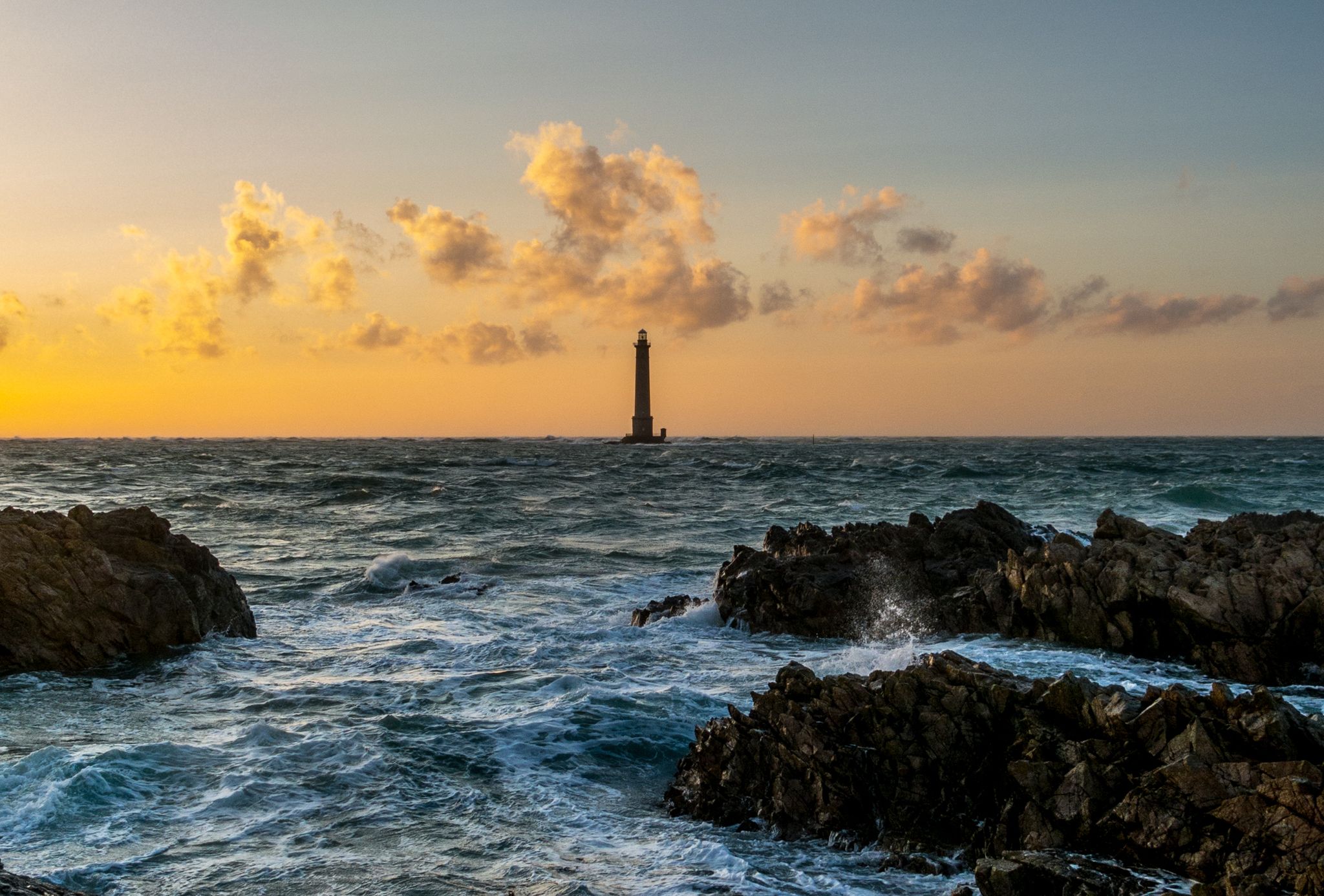
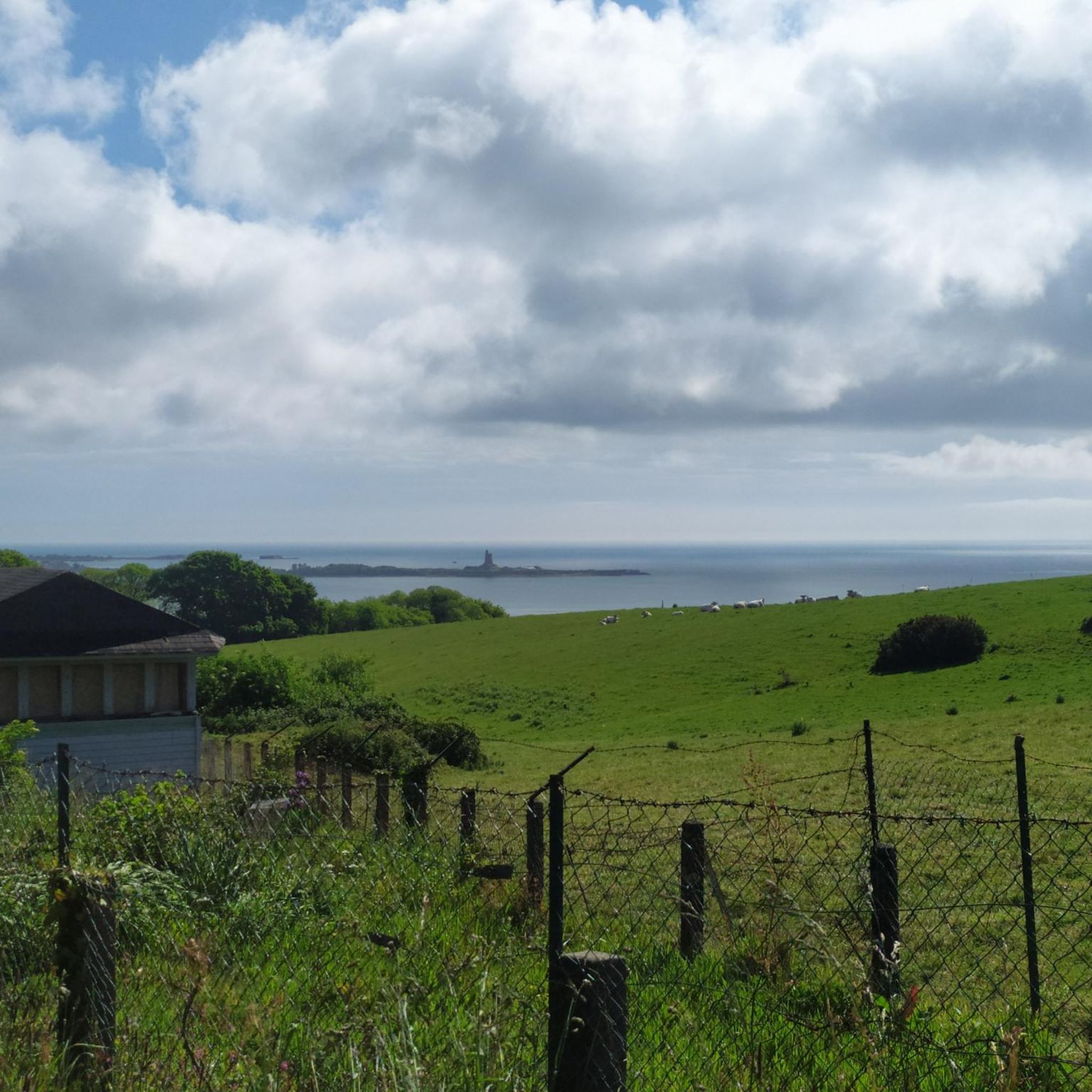
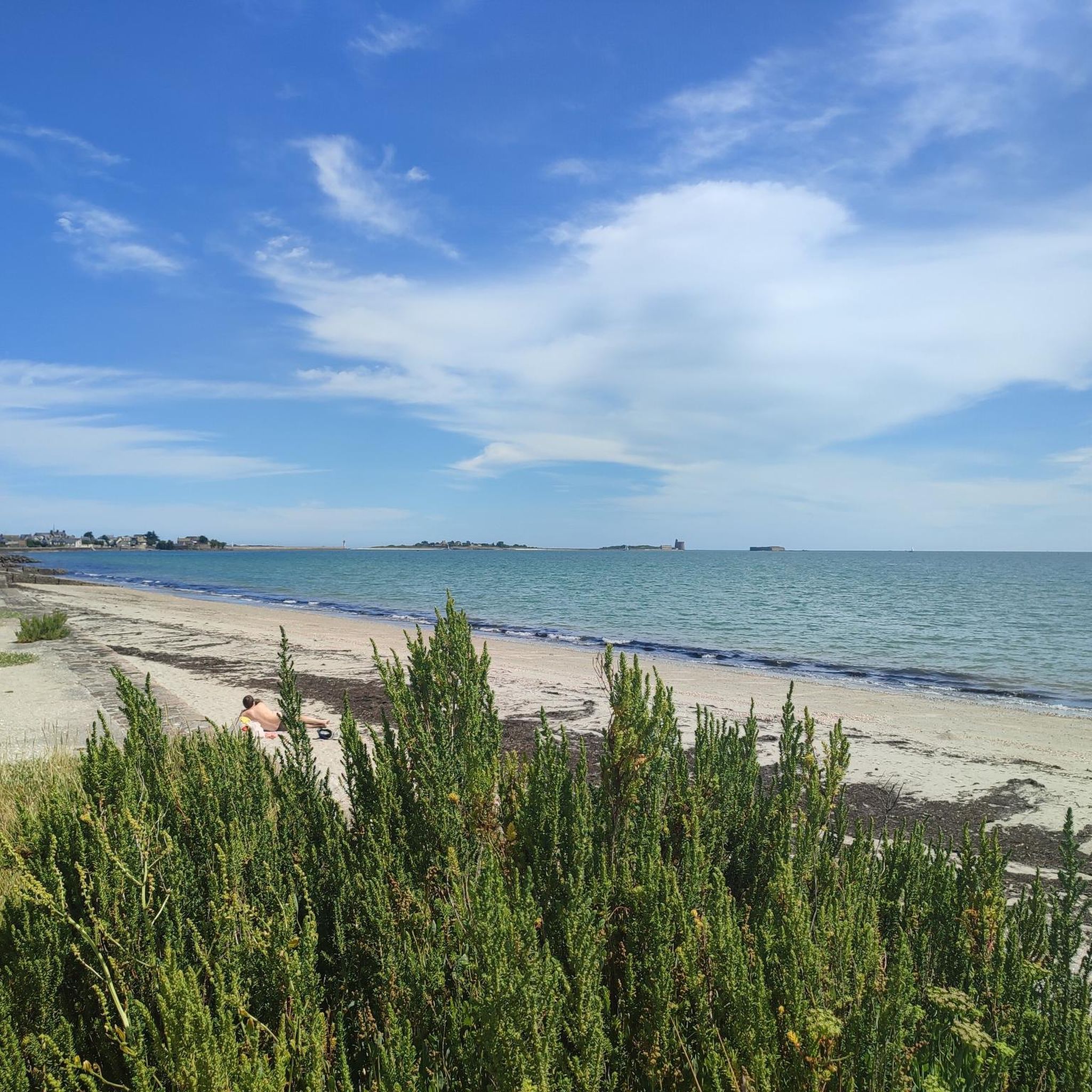
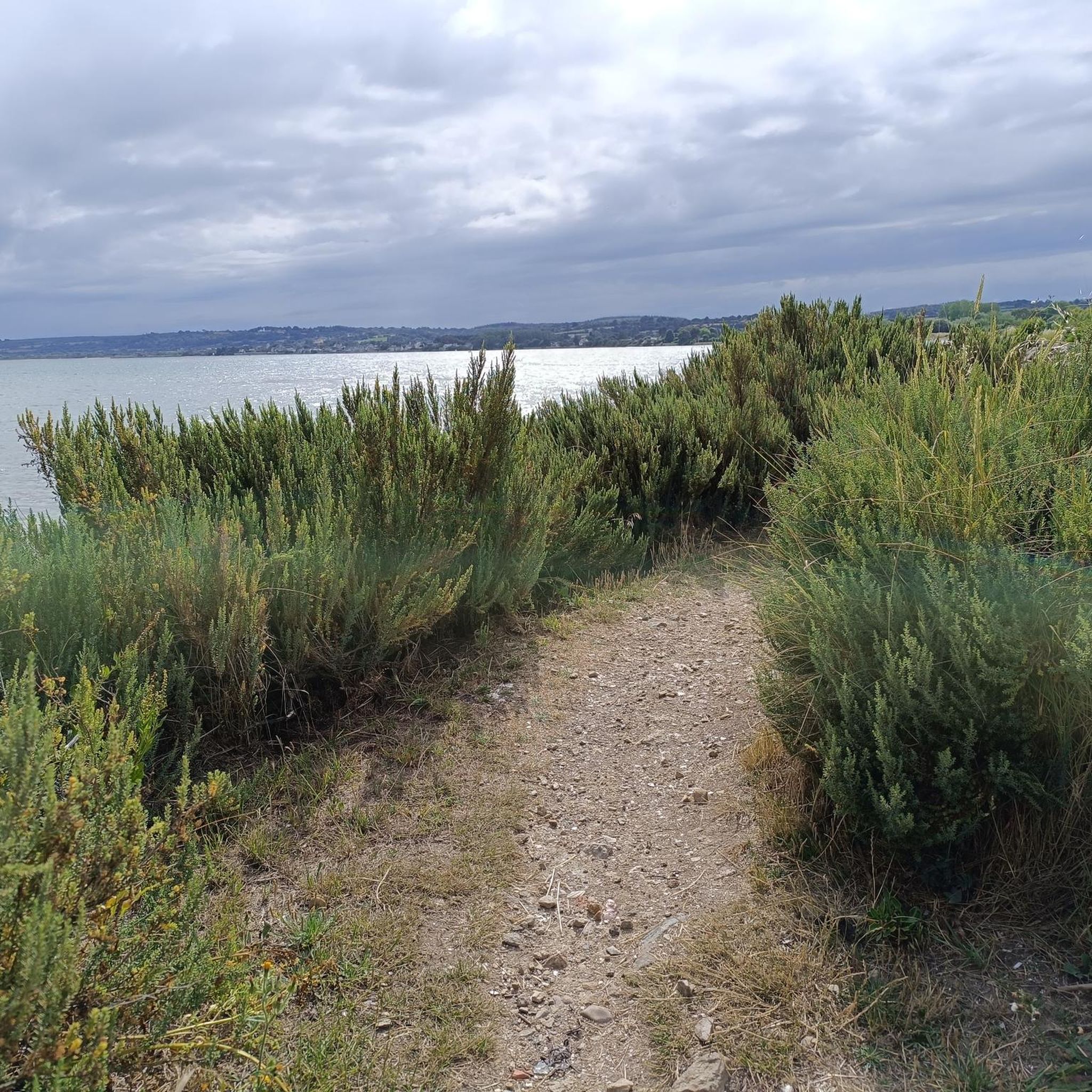
Other adventures around Teurthéville-Bocage

Tips from the Community

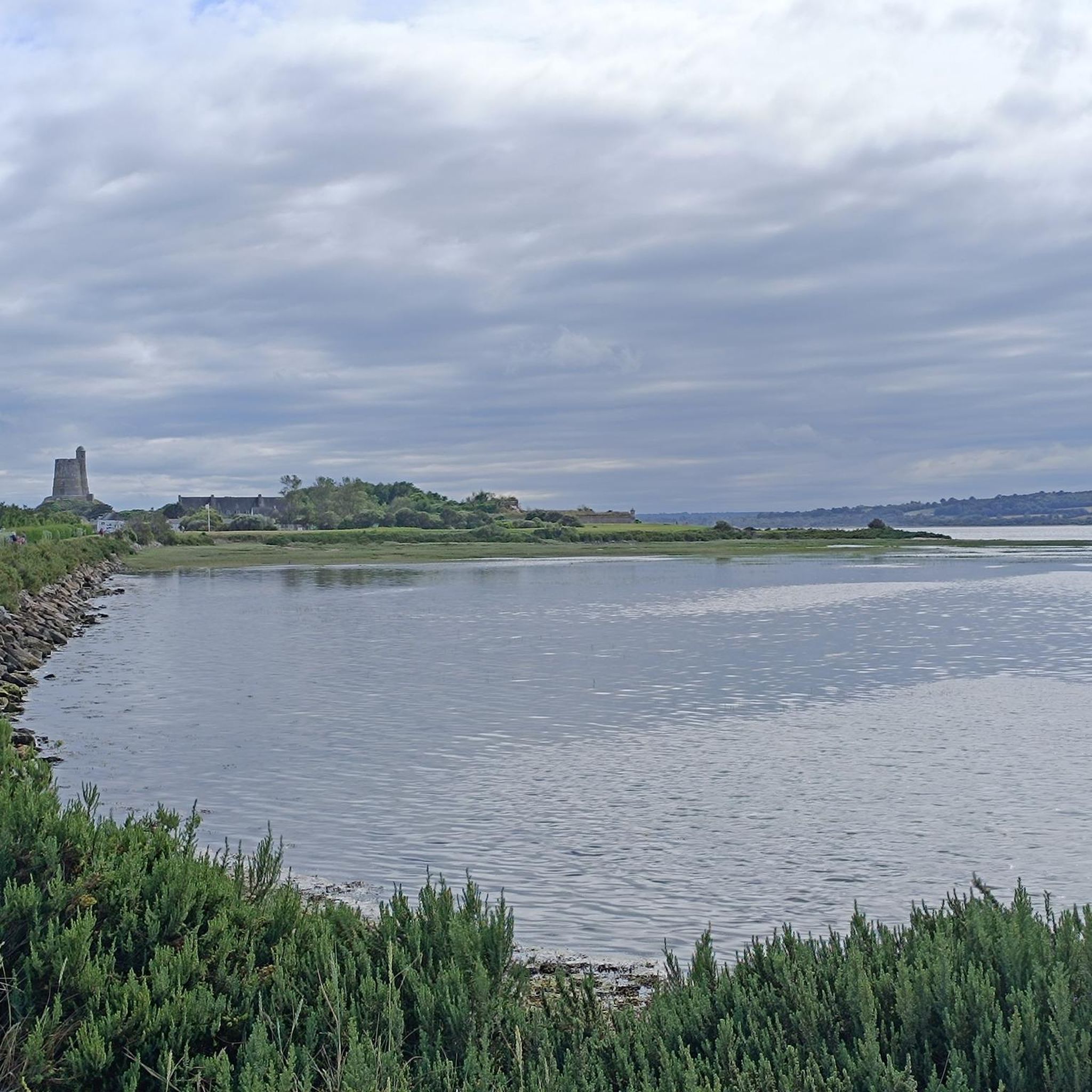
The Fort de la Hougue is located on a peninsula south of Saint-Vaast-la-Hougue on the east coast of the Cotentin. After the naval battle of La Hougue in 1692, in which numerous French warships were destroyed, Louis XIV had the bay more heavily fortified. Starting in 1694, the mighty Tour de la Hougue was built under the direction of the fortress engineer Benjamin de Combes according to Vauban's principles. Together with the opposite tower on the Île Tatihou, it secured the approach to the bay through overlapping artillery fire. In the 19th century, the complex was expanded with additional batteries and ammunition buildings. During the Second World War, the German occupiers integrated the fort into the Atlantic Wall. Today, therefore, fortification elements from several centuries have been preserved. Since 2008, the Tour de la Hougue, together with Tatihou, has been part of the UNESCO World Heritage "Fortifications of Vauban".
1
0

The island is home to the Vauban fortress Fort de la Hogue.
0
0

magnificent castle near Cherbourg
0
0

It is the Château de Tourlaville (and not Nacqueville)
0
0

A very beautiful castle to admire from all sides.
0
0

The original lighthouse was built in 1775 to protect the dangerous waters around Pointe de Barfleur, which were known for numerous shipping disasters, including the sinking of the "White Ship" in 1120. Since the first tower did not meet the requirements of the 1825 national coastal lighting program, construction began on a new, larger tower in 1829. Completed in 1835 under the direction of architect Charles-Félix Morice de la Rue, it replaced the old tower, which was then used as an optical telegraph. The new tower is made of approximately 11,000 granite blocks and has 365 steps—symbolizing the days of a year. It also has 52 windows (representing the weeks) and 12 floors (representing the months).
8
0
The old granite harbor is the heart of Barfleur and is still used by small fishing boats.
6
0
A beautiful little fishing village that is worth a visit.
6
0
Frequently Asked Questions
How many road cycling routes are available around Teurthéville-Bocage?
There are over 100 road cycling routes in the Teurthéville-Bocage area, offering a wide variety of options for cyclists. These routes are highly rated by the komoot community, with an average score of 4.4 stars.
What kind of terrain can I expect when road cycling in Teurthéville-Bocage?
The region is characterized by its distinctive bocage landscape, featuring a mosaic of woodlands, pastures, and fields delineated by tall hedgerows and sunken lanes. You'll find winding roads through lush greenery, with varied topography ranging from gentle slopes to more significant ascents, including demanding false flats and steep sections on some routes. The hedgerows also offer natural windbreaks.
Are there road cycling routes for all skill levels in Teurthéville-Bocage?
Yes, the Teurthéville-Bocage area offers routes suitable for various skill levels. Out of over 100 routes, 25 are classified as easy, 69 as moderate, and 6 as difficult. This ensures that both casual riders and experienced cyclists can find suitable challenges, from easy loops to routes with more significant ascents.
What natural features will I encounter on road cycling routes in Teurthéville-Bocage?
You'll experience the unique bocage landscape with its hedgerows and sunken lanes, dense forests, and a network of streams and coastal rivers. The broader Manche department also boasts a significant coastline with dunes, beaches, and tidal inlets. The Mouth of the Saire is a particularly attractive natural region.
Are there any scenic viewpoints along the road cycling routes?
Many routes offer beautiful coastal views, especially those heading towards the sea. For example, the Beautiful sea view – Saint-Vaast-la-Hougue Harbor loop from Videcosville provides scenic coastal vistas towards Saint-Vaast-la-Hougue, and the Hôtel Grandval Caligny – Beautiful sea view loop from Videcosville also offers views of both the bocage and coastal areas.
What historical landmarks can I visit while road cycling in Teurthéville-Bocage?
The region is rich in history. You can cycle past or near several notable landmarks. Consider visiting the 16th-century Ravalets Castle, the 13th-century fortified Inthéville Manor, or the UNESCO World Heritage site Fort of La Hougue in Saint-Vaast-la-Hougue. The Beautiful sea view – Alauna Roman Baths loop from Videcosville also leads through areas with historical points of interest.
Are there any circular road cycling routes available?
Yes, many of the routes in the Teurthéville-Bocage area are designed as loops, allowing you to start and end at the same point. Examples include the Beautiful sea view – Saint-Vaast-la-Hougue Harbor loop from Videcosville and the Hôtel Grandval Caligny – Beautiful sea view loop from Videcosville, both offering convenient circular journeys.
What is the best time of year for road cycling in Teurthéville-Bocage?
The region benefits from a mild climate, making it pleasant for cycling for much of the year. Spring and autumn generally offer comfortable temperatures and beautiful scenery. While specific seasonal data isn't provided, the mild climate suggests good conditions outside of peak summer heat or winter cold.
What do other road cyclists enjoy the most about road cycling in Teurthéville-Bocage?
The area is highly rated by the komoot community, with an average score of 4.4 stars from over 110 reviews. Cyclists often praise the unique bocage landscape, the quiet country lanes, and the scenic coastal views that define the region's cycling experience. The varied terrain also caters to different preferences.
Are there any waterfalls accessible by road bike in the area?
While not directly on a road cycling route, the scenic Waterfall on the Saire at Le Vast is a notable natural attraction in the broader region. It's a beautiful spot that could be visited as part of a longer ride or a separate excursion, though the final approach might involve a short walk.
Can I find family-friendly road cycling routes in Teurthéville-Bocage?
Yes, with 25 routes classified as easy, there are options suitable for families looking for less challenging rides. These routes often feature gentler slopes and quieter roads, allowing for a more relaxed cycling experience through the picturesque countryside.
Is there parking available for cyclists in Teurthéville-Bocage?
While specific parking facilities for cyclists are not detailed, villages and towns in the region typically offer public parking areas. It's advisable to check local signage or municipal websites for parking options in specific starting points like Videcosville or Saint-Germain-de-Tournebut, where many routes begin.
Are there any challenging road cycling routes for experienced riders?
Yes, for more experienced cyclists seeking a challenge, the region offers routes with more demanding sections. Out of over 100 routes, 6 are classified as difficult, featuring more significant ascents and varied topography. The broader Manche department also includes routes like the 'La Hague cycle route' known for demanding false flats, climbs, and steep sections.
Most popular routes around Teurthéville-Bocage
Most popular attractions around Teurthéville-Bocage

Get inspired with the komoot mobile app


Explore more
Browse the best Road cycling routes in other regions.
