Attractions and Places To See around Saint-Germain-De-Tournebut - Top 20
Attractions around Saint-Germain-De-Tournebut include historical sites within this rural commune in the Manche department of Normandy, France. The area is characterized by scattered housing and small waterways, including the Filbec and Franqueterre streams, and features a small pond. Beyond the commune, the broader Cotentin Peninsula offers a diverse landscape of coastal features, natural parks, and significant historical monuments. Visitors can explore both local landmarks and regional attractions.
Best attractions and places to see around Saint-Germain-De-Tournebut
- The most popular attractions is…
Last updated: August 16, 2026
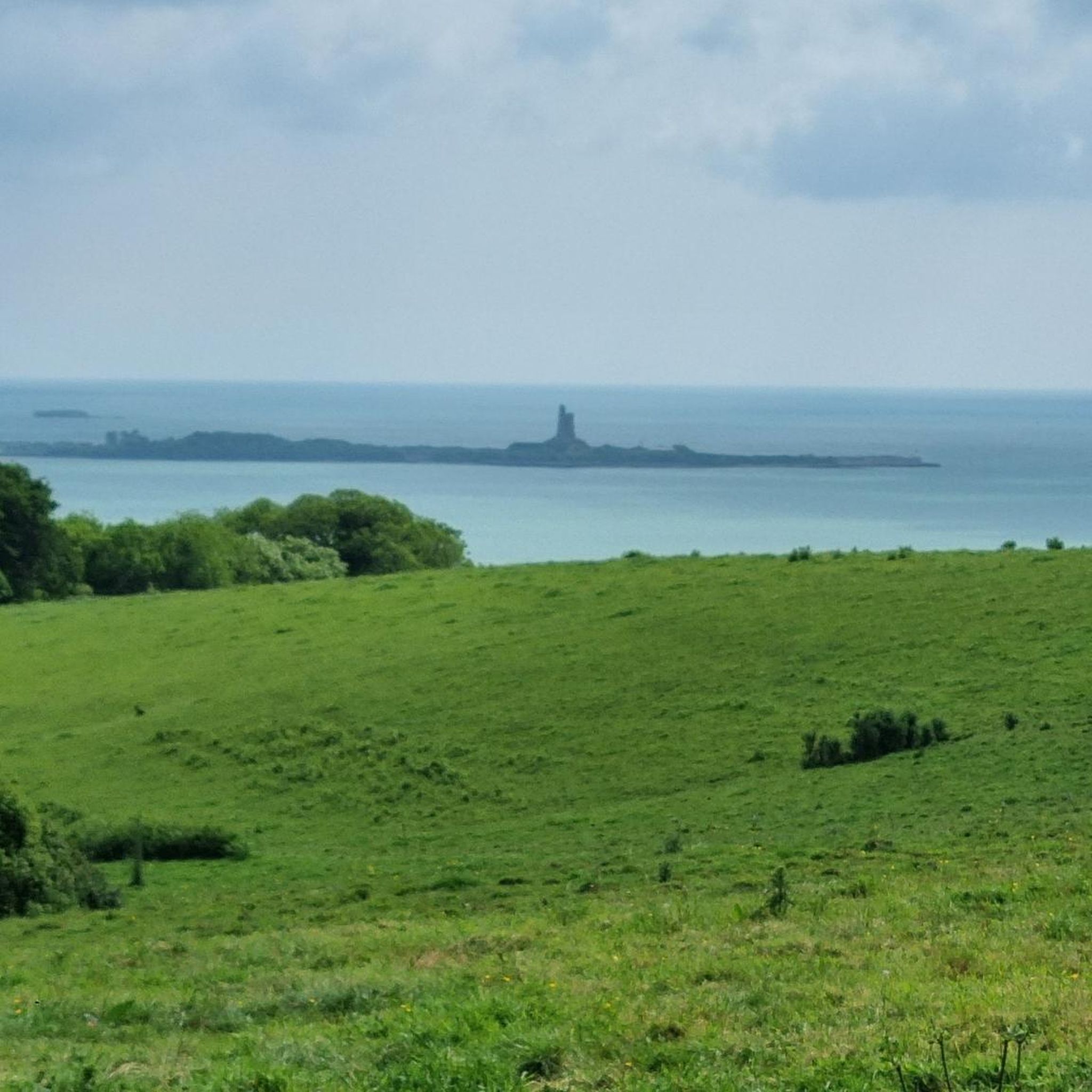
Fort of La Hougue
Highlight • Castle
Tip by

Crisbecq Battery (Saint-Marcouf)
Highlight • Historical Site
Translated by Google •
Tip by

Sign up now to discover places like this
Get recommendations on the best single tracks, peaks, & plenty of other exciting outdoor places.
Sign up for free
Waterfall on the Saire at Le Vast
Highlight • Waterfall
Translated by Google •
Tip by

Azzeville Battery
Highlight • Historical Site
Translated by Google •
Tip by
Port of Saint-Vaast-la-Hougue
Highlight • Other
Translated by Google •
Tip by

Sign up for free to discover even more attractions around Saint-Germain-De-Tournebut.
Sign up for free
Already have an account?
Start today with a free account
Your next adventure awaits.
Login or Signup
Popular around Saint-Germain-De-Tournebut


Tips from the Community

The hike is beautiful and safe. Except for one major drawback: if you have a dog, be careful because there are several farm properties with dogs running free!! There is a waterfall at the end of the hike.
1
0

Very pretty fishing and marina port.
2
0
Magnificent tour. Not to be missed. Battery well charged. We loved it.
0
0

To be admired as a technical structure 😪However, it should also serve as a reminder and a warning. NEVER AGAIN WAR
6
0

Location from which the landing was first reported in Berlin
0
0

Magnificent fishing port!
3
0
Very nice place to visit to learn about the history of 1944
0
0
Very nice place to learn more about the history of 1944
2
0
Frequently Asked Questions
What historical sites can I visit within Saint-Germain-de-Tournebut itself?
Within the commune, you can explore the 13th to 15th-century Église Saint-Germain-d'Auxerre, which features a bell tower and various religious furnishings. There's also the 17th-century Croix Varengue roadside cross. While the Château de la Brisette and Château de Tournebut are historical landmarks, they are private properties.
What natural features can I discover in the Saint-Germain-de-Tournebut area?
The commune itself is rural, characterized by small waterways like the Filbec and Franqueterre streams, and features a small body of water called Étang Neuf. For more extensive natural beauty, the nearby Marais du Cotentin et du Bessin Regional Natural Park offers diverse flora and fauna, and the stunning coastal landscapes of Cap de la Hague and Nez de Jobourg are within driving distance.
Are there any significant historical sites related to WWII in the region?
Yes, the region is rich in WWII history. You can visit the Crisbecq Battery (Saint-Marcouf), one of the most powerful German batteries of the Atlantic Wall, and the Azzeville Battery. The famous Normandy Landing Beaches are also approximately 41 km away.
What kind of outdoor activities are available near Saint-Germain-de-Tournebut?
The area offers various outdoor activities, particularly cycling and running. You can find numerous routes for touring bicycles and gravel biking, such as the 'La Hougue Dike – Saint-Vaast-la-Hougue loop' or 'Azzeville Battery – Canal de Carentan loop'. For runners, there are trails like the 'L'Étang Neuf – Château de la Brisette loop'. You can explore more options on the cycling, gravel biking, and running trails guides.
Can I find family-friendly attractions around Saint-Germain-de-Tournebut?
Yes, several attractions are considered family-friendly. The Waterfall on the Saire at Le Vast is a scenic natural monument that can be viewed from a distance. Historical sites like the Crisbecq Battery and Azzeville Battery also offer educational experiences for families.
What coastal attractions are worth visiting on the Cotentin Peninsula?
The Cotentin Peninsula offers several charming coastal spots. Barfleur, classified as one of France's most beautiful villages, is about 18 km away. Saint-Vaast-la-Hougue, 11 km away, is home to the Fort of La Hougue, a UNESCO World Heritage site, and its Port of Saint-Vaast-la-Hougue offers views of Ile Tatihou. The Baie des Veys is another beautiful natural bay to explore.
What is the best time of year to visit Saint-Germain-de-Tournebut for outdoor activities?
The best time to visit for outdoor activities is generally from late spring to early autumn (May to September) when the weather is milder and more conducive to exploring. This period offers pleasant temperatures for cycling, running, and visiting historical sites.
Are there any unique natural monuments or viewpoints to see?
Absolutely. The Waterfall on the Saire at Le Vast is a picturesque natural monument. For dramatic coastal views, head to Cap de la Hague and Nez de Jobourg, which feature stunning cliffs and wild heathlands.
What are some cultural or artistic towns to visit nearby?
Just 5 km away, Valognes is recognized as a 'city of art and history' with notable architecture. Approximately 19 km distant, the port city of Cherbourg boasts several interesting monuments and museums. The Abbaye de Lessay, about 36 km away, is a significant example of Romanesque architecture.
Are there botanical gardens or parks to visit in the vicinity?
Yes, the region features beautiful green spaces. The Jardin botanique du château de Vauville, about 34 km away, is a unique botanical garden by the sea. Other notable gardens include Parc du château des Ravalet (18 km) and Parc du château de Nacqueville (29 km).
What do visitors enjoy most about the attractions around Saint-Germain-de-Tournebut?
Visitors particularly appreciate the historical significance of sites like the Fort of La Hougue, noting its well-preserved walls and imposing outdoor area. The scenic beauty of places like the Waterfall on the Saire at Le Vast and the charm of the Port of Saint-Vaast-la-Hougue are also highly rated for their picturesque views and historical context.
Is there public transport available to reach attractions around Saint-Germain-de-Tournebut?
Saint-Germain-de-Tournebut is a rural commune, and while local transport options may exist, many of the broader regional attractions are best accessed by car. For specific public transport information, it's advisable to check local bus schedules or regional transport services for the Manche department.
Most popular routes around Saint-Germain-De-Tournebut
Most popular attractions around Saint-Germain-De-Tournebut

Get inspired with the komoot mobile app


Explore more
Still not found the Highlight you’re looking for? See guides of the top attractions in other regions:
