Top 4 Castles around Lestre
Castles around Lestre, a commune in the Manche department of Normandy, France, offer insights into the region's historical architecture. The area is primarily known for the Château de Tourville, an 18th-century residence. This historical monument showcases classical design and a well-preserved rural estate, including a park and outbuildings. While the Château de Tourville is a private property, its exteriors and park are generally accessible, allowing visitors to appreciate its heritage.
Best castles around Lestre
- The most popular castles is Fort…
Last updated: May 20, 2026
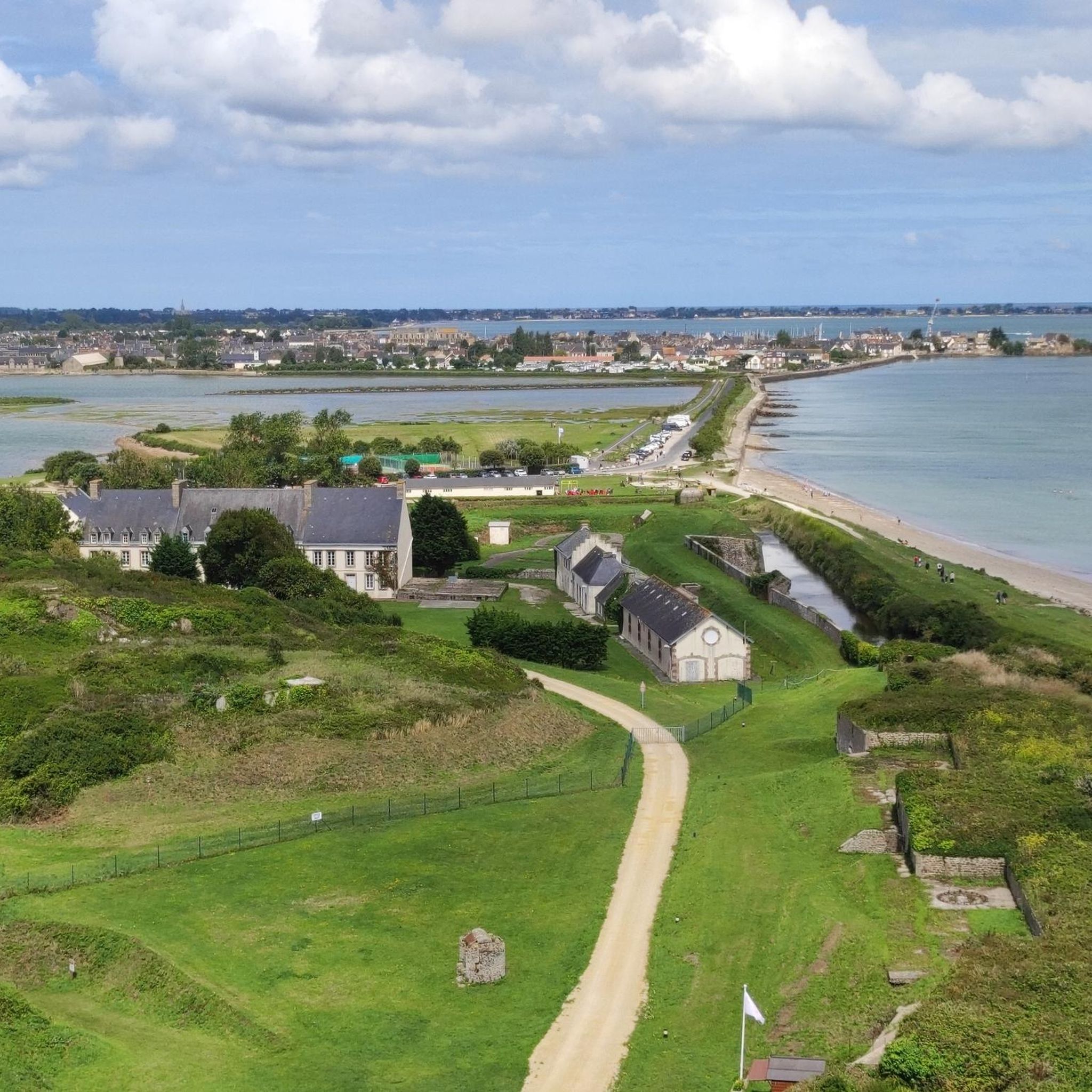
Fort of La Hougue
Highlight • Castle
Tip by

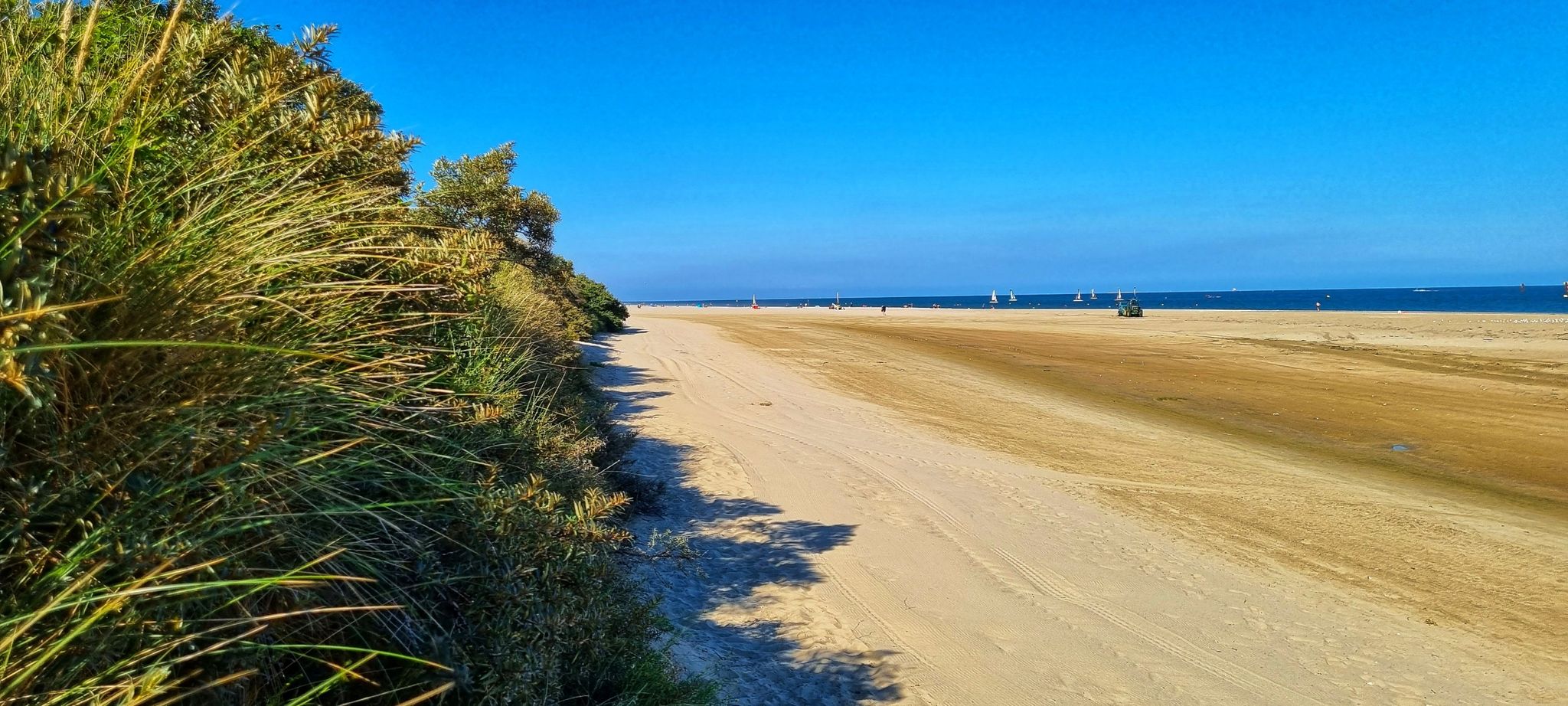
Ravenoville Beach and Redoubt
Highlight • Beach
Translated by Google •
Tip by
Sign up now to discover places like this
Get recommendations on the best single tracks, peaks, & plenty of other exciting outdoor places.
Sign up for free
Quinéville Castle
Highlight • Castle
Tip by
Vauban Tower and the La Hougue Semaphore
Highlight • Castle
Translated by Google •
Tip by

Start today with a free account
Your next adventure awaits.
Login or Signup

Other adventures around Lestre

Tips from the Community

Why visit Fort de La Hougue? History and Heritage: The fort is a crucial witness to French military history and an exceptional example of Vauban's genius, offering a fascinating dive into the past. Magnificent Landscapes: The fort offers sublime panoramic views of the sea and coastal landscapes, making the visit a moment of relaxation as much as discovery. Cultural Activities: The exhibitions and events organized at the fort enrich the visit by offering varied perspectives on local history and fortifications. In summary, Fort de La Hougue is a must-see site for lovers of history, military architecture, and beautiful landscapes. It combines culture, nature, and heritage in a unique setting in Normandy.
1
0
Fort de La Hougue is a remarkable historical site located in Saint-Vaast-la-Hougue, on the east coast of the Cotentin Peninsula, Normandy. This fort is one of two defensive works designed by the military engineer Vauban in the 17th century, the other being the fort of Tatihou, located on a neighboring island. Together, these fortifications have been classified as a UNESCO World Heritage Site since 2008 as an example of Vauban's military engineering. Points of Interest: Architecture and Military History: Fort de La Hougue was built between 1694 and 1699 on the orders of Louis XIV, following the French defeat at the Battle of La Hougue in 1692. This fort is a classic example of bastion fortifications, with thick walls, casemates, and a complex network of defenses designed to resist attacks from the sea. The 20-metre-high La Hougue Tower is the most emblematic element of the fort. This tower served as both an observation point and a last refuge in the event of an attack. UNESCO Heritage: The Fort de La Hougue is recognised by UNESCO as a masterpiece of Vauban's military engineering. This classification highlights the importance of the site in French and world military history, as well as the exceptional value of its architecture. A visit to this site allows you to better understand the defence techniques of the time and to appreciate Vauban's ingenuity in designing fortifications. Activities and Access: The fort is accessible on foot from Saint-Vaast-la-Hougue, and it is surrounded by coastal paths offering beautiful walks along the sea. These walks also allow you to discover the local flora and fauna. The nearby island of Tatihou can be reached by boat at high tide or on foot at low tide, offering a complementary excursion to explore another side of Vauban's fortifications.
1
0

Very nice walk in Saint Vaast and around the fort of La Hougue. To do again
3
0

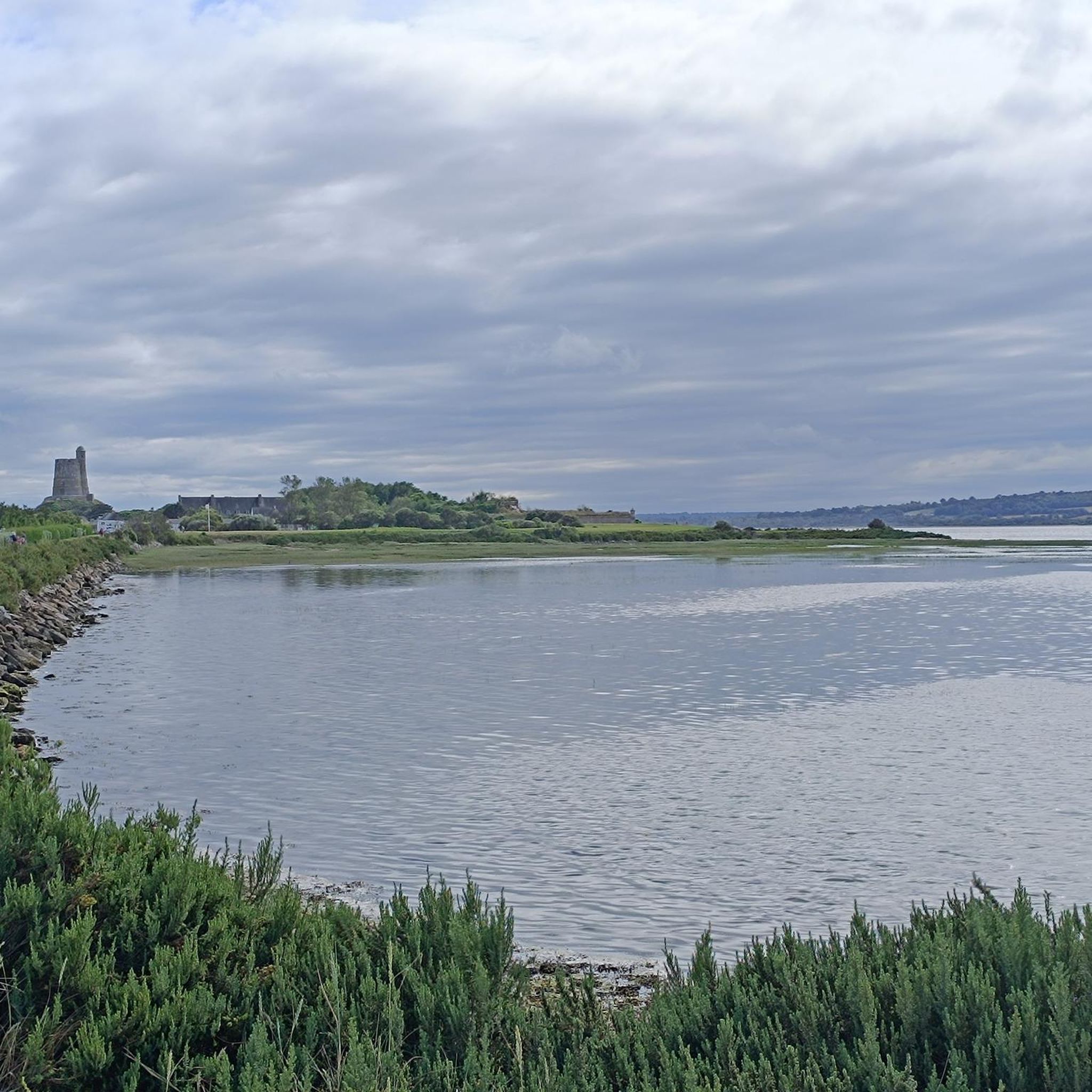
At the 1.5 km long Grande-Plage, the isthmus between the former island of La Hougue and Saint-Vaast is completely taken up by the tamarisk-lined road and the dike. At the far end of the beach stands the keep of the fortress like a proud watchman.
2
0

To discover absolutely
1
0

magnificent city and superb construction of Vauban https://youtu.be/zrDTW5Wrbuc
3
0

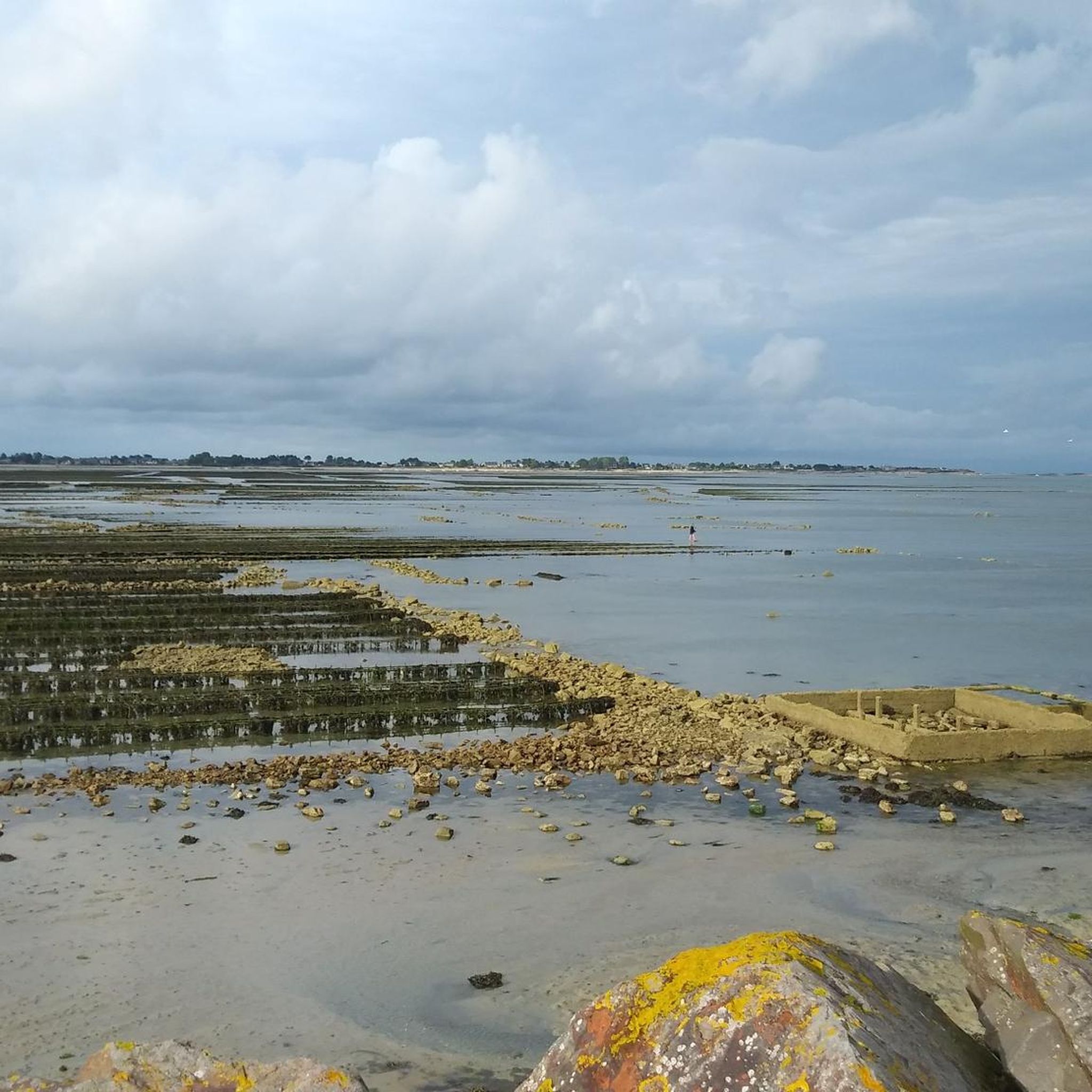
Fort Ravenoville (19th century), built on an old square masonry redoubt dating from 1689. The enclosure as well as the old interior guardhouse have been profoundly modified. The remains of the vast "Widerstandsnest 14" next door date from the Nazi-German Atlantic Wall.
0
0
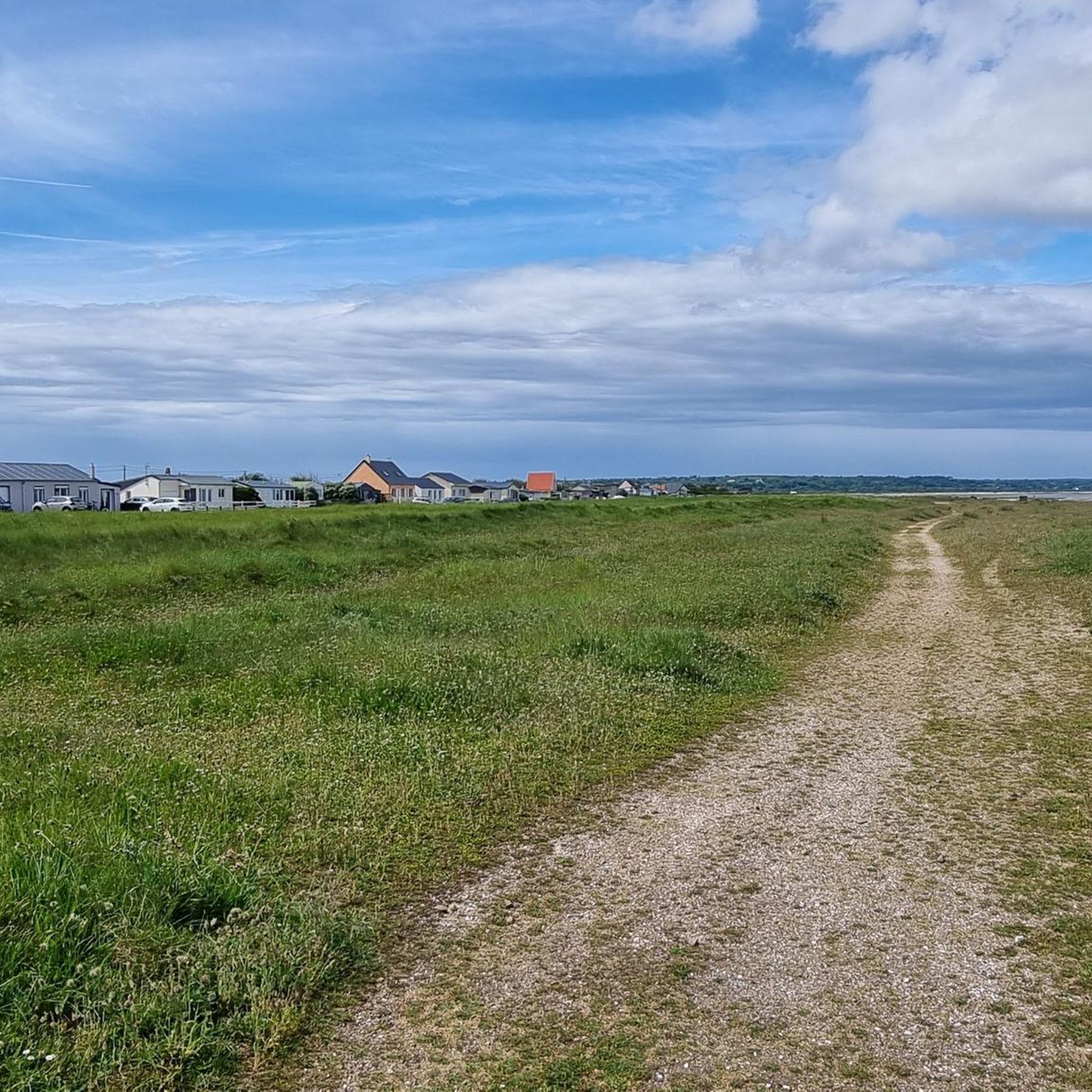
It's worth following the trail to the tip of the peninsula for views of the old tower and of course the sea
0
0
Frequently Asked Questions
What historical castles and sites can I visit around Lestre?
The Lestre area offers a range of historical sites. The Château de Tourville in Lestre itself is an 18th-century classical residence, partially listed as a historical monument, showcasing a well-preserved rural estate. While it is a private property, its exteriors and park are generally accessible. Other notable sites include the Fort of La Hougue, a 17th-century defensive fortress and World Heritage Site, and the Ravenoville Beach and Redoubt, which features an old square masonry redoubt from 1689 and nearby remains of the Nazi-German Atlantic Wall.
Can I visit the Château de Tourville in Lestre?
The Château de Tourville is a private property. However, its exteriors and the classical park with its grand parterre are generally open to the public, allowing visitors to appreciate its 18th-century architecture and historical domain. You can find more historical details about it on Wikipedia or the French Ministry of Culture's database Pop.Culture.gouv.fr.
Are there any castles around Lestre that offer accommodation or dining?
Yes, Quinéville Castle is accessible as a hotel and restaurant. It offers palatial views down to the beach from its grand windows, providing a unique experience for visitors looking to stay or dine in a historic setting.
What outdoor activities can I do near the castles around Lestre?
The area around Lestre offers various outdoor activities. You can explore cycling routes, including easy to moderate options like the "Quinéville Beach – Along the beach (Gravel) loop from Quinéville" or longer tours such as the "Barfleur Harbour – Fort of La Hougue loop from Quinéville." For more details on cycling, visit the Cycling around Lestre guide. There are also MTB trails and gravel biking routes available, often passing by coastal areas and historical sites.
Are there family-friendly castles to visit near Lestre?
The Ravenoville Beach and Redoubt is categorized as family-friendly. It offers a historical site combined with beach access, providing an engaging experience for families. While the Château de Tourville's exteriors are accessible, its private nature means it might be more suited for a quiet historical appreciation rather than active family exploration.
Are there castles near Lestre with good viewpoints?
Yes, both the Fort of La Hougue and the Vauban Tower and the La Hougue Semaphore offer excellent viewpoints. The Fort of La Hougue provides views of its well-preserved water moat and walls, while the Vauban Tower offers scenic views of the old tower and the sea from the tip of the peninsula.
What is the best time of year to visit castles around Lestre?
While there isn't a specific 'best time' universally, visiting during spring or early autumn often provides pleasant weather for exploring the exteriors and grounds of the castles. Summer can be popular, but also busier. Some sites, like the Fort of La Hougue, may have limited internal access, so checking specific opening times for any interior visits is advisable.
Are any castles around Lestre wheelchair accessible?
Information on specific wheelchair accessibility for all castles is limited. The exteriors and grounds of sites like the Château de Tourville and the Fort of La Hougue may offer some accessible paths, but visitors with mobility concerns should verify conditions directly with the sites before planning their visit, especially for older structures with uneven terrain.
Where can I find parking for castles near Lestre?
Parking availability varies by location. For the Fort of La Hougue, parking is generally available in Saint-Vaast-la-Hougue. For the Château de Tourville, visitors typically park nearby in Lestre and walk to the site. For other highlights like Quinéville Castle, which operates as a hotel, dedicated parking is usually provided for guests and diners.
Can I reach castles around Lestre using public transport?
Public transport options directly to all castle sites around Lestre may be limited, as many are in rural settings. It is often more convenient to reach the Lestre area by car. However, local bus services might connect larger towns near some of the sites. Checking local transport schedules for the Manche department would be recommended for specific routes.
Are there any dog-friendly castle walks around Lestre?
Many outdoor areas around castles, such as the grounds of the Château de Tourville or the extensive outdoor area of the Fort of La Hougue, are suitable for walks with dogs, provided they are kept on a leash and owners clean up after them. The Ravenoville Beach and Redoubt also offers beach access, which can be dog-friendly depending on local regulations.
Most popular attractions around Lestre

Get inspired with the komoot mobile app


Explore more
Looking for the best castles somewhere else? Discover other guides around Lestre:
