Attractions and Places To See around Quinéville - Top 20
Best attractions and places to see around Quinéville, a commune in Normandy, offer a blend of history and natural beauty. The area is situated within the Marais du Cotentin et du Bessin Regional Natural Park, providing diverse landscapes. Visitors can explore significant World War II sites and ancient landmarks. Quinéville features coastal areas and a rich cultural heritage.
Best attractions and places to see around Quinéville
- The most popular attractions is Fort of La Hougue, a castle that is…
Last updated: August 12, 2026
2nd Armored Division Monument
Highlight • Monument
Translated by Google •
Tip by

Fort of La Hougue
Highlight • Castle
Tip by

Sign up now to discover places like this
Get recommendations on the best single tracks, peaks, & plenty of other exciting outdoor places.
Sign up for free
Crisbecq Battery (Saint-Marcouf)
Highlight • Historical Site
Translated by Google •
Tip by

Azzeville Battery
Highlight • Historical Site
Translated by Google •
Tip by

Port of Saint-Vaast-la-Hougue
Highlight • Other
Translated by Google •
Tip by

Sign up for free to discover even more attractions around Quinéville.
Sign up for free
Already have an account?
Start today with a free account
Your next adventure awaits.
Login or Signup




Tips from the Community

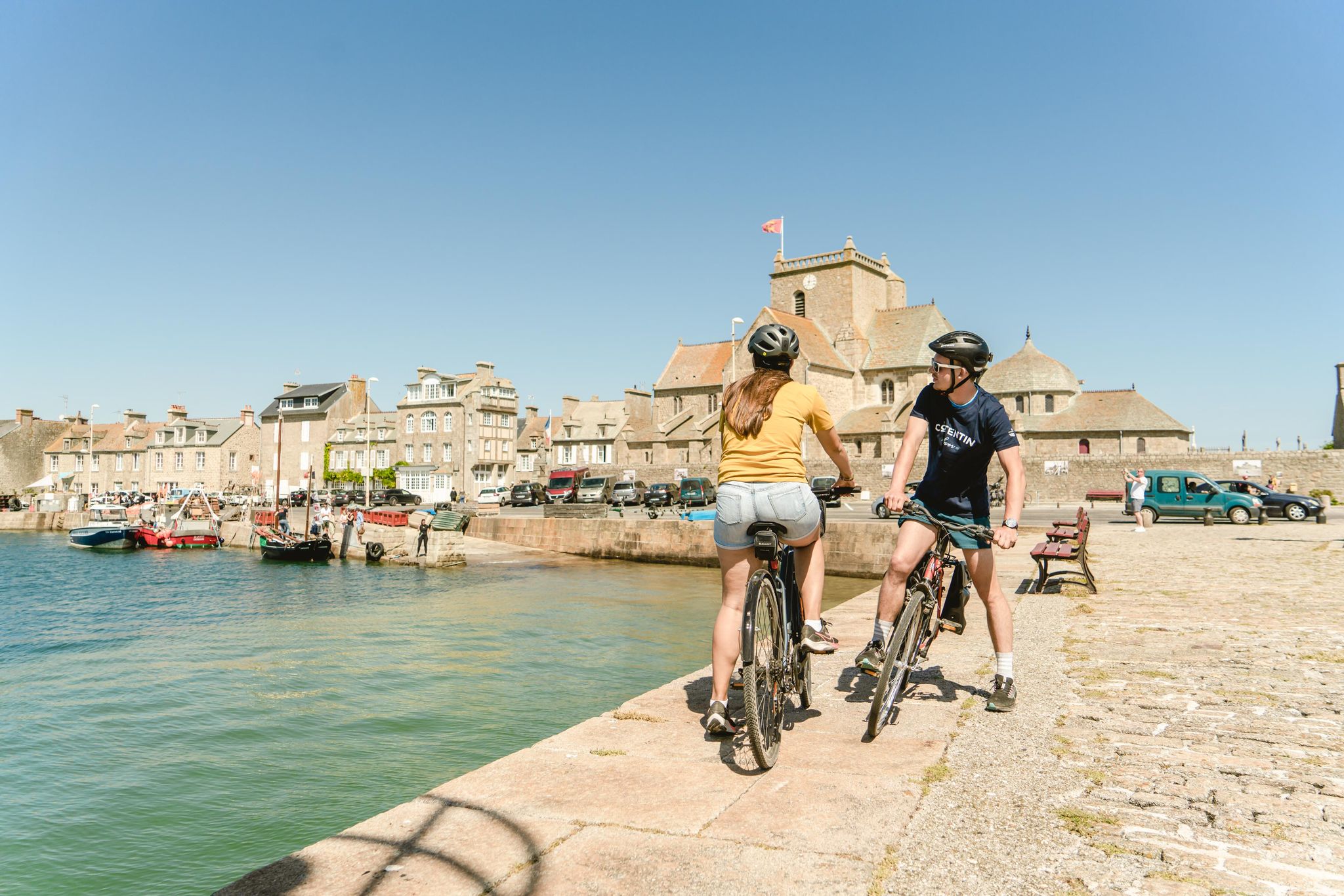
Very pretty fishing and marina port.
2
0

To be admired as a technical structure 😪However, it should also serve as a reminder and a warning. NEVER AGAIN WAR
6
0

Location from which the landing was first reported in Berlin
0
0

Magnificent fishing port!
3
0
Very nice place to visit to learn about the history of 1944
0
0
Very nice place to learn more about the history of 1944
2
0

Why visit Fort de La Hougue? History and Heritage: The fort is a crucial witness to French military history and an exceptional example of Vauban's genius, offering a fascinating dive into the past. Magnificent Landscapes: The fort offers sublime panoramic views of the sea and coastal landscapes, making the visit a moment of relaxation as much as discovery. Cultural Activities: The exhibitions and events organized at the fort enrich the visit by offering varied perspectives on local history and fortifications. In summary, Fort de La Hougue is a must-see site for lovers of history, military architecture, and beautiful landscapes. It combines culture, nature, and heritage in a unique setting in Normandy.
1
0
Fort de La Hougue is a remarkable historical site located in Saint-Vaast-la-Hougue, on the east coast of the Cotentin Peninsula, Normandy. This fort is one of two defensive works designed by the military engineer Vauban in the 17th century, the other being the fort of Tatihou, located on a neighboring island. Together, these fortifications have been classified as a UNESCO World Heritage Site since 2008 as an example of Vauban's military engineering. Points of Interest: Architecture and Military History: Fort de La Hougue was built between 1694 and 1699 on the orders of Louis XIV, following the French defeat at the Battle of La Hougue in 1692. This fort is a classic example of bastion fortifications, with thick walls, casemates, and a complex network of defenses designed to resist attacks from the sea. The 20-metre-high La Hougue Tower is the most emblematic element of the fort. This tower served as both an observation point and a last refuge in the event of an attack. UNESCO Heritage: The Fort de La Hougue is recognised by UNESCO as a masterpiece of Vauban's military engineering. This classification highlights the importance of the site in French and world military history, as well as the exceptional value of its architecture. A visit to this site allows you to better understand the defence techniques of the time and to appreciate Vauban's ingenuity in designing fortifications. Activities and Access: The fort is accessible on foot from Saint-Vaast-la-Hougue, and it is surrounded by coastal paths offering beautiful walks along the sea. These walks also allow you to discover the local flora and fauna. The nearby island of Tatihou can be reached by boat at high tide or on foot at low tide, offering a complementary excursion to explore another side of Vauban's fortifications.
1
0
Frequently Asked Questions
What historical sites related to World War II can I visit around Quinéville?
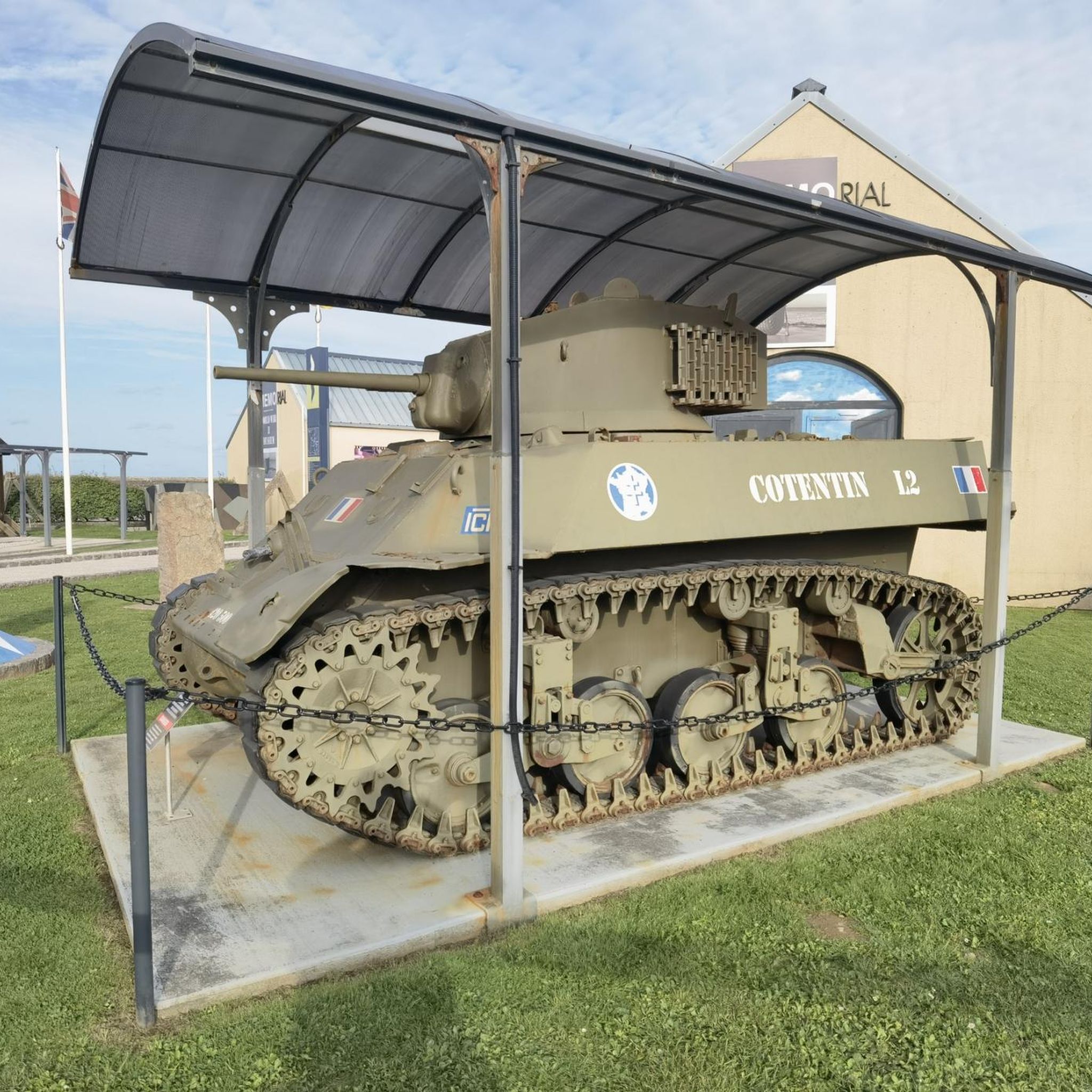
The region around Quinéville is rich in WWII history. You can explore the Crisbecq Battery (Saint-Marcouf), known as the most powerful German battery on the D-Day beaches, where you can visit 22 blockhouses. Another significant site is the Azzeville Battery, an essential node of the Atlantic Wall, built by the Germans between 1941. Don't miss the 2nd Armored Division Monument, which honors the heroes of the D-Day landings and features a representation of General Leclerc. Additionally, the World War II Museum in Quinéville offers an immersive journey into the events from a Norman perspective, including reconstructed streets and actual German gun bunkers.
Are there any family-friendly attractions in the Quinéville area?
Yes, several attractions are suitable for families. Historical sites like the Crisbecq Battery (Saint-Marcouf) and the Azzeville Battery are listed as family-friendly, offering educational experiences. The World War II Museum in Quinéville also provides an engaging way for families to learn about history. For outdoor fun, Quinéville Beach is ideal for swimming and walks, and the Marais du Cotentin et du Bessin Regional Natural Park offers opportunities for exploring nature.
What natural features and outdoor activities can I enjoy near Quinéville?
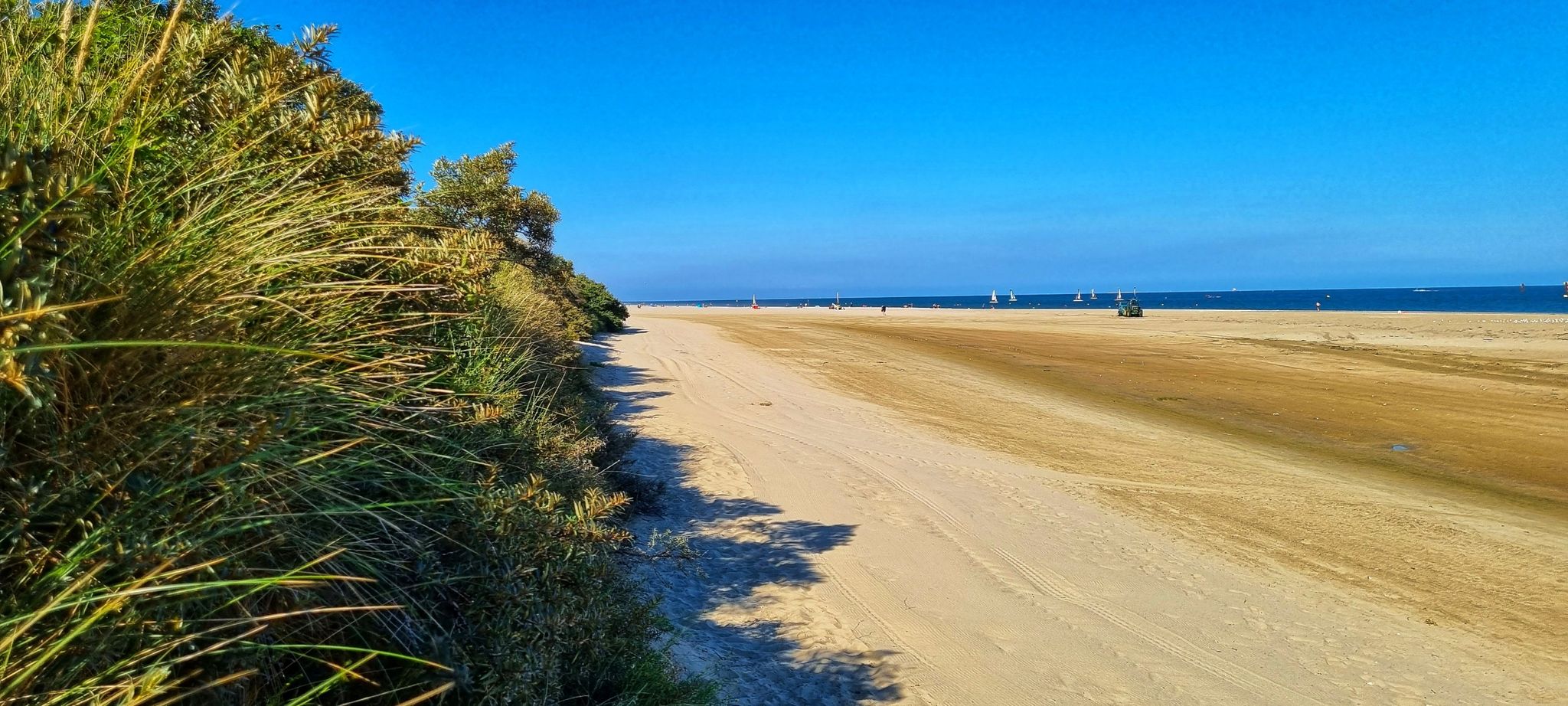
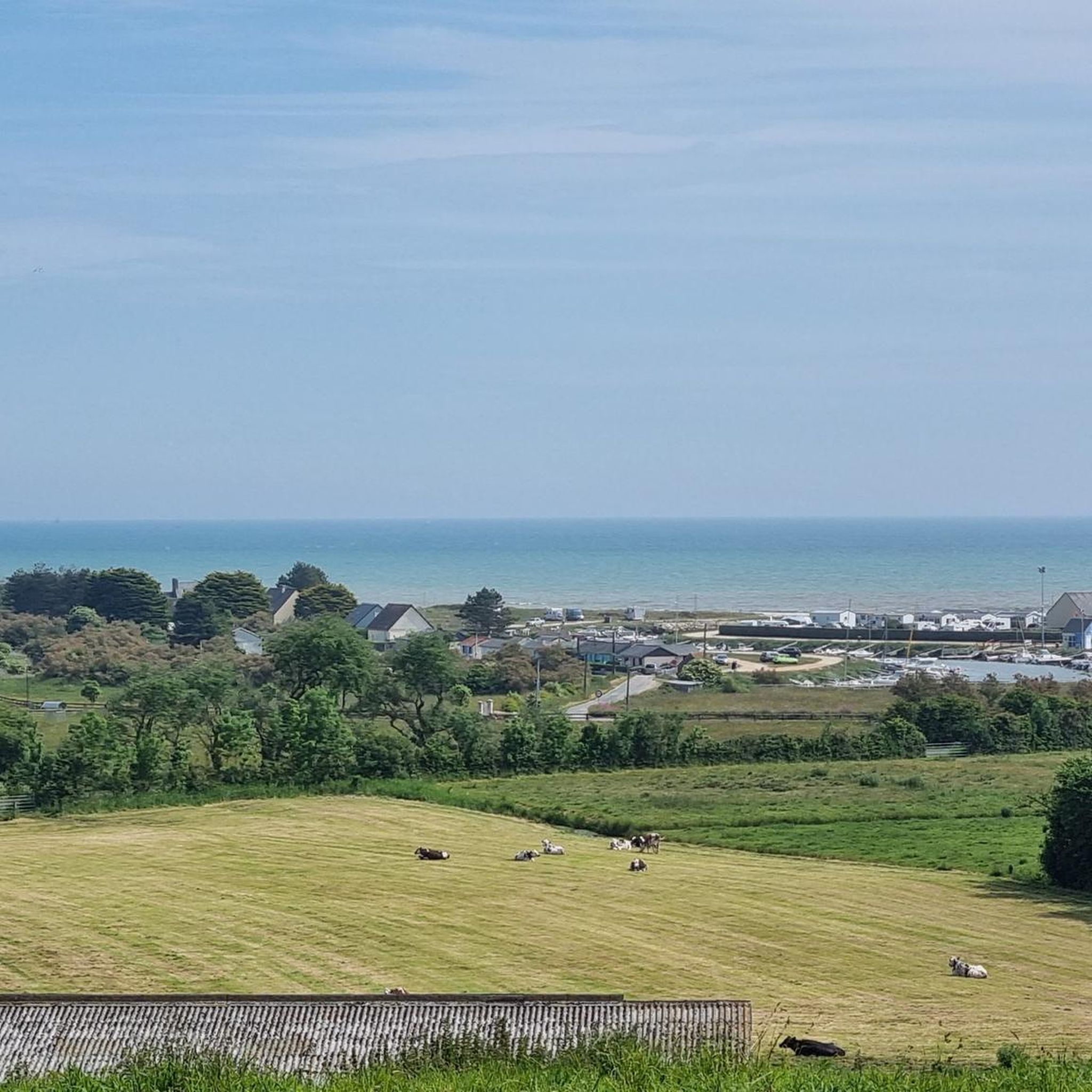
Quinéville is nestled within the Marais du Cotentin et du Bessin Regional Natural Park, offering diverse landscapes for exploration. You can enjoy peaceful walks and swimming at Quinéville Beach, known for its vast sandy stretches. The Port de la Sinope is a charming spot for fishing and recreation. For hiking, the region offers coastal paths, including sections of the GR 223, providing scenic walks along the sea. The Valley of the Sinope also offers expansive panoramic views.
Are there opportunities for hiking or walking around Quinéville?
Absolutely! The area around Quinéville is excellent for hiking and walking. You can find various routes, including easy and moderate options. For example, there's the 'Port on the Sinope – Along the beach (Gravel) loop from Quinéville' (5.4 km, easy) or the 'Chapel Saint Michel – Ruins of Chapelle Saint-André loop from Quinéville' (9.9 km, moderate). Many of these trails allow you to explore the coastal beauty and natural park. You can find more detailed hiking routes in the Hiking around Quinéville guide.
What are some significant historical landmarks besides WWII sites?
Beyond its WWII heritage, Quinéville boasts ancient landmarks. The Fort of La Hougue, a UNESCO World Heritage site near Saint-Vaast-la-Hougue, is a 17th-century fortification designed by Vauban, offering magnificent panoramic views. The Château de Quinéville, a 17th-century château, features the enigmatic Great Chimney (Grande Cheminée de Quinéville), a 2nd-century structure classified as a Historic Monument. The Notre-Dame Church, dating primarily from the 11th century, is also notable for its two distinct bell towers.
Can I find running trails near Quinéville's attractions?
Yes, there are several running trails available. You can enjoy routes like the 'Quinéville Beach loop from Quinéville' (9.4 km, moderate) or the 'Port of Sinope – Along the beach (Gravel) loop from Quinéville' (7.3 km, moderate). For a longer challenge, consider the '2nd Armored Division Monument – Quinéville Beach loop from Quinéville' (20.3 km, difficult). More running options can be found in the Running Trails around Quinéville guide.
What is the Port of Saint-Vaast-la-Hougue like?
The Port of Saint-Vaast-la-Hougue is a small but charming port town. It offers beautiful views, especially towards Tatihou Island and the upstream Fort de l'Ilet. It's a pleasant place for a walk and to learn about the history of the Cotentin region. The port is also a good starting point for visiting the nearby Fort of La Hougue.
Are there any islands I can visit near Quinéville?
Yes, you can visit Tatihou Island, located near Saint-Vaast-la-Hougue. This island features another Vauban fortification and is a natural site accessible by boat at high tide or on foot at low tide. Additionally, the Saint Marcouf Islands, an archipelago, are nearby. Île de Terre is a protected ornithological reserve, while Île du Large hosts an imposing 19th-century fort.
What kind of cycling opportunities are there around Quinéville?
The region offers various cycling routes, particularly for gravel biking. You can find routes that take you along the coast or through the scenic countryside. Examples include the 'Along the beach (Gravel) – Saint-Vaast-la-Hougue loop from Quinéville' (29.8 km, moderate) or the longer 'Canal de Carentan – Fort of La Hougue loop from Beuzeville-au-Plain' (90.9 km, difficult). For more options, check out the Gravel biking around Quinéville guide.
What do visitors enjoy most about the attractions around Quinéville?
Visitors particularly appreciate the rich historical significance of the D-Day sites, such as the well-preserved blockhouses at the Crisbecq and Azzeville Batteries, which offer an immersive look into WWII. The scenic beauty of the coastal areas, including Quinéville Beach and the views from the Fort of La Hougue, are also highly praised. The blend of history and natural landscapes, along with opportunities for outdoor activities, makes the area appealing.
Is there a museum in Quinéville focusing on World War II?
Yes, there is a World War II Museum located directly in Quinéville. It provides an immersive experience into the events of WWII from a Norman perspective, focusing on the occupation and liberation. Visitors can see reconstructed streets from the period, view historical objects, and explore actual German gun bunkers, with one offering views of Utah Beach. You can find more information about the museum on cotentin-tourisme-normandie.fr.
Most popular routes around Quinéville
Most popular attractions around Quinéville

Get inspired with the komoot mobile app


Explore more
Still not found the Highlight you’re looking for? See guides of the top attractions in other regions:
