Attractions and Places To See around Ozeville - Top 20
Attractions and places to see around Ozeville, a commune in the Manche department of Normandy, France, offer a blend of local heritage and access to significant regional sites. The area is part of the Seine-Normandie basin, featuring several watercourses like the Coisel stream. Ozeville itself hosts historical landmarks such as the 13th-century Église Saint-Martin and remnants of a German battery. Its location provides a gateway to numerous D-Day related sites and picturesque towns in the wider Normandy region.
Best attractions…
Last updated: August 16, 2026
Sainte-Mère-l'Église
Highlight • Religious Site
Translated by Google •
Tip by

Fort of La Hougue
Highlight • Castle
Tip by

Sign up now to discover places like this
Get recommendations on the best single tracks, peaks, & plenty of other exciting outdoor places.
Sign up for free
Crisbecq Battery (Saint-Marcouf)
Highlight • Historical Site
Translated by Google •
Tip by

Azzeville Battery
Highlight • Historical Site
Translated by Google •
Tip by
Sainte-Mère-Église Church
Highlight • Religious Site
Translated by Google •
Tip by
Sign up for free to discover even more attractions around Ozeville.
Sign up for free
Already have an account?
Start today with a free account
Your next adventure awaits.
Login or Signup
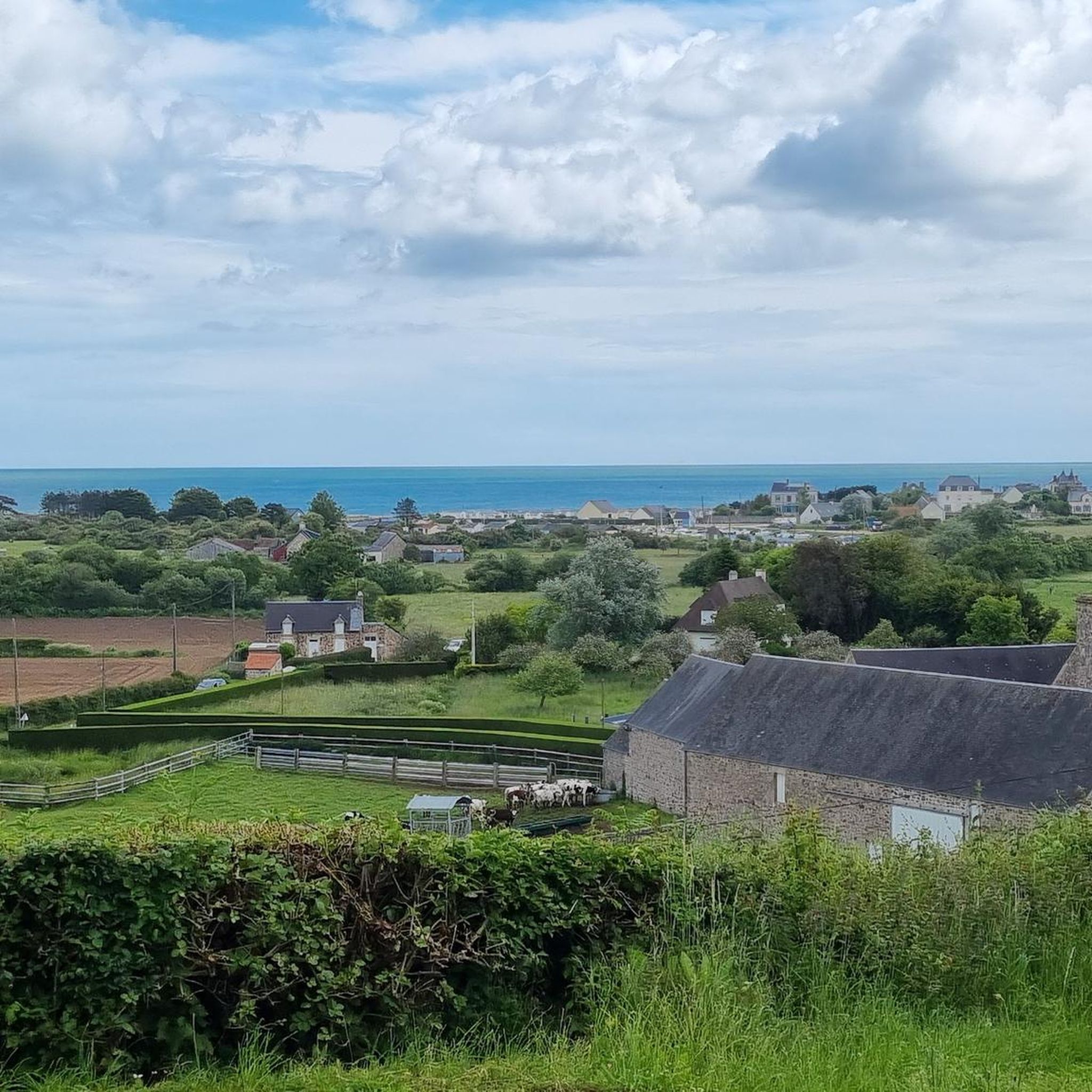

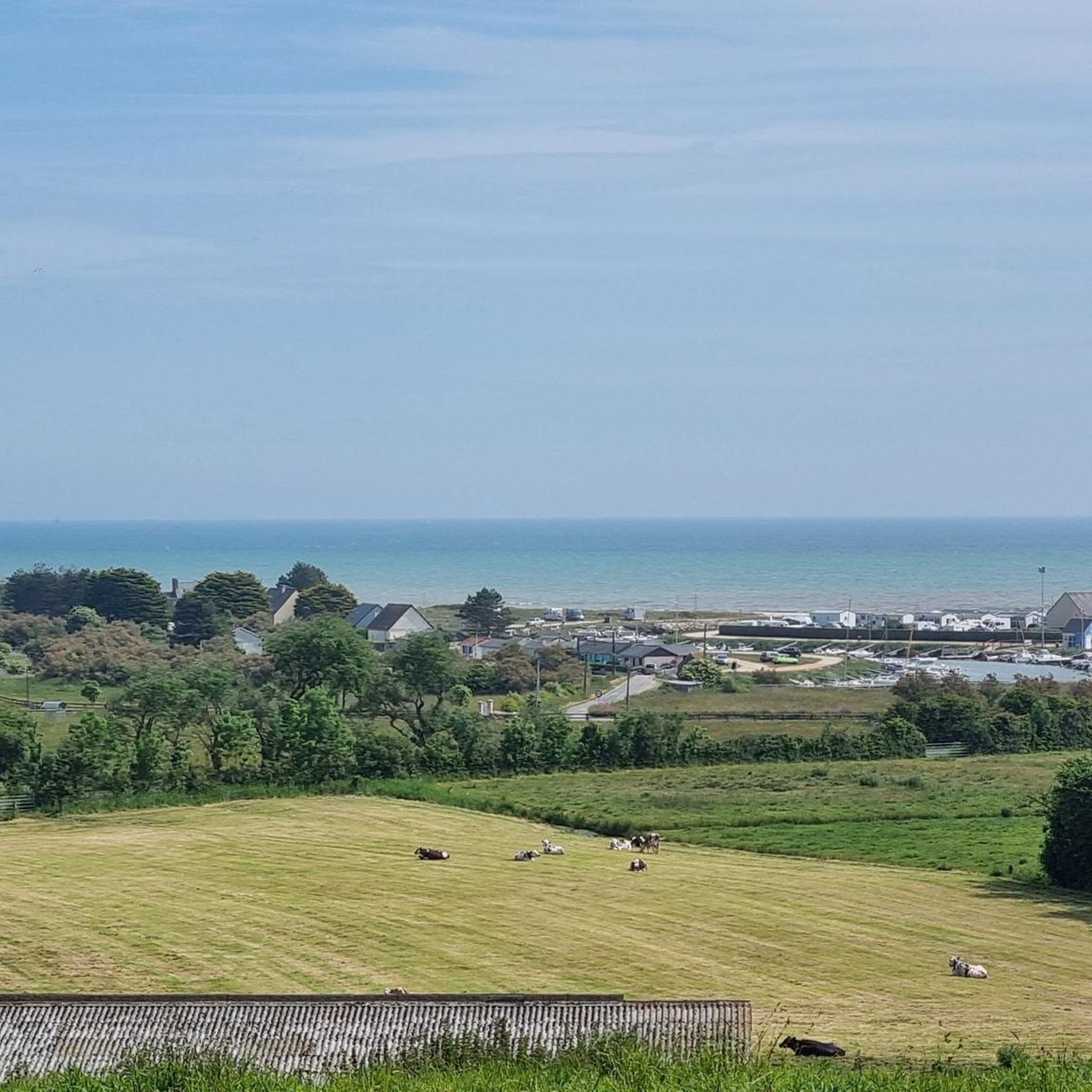

Tips from the Community

The church became known because a paratrooper was stuck on the church for hours during the invasion.
0
0

24h parking was only 4 Euros. We used this a the base for our days ride.
0
0

To be admired as a technical structure 😪However, it should also serve as a reminder and a warning. NEVER AGAIN WAR
6
0
Sherman tank in front of the AirBorn Museum. In the background is the church, where a doll still symbolizes paratrooper John Steele.
4
0

Location from which the landing was first reported in Berlin
0
0

It's Holy Mother Church and not the church :)
0
0

Very beautiful church which marked the history of 1944
2
0
Very nice place to visit to learn about the history of 1944
0
0
Frequently Asked Questions
What historical sites related to D-Day can I visit near Ozeville?
The region around Ozeville is rich in D-Day history. You can explore sites like the Crisbecq Battery (Saint-Marcouf), one of the most powerful German batteries of the Atlantic Wall, and the Azzeville Battery, known for its well-preserved underground passages. The town of Sainte-Mère-l'Église is also a must-see, famous for its role in the airborne operations and the parachutist mannequin hanging from its church spire. Other significant sites include the Utah Beach Landing Museum, the Airborne Museum, and the World War II Museum in Quinéville.
Are there any local historical landmarks within Ozeville itself?
Yes, Ozeville has its own historical points of interest. You can visit the 13th-century Église Saint-Martin, which features a 14th-century bas-relief of the Charity of Saint Martin. A centuries-old secular yew tree stands at the church entrance. The commune also has a 17th-century cemetery cross, an 18th-century path cross, and several historic farm-manors like Ferme-manoir de la Varengère and Ferme-manoir de la Saussée. Additionally, you can find the remains of a German battery, known as Fort d'Ozeville, near Les Fieffers Dancel.
Which picturesque towns are worth visiting near Ozeville?
Several charming towns are a short drive from Ozeville. Barfleur, listed as one of the 'most beautiful villages in France,' is known for its harbor. Saint-Vaast-la-Hougue, approximately 19 km away, is famous for its Vauban towers, a UNESCO World Heritage site, and its port. Cherbourg, about 25 km away, offers various monuments and museums. Bayeux, further afield, is renowned for its tapestry and impressive cathedral.
What natural features or sites of beauty can I explore around Ozeville?
Ozeville is part of the Seine-Normandie basin, with streams like the Coisel stream flowing through it. For broader natural beauty, you can visit the Baie des Veys, located about 20 km away. Further west, the dramatic coastal landscapes of Cap de la Hague and Nez de Jobourg offer stunning views. The Forêt de Cerisy, about 48 km away, provides a forested escape. You can also find remarkable gardens at châteaux like Parc du Château des Ravalet.
Are there family-friendly attractions near Ozeville?
Many attractions in the area are suitable for families. Sainte-Mère-l'Église, with its famous parachutist mannequin, is engaging for all ages. The historical batteries like Crisbecq Battery (Saint-Marcouf) and Azzeville Battery offer fascinating insights into history with tunnels and exhibits. The World War II Museum in Quinéville, with its reconstructed 1940s street, also provides an immersive experience for families.
What outdoor activities or routes can I find near Ozeville?
The area around Ozeville offers various outdoor activities, particularly cycling. You can find numerous routes for gravel biking, touring, and road cycling. For example, there are gravel biking routes like the 'Along the beach (Gravel) – Mouth of the Saire loop from Ravenoville' or the 'Sainte-Mère-l'Église – Azzeville Battery loop from Montebourg'. Touring cyclists can enjoy routes such as 'Le Havre de Quinéville et la batterie d'Azzeville — boucle depuis la batterie Crisbecq'. Road cycling options include the 'Crisbecq Batteries – Utah Beach loop from Montebourg'. You can explore more routes and details in the dedicated guides for Gravel biking around Ozeville, Cycling around Ozeville, and Road Cycling Routes around Ozeville.
Are there good viewpoints around Ozeville?
Yes, there are several spots offering scenic views. The Fort of La Hougue provides excellent views of the strategic peninsula and its surroundings. From the Port of Saint-Vaast-la-Hougue, you can enjoy beautiful vistas of the Ile Tatihou and the Fort de l'Ilet. For dramatic coastal panoramas, head to Cap de la Hague and Nez de Jobourg, located further west.
What do visitors enjoy most about the attractions around Ozeville?
Visitors particularly appreciate the rich historical significance, especially the D-Day related sites. The immersive experience of exploring the German batteries like Crisbecq Battery (Saint-Marcouf) and Azzeville Battery, with their underground passages and historical context, is highly rated. The unique sight of the parachutist mannequin at Sainte-Mère-l'Église also leaves a lasting impression. The well-preserved structures and strategic locations of sites like the Fort of La Hougue are also frequently highlighted.
Can I visit any UNESCO World Heritage sites near Ozeville?
Yes, the Vauban towers in Saint-Vaast-la-Hougue, including the Fort of La Hougue, are inscribed as a UNESCO World Heritage site. These defensive fortresses, built in the late 17th century, are significant examples of military architecture and offer a glimpse into the region's strategic importance.
Are there any notable gardens or châteaux to visit near Ozeville?
While Ozeville itself is a small commune, the surrounding region of Normandy boasts several remarkable gardens and châteaux. Within driving distance, you can find Parc du Château des Ravalet (23 km), Château de Beaurepaire (25 km), and Parc du Château de Nacqueville (34 km), all offering beautiful grounds and historical architecture to explore.
Where can I learn more about the local heritage of Ozeville?
For more in-depth information about Ozeville's local heritage, including its historical church, farm-manors, and other landmarks, you can consult resources like the commune's Wikipedia page. The Église Saint-Martin, with its 13th-century portal and 14th-century bas-relief, is a central piece of local history. The various historic farm-manors also offer insights into the region's architectural and agricultural past. For general information about the Manche department, you can visit manche-tourism.com.
Most popular routes around Ozeville
Most popular attractions around Ozeville

Get inspired with the komoot mobile app


Explore more
Still not found the Highlight you’re looking for? See guides of the top attractions in other regions:
