Attractions and Places To See around Saulzais-Le-Potier - Top 20
Best attractions and places to see around Saulzais-Le-Potier include a blend of historical architecture and natural features within the Cher department of France. The commune offers various sites, from medieval castles to 19th-century churches and ecological areas. Visitors can explore historical monuments and natural landscapes.
Best attractions and places to see around Saulzais-Le-Potier
- The most popular attractions is Ainay Castle, a castle that features fortified walls, towers, and landscaped gardens. This historic castle includes well-preserved parts from the 13th…
Last updated: July 2, 2026
Ainay Castle
Highlight • Castle
Translated by Google •
Tip by

Château de Culan
Highlight • Castle
Mazarin ordered in 1651, at the …
Translated by Google •
Tip by

Sign up now to discover places like this
Get recommendations on the best single tracks, peaks, & plenty of other exciting outdoor places.
Sign up for free
Gallo-Roman baths
Highlight • Historical Site
Translated by Google •
Tip by
Viaduct of Culan
Highlight • Bridge
Translated by Google •
Tip by

Saint Cyr Church
Highlight • Other
Translated by Google •
Tip by

Sign up for free to discover even more attractions around Saulzais-Le-Potier.
Sign up for free
Already have an account?
Start today with a free account
Your next adventure awaits.
Login or Signup


Tips from the Community

The most beautiful view is from the bridge.
0
0

A viaduct in two parts. The first spans the Moulin Neuf road and the second spans the Arnon. It rises to a height of 55 meters and welcomes bungee jumpers who take off in front of the castle.
0
0

Indeed, the population has been declining since 2008 (630 inhabitants compared to 543 in 2022), Vesdun has gradually seen its businesses close, bistro, butcher, bakery, grocery stores, the post office moved to the town hall, etc. ... in the 90s-2000s, Vesdun was a very beautiful, lively village, now it is more of a through road between Vallon en Sully and Culan although there is still a nursery/primary school.
0
0

Vesdun actually seemed a bit quiet, maybe we were there at the wrong time of day
1
0

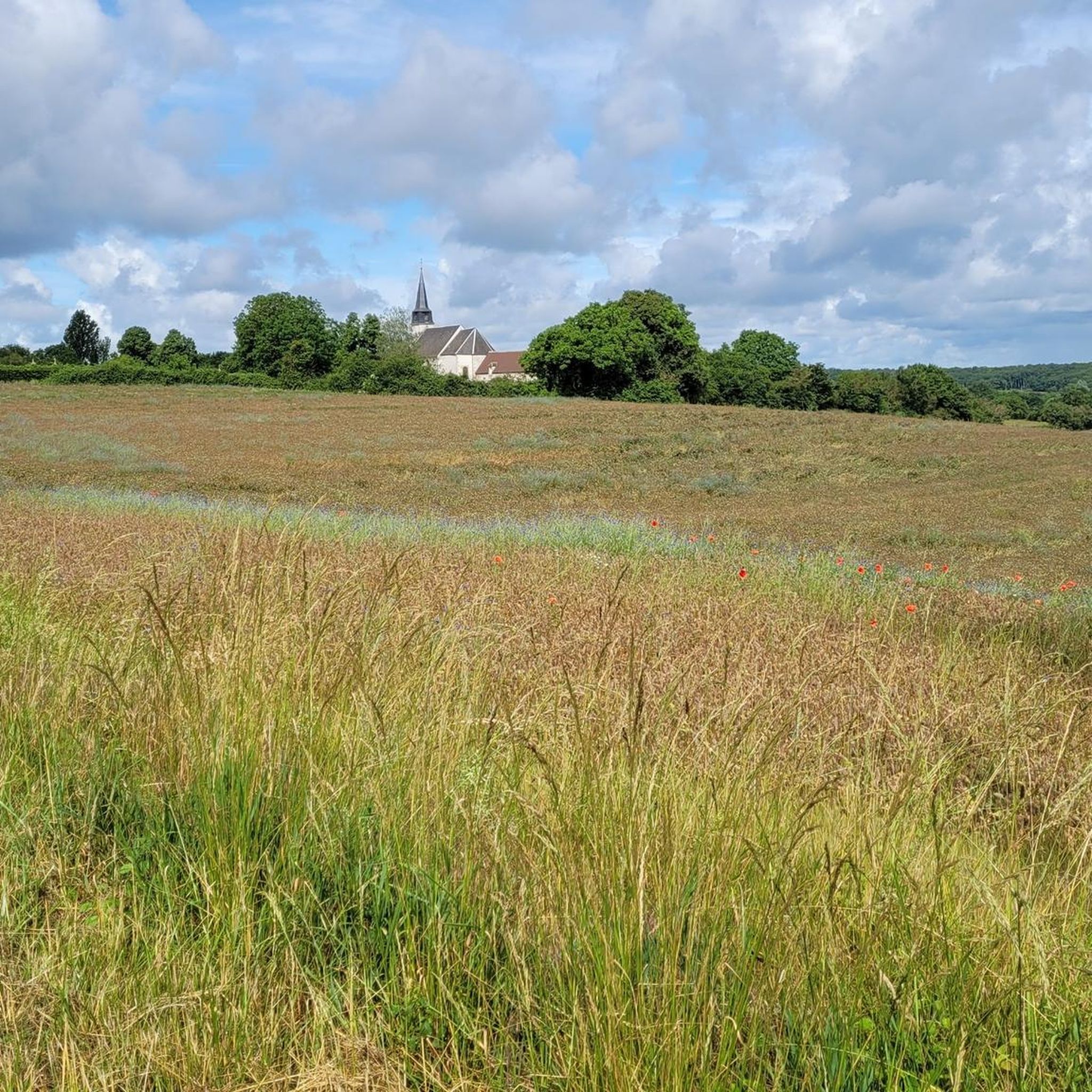
Nice little church. Otherwise, the village is pretty deserted.
1
0
At the beginning of the 12th century, the church was mentioned as a possession of the Abbey of Déols. A Benedictine priory-cure must have existed. The building appears as a rural church from the 12th century to which a chapel was added to the south (16th century) and to the west a bell tower-porch (1861). The Romanesque church, without a transept, includes a rectangular nave covered in the 16th century with a paneled barrel vault, extended by a large rectangular apse ending in a flat apse. The apse retains historic capitals. A fragmentary painted decoration develops in two parallel registers on the north and south slopes of the choir vault. The scenes represented are taken from the childhood of Christ: Annunciation, Visitation, Nativity in the north; Journey and Adoration of the Magi in the South.
0
0

Everyone knows the castle, but don't miss the church, located 100 meters across the street.
0
0
Located in the Cher department, the Ainay-le-Vieil castle, classified as a Historic Monument, is a superb family home passed down from generation to generation since 1467. Here, the medieval castle, the landscaped park and the gardens, which are listed as a Historic Monument and labeled “Remarkable Garden”. Ainay-le-Vieil is a 13th century fortified castle which has retained an intact defense system: gatehouse, towers, ramparts, parapet walk, two guardhouses and the moat. The courtyard and its two dwellings from the 13th century and the end of the 15th century take us on a journey through the centuries. The Castle purchased by the Lords of Bigny in 1467 is still inhabited by their descendants. There we discover the memories and traces of illustrious characters such as Louis XII and Anne of Brittany, Colbert, Marie-Antoinette or Napoleon. So many testimonies of French History to discover during guided tours, through superb and majestic salons. Ainay-le-Vieil also has Renaissance water gardens and a superb landscaped park with century-old trees. The tour of the exteriors guides the visitor on an introductory walk through the art of gardens: the rose garden with its old varieties, the two 17th century pavilions, the Carré en l'Île with its hornbeam structure cut into a palisade and its topiaries, the Chartreuses having in each of the five enclosures a garden with a different theme. The great particularity of this unique place is the omnipresence of water. Defensive when it surrounds the castle, it becomes pleasant when it runs around the gardens thanks to a judicious network of canals and becomes useful when it supplies the mill and the wash house with a clever set of shovels and weirs. Finally, the Ainay-le-Vieil castle also houses a Museum of Popular Arts and Traditions. A permanent exhibition is presented to the public and reproduces the daily life of the village of Ainay-le-Vieil before the war of 1914. We discover the rural world, its customs, its daily life and the richness of the trades which existed there. era.
0
0
Frequently Asked Questions
What historical sites can I visit around Saulzais-Le-Potier?
The region is rich in history. You can explore the impressive Ainay Castle, an enchanting medieval treasure with fortified walls and gardens. Another significant site is Château de Culan, a well-preserved castle primarily built between the 12th and 15th centuries. Additionally, the Gallo-Roman baths in Drevant offer a fascinating glimpse into ancient Roman life.
Are there any natural attractions or viewpoints in the area?
Yes, the commune of Saulzais-Le-Potier features a natural area of ecological, faunistic, and floristic interest, perfect for appreciating local biodiversity. For a unique viewpoint, visit the Viaduct of Culan, an old railway line 50m above the Arnon river, offering views of the nearby castle.
What kind of outdoor activities can I do near Saulzais-Le-Potier?
You can enjoy various outdoor activities. There are numerous hiking trails, such as the 'In the Footsteps of Le Grand Meaulnes Trail' or 'La Loubière Trail'. For cycling enthusiasts, both mountain biking and road cycling routes are available, including the 'Étang de la Loubière loop' for MTB and the 'Saint Cyr Church loop' for road cycling. You can find more details on these activities and routes in the dedicated guides for hiking, MTB, and road cycling around Saulzais-Le-Potier.
Are there family-friendly attractions around Saulzais-Le-Potier?
Many attractions are suitable for families. Both Ainay Castle and Château de Culan are categorized as family-friendly, offering engaging historical experiences. The Gallo-Roman baths also provide an educational and interesting outing for all ages.
What is the best time to visit Saulzais-Le-Potier for outdoor activities?
The period between Easter and All Saints’ Day (typically spring through autumn) is ideal for visiting, especially if you plan to explore historical sites like Château de Culan, which offers medieval weekends and thematic visits during part of the summer. This timeframe generally provides pleasant weather for hiking, cycling, and enjoying the natural areas.
Can I find easy hiking routes suitable for beginners or families?
Yes, there are several easy routes available. For instance, the 'Les Fruits du Passau Campsite loop from Courçais' and the 'Château de Culan loop from Culan' are both rated as easy. You can explore more options in the hiking guide for the area.
What is the Church of Saulzais-le-Potier like?
The Church of Saulzais-le-Potier was rebuilt in the 19th century on the site of a former priory chapel. It incorporates a stone from the original chapel and reuses round pillars and arches made of pink sandstone from a 12th-century church, showcasing its long history and architectural evolution.
Are there any other notable chateaus besides Ainay and Culan?
Beyond the prominent Ainay Castle and Château de Culan, Saulzais-Le-Potier is also home to the 18th-century Château de La Lande, which incorporates elements from an older medieval castle, and other chateaus like Château de Mazière and Château de Champmatouin.
What do visitors enjoy most about the attractions around Saulzais-Le-Potier?
Visitors particularly appreciate the well-preserved historical aspects of the castles, such as the 13th and 15th-century parts of Ainay Castle and the excellent condition of Château de Culan. The scenic views from the Viaduct of Culan, especially with the castle in the background, are also highly regarded.
Is there anything commemorating local figures in Saulzais-Le-Potier?
Yes, the town commemorates aviation pioneer Georges Pelletier-Doisy with a stèle. He was a World War I ace and made the first Paris-Saigon-Tokyo aerial link in 1924, marking a significant historical achievement.
Are there any circular hiking routes available?
Yes, the area offers circular hiking routes. For example, the 'Château de Culan loop from Culan' is a circular route. You can find more details and other options in the hiking guide for Saulzais-Le-Potier.
What is the Saint Cyr Church like?
The Saint Cyr Church, located near Vesdun, is a charming rural church with Romanesque origins from the 12th century. It features a rectangular nave and apse, with a 16th-century chapel addition and an 18th-century bell tower-porch. The apse retains historic capitals and fragmentary painted decorations depicting scenes from the childhood of Christ.
Most popular routes around Saulzais-Le-Potier

Get inspired with the komoot mobile app


Explore more
Still not found the Highlight you’re looking for? See guides of the top attractions in other regions:
