The best road cycling routes around Saint-Bonnet-L'Enfantier
4.7
(33)
633
riders
117
rides
Road cycling routes around Saint-Bonnet-L'Enfantier offer diverse landscapes across the Corrèze department, characterized by varied terrain and quiet roads. The region features the green gorges of the Dordogne and Vézère rivers to the south, and the wilder landscapes of the Millevaches Regional Natural Park to the north. The Monédières Massif presents more challenging terrain with significant elevation changes, while the Corrèze Causse showcases distinctive flora. This area provides a network of routes suitable for different cycling preferences.
Best road cycling…
Last updated: July 1, 2026
4.5
(2)
4
riders
95.8km
04:45
1,380m
1,380m
Hard road ride. Very good fitness required. Mostly well-paved surfaces and easy to ride.
5.0
(1)
18
riders
41.0km
02:02
660m
660m
Moderate road ride. Good fitness required. Mostly well-paved surfaces and easy to ride.

Sign up for free
10
riders
32.5km
01:41
540m
540m
Moderate road ride. Good fitness required. Mostly well-paved surfaces and easy to ride.
9
riders
73.6km
03:39
1,060m
1,060m
Hard road ride. Very good fitness required. Some segments of this route may be unpaved and difficult to ride.
8
riders
Moderate road ride. Good fitness required. Some segments of this route may be unpaved and difficult to ride.
Get access to more routes and recommendations from other explorers.
Sign up for free
Already have an account?
Our route recommendations are based on thousands of hikes, rides, and runs completed by other people on komoot.
Start today with a free account
Your next adventure awaits.
Login or Signup



Tips from the Community

Rue de Corrèze in Brive-la-Gaillarde is an iconic street in the historic center, full of charm and activity. It perfectly embodies the Brive spirit: a blend of heritage, commerce, and conviviality.
0
0
Built in the early 15th century, it stands over the tomb of Saint Liberal, a local saint from the 11th century and former archbishop of Embrun. It is built of Grammont sandstone, typical of the region, with a western portal adorned with pointed arched columns in the Limousin style.
0
0

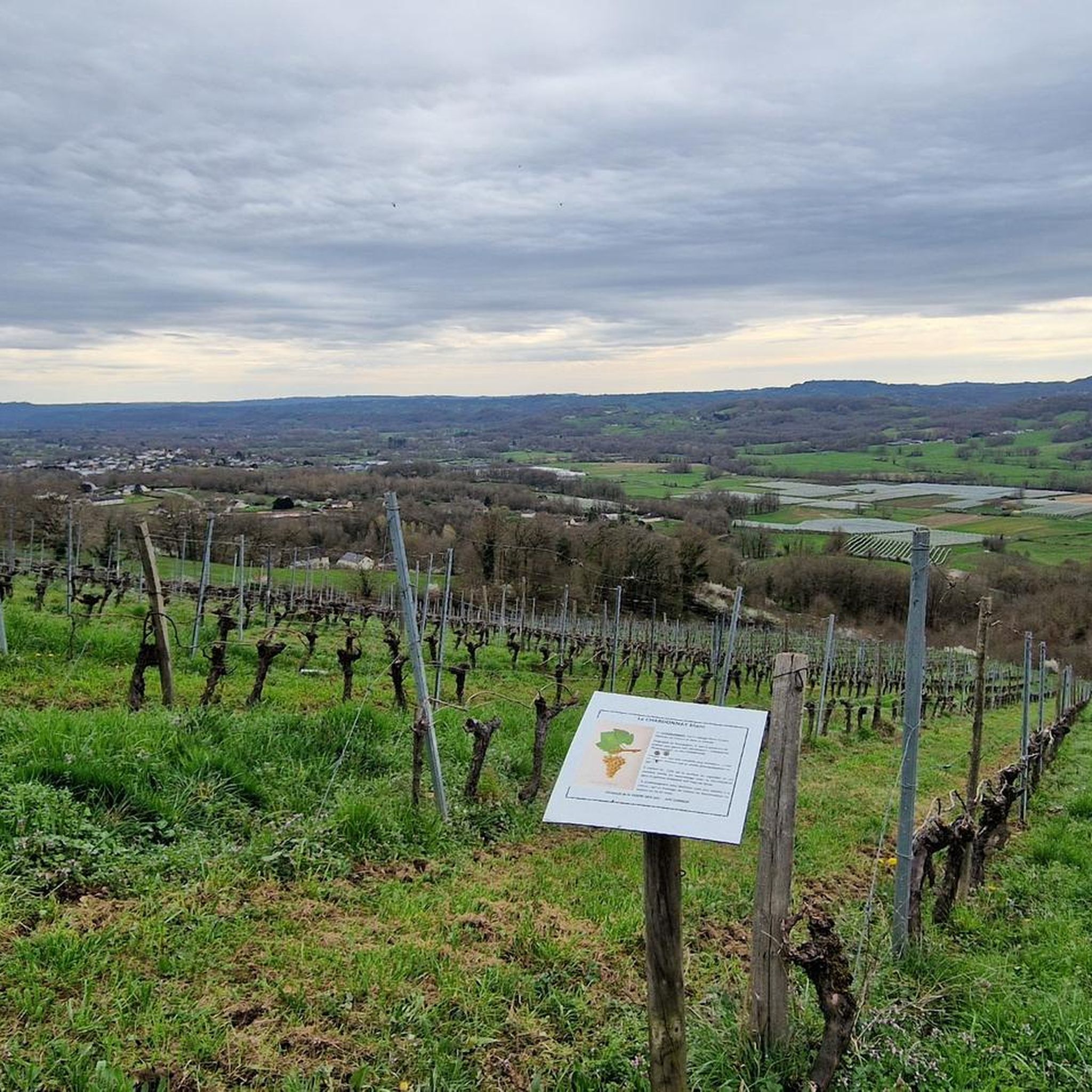
Why Visit the Donzenac Viewpoint? For the panoramas: The spectacular view of the village of Donzenac and the surrounding landscapes is a major asset for nature and photography lovers. For the tranquility: The site offers a moment of calm and contemplation, perfect for escaping the hustle and bustle of everyday life. For the discovery of heritage: The view allows you to appreciate the beauty and medieval architecture of the village of Donzenac in an exceptional natural setting. The Donzenac viewpoint is a must-see place for those who wish to discover the picturesque beauty of this Corrèze village and admire the landscapes set in the tranquility of the countryside.
1
0
Leisure Activities: Hiking: The viewpoint can be reached via hiking trails, allowing visitors to enjoy a walk in nature while discovering the beauty of the landscape. Photography: It is an ideal place for photography enthusiasts, offering opportunities to capture exceptional panoramas and picturesque views of the village and its surroundings. Atmosphere and Tranquility: Relaxation: The viewpoint is a quiet place where visitors can relax, enjoy the scenery and take a moment to appreciate the natural beauty of the area. Peaceful Atmosphere: The calm environment and spectacular view create a serene atmosphere, ideal for recharging one’s batteries.
1
0
The Donzenac Viewpoint is a panoramic location offering stunning views of this charming village located in the Corrèze department of Nouvelle-Aquitaine. Nestled on a hill, Donzenac is renowned for its medieval architecture and picturesque setting, and the viewpoint is an excellent vantage point. Points of Interest at the Donzenac Viewpoint: Panoramic View: Surrounding Landscapes: The viewpoint offers a clear view of the surrounding landscapes, including the green hills, winding valleys and fields typical of the region. The rolling landscapes of the Corrèze can be seen, which add to the beauty of the panorama. Village View: From this viewpoint, you can admire the village of Donzenac with its tiled roofs, narrow streets and historic buildings. The view allows you to appreciate the picturesque arrangement of the houses and monuments of the village. Architectural Heritage: Medieval Architecture: Donzenac is known for its well-preserved medieval buildings, such as stone houses, ancient churches, and ramparts. The viewpoint allows you to grasp the layout and beauty of this traditional architecture in its context. Saint-Pierre Church: Among the elements visible from the viewpoint, the Saint-Pierre church stands out for its Romanesque architecture and its imposing bell tower.
1
0
Why Explore Corrèze? For its varied landscapes: The course of the Corrèze crosses landscapes ranging from wild plateaus to green valleys, offering an ideal setting for walks and nature activities. For its river heritage: The river is dotted with towns and villages that bear witness to its historical and economic importance in the region. For water activities: The Corrèze is ideal for water-based leisure activities such as canoeing, fishing, or simply walking along its banks. The Corrèze is a river that combines history, nature and leisure, allowing visitors to discover the riches of this beautiful region through its quiet course and enchanting landscapes.
1
0
The Corrèze is a river in the Massif Central, which gives its name to the department of the same name in New Aquitaine. Rising at an altitude of almost 900 metres on the Millevaches plateau, it flows for around 95 kilometres before flowing into the Vézère, a tributary of the Dordogne. The river crosses several communes, including Tulle and Brive-la-Gaillarde, playing an important role in the history and development of the region. Points of Interest in the Corrèze: A River with Wild Sources: Millevaches Plateau: The Corrèze rises in this granite region rich in peat bogs and moors. The landscape is wild and unspoilt, offering a raw nature that appeals to hiking enthusiasts and those who observe flora and fauna. Picturesque landscapes: Throughout its course, the river draws varied landscapes, between gorges, green valleys and meadows. Crossing Historic Towns: Tulle: The capital of the department, crossed by the Corrèze, is known for its medieval streets, its cathedral and its picturesque bridges that span the river. Tulle developed around this river axis that shaped its history. Brive-la-Gaillarde: Further downstream, the Corrèze bathes this dynamic and commercial city. Its development was also linked to its proximity to the river, which encouraged trade and industry. A Natural and Tourist Heritage: Outdoor activities: The river offers many possibilities for leisure, including fishing, canoeing and hiking. The banks of the Corrèze are often lined with developed trails that allow you to discover the natural beauty of the region. Wildlife observation: The Corrèze is home to a rich biodiversity, with a variety of aquatic fauna, such as trout, pike and crayfish. It is also home to many species of birds. Historical and Economic Role: Irrigation and Mills: Over the centuries, the Corrèze has been used to irrigate agricultural land and power many mills, which played a crucial role in the local economy. Some remains of these mills still exist today. Strategic Importance: Riverside towns such as Tulle and Brive took advantage of their position on the Corrèze to develop commercially and militarily, using the river as a means of communication.
1
0

"The Corrèze is a river in France that flows in the department of the same name, Corrèze, in the Nouvelle-Aquitaine region. It rises on the Plateau de Millevaches in the Millevaches en Limousin Regional Nature Park. Its source is in the municipality of Pérols-sur-Vézère, on the southern slope of the Puy Chabrol. The Corrèze generally drains towards the southwest and flows into the Vézère as a left tributary around 95 kilometers west of Brive-la-Gaillarde. The wild course of the river is still largely preserved in its original form." The Corrèze river flows through Brive-la-Gaillarde.
5
0
Frequently Asked Questions
How many road cycling routes are available around Saint-Bonnet-L'Enfantier?
The region around Saint-Bonnet-L'Enfantier offers a wide selection of road cycling routes, with over 130 options available. These routes cater to various skill levels, from easy to difficult.
What kind of terrain can I expect when road cycling in the Corrèze department?
The Corrèze department, where Saint-Bonnet-L'Enfantier is located, is known for its diverse terrain. You'll find everything from the lush green gorges of the Dordogne and Vézère rivers to the wilder landscapes of the Millevaches Regional Natural Park. The Monédières Massif offers more challenging climbs, while the Corrèze Causse features distinctive flora. Most roads are quiet departmental roads, ideal for cycling.
Are there road cycling routes suitable for families or beginners?
Yes, the Corrèze department provides options for all skill levels. Beyond the more challenging routes, there are 15 family-oriented loops, typically 15 to 20 kilometers long, designed for a more relaxed pace. You can find around 9 easy routes in the area, perfect for beginners or a leisurely ride.
What are some notable natural attractions or scenic viewpoints along the cycling routes?
Cyclists can enjoy stunning natural beauty. The Dordogne Valley offers spectacular scenery, recognized as a UNESCO biodiversity reserve. To the north, the Millevaches Regional Natural Park features moors, peat bogs, and forested mountains. For impressive views, consider routes that pass near the View of Donzenac or the Pans of Travassac, a unique gorge. The Puy de Roche de Vic also offers an exceptional 360-degree panoramic view.
Are there any long-distance or multi-day cycling routes in the region?
Yes, the region is home to "La Vagabonde" Cycle Route (V87), a significant 157-kilometer route that traverses the Corrèze from north to south. It's fully signposted and includes rest areas, making it suitable for longer journeys through varied Corrèze scenery, from the Millevaches Regional Natural Park to the Dordogne Valley. For a challenging long-distance day ride, consider the North of Perpezac-le-noir route, which covers nearly 96 km with significant elevation gain.
What historical or cultural sites can I discover while cycling?
The region is rich in heritage. Routes often pass through charming villages and offer opportunities to discover sites like the Cistercian abbey and historic canal in Aubazine. You might also encounter castles such as Château de Saillant, or religious buildings like the Saillant Chapel with its Marc Chagall Stained Glass Windows. The medieval village of Donzenac is also a charming stop.
What is the best time of year for road cycling in Saint-Bonnet-L'Enfantier and the Corrèze?
The Corrèze department is generally pleasant for cycling from spring through autumn. The varied landscapes are particularly beautiful during these seasons. Spring offers lush greenery, while autumn provides vibrant colors. Summers are typically warm, but the region's numerous rivers and lakes can offer refreshing stops.
What do other road cyclists enjoy most about cycling in Saint-Bonnet-L'Enfantier?
The area is highly rated by the komoot community, with an average score of 4.5 stars from over 70 reviews. Cyclists often praise the quiet departmental roads, the rolling hills, and the scenic views of the Dordogne Valley and Millevaches Regional Natural Park. The diverse network of routes, catering to various ability levels, is also a significant draw.
Are there challenging road cycling routes with significant climbs?
Absolutely. The Monédières Massif, in particular, is known for its demanding terrain and significant elevation changes, catering to experienced cyclists seeking challenges. Some sporty loops even follow sections of the 1998 Tour de France time trial. Routes like the Cathedral – Collegiate Church of Saint-Martin loop from Sadroc offer over 1000 meters of elevation gain.
Can I find circular road cycling routes around Saint-Bonnet-L'Enfantier?
Yes, many of the road cycling routes in the area are designed as loops, allowing you to start and finish in the same location. For example, the Château de Comborn Climb loop from Perpezac-le-Noir and the View of Donzenac loop from Saint-Pardoux-l'Ortigier are popular circular options that allow you to explore the varied countryside.
Where can I find information on bike-friendly accommodation or amenities for cyclists?
The Corrèze department actively promotes cycling tourism. For specific information on bike-friendly accommodation, restaurants, and cafes in and around Saint-Bonnet-L'Enfantier, it's recommended to check with local tourist information centers. The "La Vagabonde" route, for instance, is equipped with rest areas, some offering water and sanitary facilities.
Is public transport available to access cycling routes, or is parking readily available?
While specific public transport links directly to trailheads in Saint-Bonnet-L'Enfantier might be limited, the region is well-suited for car access. Parking is generally available in villages and towns, allowing cyclists to drive to a starting point and embark on their chosen route. For detailed parking information for specific routes, local tourist offices can provide guidance.
Most popular routes around Saint-Bonnet-L'Enfantier
Most popular attractions around Saint-Bonnet-L'Enfantier

Get inspired with the komoot mobile app


Explore more
Browse the best Road cycling routes in other regions.
