The best cycling routes around Magny-Lormes
4.5
(166)
865
riders
88
rides
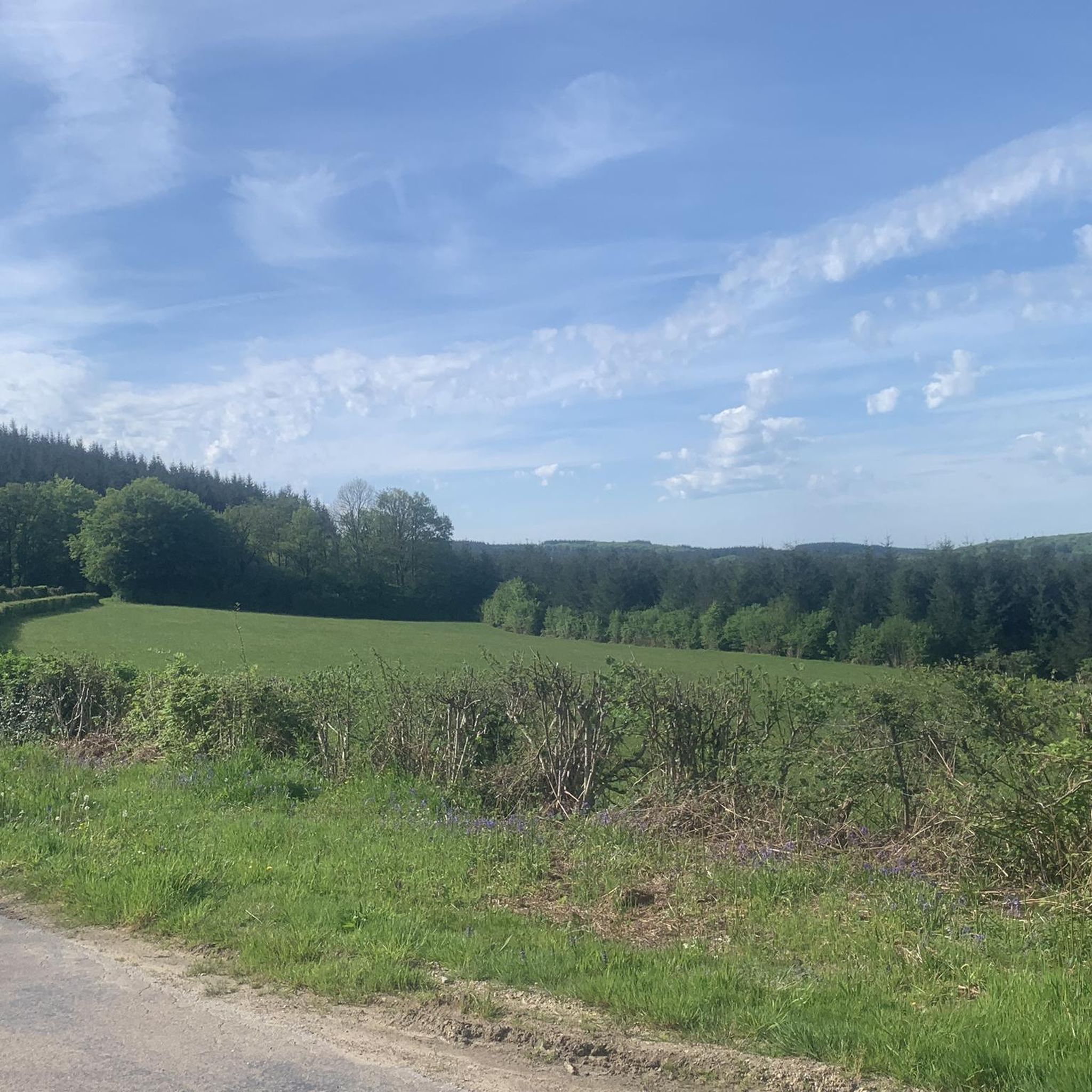
Touring cycling around Magny-Lormes is set within the Morvan Regional Natural Park in France, characterized by diverse and captivating landscapes. The region features rolling hills, dense forests, and serene lakes such as Lac des Settons and Lac de Pannecière. Rivers and waterfalls crisscross the terrain, which also includes a low mountain massif, providing varied elevation for cyclists. These natural elements create a scenic backdrop for cycling routes.
Best touring cycling routes around Magny-Lormes
- The most popular touring cycling route is…
Last updated: October 22, 2026
4.5
(4)
8
riders
37.3km
02:30
470m
470m
Hard bike ride. Very good fitness required. Mostly paved surfaces.
4.8
(24)
156
riders
31.5km
01:51
190m
190m
Moderate bike ride. Good fitness required. Mostly paved surfaces.

4.7
(28)
72
riders
33.0km
02:11
420m
420m
Moderate bike ride. Good fitness required. Mostly paved surfaces.
4.3
(7)
57
riders
30.0km
01:46
150m
150m
Easy bike ride. Mostly paved surfaces.
4.4
(16)
94
riders
63.9km
03:42
260m
260m
Moderate bike ride. Good fitness required. Mostly paved surfaces.
Get access to more routes and recommendations from other explorers.
Already have an account?
Our route recommendations are based on thousands of hikes, rides, and runs completed by other people on komoot.
Start today with a free account
Your next adventure awaits.

Tips from the Community

The Canal du Nivernais During the harsh winter of 1782-1783, the Morvan forest was no longer sufficient to supply the capital with wood. Wood had to be transported from other forests, particularly from the Bazois. To solve this problem, the construction of a small channel between the Loire and the Yonne was considered. Work began in 1784 with the boring of "La Montagne" at La Collancelle, and in 1786, the construction of a navigable canal was planned. After 56 years of construction, the three tunnels were completed in 1840, and on March 15, 1841, the Nivernais Canal was officially opened. In the first four decades, the canal saw an increase in traffic, as it served as a means of transport for heavy loads such as stone, wood, and coal. With the decline in demand for wood in the capital and the advent of the railway, the decline of navigation on the canal began. In the 1970s, political will and financial support were needed to promote river tourism, ecotourism, and cycling tourism. To this day, the Canal du Nivernais is one of the busiest canals in France, thanks to its gentle cruising.
0
0
The Nivernais Canal During the cold winter of 1782-1783, the Morvan forest was no longer sufficient to supply the capital with wood. It became necessary to transport wood from other forests, those of Bazois. Work was then considered to build a small channel between the Loire and the Yonne. In 1784, construction began with the drilling of "La Montagne" from La Collancelle, and in 1786, the construction of a navigation canal was planned. In 1840, the construction of the three tunnels was completed, then on March 15, 1841, the official commissioning of the Nivernais Canal took place. In the first 40 years, traffic on the canal increased, and it was also used as a means of transport for heavy loads (especially stone, but also wood and coal). With the decline in demand for wood in the capital and the development of the railway, navigation on the canal began to decline. In the 1970s, political will and funding were needed to develop river tourism, ecotourism, and cycle tourism. To this day, the Canal du Nivernais is one of the busiest canals in France due to its philosophy of gentle roaming.
0
0
The Nivernais Canal During the cold winter of 1782-1783, the Morvan forest was no longer sufficient to supply the capital with wood. It became necessary to transport wood from other forests, those of Bazois. Work was then considered to create a small channel between the Loire and the Yonne. In 1784, construction began with the boring of "La Montagne" in La Collancelle, and in 1786, the construction of a navigation canal was planned. In 1840, the construction of the three tunnels was completed, then on March 15, 1841, the official opening of the Nivernais Canal took place. In the first 40 years, traffic on the canal increased, and it was also used as a means of transport for heavy loads (particularly stone, but also wood and coal). With the decline in demand for wood in the capital and the development of the railway, navigation on the canal began to decline. In the 1970s, political will and funding were needed to develop river tourism, ecotourism, and cycle tourism. To this day, the Canal du Nivernais is one of the most frequented canals in France, thanks to its philosophy of gentle roaming.
0
0

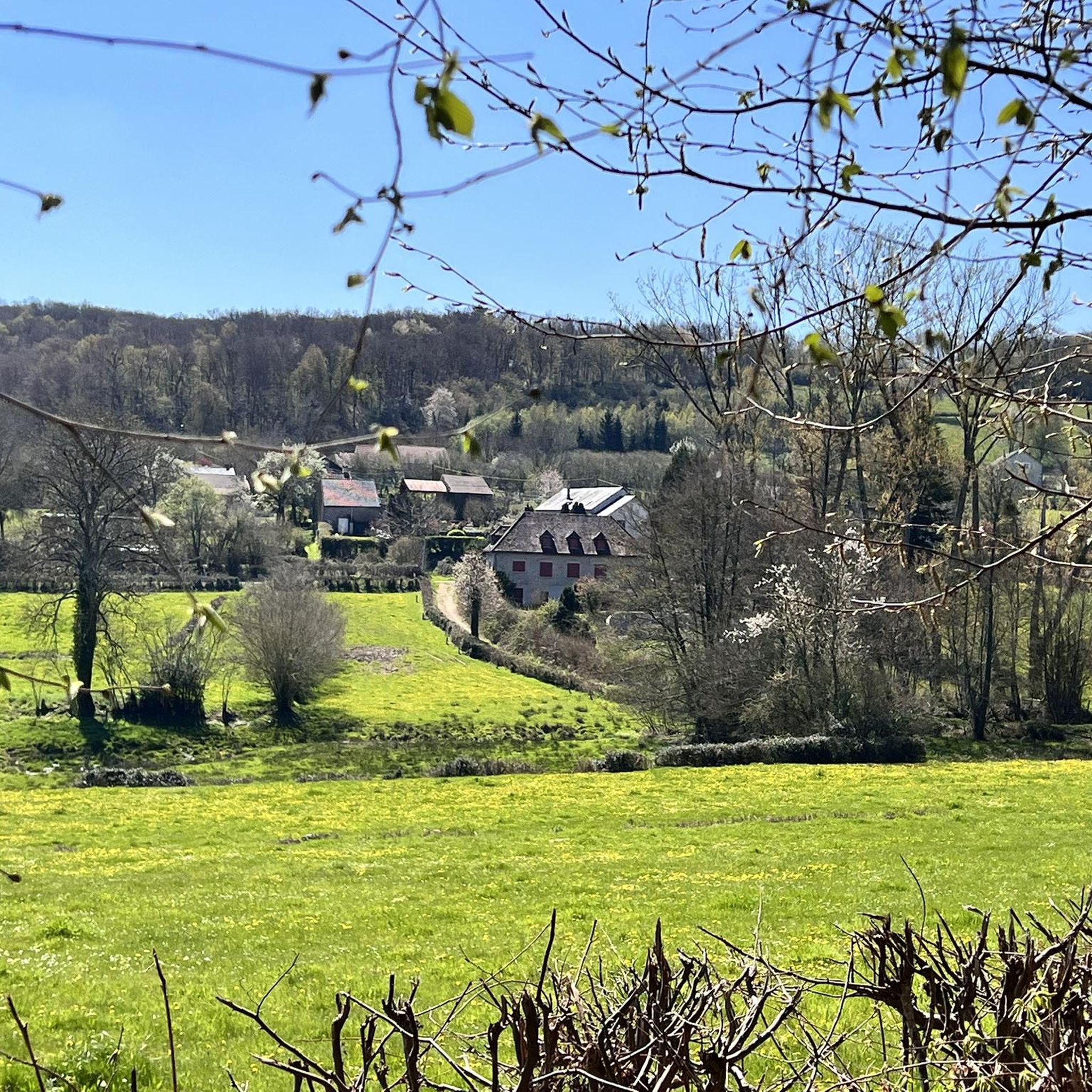
There are no two alike! Plus, it's excellent with quality local products Yep & Pèt' https://maps.app.goo.gl/d31KRAa95boizLW16
0
0


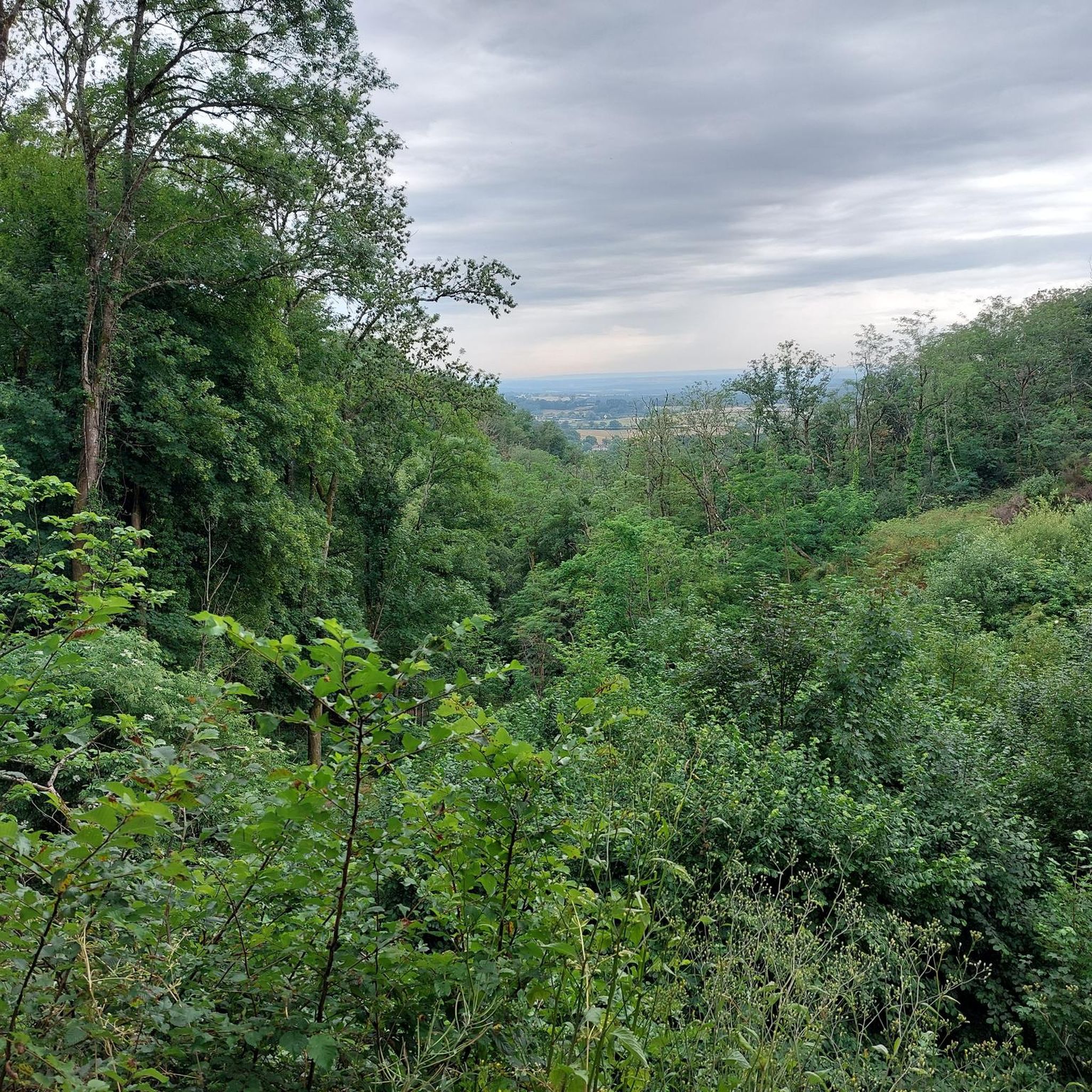
pleasant and shaded
0
0
Not for regular bikes, only for mountain bikers. Bring wellington boots.
0
0
Frequently Asked Questions
How many touring cycling routes are available around Magny-Lormes?
There are over 80 touring cycling routes around Magny-Lormes, catering to various skill levels. You'll find a good mix, with 14 easy, 37 moderate, and 29 difficult routes to explore.
What are some of the natural highlights I can see while cycling in the Morvan Regional Natural Park?
The Morvan Regional Natural Park offers diverse natural beauty. You can cycle past serene lakes like Lac des Settons and Lac de Pannecière, explore dense fir forests, and encounter picturesque waterfalls such as the Narvau Waterfall. The region's rolling hills and low mountains also provide stunning panoramic views.
Are there any family-friendly cycling routes in the Magny-Lormes area?
Yes, there are several routes suitable for families. For a moderate and scenic option, consider the Lormes – Étang du Goulot loop from Lormes, which is about 18.8 km long and takes you around the charming Étang du Goulot, offering opportunities for other activities. Another similar moderate route is the Étang du Goulot – Lormes loop from Étang du Pontot.
What kind of terrain can I expect on touring cycling routes around Magny-Lormes?
The terrain around Magny-Lormes is characterized by rolling hills and a low mountain massif within the Morvan Regional Natural Park. You'll encounter varied elevation, from gentle slopes to more challenging ascents like those found on routes passing through cols. Most routes are on quiet, well-paved country roads, making them ideal for touring cyclists.
Are there any circular touring cycling routes available?
Yes, many of the touring cycling routes around Magny-Lormes are designed as circular loops. Examples include the challenging Lormes – Col de Guitte Longue loop from Lormes and the Lormes – Col de Marigny loop from Lormes, both offering significant elevation gain and scenic views. For a cultural and challenging ride, the Bridge over the Cure – Vézelay loop from Magny-Lormes is also a circular option.
What historical or cultural landmarks can I visit along the cycling routes?
Beyond the natural beauty, you can incorporate historical sites into your rides. The Bridge over the Cure – Vézelay loop from Magny-Lormes takes you to the historic town of Vézelay, known for its basilica. Other nearby attractions include the impressive Bazoches Castle and the Town of Corbigny.
What do other touring cyclists say about the routes in Magny-Lormes?
The touring cycling routes around Magny-Lormes are highly regarded by the komoot community, with an average rating of 4.5 stars from over 100 reviews. Cyclists often praise the varied terrain, the quiet country roads, and the beautiful natural landscapes of the Morvan Regional Natural Park.
Is it possible to combine cycling with other activities like walking or swimming?
Absolutely! Many routes pass by lakes such as Étang du Goulot, which is a popular spot for swimming and walking. The town of Lormes itself, often a starting point for rides, offers charming streets and access to the Étang du Goulot for family activities.
Are there any long-distance touring options that pass through or near Magny-Lormes?
Yes, Magny-Lormes is well-situated for longer tours. It's part of the broader Morvan cycling network, including the 316 km 'Tour du Morvan par l'extérieur' and the 154 km 'Grands Lacs du Morvan' circuit. The region also connects to the extensive 'Tour de Bourgogne à vélo' network, offering numerous possibilities for multi-day adventures.
What is the best time of year for touring cycling in Magny-Lormes?
The Morvan Regional Natural Park is beautiful throughout the warmer months. Spring and autumn offer pleasant temperatures and vibrant scenery, while summer provides longer daylight hours. The extensive fir forests also provide shaded routes, making cycling enjoyable even on sunnier days.
Are there any routes that feature water bodies like lakes or rivers?
Many routes in the region incorporate its beautiful water features. You'll find paths that wind around significant lakes like Lac des Settons and Lac de Pannecière, as well as smaller, picturesque spots like Étang Chaumail. The landscape is also crisscrossed by streams and rivers, adding to the scenic beauty.
Can I find routes that offer challenging climbs and rewarding views?
Yes, the Morvan's rolling hills and low mountain massif provide excellent opportunities for challenging climbs. Routes often feature passes like Col de la Croix Pilate and Col de la Gourdonne, leading to exhilarating ascents and rewarding panoramic views of the park's diverse landscapes.
Most popular attractions around Magny-Lormes

Get inspired with the komoot mobile app


Explore more
Browse the best Cycling routes in other regions.
