Attractions and Places To See around Jarnioux - Top 20
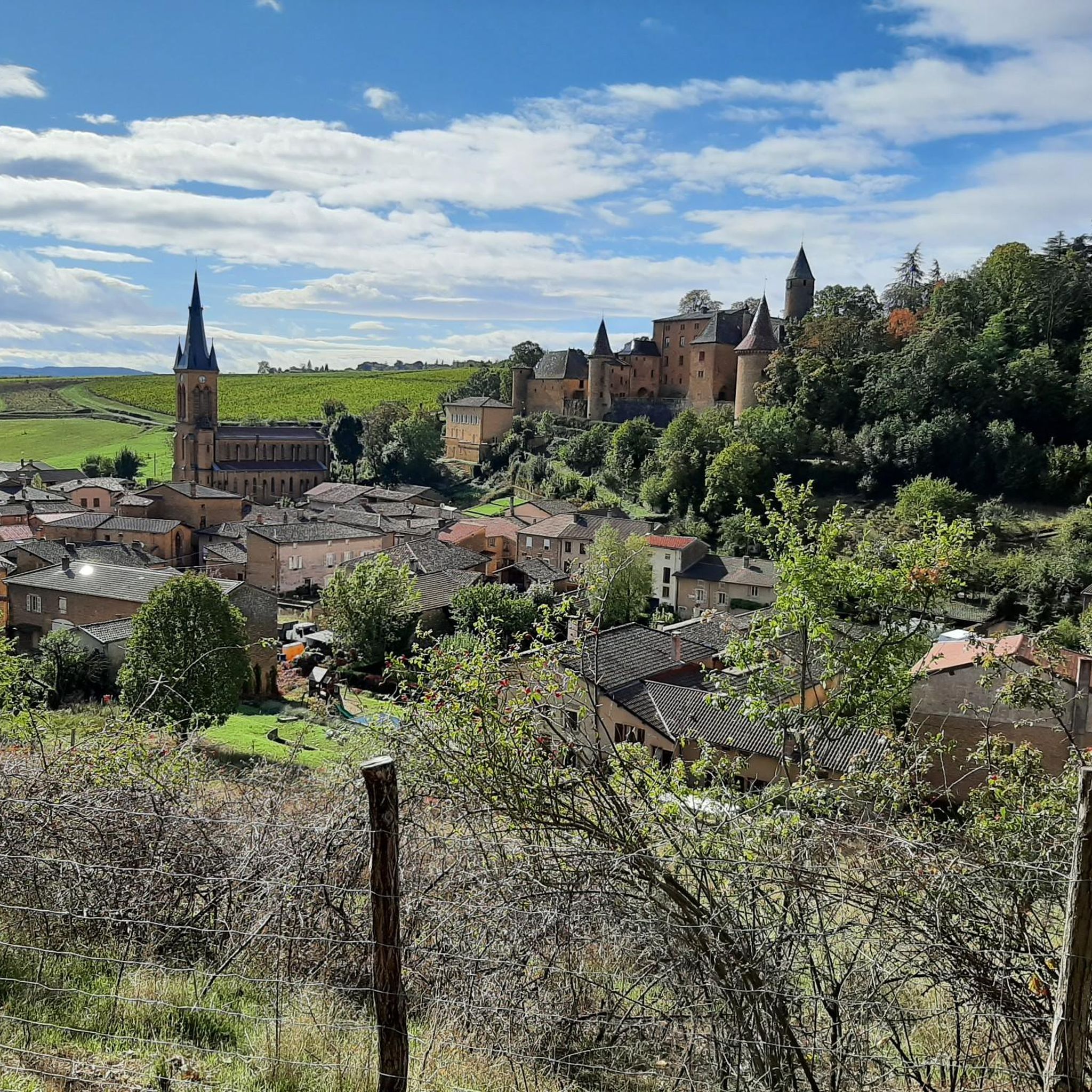
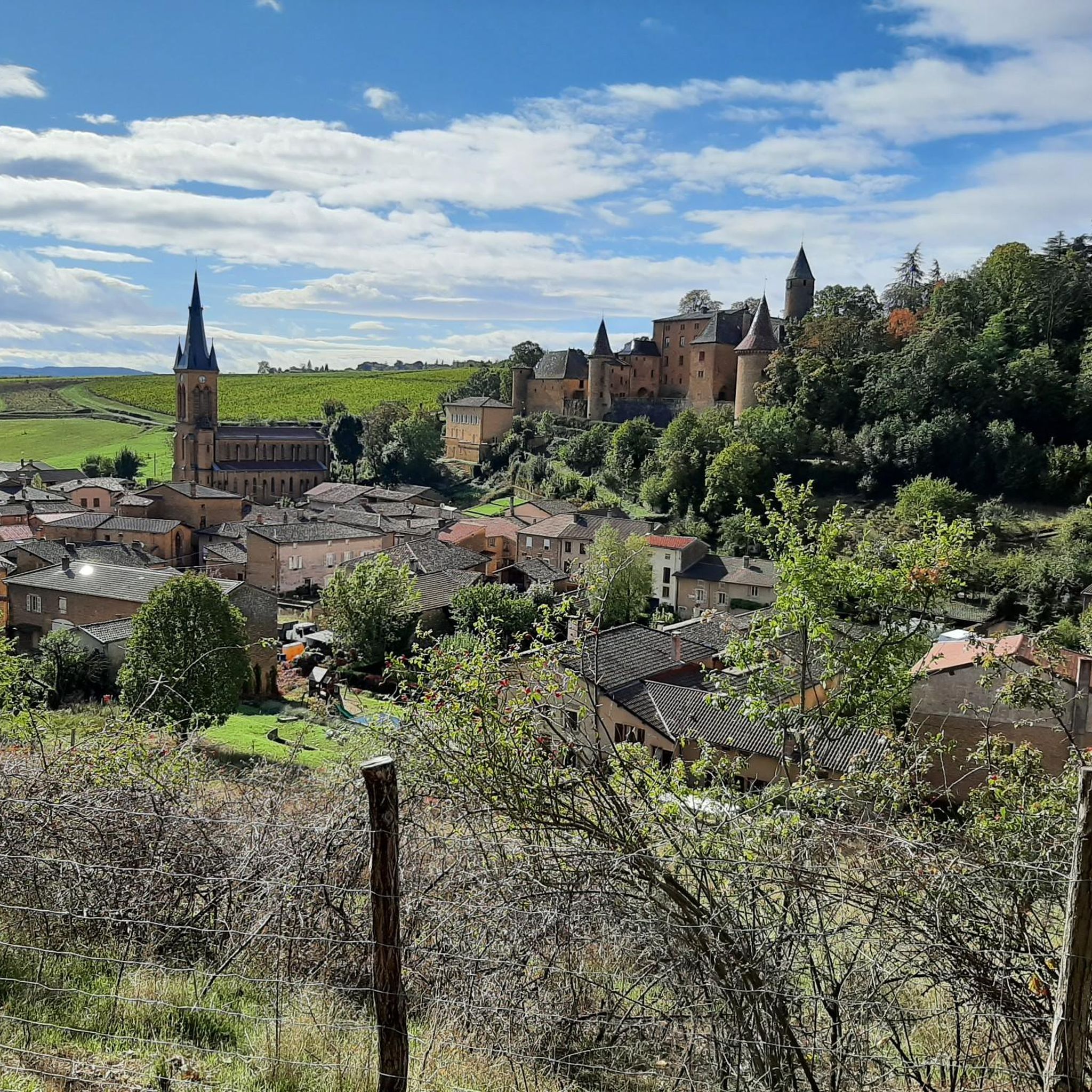
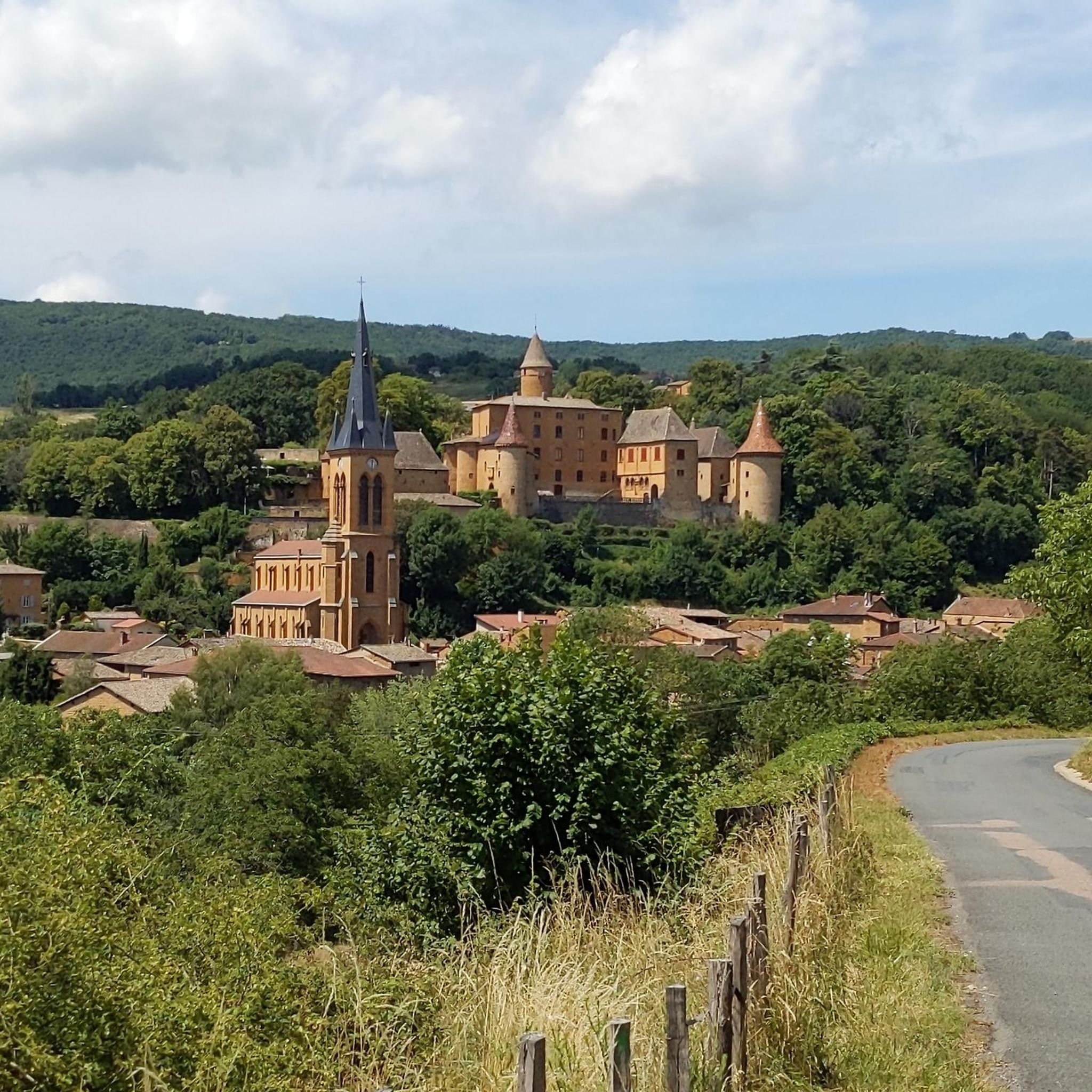
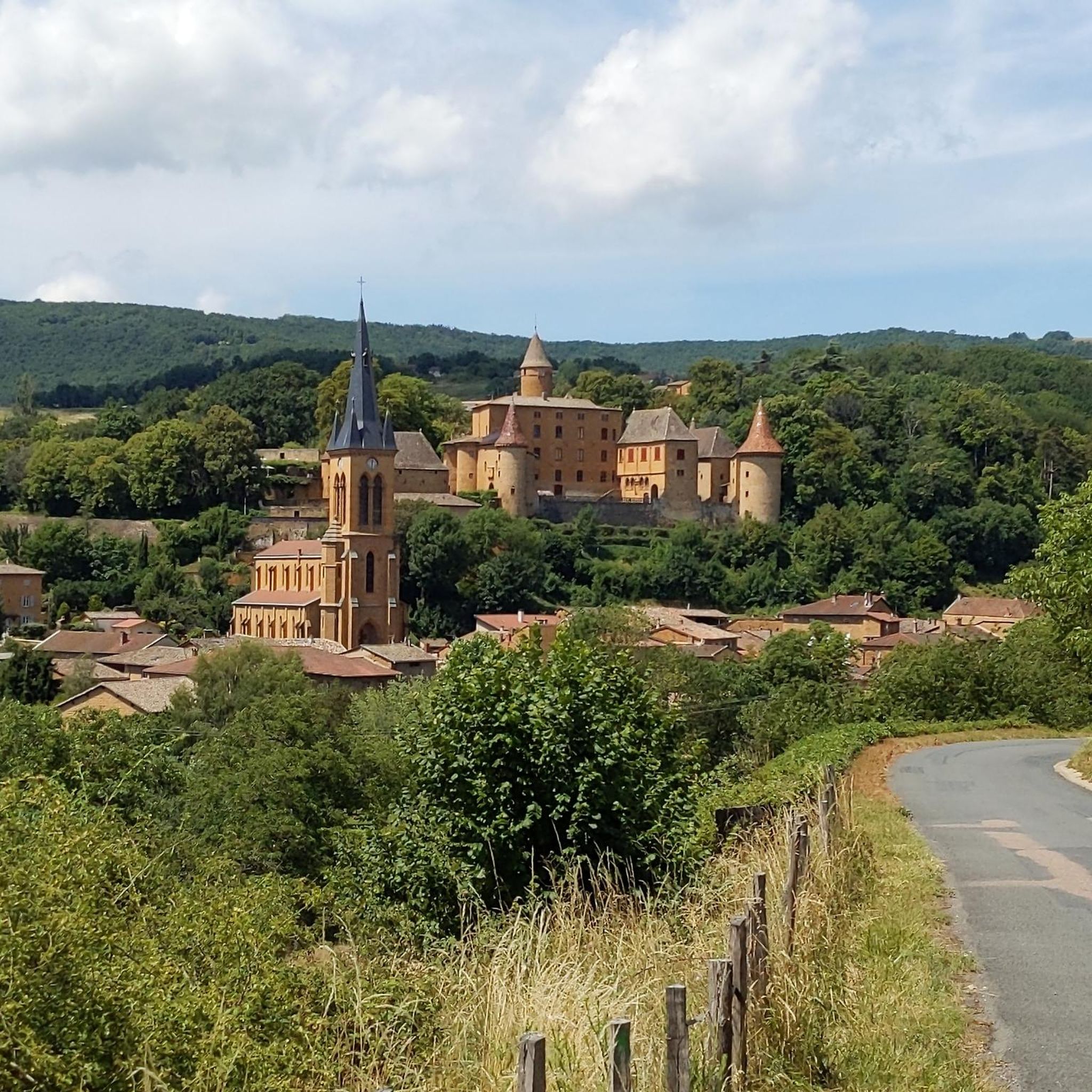
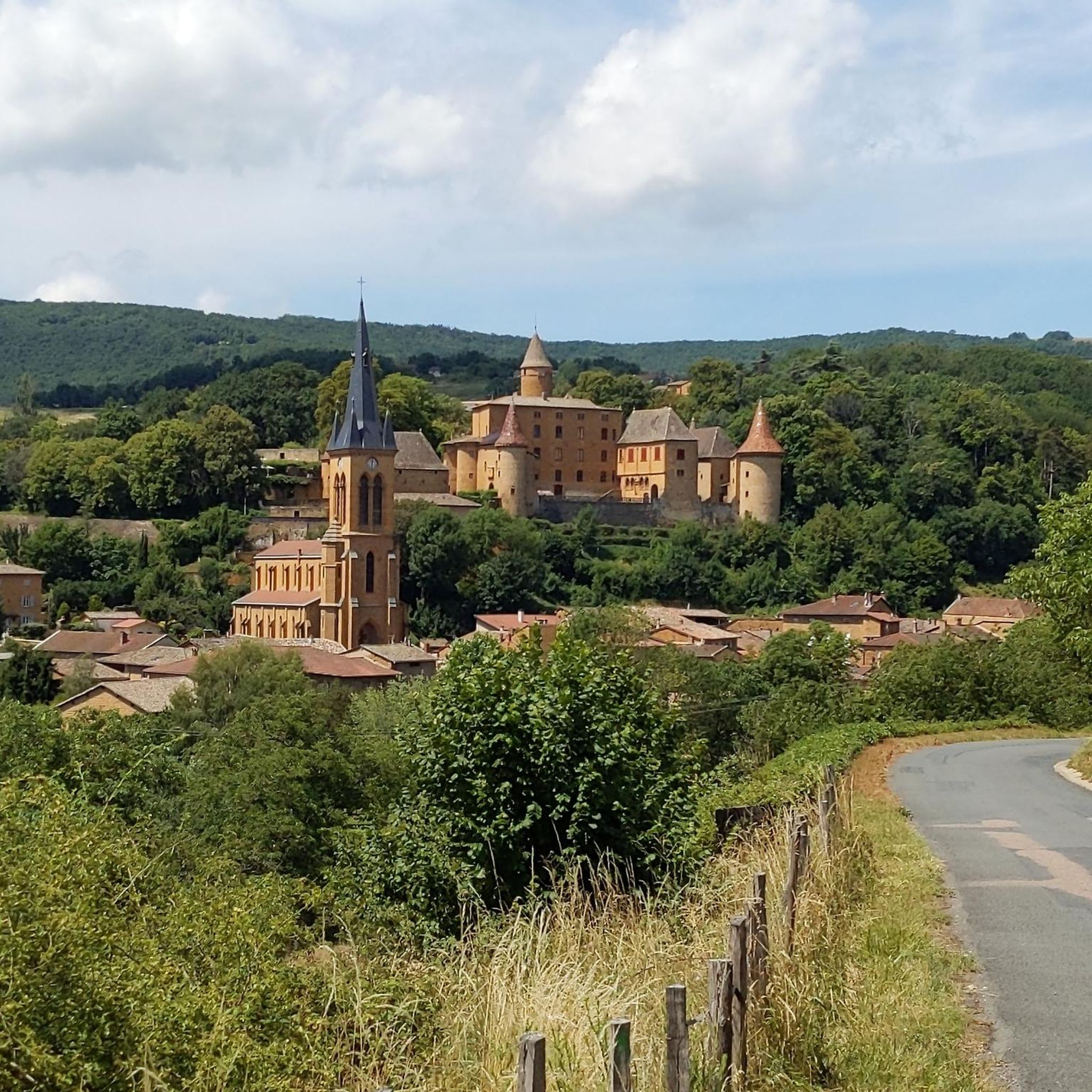
Attractions and places to see around Jarnioux are found in the Rhône department of France, nestled within the "Pierres Dorées" region. This area is known for its distinctive golden-hued limestone architecture and its setting within the Beaujolais wine region. Visitors can explore historical landmarks, charming villages, and natural features amidst hills and vineyards. The region offers a combination of cultural heritage and scenic landscapes.
Best attractions and places to see around Jarnioux
- The most popular attractions is Oingt, a settlement ranked among the most beautiful villages in France. This medieval village is located in the “Pays des Pierres Dorées” and offers views of the surrounding vineyards.
- Another must-see spot is Montmelas Castle, a historical site first mentioned in 977. This former fortified castle was rebuilt in the 13th or 14th century and restored in a neo-Gothic style in the 19th century.
- Visitors also love Le Saule d'Oingt, a natural monument and viewpoint. This location serves as a crossroads for many cycling and mountain biking routes in the Beaujolais area, offering landscapes and paths.
- Jarnioux is known for its historical sites, charming settlements, and natural monuments. The area provides a variety of attractions to see and explore, from castles to picturesque villages built with golden stones.
- The attractions around Jarnioux are appreciated by the komoot community, with more than 210 upvotes and 30 photos shared across the highlights.
Last updated: July 6, 2026
Beauregard
Highlight • Settlement
Translated by Google •
Tip by

Oingt
Highlight • Settlement
Translated by Google •
Tip by

Sign up now to discover places like this
Get recommendations on the best single tracks, peaks, & plenty of other exciting outdoor places.
Sign up for free
Charnay Village and Castle
Highlight • Settlement
Translated by Google •
Tip by

Le Saule d'Oingt
Highlight • Natural Monument
Translated by Google •
Tip by

Col de Saint-Bonnet
Highlight • Mountain Pass
Showing Translation
Tip by

Sign up for free to discover even more attractions around Jarnioux.
Sign up for free
Already have an account?
Start today with a free account
Your next adventure awaits.
Login or Signup

Tips from the Community

A lovely bridge to reach Villefranche-sur-Saône from Beauregard, accessible only on foot or by bicycle.
0
0

A crossroads, with a very beautiful willow tree, which offers several nice routes for amateur cyclists.
0
0

Magnificent golden stone village overlooking the valley
0
0
An essential landmark in the region for cyclists
0
0

A very beautiful village with golden stone houses!
0
0
Frequently Asked Questions
What historical sites can I visit in and around Jarnioux?
Jarnioux is rich in history. You can explore the impressive Château de Jarnioux, which offers guided tours from May to October, and daily in late July and early August. Other significant landmarks include the Église Saint-Étienne with its 56-meter spire, and the historic Chapelle Sainte-Catherine. Don't miss the remnants of the old Beaujolais Railway, including its viaduct. Further afield, consider visiting Montmelas Castle, a historical site first mentioned in 977, or the medieval fortress of Charnay Village and Castle.
Are there any unique natural features or viewpoints in the Jarnioux area?
Yes, Jarnioux is nestled within the picturesque "Pierres Dorées" (Golden Stones) region, known for its distinctive golden-hued limestone used in local architecture. This gives the entire landscape a unique golden appearance. For a stunning vista, head to Le Saule d'Oingt, a natural monument and viewpoint that offers superb views of the surrounding vineyards and serves as a crossroads for many cycling and mountain biking routes.
What charming villages can I explore near Jarnioux?
The region boasts several charming villages built with the characteristic golden stones. Oingt is a must-see, ranked among the most beautiful villages in France, offering superb views from its hilltop location. Another beautiful village is Beauregard, known for its scenic views of the Saône river, especially from its old bridge which is open only to pedestrians and cyclists. Charnay is also a very beautiful village of golden stones with a castle and church to see.
What outdoor activities can I do near Jarnioux?
The Jarnioux area, part of the Beaujolais wine region, is ideal for outdoor enthusiasts. You can find numerous routes for hiking, cycling, and mountain biking. For hiking, explore trails like "Vieux tacot, Madone and Pierres Plantées" or the "Old wash-house – Jarnioux Viaduct loop." Cyclists can enjoy routes such as the "Parasoir Pass - 657 m – Le Saule d'Oingt loop" or the "Oingt – Pays des Pierres Dorées loop." Mountain bikers have options like the "Rochebonne Castle – Jarnioux Viaduct loop." You can find more details and routes in the dedicated guides for Hiking around Jarnioux, Cycling around Jarnioux, and MTB Trails around Jarnioux.
Are there family-friendly attractions or activities in Jarnioux?
Yes, several attractions in the Jarnioux area are suitable for families. The natural monument and viewpoint of Le Saule d'Oingt is a great spot for all ages, offering easy access and beautiful landscapes. The village of Beauregard, with its pedestrian-friendly old bridge and scenic views, is also a pleasant place for a family stroll. Additionally, the 3 km Discovery Trail in Jarnioux, utilizing the old "Tacot" railway route, is an engaging way for families to learn about local heritage, geology, and viticulture through 14 informative panels.
What is the best time to visit Jarnioux?
The period from May to October is generally excellent for visiting Jarnioux, as the weather is pleasant for exploring the outdoors and historical sites. Specifically, the Château de Jarnioux offers guided tours during these months, with daily tours available in late July and early August. This timeframe allows you to fully enjoy the scenic landscapes of the "Pierres Dorées" region and the Beaujolais vineyards.
Can I learn about the local heritage and geology while visiting Jarnioux?
Absolutely. Jarnioux offers a dedicated 3 km Discovery Trail that circles the village, following the route of the old "Tacot" railway. Along this trail, you'll find 14 panels providing insights into the local heritage, geology, viticulture, and the distinctive "Pierres Dorées" architecture, making it an informative and engaging walk.
What is the significance of the 'Pierres Dorées' in Jarnioux?
The "Pierres Dorées" (Golden Stones) refers to the distinctive golden-hued limestone found in the region, which has been used for centuries in local construction. This unique geological characteristic gives Jarnioux and the surrounding villages their charming, warm, and golden appearance, especially under the sunlight. It's a defining feature of the local architecture and landscape.
Are there any historical religious buildings in Jarnioux?
Yes, Jarnioux features two notable religious buildings. The Église Saint-Étienne, consecrated in 1889, stands prominently on a hillside with its impressive 56-meter spire. Additionally, the small Chapelle Sainte-Catherine, located in the heart of the old village, has a history dating back to a 1335 tragedy, predating the establishment of the Jarnioux parish itself.
What do visitors enjoy most about the attractions around Jarnioux?
Visitors particularly appreciate the blend of historical charm and natural beauty. The medieval village of Oingt is frequently praised for its beauty and superb vineyard views. The golden stone architecture throughout the region, including in villages like Charnay, is a major draw. Many also enjoy the scenic routes for cycling and mountain biking, especially those passing through viewpoints like Le Saule d'Oingt, which offers magnificent landscapes.
Is there a historic wash house in Jarnioux?
Yes, Jarnioux features a historic Lavoir (wash house) located at the entrance of the village. It's a small but interesting piece of local heritage that reflects the daily life of past generations.
Most popular routes around Jarnioux
Most popular attractions around Jarnioux

Get inspired with the komoot mobile app


Explore more
Still not found the Highlight you’re looking for? See guides of the top attractions in other regions:
