Top 20 Castles around Philippsburg
Castles around Philippsburg are primarily found in the Wasgau region, a landscape characterized by the Palatinate Forest and its proximity to the German-French border. This area features numerous rock castles and ruins, often integrated into natural sandstone formations. The terrain offers varied exploration opportunities for historical sites.
Best castles around Philippsburg
- The most popular castles is Wasenbourg Castle, a historical site where only thick walls remain. The castle was visited by Goethe, and its outer walls still stand, offering…
Last updated: May 9, 2026
Wasigenstein Castle
Highlight • Castle
Translated by Google •
Tip by

Blumenstein castle ruins
Highlight • Castle
Translated by Google •
Tip by

Sign up now to discover places like this
Get recommendations on the best single tracks, peaks, & plenty of other exciting outdoor places.
Sign up for free
Wasenbourg Castle
Highlight • Historical Site
Information about the castle:
burgenwelt.org/frankreich/wasen/object.php
Translated by Google •
Tip by

Petit-Arnsberg Castle
Highlight • Castle
Translated by Google •
Tip by

Falkenstein Castle ruins
Highlight • Castle
Short path through the forest with a slight increase from the trail parking lot.
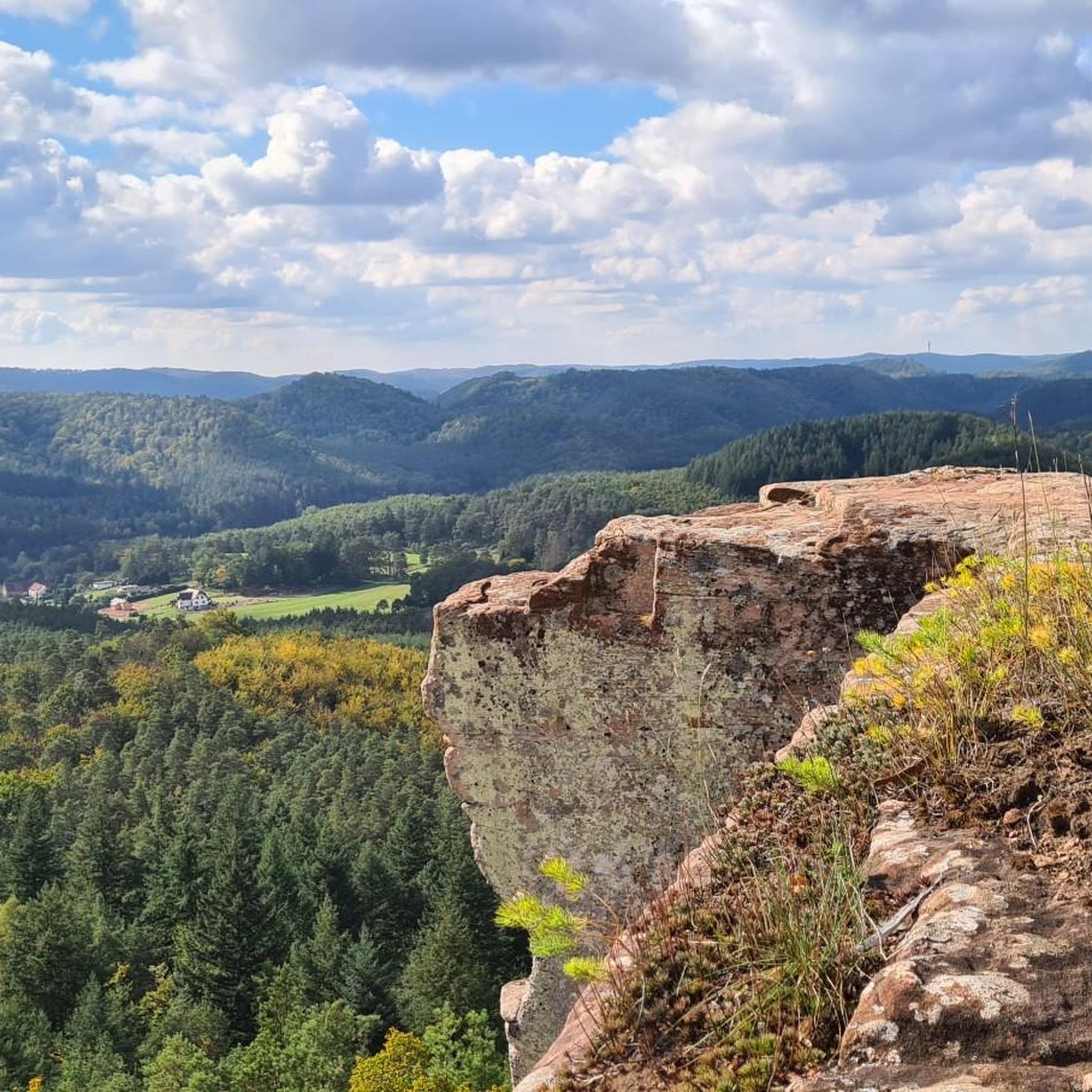
Excellent all-round view.
Translated by Google •
Tip by
Sign up for free to discover even more castles around Philippsburg.
Sign up for free
Already have an account?
Start today with a free account
Your next adventure awaits.
Login or Signup


Tips from the Community

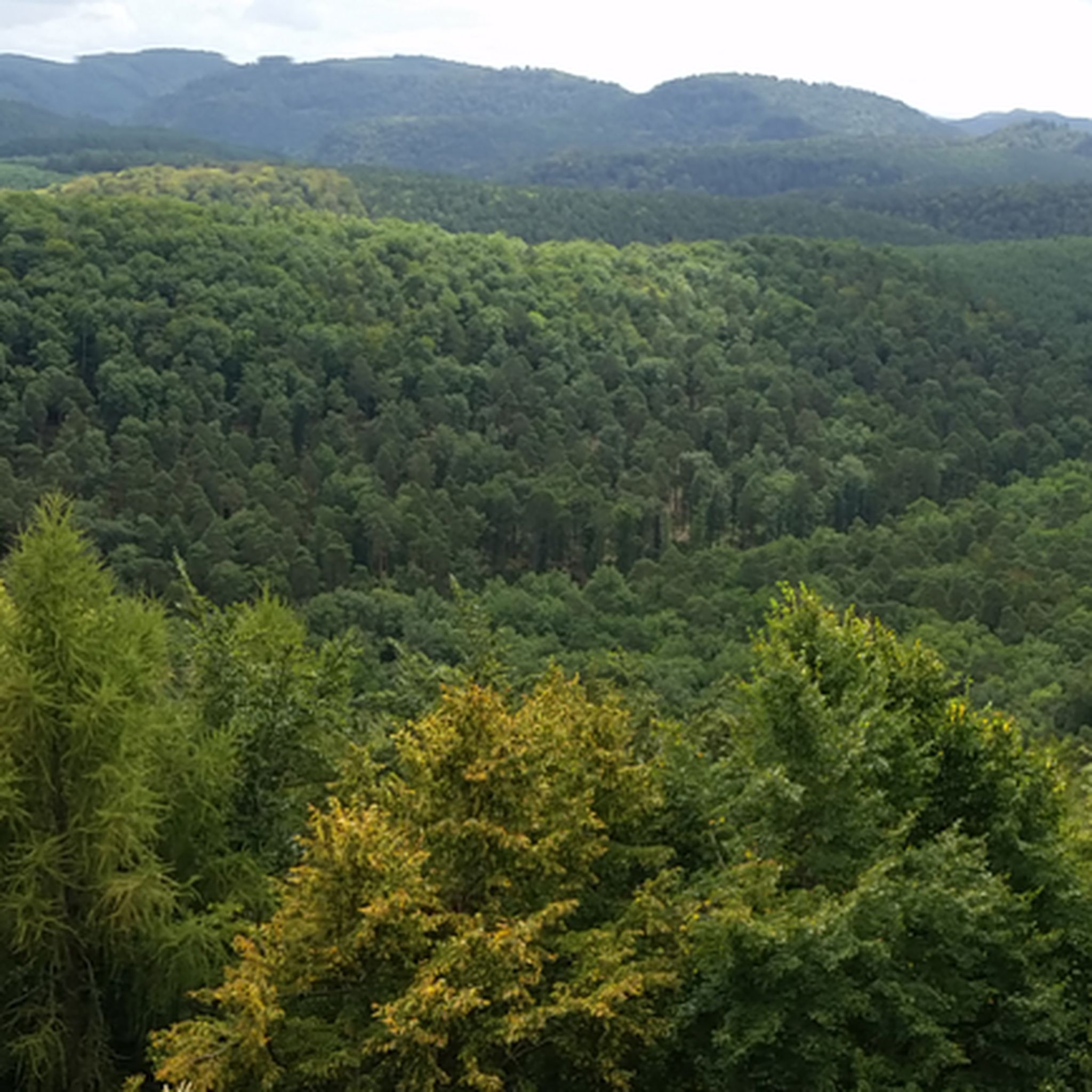
The ruins sit imposingly on their freestanding sandstone plinth. Steps carved into the rock allow you to explore the former castle complex and enjoy the view of the Palatinate Forest.
4
0

One of the most beautiful castle ruins on the German-French Castle Trail... The stairs to the top have some higher steps, but it is doable without any problems... The view from the top is worthwhile
4
0
Pretty castle ruins... A climb up the stairs is definitely worth it... from the top you have a wonderful view of the wooded hills of the Wasgau
3
0

The Wasenburg was built in 1280 by Konrad von Lichtenberg on a castle site dating back to the 8th century. The castle was damaged in the Peasants' War and was almost destroyed by French troops in 1677. The huge nine-part magnificent window with seven rosettes is remarkable - a work of art that the stonemasons carved out of a single piece of sandstone. It is probably the most beautiful castle window of all Alsatian castles. The mighty shield wall, a bay window and the fireplace in the palace are also well preserved. A memorial plaque commemorates Goethe's visit in 1770, who came up here because of the magnificent window and the excellent view from the spa town of Niederbronn-les-Bains.
2
1

Falkenstein Castle has been very well restored. The many information boards are also very helpful. In the castle at the level of the horse stables there are table sets for a picnic
7
2
The upper hiking trail goes directly to the ruins. The lower path, as the name suggests, goes past the foot of the rock.
7
1

The Wasenburg (French Château du Wasenbourg) is the ruin of a medieval rock castle in Alsace. The castle stands on a 432 meter high northern foothills of the Reisberg above Niederbronn-les-Bains and the Falkensteinerbachtal, an important connection between Bitche and the Upper Rhine Plain. Nothing is known about the founding of the castle. The castle of Duke Luitfried may have stood here as early as 730. The first reports are from 1280, when Konrad von Lichtenberg expanded the (probably already existing) castle. Source: Wikipedia.
0
0

After about an hour you reach the Wasenburg ruins from Niederbronn-les-Bains. Nice view over the plain.
1
0
Frequently Asked Questions
What types of castles can I expect to find around Philippsburg?
The castles around Philippsburg are primarily located in the Wasgau region, characterized by the Palatinate Forest. You'll find numerous rock castles and ruins, often integrated into natural sandstone formations. These include sites like Wasigenstein Castle, where the rock was artfully integrated into the structures, and Falkenstein Castle ruins, built on a narrow sandstone rock.
Are there any castles with particularly good views?
Yes, several castles offer excellent views. Wasenbourg Castle, though a ruin, provides a beautiful view from its remaining outer walls. The Falkenstein Castle ruins offer an excellent all-round view from their position on a narrow sandstone rock. Similarly, Blumenstein castle ruins, one of the highest rock castles in the Palatinate, is picturesquely situated on a free-standing rock with great vistas.
What are some of the most popular castles to visit in the region?
Among the most popular are Wasenbourg Castle, known for its thick remaining walls and historical significance, and Falkenstein Castle ruins, a 12th-century site offering panoramic views. Visitors also highly appreciate Wasigenstein Castle, a two-part complex with numerous stairs and viewing platforms integrated into the rock.
What outdoor activities can I do near these castles?
The region around Philippsburg offers various outdoor activities. You can find numerous cycling routes, including touring bicycle options like 'The ponds of the Parc Naturel Régional des Vosges du Nord' or 'Waldeck Pond – Étang de Hanau loop'. For road cycling, routes such as 'Untermuehl Valley' or 'Citadel of Bitche' are available. Gravel biking is also popular, with routes like 'Jaegerthal Ironworks Ruins' or 'Lichtenberg Castle'. You can explore more routes in the Cycling around Philippsburg, Road Cycling Routes around Philippsburg, and Gravel biking around Philippsburg guides.
Are there hiking trails that lead to or around the castles?
Yes, many castles in the Wasgau region are accessible via hiking trails. For instance, the Falkenstein Castle ruins are reached via a short path through the forest. The area is known for its varied terrain, making it ideal for combining castle visits with walks. The tips for Wasigenstein Castle suggest combining it with other nearby castles for a great castle tour.
What is the best time of year to visit the castles around Philippsburg?
The castles, many of which are ruins integrated into natural rock formations, are generally enjoyable to visit during spring, summer, and autumn when the weather is mild and the surrounding nature is vibrant. The region's hiking paths are best explored outside of heavy snow or ice conditions. Visiting in winter might offer a different, quieter experience, but some paths could be challenging.
Are there any family-friendly castles or activities for children?
The rock castles and ruins, with their integrated structures, numerous stairs, and viewing platforms, can be an exciting adventure for families. Exploring sites like Wasigenstein Castle allows children to let their imagination run wild. The natural settings also provide opportunities for outdoor exploration. However, some paths to ruins like Blumenstein castle ruins can be steep, so caution is advised for those not quite sure-footed.
What historical significance do these castles hold?
The castles in the Wasgau region, like Wasenbourg Castle, have eventful histories, often being raided, conquered, sold, and pawned. Many, such as Blumenstein castle ruins, are typical 13th-century Wasgauer Felsenburgen (rock castles) and were often destroyed during conflicts like the Peasants' War. These sites offer a glimpse into medieval defensive architecture and regional power struggles.
What do visitors enjoy most about the castles in this area?
Visitors particularly enjoy the unique integration of the castles with the natural rock formations, the historical atmosphere of the ruins, and the panoramic views they offer. The opportunity to explore numerous stairs, rooms, and viewing platforms, as well as the wild-romantic settings, are frequently highlighted. The region's blend of history and nature is a major draw.
Is there a specific 'Philippsburg Castle' that is a must-see?
The term 'Philippsburg' refers to several distinct historical sites across Germany. The castles highlighted in this guide are primarily in the Wasgau region, near a town named Philippsburg. These are rock castles and ruins like Wasenbourg Castle and Falkenstein Castle ruins. If you are looking for other specific 'Philippsburg' castles, there's Schloss Philippsburg in Braubach (a Renaissance castle), the ruins of Philippsburg in Monreal, and a Baroque fortress in the town of Philippsburg in the Karlsruhe district, each with its own unique history.
Are there any less crowded castles for a more tranquil visit?
While popular sites can attract visitors, the Wasgau region has numerous castles and ruins, some of which are smaller and less frequented. Blumenstein castle ruins, for example, is described as an 'insider tip' due to its smaller size, offering a cozy snack break spot. Exploring some of the lesser-known ruins or visiting during off-peak hours can provide a more tranquil experience.
Can I find cafes or accommodation near the castles?
The castles are often situated in natural, sometimes remote, settings within the Palatinate Forest. While specific cafes might not be directly adjacent to every ruin, nearby towns and villages in the Wasgau region will offer dining and accommodation options. It's advisable to check for facilities in the closest village before your visit, especially if you plan a full day of exploration.
Most popular routes around Philippsburg
Most popular attractions around Philippsburg

Get inspired with the komoot mobile app


Explore more
Looking for the best castles somewhere else? Discover other guides around Philippsburg:
