The best cycling routes around Rott
4.5
(1941)
11,100
riders
354
rides
Touring cycling routes around Rott traverse a landscape characterized by rolling hills, river valleys, and forested sections, offering diverse scenery for cyclists. The region features varied terrain, from gentle paths along waterways to more challenging ascents providing views of distant hills. These routes often connect charming villages and offer a blend of natural and cultural exploration. The area's elevation changes are moderate, with some routes including climbs to points like Col du Pigeonnier.
Best touring cycling routes around Rott
- The…
Last updated: October 12, 2026
4.8
(4)
20
riders
46.9km
02:54
280m
280m
Moderate bike ride. Good fitness required. Mostly paved surfaces. Suitable for all skill levels.
4.5
(2)
21
riders
21.1km
01:25
350m
350m
Moderate bike ride. Good fitness required. Mostly paved surfaces. Suitable for all skill levels.

4.0
(2)
73
riders
24.7km
02:33
660m
660m
Hard bike ride. Very good fitness required. You may need to push your bike for some segments of this route.
5.0
(2)
15
riders
18.8km
01:16
310m
310m
Moderate bike ride. Good fitness required. Mostly paved surfaces. Suitable for all skill levels.
4.0
(2)
18
riders
11.3km
00:45
160m
160m
Moderate bike ride. Good fitness required. Mostly paved surfaces. Suitable for all skill levels.
Get access to more routes and recommendations from other explorers.
Already have an account?
Our route recommendations are based on thousands of hikes, rides, and runs completed by other people on komoot.
Start today with a free account
Your next adventure awaits.
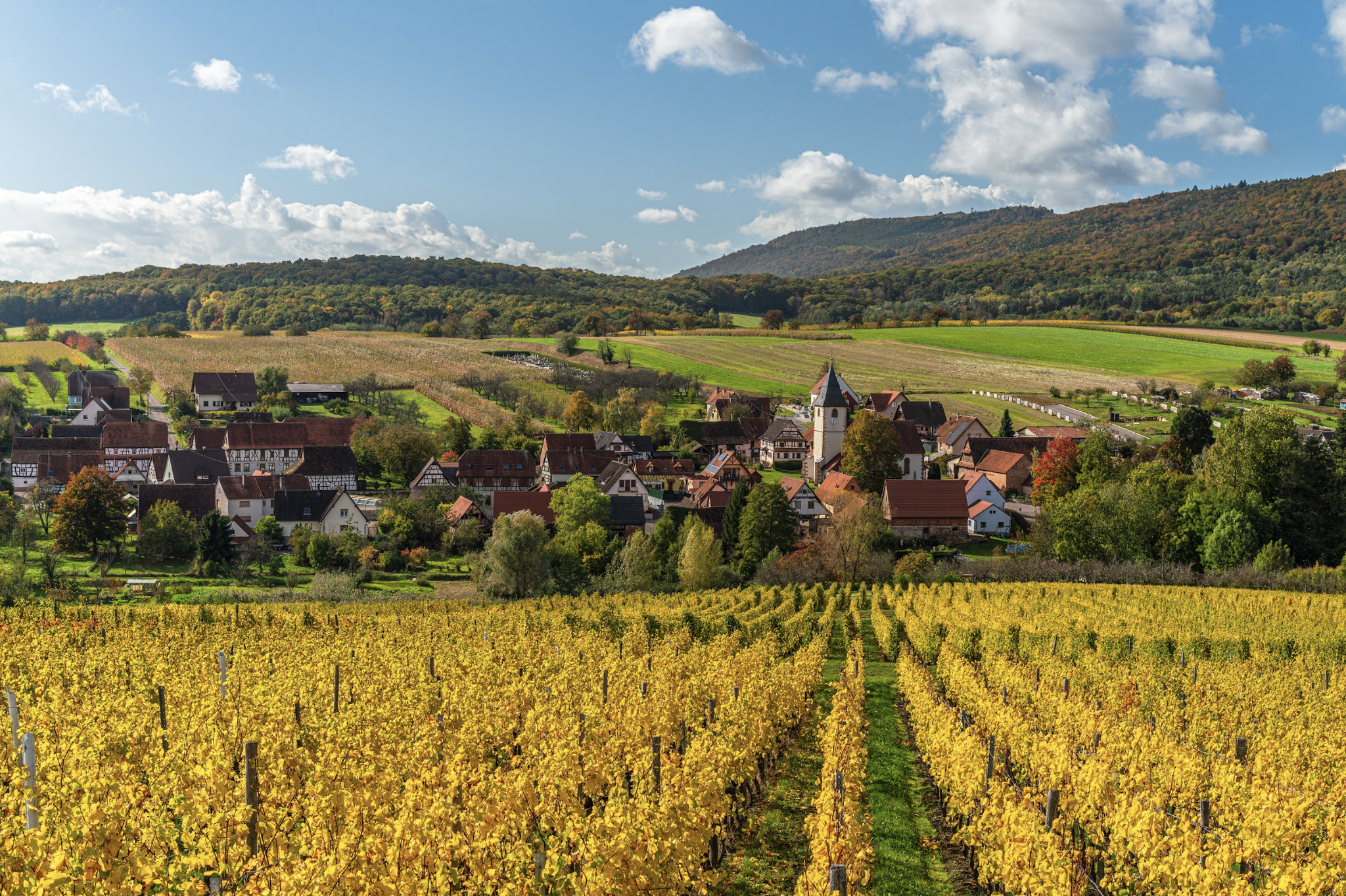
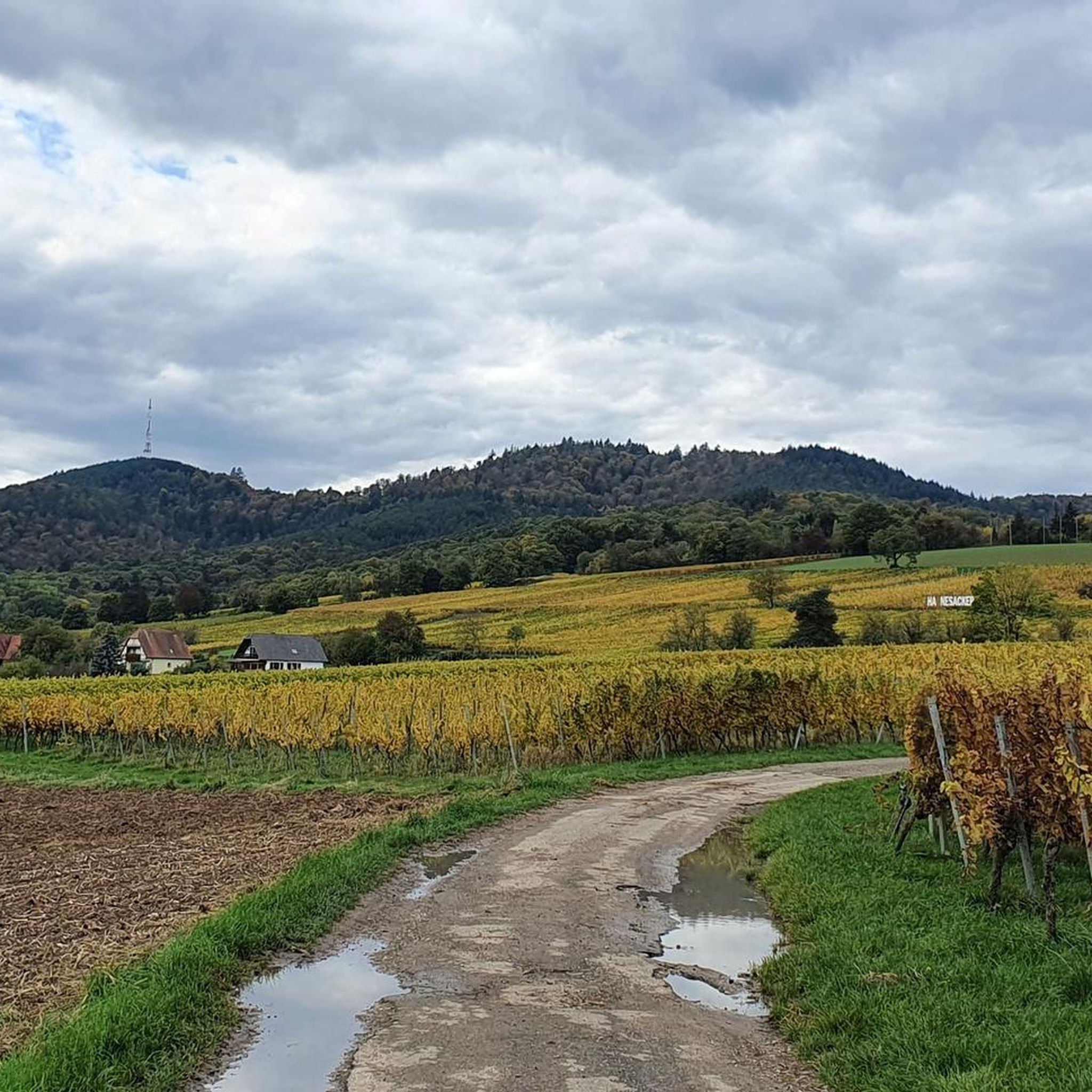
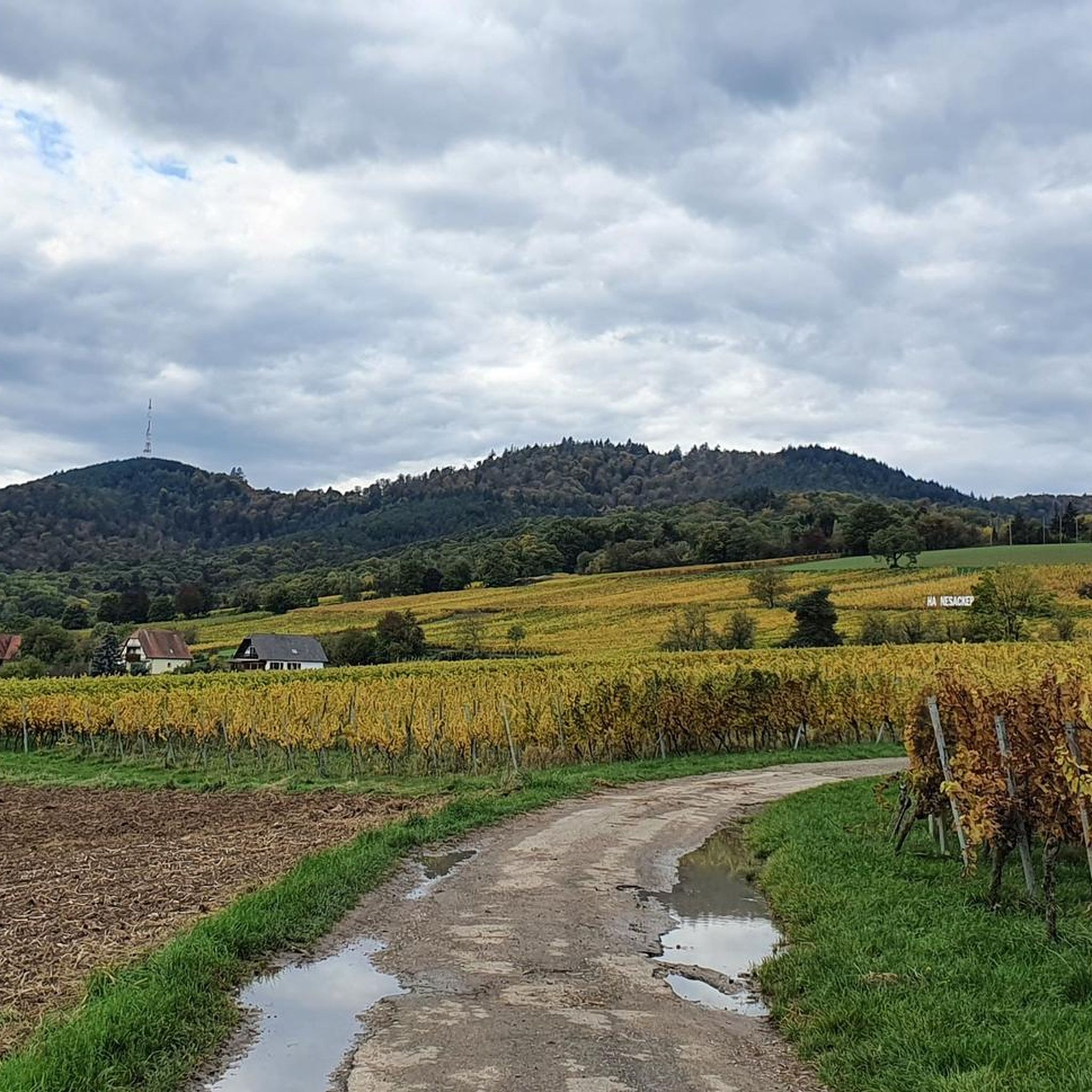
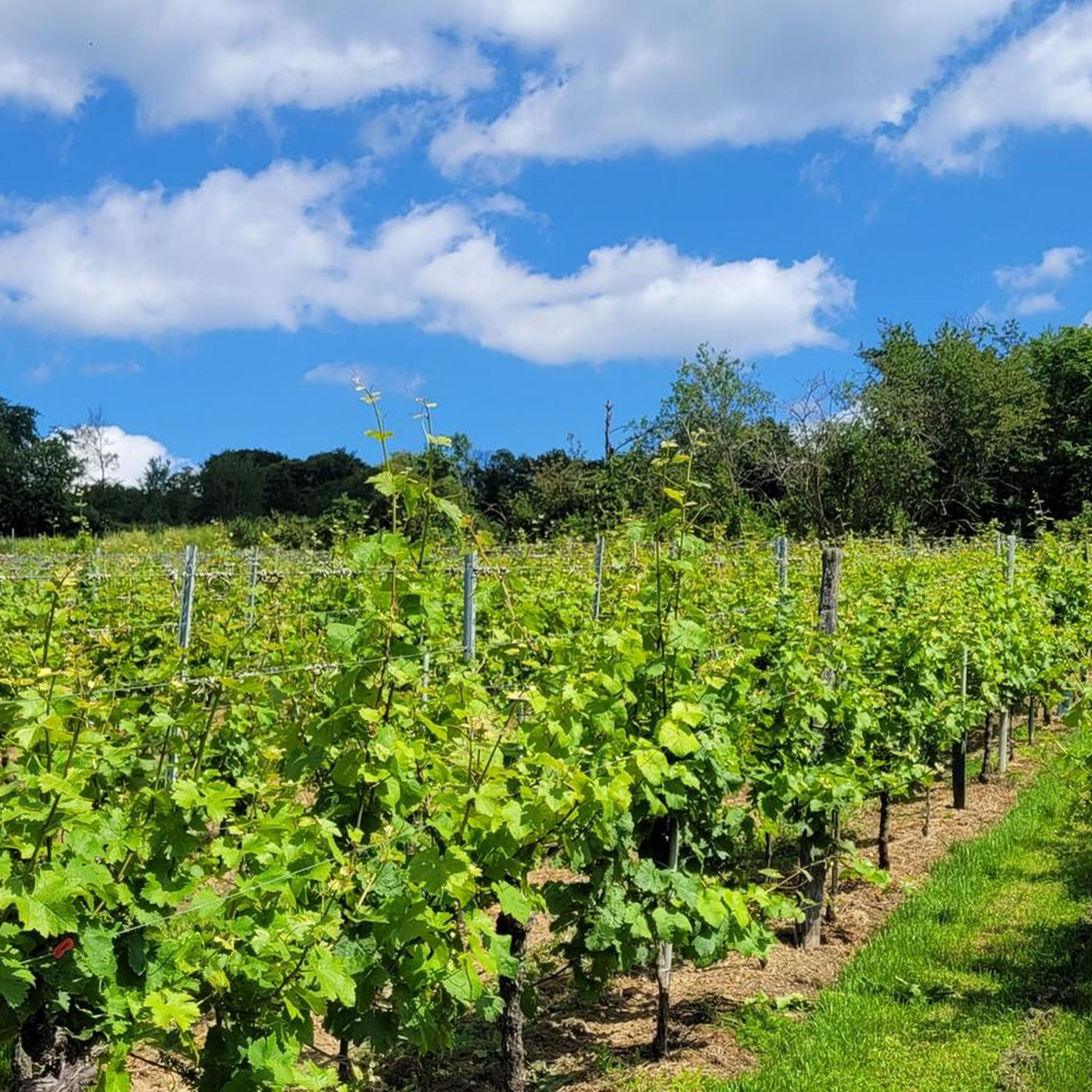
Other adventures around Rott

Tips from the Community

A charming little bridge over the Lauter - worth a quick stop for a great photo looking down the canal toward the old town.
0
0

Along the Lauter there are many alleys and paths that repeatedly offer beautiful views of the river and the half-timbered houses of the old town of Wissembourg.
4
0


It's worth taking a look at the Lauter from the many bridges. The perspectives are always different.
10
0

Oak and linden trees were planted or planted in villages or communal forests in honor of the "King of Rome." In 1853, Napoleon benches were again erected in the Bas-Rhin department. This time on the orders of Prefect Auguste Cesar West. The reason was the wedding of Napoleon III (*April 20, 1808 - †January 9, 1873) to Eugénie de Montijo (*May 5, 1826 - †July 11, 1920). The year of installation was carved into the transverse lintel. In the following years, new Napoleon benches were repeatedly erected: in 1855, 1859, and 1860, because France was victorious in wars, and in 1856 because of the birth of Loulou the "Little Prince." During the 20th century, wooden benches were installed because they were more cost-effective and comfortable than sandstone benches. Many of the old benches fell victim to the two World Wars or the passage of time. The remaining benches are now cultural monuments that are carefully maintained and restored. [Rudolf Wild, Annweiler]
0
0
Napoleon Benches The benches, named after Napoleon Bonaparte (*15.08.1769 - }†05.05.1821), are slightly different from the resting stones, but serve the same purpose: to comfortably rest one's head and sit. They roughly resemble the letter "A": two sandstone pillars on the right and left, supported by a sandstone block (lintel) placed across them for resting burdens, and a sandstone block placed across them for sitting. After the French Revolutionary Wars (1792-1802), the borders of France extended to the Rhine. In 1811, at the behest of Prefect Adrien Lezay-Marnesia, these benches were erected in his Bas-Rhin department to commemorate the birth of Napoleon Bonaparte (*March 20, 1811 - †June 22, 1832). The inscription "A LA Naissance Du Roi De Rom" – erected for the birth of the King of Rome – was carved into the lintel. Also included are columns (in Steinweiler), drinking troughs, and fountains, as well as shrubs, fruit trees, etc.
0
0
"Bancs-reposoirs du Roi de Rome" At the initiative of the Prefect of the French department of Bas-Rhin, Adrien de Lezay-Marnésia, the benches were erected in 1811/12 to commemorate the birth of Napoléon-François-Joseph-Charles Bonaparte, the son of Napoleon Bonaparte. In a letter to the municipal administrations dated April 22, 1811, he stated that these stone benches should be placed along the country roads and that shady trees should be planted behind them. The costs were to be borne by the municipalities. The Alsatians called them the Navele Bänk (Napoleon's Bench, bancs de Napoléon) in their local dialect; this name is also common in the neighboring Palatinate region. Text: Rudolf Wild, Annweiler
0
0

Frequently Asked Questions
What kind of terrain can I expect when touring cycling around Rott?
Touring cycling routes around Rott feature a diverse landscape of rolling hills, river valleys, and forested sections. You'll find varied terrain, from gentle paths along waterways to more challenging ascents that offer views of distant hills. The area includes moderate elevation changes, with some routes climbing to points like Col du Pigeonnier.
How many touring cycling routes are available around Rott?
There are over 370 touring cycling routes available around Rott, catering to various skill levels. The komoot community has explored these routes over 10,000 times, highlighting the region's popularity among cyclists.
Are there touring cycling routes suitable for beginners in Rott?
Yes, Rott offers nearly 100 easy touring cycling routes, perfect for beginners or those looking for a relaxed ride. These routes typically feature gentler paths, often along river valleys, allowing for an enjoyable experience without significant climbs.
What are some challenging touring cycling routes around Rott?
For experienced touring cyclists seeking a challenge, Rott has over 120 difficult routes. One notable challenging option is the Col du Pigeonnier (432 m) loop from Cleebourg, which covers 12.4 miles (19.9 km) with significant elevation gain, often taking around 2 hours to complete.
Are there circular touring cycling routes in the Rott area?
Yes, many touring cycling routes around Rott are designed as loops, allowing you to start and finish at the same point. Examples include the popular View – View of the Vosges loop from Cleebourg and the View of the Lauter – Wissembourg Town Center loop from Cleebourg.
What can I see along the touring cycling routes around Rott?
Along the touring cycling routes, you can explore various points of interest. These include natural features like the Col du Pigeonnier, as well as several huts and shelters such as the Wine Trail Hut and Dertenhaus Shelter. The region also has historical sites like the St. Anna Iron Ore Mine Visitor Center (Nothweiler).
What do other touring cyclists enjoy most about cycling in Rott?
The touring cycling routes in Rott are highly rated by the komoot community, with an average score of 4.6 stars from over 1600 reviews. Cyclists often praise the diverse scenery, which includes rolling hills, river valleys, and forested areas, as well as the variety of routes suitable for different ability levels.
Are there any routes that combine scenic views with cultural exploration?
Absolutely. The View of the Lauter – Wissembourg Town Center loop from Cleebourg is a great example. This moderate 29.1-mile (46.8 km) route allows you to explore the scenic Lauter valley and the historic town center of Wissembourg, offering both natural beauty and cultural insights.
Can I find places to rest or eat along the cycling routes?
Yes, the region around Rott features several huts and shelters that can serve as resting points. Highlights include the Wine Trail Hut and Hirzeckhaus. While specific cafes are not detailed for every route, these huts often provide basic amenities or are located near villages where you can find refreshments.
What is a good route for experiencing the Vosges mountains views?
For scenic views towards the Vosges mountains, consider the View – View of the Vosges loop from Cleebourg. This moderate 8.8-mile (14.2 km) trail is a popular choice and can typically be completed in about 1 hour, offering rewarding vistas.
Are there any routes that pass through historical sites?
Yes, some routes offer a glimpse into the region's history. For instance, the area features historical sites such as the St. Anna Iron Ore Mine Visitor Center (Nothweiler) and the Sankt Anna Stollen Ore Mine, which are part of the nearby attractions and can be incorporated into your cycling exploration.
Most popular attractions around Rott

Get inspired with the komoot mobile app


Explore more
Browse the best Cycling routes in other regions.
